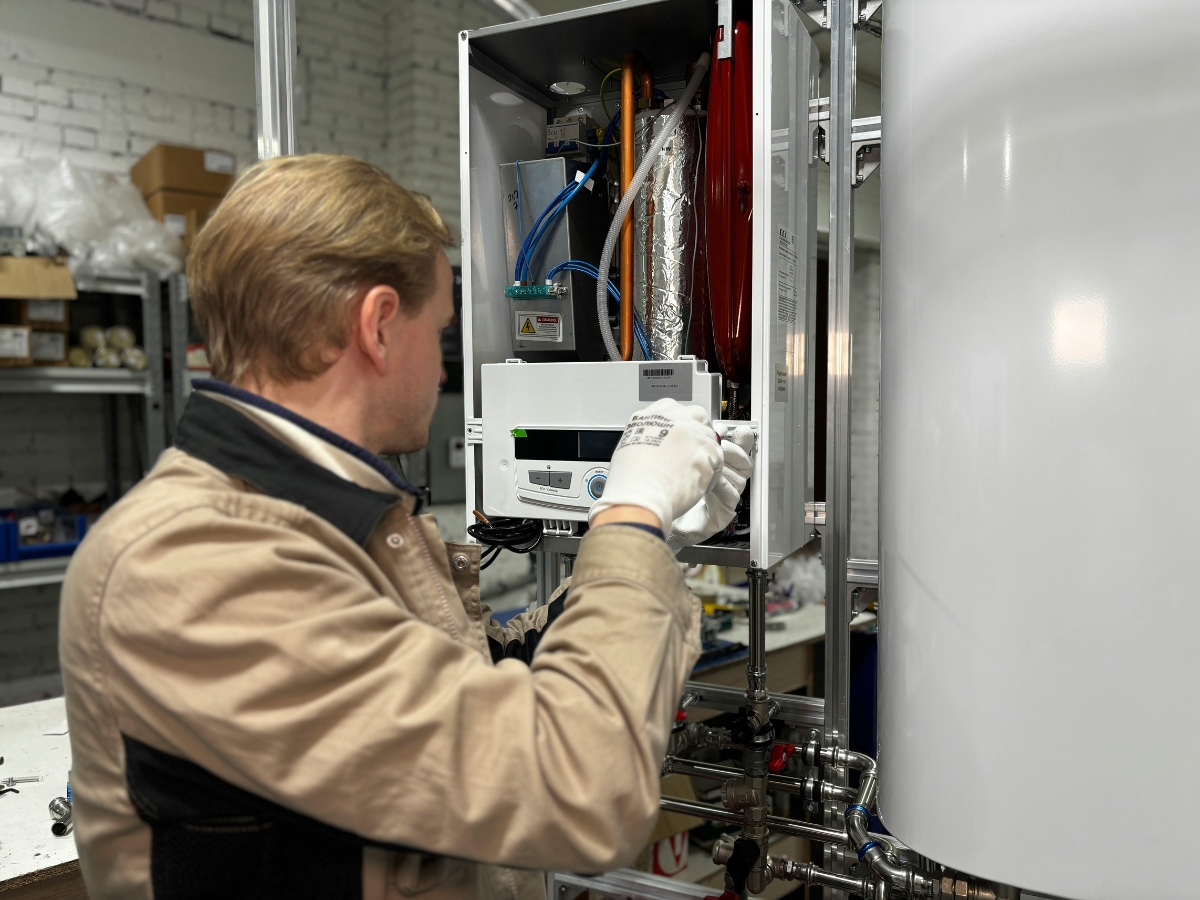
Understanding the basic components of your HVAC system is the first step toward informed maintenance, troubleshooting, and effective communication with professionals. From the furnace or heat pump that generates warmth to the air handler, thermostat, and ductwork that manage and distribute it, each part plays a specific and vital role in maintaining your home’s comfort.
This beginners components guide clearly explains the function of the main HVAC components, providing the foundational knowledge you need to take better care of your system and make smarter decisions about its upkeep and performance.
Beginners Components Guide for HVAC to Understand Your System Fast
What Are The Core Components Of An HVAC System?
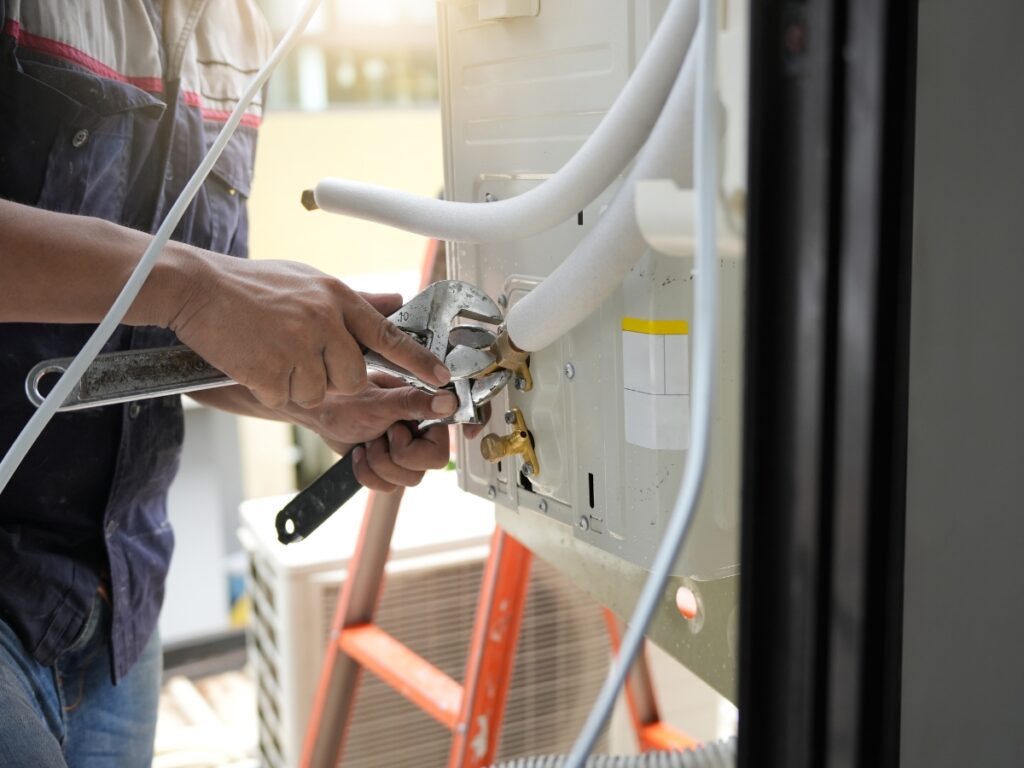
If you are new to home systems, understanding the basics can make maintenance and troubleshooting much less intimidating. HVAC stands for heating, ventilation, and air conditioning, and the system works by moving air, managing temperature, and helping control moisture and indoor comfort. Learning these beginners components gives you a clearer idea of what is happening when the air feels uneven, the system runs constantly, or the temperature does not match what you set.
Most HVAC systems have a few key parts that handle heating and cooling, plus supporting components that move air through the home. While layouts vary by home and system type, the fundamentals are consistent: something produces heat, something removes heat, and something tells the system when to turn on and off.
Which Parts Make Up Heating And Cooling Systems?
Heating systems commonly rely on a furnace or a heat pump. A furnace generates heat and distributes it through the home, often by warming air and pushing it through ducts. In many homes, the furnace is powered by gas or electricity. Heat pumps can also provide heating, but they work differently. Instead of creating heat directly, they move heat from one place to another, which can be an efficient way to warm a home in milder conditions.
Cooling is typically handled by an air conditioner or, again, a heat pump. Air conditioners remove heat from indoor air and transfer it outside. A heat pump can do the same thing in cooling mode, which is why many homes use one unit to handle both heating and cooling across seasons.
Alongside the main heating and cooling equipment, most systems include an indoor fan or blower, ductwork or air pathways, and vents or registers that deliver air into different rooms. The blower is especially important because it is what moves conditioned air through the home. If airflow is weak or uneven, the issue is often related to this part of the system, filter condition, or duct restrictions rather than the heating or cooling equipment itself.
For anyone learning HVAC basics, these are the core beginners components to know: the equipment that heats or cools, the parts that move air, and the controls that coordinate everything.
How Do Thermostats Control HVAC Operations?
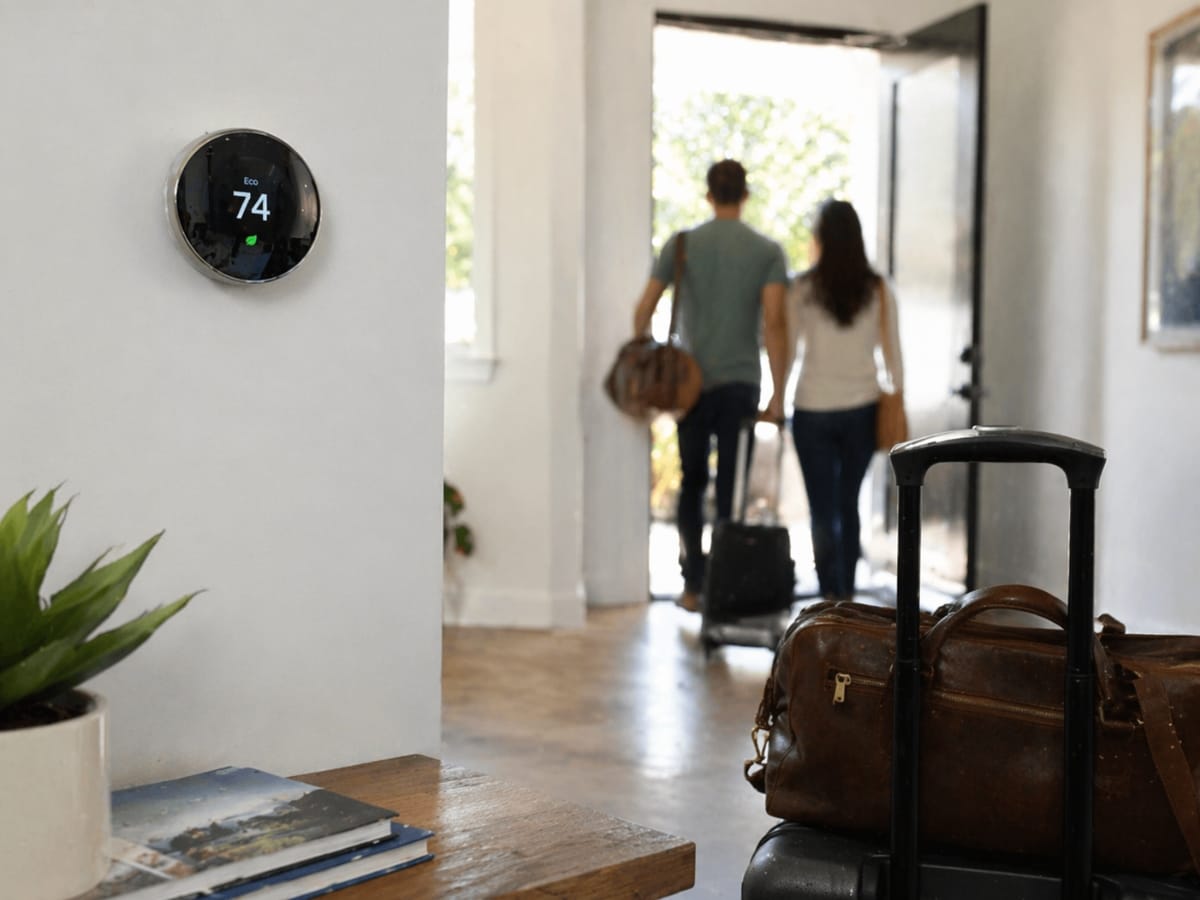
The thermostat is the control center of the system. It measures the indoor temperature and tells the HVAC equipment when to run in order to reach the setting you choose. Even though thermostats look simple, they have a big impact on comfort and energy use because they determine how often the system turns on and how long it runs.
Mechanical thermostats are the simplest type and usually rely on basic physical components to sense temperature. Digital thermostats use electronic sensors and provide more precise control. Many allow you to program schedules, which can help prevent the system from running as hard when nobody is home.
Smart thermostats add another layer by learning patterns and offering features such as remote control through an app. Some can adjust automatically based on occupancy or your routine, which can improve energy efficiency without sacrificing comfort. They can also provide usage insights that help homeowners understand how often the system runs and when it works the hardest.
No matter the style, the thermostat’s job is the same: it turns the system on when the home is too warm or too cool, then turns it off once the target temperature is reached. If the thermostat is poorly placed, such as in direct sunlight or near a draft, it can misread the temperature and cause comfort issues. That is why placement and setup are part of understanding these beginners components, not just the device itself.
Why Understanding These Basics Helps With Maintenance
Knowing the core components helps you interpret common problems. If the system is running but the air feels weak, you might think about airflow, filters, or the blower. If the temperature does not match the setting, the thermostat and its placement become worth checking. If heating works but cooling does not, that often points to the cooling equipment or a seasonal maintenance need.
HVAC can feel complex, but you do not need to be an expert to make informed decisions. When you understand the main beginners components, you can describe issues more clearly, keep up with routine care, and make choices that protect comfort and system performance over time.
How Do Heating System Components Work in Your Home?
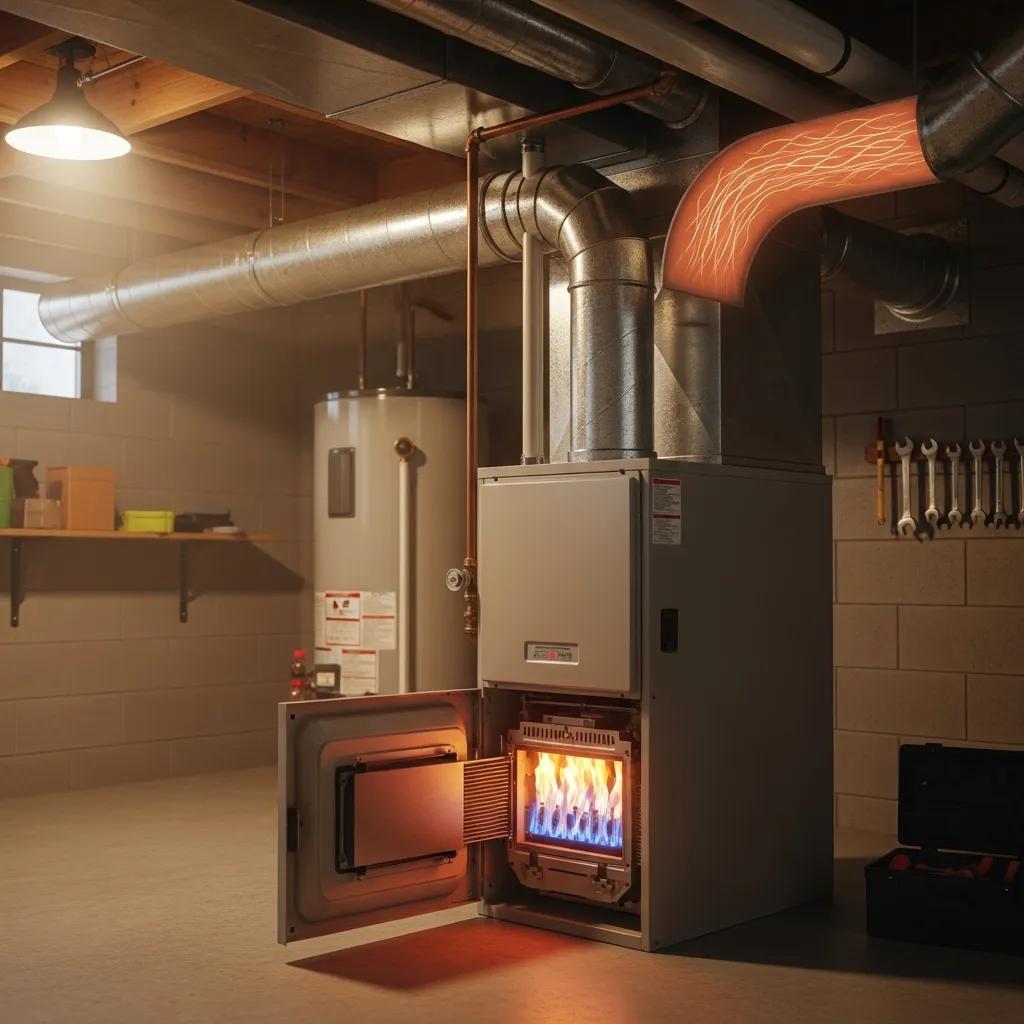
When your home starts to feel chilly, your heating system steps in to keep indoor temperatures comfortable. For homeowners who are still learning the basics, understanding what each part does can make the system feel less mysterious and help you spot early signs of trouble. These beginners components work together in a simple sequence: the system creates heat, transfers that heat safely into the air, and then moves that warmed air through the home.
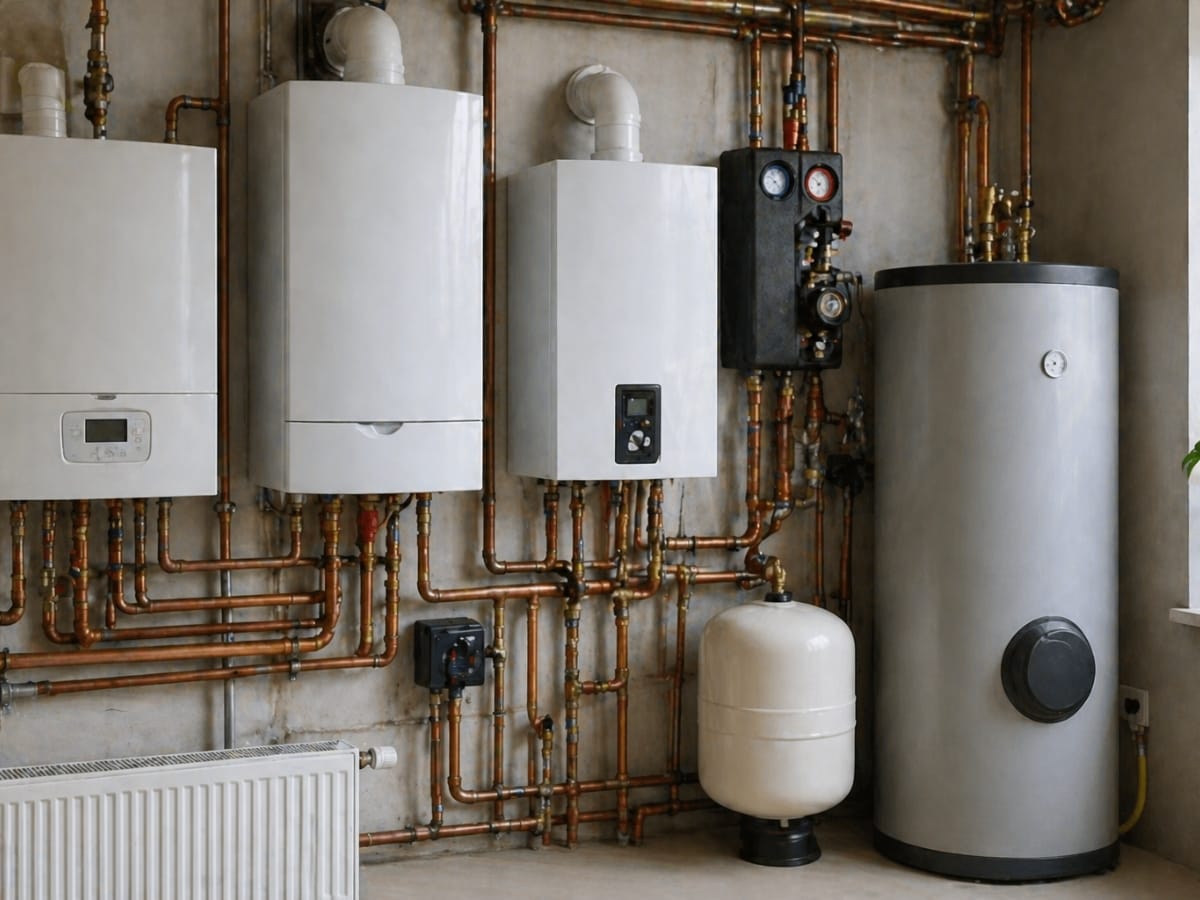
Most central heating systems rely on a furnace or a heat pump. This section focuses on furnaces, since they are common in many homes and their parts are easy to understand once you see how they connect. Even if you do not plan to do any repairs yourself, knowing what is happening inside the system can help you maintain it and describe problems more clearly when something feels off.
What Is A Furnace And How Does It Heat Your Space?
A furnace is a heating unit that generates heat and distributes it through your home, usually through ductwork. When the thermostat senses that the indoor temperature has dropped below your setting, it signals the furnace to turn on. From there, the furnace begins a heating cycle that ends when your home reaches the target temperature.
There are a few common furnace types, and the difference is mainly the fuel source. Gas furnaces produce heat by burning natural gas. Electric furnaces generate heat using electric resistance elements, which warm up when electricity passes through them. Some homes also use oil furnaces, which burn heating oil to create warmth. Regardless of the fuel, the basic idea is the same: the furnace produces heat inside a sealed system, then transfers that heat into the air that will circulate through the home.
Once the furnace has created heat, it relies on other beginners components to move that heat where it needs to go. That is where the heat exchanger and blower motor come in. These parts handle heat transfer and airflow, which is why they are so closely tied to both comfort and efficiency.
What Roles Do The Heat Exchanger And Blower Motor Play?
The heat exchanger is one of the most important components in a furnace because it separates the combustion process from the air you breathe. In a gas or oil furnace, fuel burns in a controlled chamber, and the heat exchanger captures that heat and transfers it to the surrounding metal surfaces. Air moving across the heat exchanger warms up and then travels into the ductwork, while combustion gases are vented safely out of the home. This separation is essential for safety and for clean indoor air.
The blower motor is the part that actually moves air through the system. Once the furnace reaches the right internal temperature, the blower turns on and pushes air across the heat exchanger and into the ducts. That air then flows out through supply vents into your rooms. The blower also helps with airflow when the system is not actively heating, depending on your thermostat settings. In many setups, the same blower motor that moves warm air in winter also moves cool air in summer if your home has central air conditioning.
Because the blower affects airflow, it also affects comfort. If the blower is struggling, you might notice weak air from vents, rooms that heat unevenly, or a system that seems to run longer than usual. Filters and duct conditions matter here too. A clogged filter can restrict airflow and make the blower work harder, which can reduce efficiency and increase wear over time.
Why These Beginners Components Matter For Comfort And Maintenance
Understanding these beginners components gives you a useful mental checklist when something does not feel right. If the furnace turns on but the air never warms up, the issue could involve the heat exchanger, ignition, or heat production. If warm air starts but the flow feels weak, the blower, filter, or ductwork may be part of the problem. If the thermostat setting seems correct but the system cycles strangely, the timing between heat buildup and blower operation may need attention.
A furnace is built to run safely and consistently, but it performs best when airflow is clean and unobstructed and when components are in good condition. With a basic understanding of the furnace, heat exchanger, and blower motor, you are better equipped to maintain comfort, notice changes early, and keep your heating system working reliably through colder months.
What Are the Essential Cooling System Components?
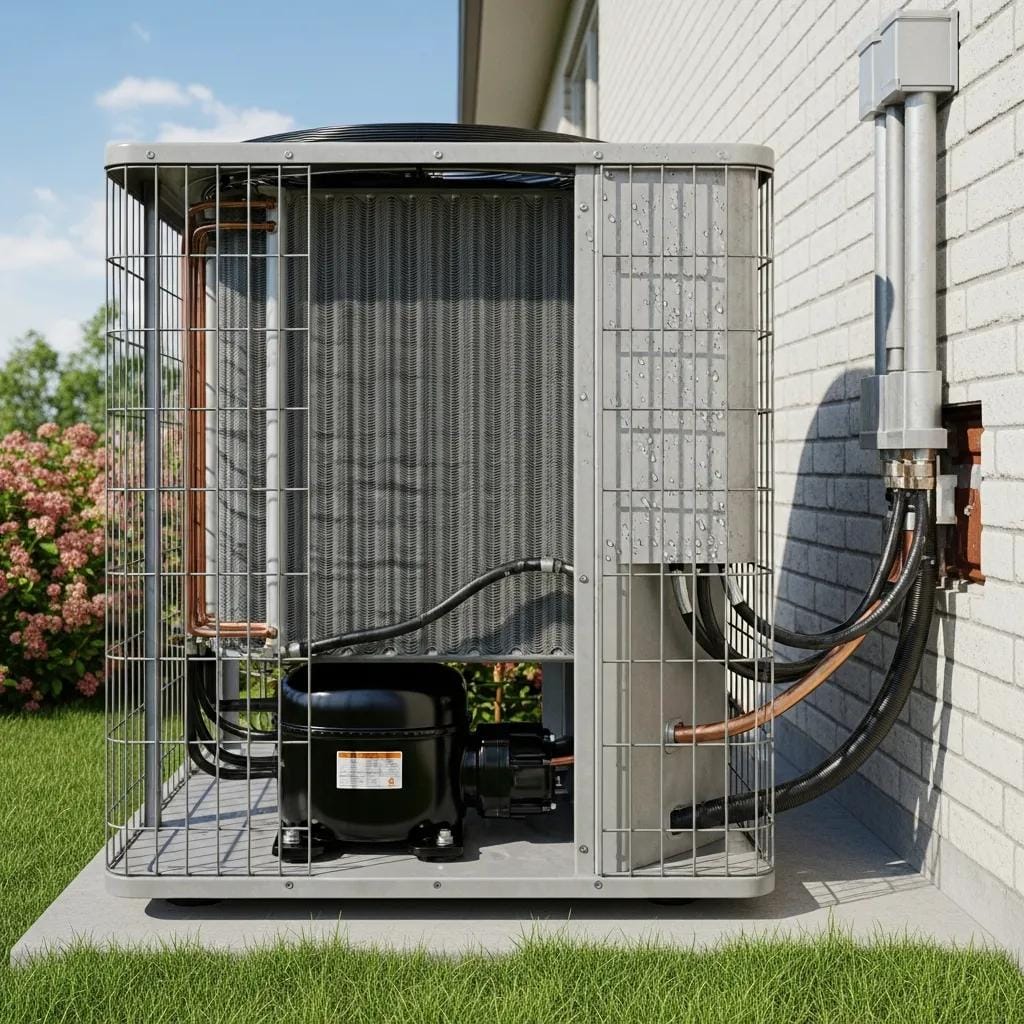
Cooling systems are what make hot weather manageable indoors, but many homeowners do not learn how they work until something stops cooling the way it should. If you are trying to understand HVAC basics, it helps to break the system down into a few beginners components that do most of the work. An air conditioner cools your home by removing heat from indoor air and releasing that heat outside. It is not “making cold air” so much as moving heat from one place to another through a controlled cycle.
Most central air systems include an outdoor unit, an indoor coil, refrigerant lines between them, and an air handler or furnace blower that moves air through the ductwork. When all of these parts work together, the home cools evenly and efficiently. When one part struggles, you can get weak airflow, uneven temperatures, or longer run times that do not seem to match the thermostat setting.
How Does The Air Conditioner Work: Compressor, Coils, And Refrigerant Explained?
The air conditioning process relies on refrigerant, a fluid that circulates through the system and changes state from liquid to gas and back again. That state change is what makes heat transfer possible. The goal is to pull heat out of the indoor air and push it outside, cycle after cycle, until the home reaches the desired temperature.
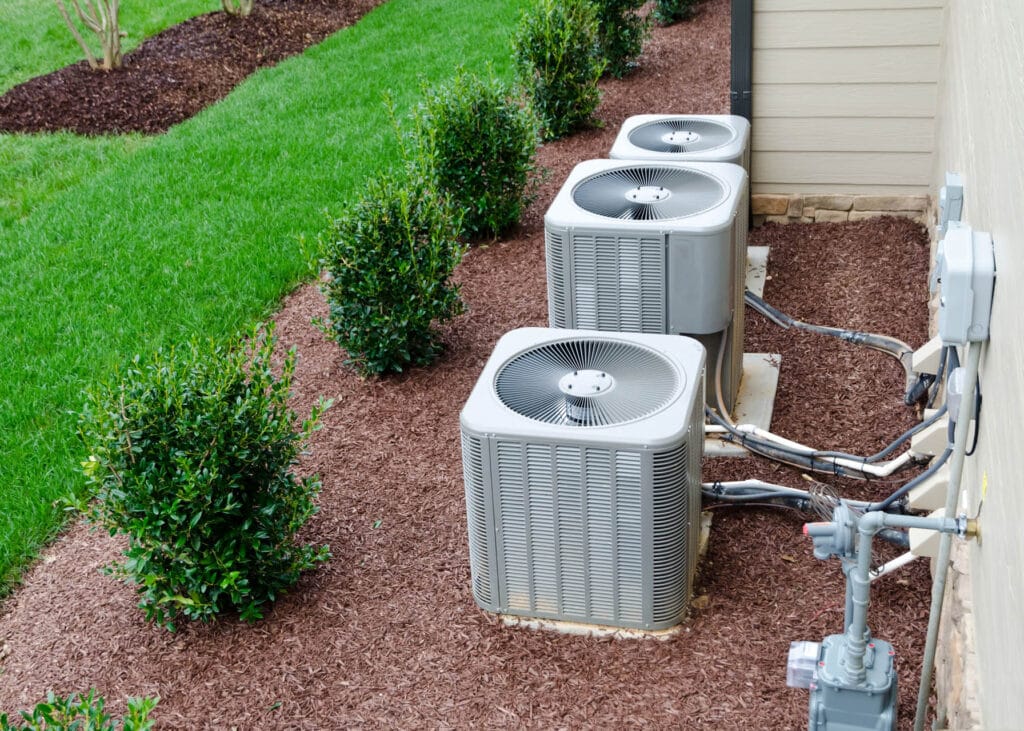
The compressor sits in the outdoor unit and is often described as the heart of the system because it drives refrigerant circulation. It compresses the refrigerant and keeps it moving through the loop. When the system is running, refrigerant flows from the indoor coil to the compressor, then to the outdoor coil, and back again. This loop is what allows heat to be carried out of the home.
Inside, warm indoor air passes over the evaporator coil. As that air moves across the coil, heat is absorbed into the refrigerant. That is why the air coming out of your vents feels cooler. The heat does not disappear. It transfers into the refrigerant and gets carried outside. Outdoors, the system releases that collected heat through the condenser coil. The outdoor fan helps move air across the condenser coil, allowing the heat to dissipate into the outside air.
For homeowners learning beginners components, the simplest way to remember the cycle is this: the indoor coil absorbs heat, the outdoor coil releases heat, and the compressor keeps refrigerant moving so the process continues.
What Is The Function Of The Evaporator And Condenser Coils?
The evaporator coil is the indoor coil, and its job is heat absorption. It sits inside the indoor unit, typically near the blower that circulates air through the ducts. As warm air from your home passes over the evaporator coil, the refrigerant inside the coil absorbs that heat. This is also where moisture removal happens. When warm, humid air hits a cold coil, condensation forms and drains away, which is why air conditioning can make a home feel less sticky in addition to lowering the temperature.
The condenser coil is located in the outdoor unit and handles heat release. After the refrigerant has absorbed heat inside, it carries that heat outside to the condenser coil. The outdoor fan moves air across the coil so the heat can be released into the outdoor environment. Once the refrigerant sheds that heat, it can cycle back indoors to collect more heat.
Coils are effective, but they also depend on cleanliness and airflow. A dirty evaporator coil can reduce cooling performance because the system has a harder time absorbing heat. A dirty condenser coil can reduce the system’s ability to release heat outdoors, which often leads to longer run times and higher energy use. Even though coils are not something most homeowners clean themselves, it helps to understand how they fit into the cooling cycle. That knowledge makes it easier to recognize why maintenance matters.
Why Understanding These Beginners Components Helps With Troubleshooting
When cooling feels weak, it is tempting to assume the entire air conditioner is failing. In reality, issues often relate to airflow, dirty coils, thermostat settings, or restricted filters. If the system is running but the home is not cooling, that can point to a problem in the heat-transfer process involving the compressor, refrigerant movement, or coil performance. If the air feels cool but barely moves, the issue may be more about the blower or ductwork than the cooling equipment itself.
By understanding these beginners components, you can describe symptoms more clearly and make smarter decisions about maintenance. Cooling systems work best when refrigerant can move freely, coils can transfer heat efficiently, and airflow remains steady through the home. When those fundamentals are in place, your system has a much easier job keeping indoor spaces comfortable in hot weather.
How Does Air Distribution And Quality Affect HVAC Performance?
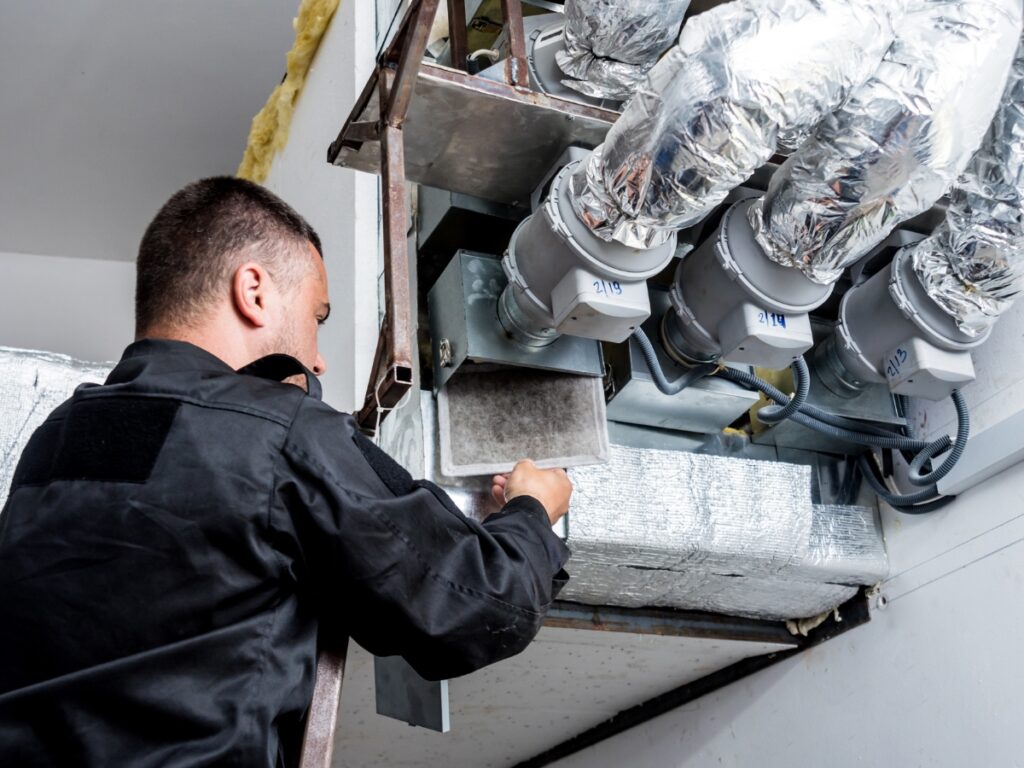
Even if your heating and cooling equipment is in good shape, your HVAC system will not perform well if air cannot move through the home properly. Air distribution and air quality are the behind-the-scenes factors that determine whether rooms feel evenly comfortable, energy use stays reasonable, and the system runs without unnecessary strain. For homeowners learning the basics, it helps to understand these beginners components because airflow problems can look like equipment failure when the real issue is how air is moving.
In simple terms, HVAC performance depends on two things happening at the same time. Conditioned air has to be delivered where it is needed, and the system has to pull enough air back in to keep the cycle going. When airflow is restricted, the system may run longer, struggle to reach the thermostat setting, or create hot and cold spots around the house. Air quality matters too because dust and debris can clog filters, reduce airflow, and contribute to indoor irritation.
What Is The Role Of Ductwork, Vents, And Air Handlers?
Ductwork is the pathway that carries heated or cooled air through your home. It is essentially a network of tubes, usually hidden behind walls, in ceilings, or in attics and crawl spaces. When ducts are well-designed and properly sealed, air can move efficiently from the HVAC unit to each room and back again. When ducts are leaky, crushed, or poorly sized, air can get lost before it reaches living areas, which can make the system feel weak even when it is running.
Vents are the visible openings in each room. Supply vents deliver conditioned air into the space, and return vents pull air back to the system so it can be heated or cooled again. Both matter. A common issue is focusing only on supply vents while ignoring returns. If returns are blocked by furniture or closed doors, airflow can become unbalanced, and the system may struggle to circulate air properly. That can lead to rooms that feel stuffy, uneven temperatures, and longer run times.
Air handlers are the parts of the system that move air. In many homes, the air handler includes the blower motor and components that push air through the ducts. If airflow feels weak across the home, the air handler, the duct condition, and the filter are often the first places to consider. These are key beginners components because they affect comfort across the whole house, not just one room.
How Do Air Filters Improve Indoor Air Quality?
Air filters are designed to catch particles like dust, pollen, and pet dander before they circulate through the system and into your living spaces. By trapping those particles, filters help improve indoor air quality and protect internal components from buildup. That protection matters because when dust collects inside the system, performance can drop and maintenance needs can increase.
Filter condition also affects efficiency. When a filter is overloaded, it restricts airflow. Less airflow means the system has to work harder to deliver the same comfort, which can increase energy use and make the system run longer. In some cases, restricted airflow can contribute to heating or cooling issues that feel like a bigger mechanical problem. Regular filter changes support both air quality and system performance, which is why filters are one of the most important beginners components to understand and maintain.
Air distribution and air quality work together. When ducts, vents, air handlers, and filters are all supporting steady airflow, the HVAC system is more likely to keep temperatures balanced and run efficiently. For most homeowners, learning these basics makes it easier to spot small issues early, maintain comfort, and avoid problems that start as airflow restrictions and grow into bigger headaches later.
What Control And Electrical Components Are Key To HVAC Systems?
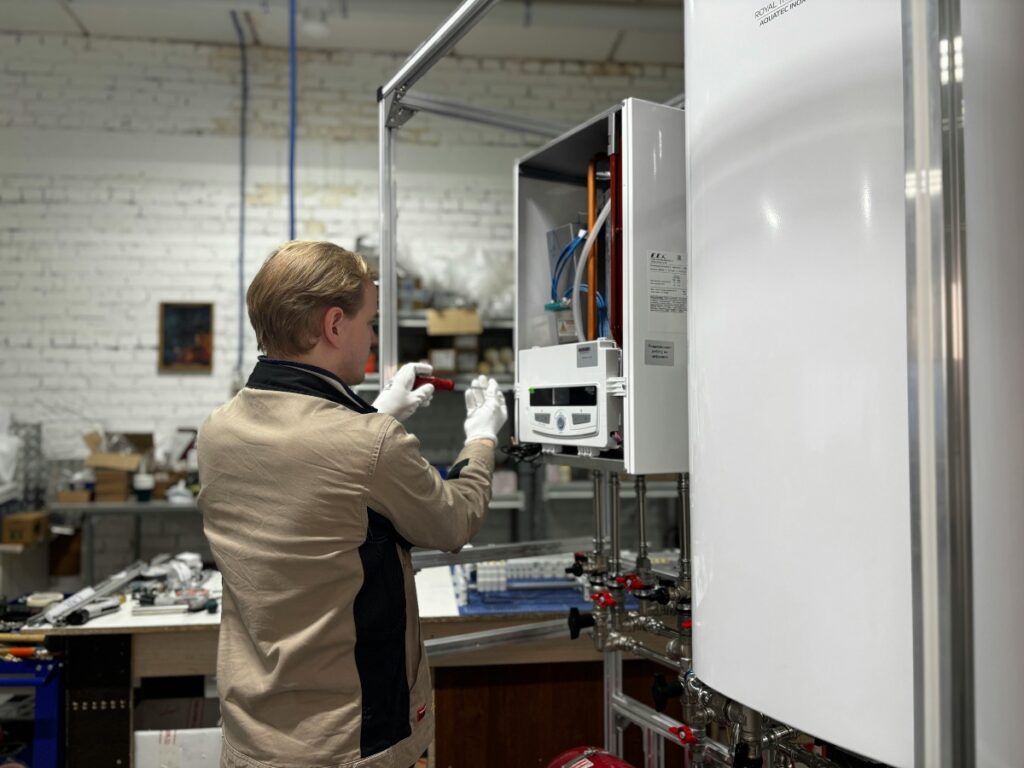
HVAC systems can look complicated from the outside, but much of what makes them run comes down to a few control and electrical parts working in sync. These beginners components are what allow the system to start, stop, and respond to temperature changes without you having to think about it. When something electrical fails, the system may not turn on at all, may shut off unexpectedly, or may run without delivering the comfort you expect.
Understanding the basics helps you make sense of common problems. It also helps you communicate clearly if you ever need a repair. You do not need to touch wiring or diagnose live electrical issues yourself, but knowing what these components do can explain why a small part can cause a big disruption.
How Do Thermostats, Capacitors, And Wiring Work Together?
The thermostat is the command center. It measures the indoor temperature and sends a signal when the home is too warm or too cool based on your setting. That signal travels through wiring to the HVAC equipment, telling it to start a heating or cooling cycle. In many homes, the thermostat also controls the fan, which is why you may see settings like “auto” and “on” for airflow.
Once the system receives the thermostat signal, electrical power has to activate motors and, in cooling mode, the compressor in the outdoor unit. This is where capacitors come in. Capacitors store and release electrical energy that helps start and run motors. In many systems, you will find a start capacitor, a run capacitor, or a dual capacitor that supports more than one component. When a capacitor is weak or failing, the motor may struggle to start, run loudly, or shut off intermittently.
Wiring ties everything together. It carries low-voltage signals from the thermostat and also supports higher-voltage power connections that run major components. Good wiring and secure connections are essential because even a loose connection can cause inconsistent performance. When these beginners components work properly, the system cycles smoothly and responds quickly to thermostat settings. When one piece fails, the symptoms can be confusing, which is why it helps to understand the overall relationship between control signals, stored energy for motors, and the connections that deliver power.
What Are Common Electrical Issues And Maintenance Tips?
Electrical problems in HVAC systems often show up as sudden failures. A system that will not start may be dealing with a tripped breaker, a blown fuse, or an issue with the thermostat signal. Short cycling, which is when the system turns on and off quickly, can sometimes be connected to electrical issues, though airflow and sensor problems can also play a role.
Faulty wiring is another common issue. Over time, vibration, corrosion, or wear can loosen connections. When that happens, the system may behave inconsistently, especially during heavy use in hot or cold weather. Capacitors are also frequent failure points, particularly in older systems or systems that run hard during long summers. A failing capacitor can cause the outdoor unit to struggle, the fan to stop working, or the compressor to fail to start.
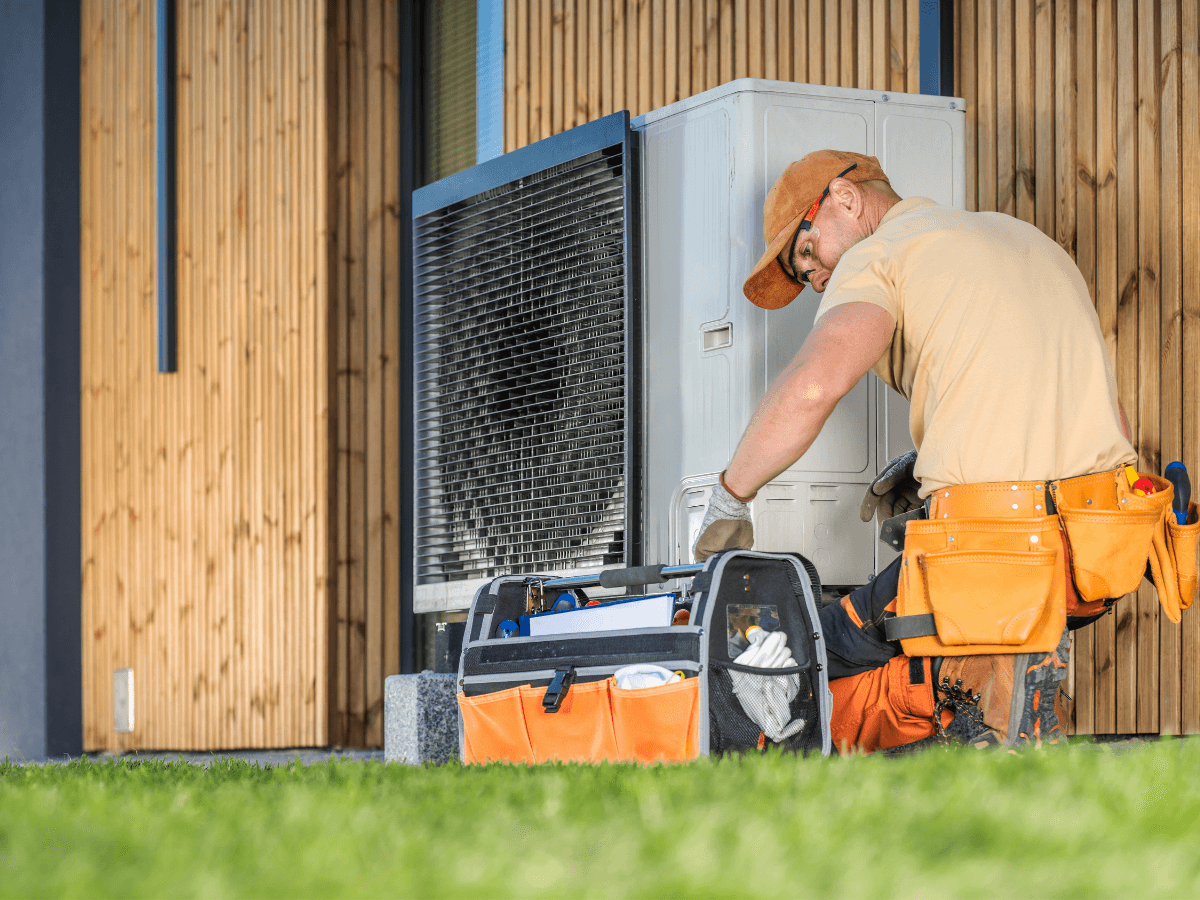
For basic maintenance, focus on what is safe and practical. Keep the area around the outdoor unit clear so components do not overheat. Replace filters regularly to support airflow, since restricted airflow can make electrical components work harder and increase strain. If you notice burning smells, repeated breaker trips, buzzing sounds, or the system failing to start, those are signs to stop running the unit and have it checked. Electrical parts are not a DIY area for most homeowners, but understanding these beginners components helps you recognize when an issue is likely electrical versus something like a dirty filter or blocked vent.
When thermostats, capacitors, and wiring are functioning correctly, HVAC operation feels effortless. That is why these control and electrical pieces matter. They are small compared to the furnace or air conditioner itself, but they play a major role in keeping the entire system reliable.
How Do All HVAC Components Work Together?
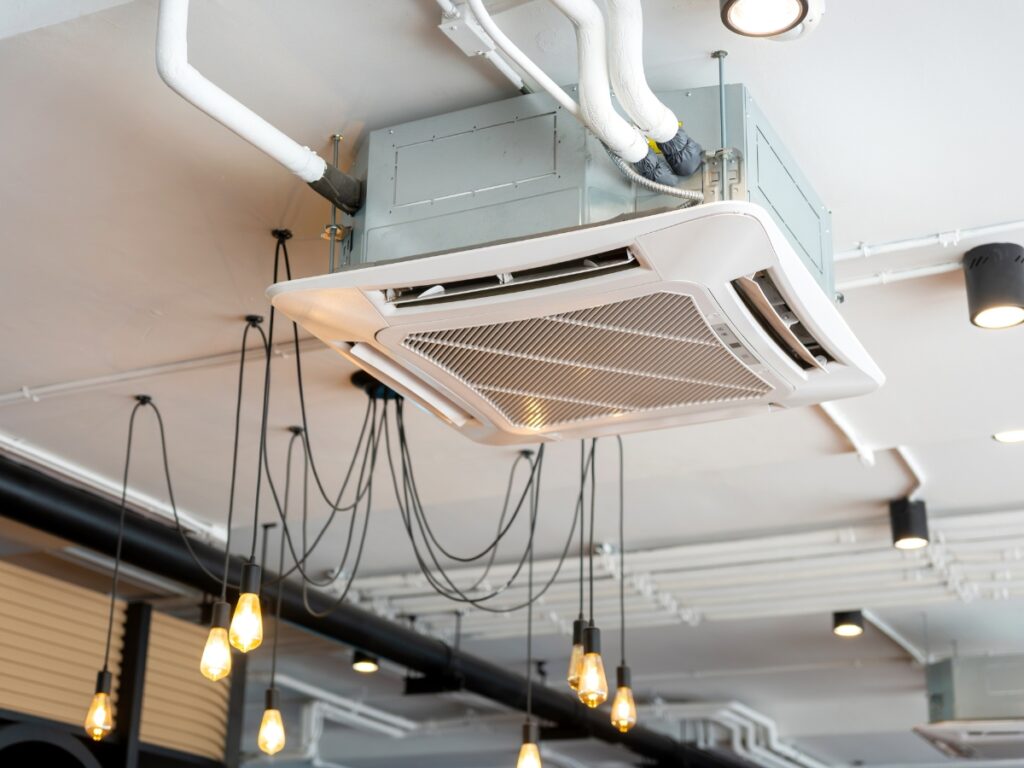
An HVAC system is not one machine doing one job. It is a set of connected parts that depend on one another to heat, cool, and move air reliably. When you understand how the system works as a whole, it becomes easier to recognize what is normal and what is a warning sign. For homeowners learning the basics, the key is knowing the main beginners components and how they work in sequence. If one part falls behind, the entire system can feel less comfortable or less efficient, even if the main equipment is still running.
In most homes, the process begins with the thermostat. It senses the temperature and signals the system to turn on when the home is warmer or cooler than your setting. The heating or cooling equipment then changes the temperature of the air, and the air distribution system delivers that conditioned air to each room. For the system to stay balanced, it also needs return airflow to bring air back to the unit so the cycle can continue. This is why airflow and filtration matter just as much as the furnace or air conditioner itself.
How Do Heating, Cooling, And Air Distribution Components Integrate?
The thermostat coordinates everything. When it calls for heating, the furnace or heat pump begins warming the air. When it calls for cooling, the air conditioner or heat pump removes heat from indoor air through the refrigerant cycle. In both cases, the blower motor pushes air through the system so the conditioned air reaches the rooms that need it.
Ductwork, vents, and returns are what make that comfort feel even throughout the home. Supply vents deliver the heated or cooled air, and return vents pull air back to the system to be conditioned again. If supply vents are blocked, returns are restricted, or filters are clogged, the system has to work harder to move air. That can lead to rooms that never feel quite right, longer run times, and higher energy use. These are core beginners components because they affect daily comfort more than many homeowners realize.
When everything is working correctly, the system cycles on, reaches the set temperature, and cycles off. It should not struggle for hours, make new noises, or create sudden temperature swings from room to room. If those symptoms appear, the problem is often in how the components are working together rather than a single obvious failure.
What Are Common Component Issues And When To Bring In A Pro?
The most common complaints usually fall into a few patterns. Inadequate heating or cooling can happen when airflow is restricted, refrigerant levels are off, sensors are failing, or internal parts like capacitors and motors are wearing out. Strange noises can be linked to loose components, blower issues, or problems in the outdoor unit. Poor air quality is often tied to filtration, dirty coils, or airflow problems that keep dust and irritants circulating.
If you notice the system tripping breakers, refusing to start, or cycling on and off frequently, it is a good time to stop running it and have it evaluated. Those symptoms can point to electrical issues, overheating, or compressor strain. It is also smart to call for help if you smell burning, see ice buildup on the system, or notice water pooling where it should not be.
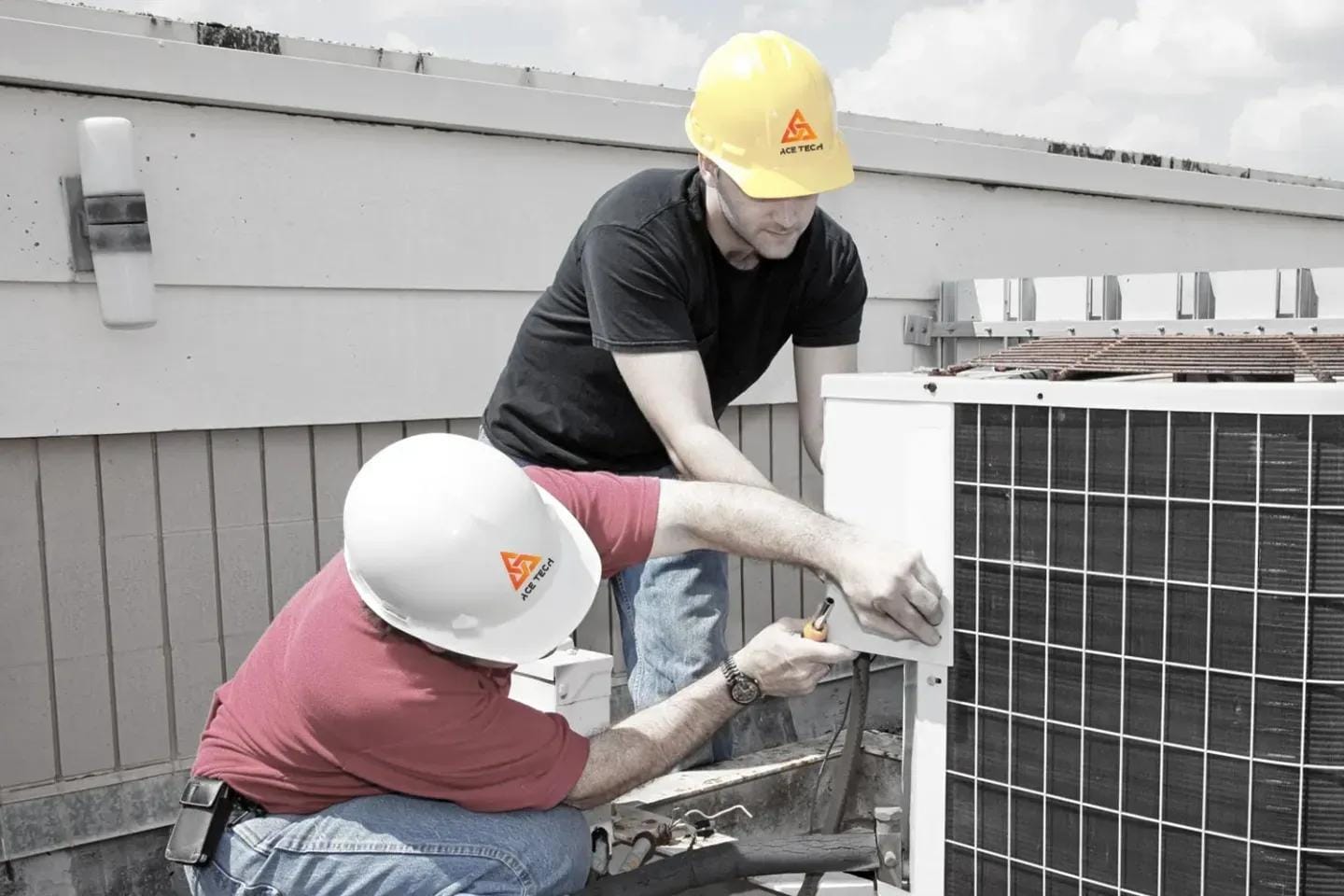
Ace Tech HVAC supports Metro Atlanta homeowners and businesses with repair and service backed by more than thirty years of experience. They are known for fast, same-day service, which can be especially helpful when comfort issues turn urgent. When a system problem involves multiple beginners components working out of sync, a professional diagnosis can save time by identifying the true cause rather than guessing based on symptoms.
Unlocking the HVAC Components: A Homeowner's Guide
Understanding the basic components of your HVAC system is the first step toward becoming an informed homeowner, capable of recognizing early signs of trouble and communicating effectively with service professionals. While this knowledge is empowering, maintaining the complex interplay of these parts requires expert care.
For professional maintenance, repairs, and installations that keep your system running safely and efficiently, trust the certified technicians at Ace Tech Heating & Cooling. Ready for expert service? Call (404) 369-9100 or get a free quote through our site form today. Let us ensure your comfort is in reliable hands.