Deciding whether to invest in a whole-home humidifier installation involves weighing significant benefits for comfort, health, and home preservation against the upfront cost and maintenance. For households in drier climates or those struggling with static electricity, dry skin, and respiratory irritation during winter months, a whole-house system can provide consistent, balanced humidity levels throughout every room.
This guide explores how whole-home humidifiers work, their advantages over portable units, and key factors to consider—from initial installation to ongoing costs—helping you determine if indoor air quality humidifiers are a worthwhile investment for your indoor air quality and overall well-being.
Indoor Air Quality Humidifiers Designed for Whole Home Use
Why Install a Whole-Home Humidifier for Your Atlanta Home?
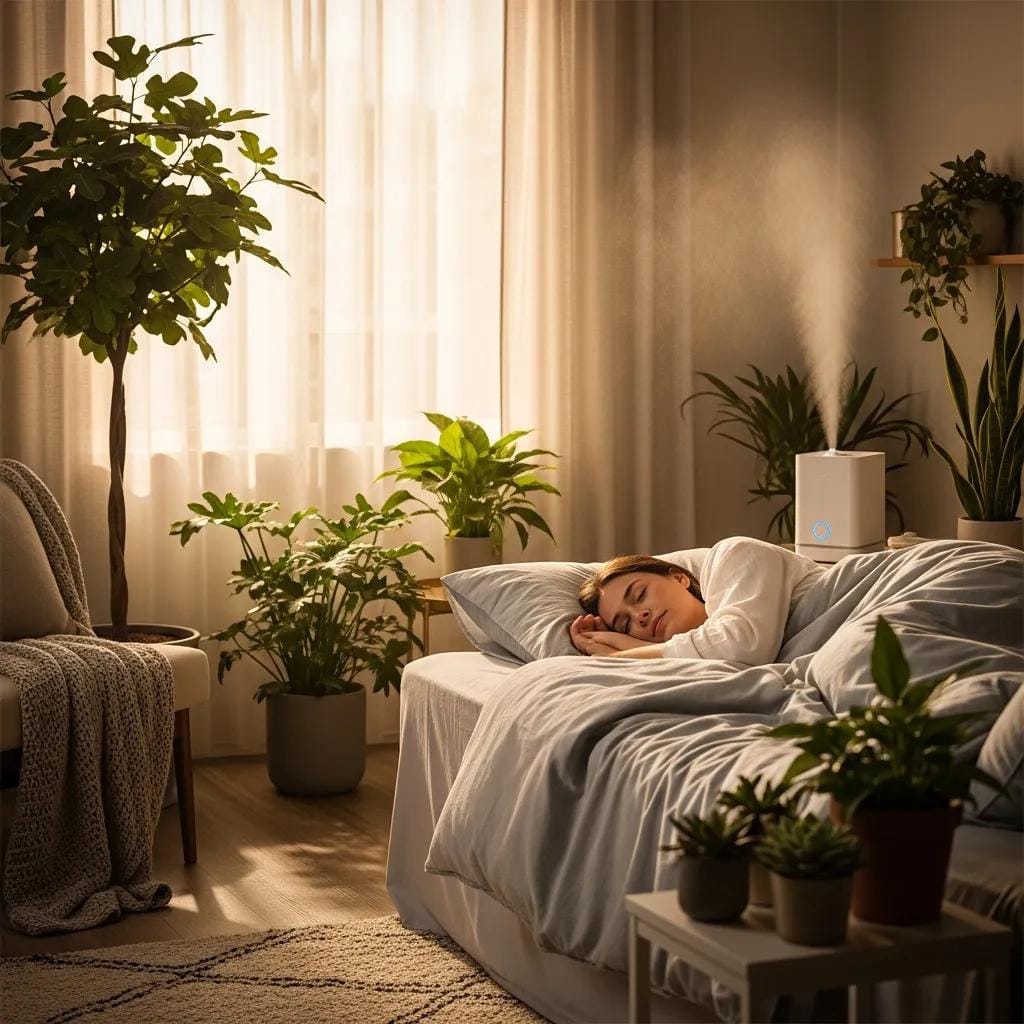
Dry indoor air is easy to ignore until it starts showing up in ways you cannot miss. You may notice scratchy throats in the morning, dry skin that does not improve, or a house that feels colder than the thermostat says it should. In many Atlanta homes, indoor air can become drier during the heating season because warm air reduces relative humidity, and HVAC systems cycle frequently. A whole-home humidifier helps stabilize that humidity level throughout the house, which can make day-to-day living feel more comfortable and reduce some common seasonal annoyances.
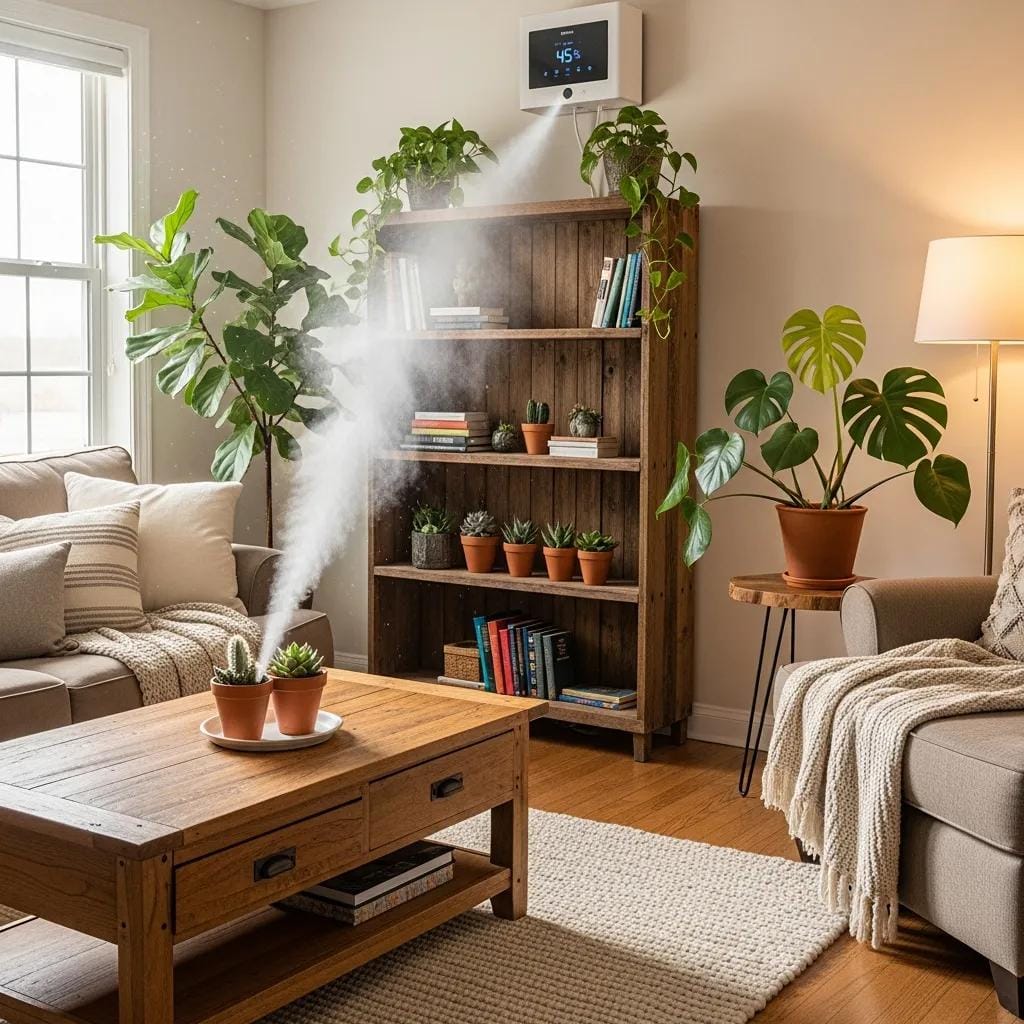
If your goal is better indoor air quality humidifiers can play a bigger role than people expect. Humidity affects how air feels, how your body responds, and how dust and allergens behave indoors. Instead of adding moisture room by room with portable units, a whole-home system supports consistent humidity across multiple rooms and helps keep conditions more stable. When it is properly sized and set up, it can provide a noticeable improvement without turning your home into a damp environment.
What Are The Health And Comfort Benefits Of Balanced Indoor Humidity?
Balanced humidity supports comfort first. When air is too dry, your skin can feel tight and irritated, your nose and throat can feel dry, and static electricity becomes more noticeable. Those are small issues on their own, but together they can make a home feel less comfortable than it should. Humidity also affects how warm air feels. Air with a healthier moisture level can feel warmer at the same temperature, which can reduce that constant urge to bump the thermostat up.
From a health perspective, maintaining indoor humidity at a moderate level can support your respiratory system. Dry air can irritate nasal passages and make it easier for you to feel congested or uncomfortable, especially if you are already sensitive to seasonal allergies. It can also make it harder for your body’s natural defenses in the nose and throat to do their job. While a humidifier is not a cure-all, it can be a helpful part of creating an indoor environment that feels easier to breathe in during drier months.
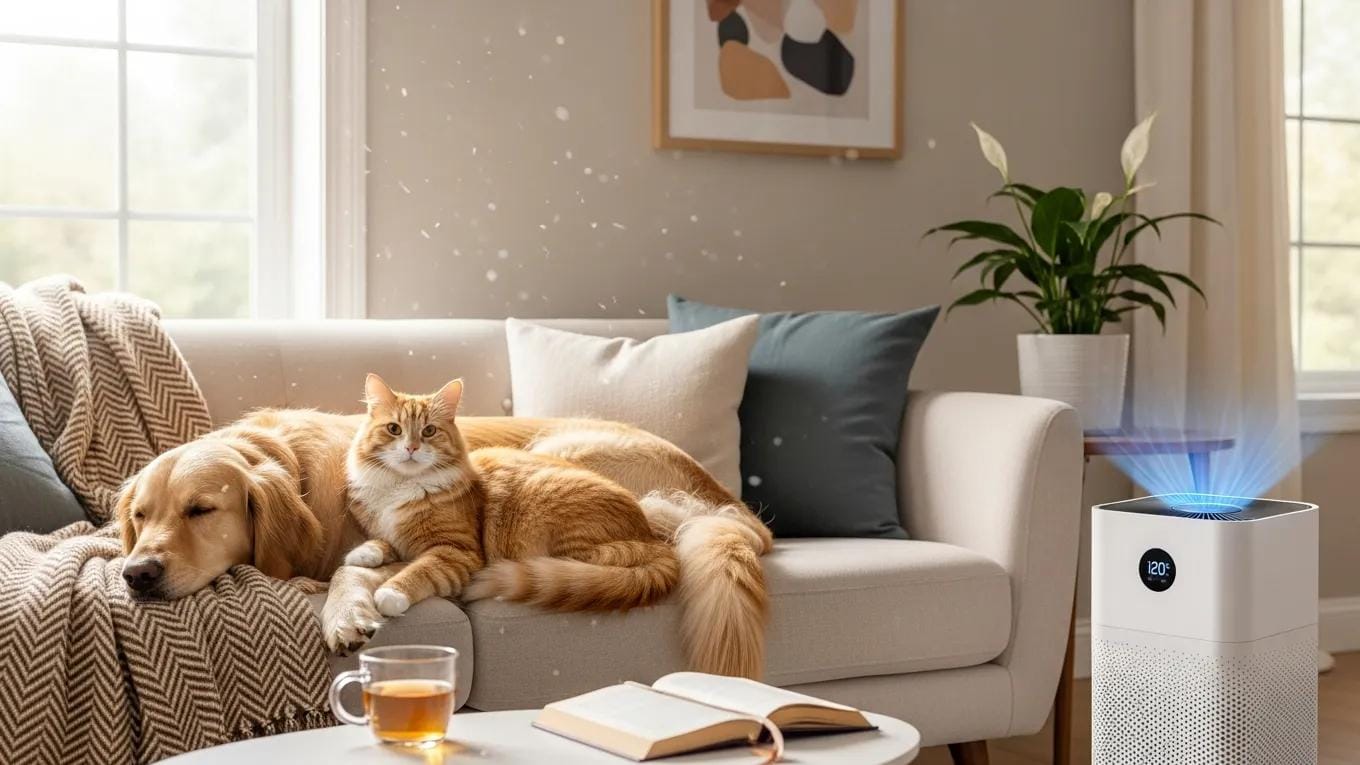
This is where indoor air quality humidifiers fit into a bigger picture. A humidifier cannot remove pollutants the way a filter can, but it can make the air feel less harsh and help create conditions that support comfort. For many households, that difference shows up as fewer dry-air symptoms and a home that feels more pleasant throughout the day.
How Does A Humidifier Protect Wood Furnishings And Home Interiors?
Humidity does not only affect people. It affects your home too. Wood is especially sensitive to changes in moisture, and when indoor air becomes too dry, wood can shrink. Over time, that can lead to gaps in hardwood flooring, cracking in trim, and damage to furniture and cabinetry. Some homeowners notice doors sticking differently from season to season, or floors that creak more than usual. In many cases, fluctuating humidity is part of the reason.
A whole-home humidifier helps reduce those swings by keeping moisture levels more consistent. That stability can help protect wood materials from drying out and shifting as dramatically. It is not only about appearance. It is also about preserving the fit and function of interior features that are expensive to repair or replace.
If you are investing in wood floors, built-in cabinetry, or quality furniture, a humidifier can be part of protecting that investment. For many Atlanta homeowners, the value is practical: fewer seasonal changes that affect how the home looks and feels, and less risk of long-term wear caused by repeated drying.
When you combine comfort benefits with protection for your interior finishes, it is easier to see why indoor air quality humidifiers are often considered a smart upgrade. They help create a more stable living environment, which can make your home feel better to live in and help your materials last longer.set up correctly to maximize these benefits.
What Types of Whole-Home Humidifiers Does Ace Tech HVAC Install?
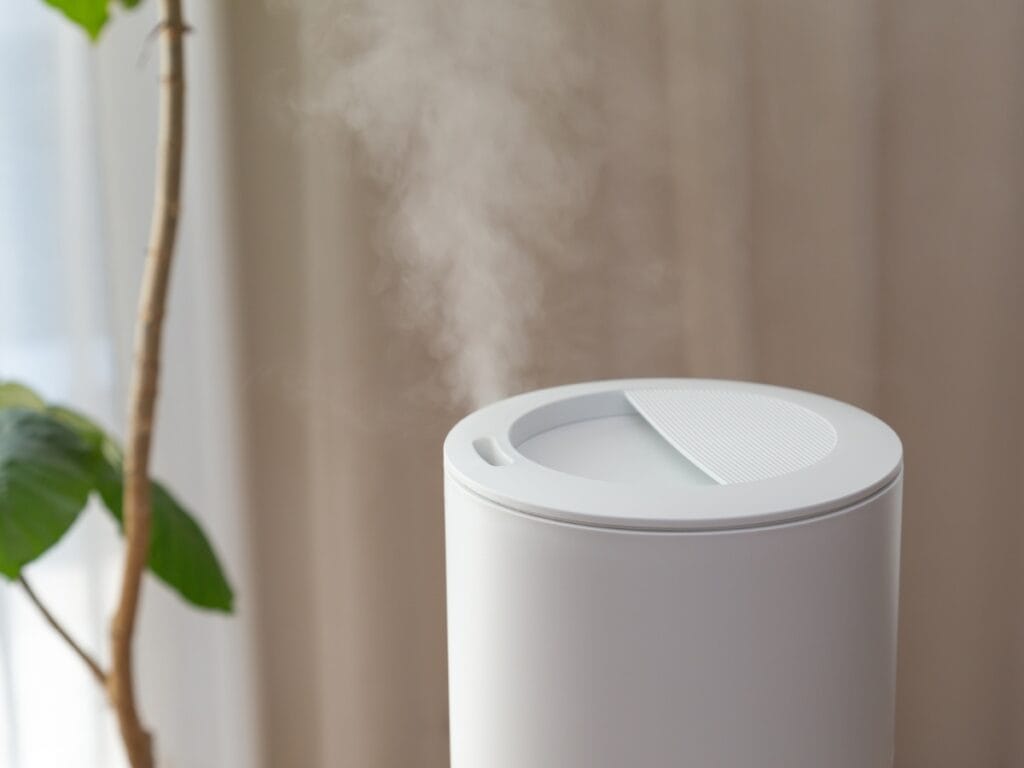
If you are looking into indoor air quality humidifiers, it helps to know that whole-home humidifiers are not all built the same. The right type depends on your home’s size, how your HVAC system runs, how dry the air feels during the heating season, and how much control you want over humidity. Some homeowners want a simple solution that keeps things comfortable without much upkeep. Others prefer a system that can raise humidity more quickly or maintain tighter control, especially in larger homes.
Ace Tech HVAC installs several common whole-home humidifier types, including bypass, fan-powered, and steam units. Each has strengths, and none is automatically “best” for every home. The most important thing is matching the equipment to the way your system operates, because performance depends heavily on proper sizing and installation.
What Are The Features And Benefits Of Bypass Humidifiers?
Bypass humidifiers are one of the most common choices because they are straightforward and typically more budget-friendly than other whole-home options. They connect to your HVAC system and use the airflow from the furnace or air handler to move moisture through the ductwork. In simple terms, the unit adds humidity to the air as it circulates, helping reduce that dry, uncomfortable feeling that can show up during the heating season.
For many households, bypass humidifiers strike the right balance between comfort and simplicity. They tend to be energy-efficient because they do not rely on an internal fan or heating element. Maintenance is usually manageable as well, since the unit is designed to work with your existing system instead of operating as a separate piece of equipment. If you are exploring indoor air quality humidifiers mainly to reduce dry-air symptoms and improve overall comfort, bypass units are often a practical starting point.
That said, bypass performance depends on your HVAC system running regularly. If your system cycles less often or if the home needs a quicker humidity boost, another type may be a better fit. This is why the “best” humidifier is often tied to how your specific system behaves, not just the model itself.
How Do Fan-Powered And Steam Humidifiers Compare For Metro Atlanta Homes?
Fan-powered humidifiers build on the bypass concept by adding a built-in fan to help move moisture more effectively. Because they are not relying only on the HVAC airflow, they can distribute humidity more consistently, which can be helpful in larger homes or layouts with longer duct runs. If certain rooms tend to feel drier than others, fan-powered units may improve balance across the house.
Steam humidifiers work differently. Instead of relying on an evaporative pad, they boil water to create steam, which is then introduced into the airflow. The main advantage is speed and output. Steam systems can raise humidity quickly and maintain higher levels when needed, which can be helpful if the air feels consistently dry or if you want tighter control. They are also often paired with more precise controls, which can support comfort while helping avoid over-humidifying.
The tradeoff is that steam units tend to cost more upfront and can use more energy because they heat water. They may also have different maintenance needs than evaporative systems. For many homeowners, the decision comes down to priorities. If you want a simple solution that supports comfort with lower complexity, bypass or fan-powered systems can make sense. If you want the strongest humidity performance and faster response, steam is often the most capable option.
Choosing The Right Humidifier For Your Indoor Air Quality Goals
Whole-home indoor air quality humidifiers can make a noticeable difference, but the type you choose should match your home’s needs and your expectations. Bypass units are reliable and efficient for many homes. Fan-powered units offer stronger distribution, which can help in larger spaces. Steam units deliver the fastest and most powerful humidity control when higher output is needed. When the equipment is sized correctly and installed well, the result is steadier humidity, more comfort, and a home that feels better to live in during drier months.
How Does the Ace Tech HVAC Whole-Home Humidifier Installation Process Work?
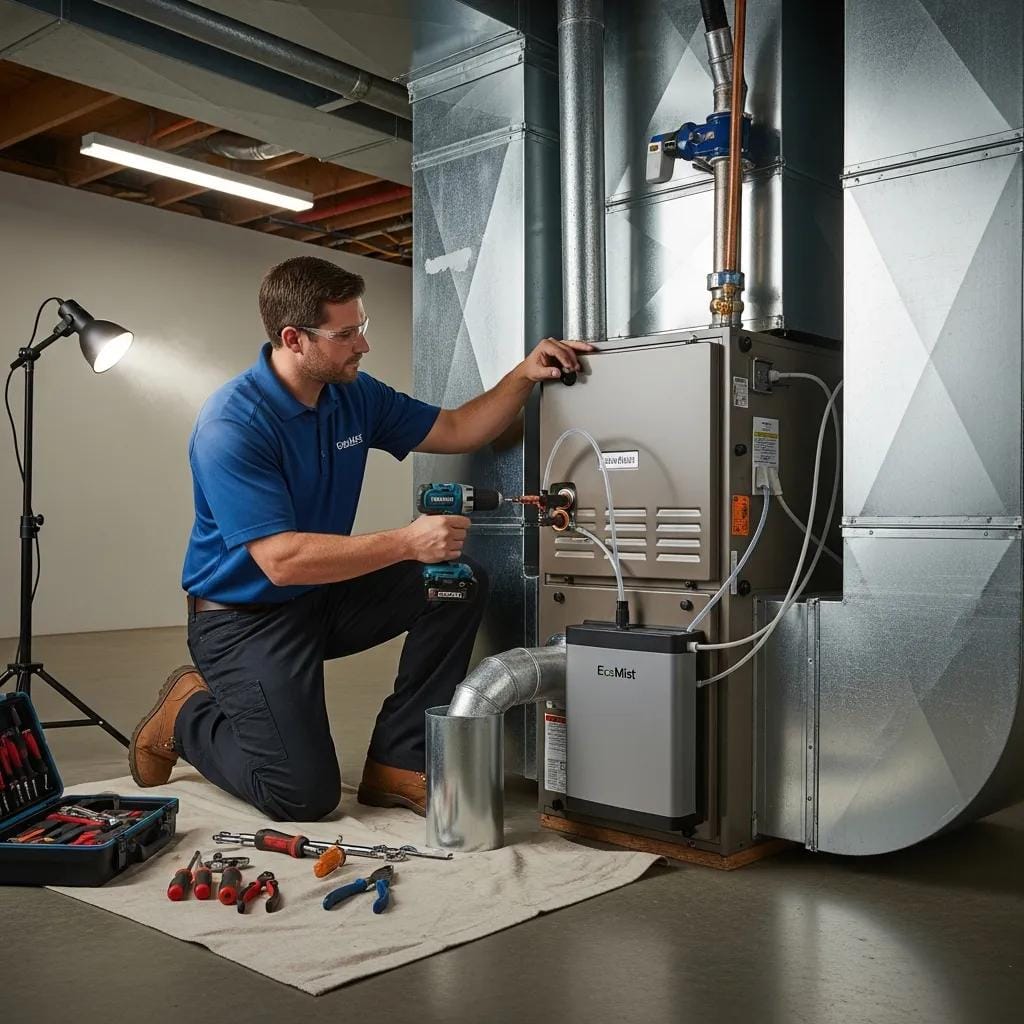
Whole-home humidifiers are designed to run quietly in the background, improving comfort without calling attention to themselves. That only happens, though, when the system is installed correctly and matched to the home. A humidifier that is undersized, poorly connected, or set up without proper controls can create problems like uneven humidity, water leaks, or a system that never seems to make a difference. If you are researching indoor air quality humidifiers, understanding the installation process can help you know what to expect and why professional setup matters.
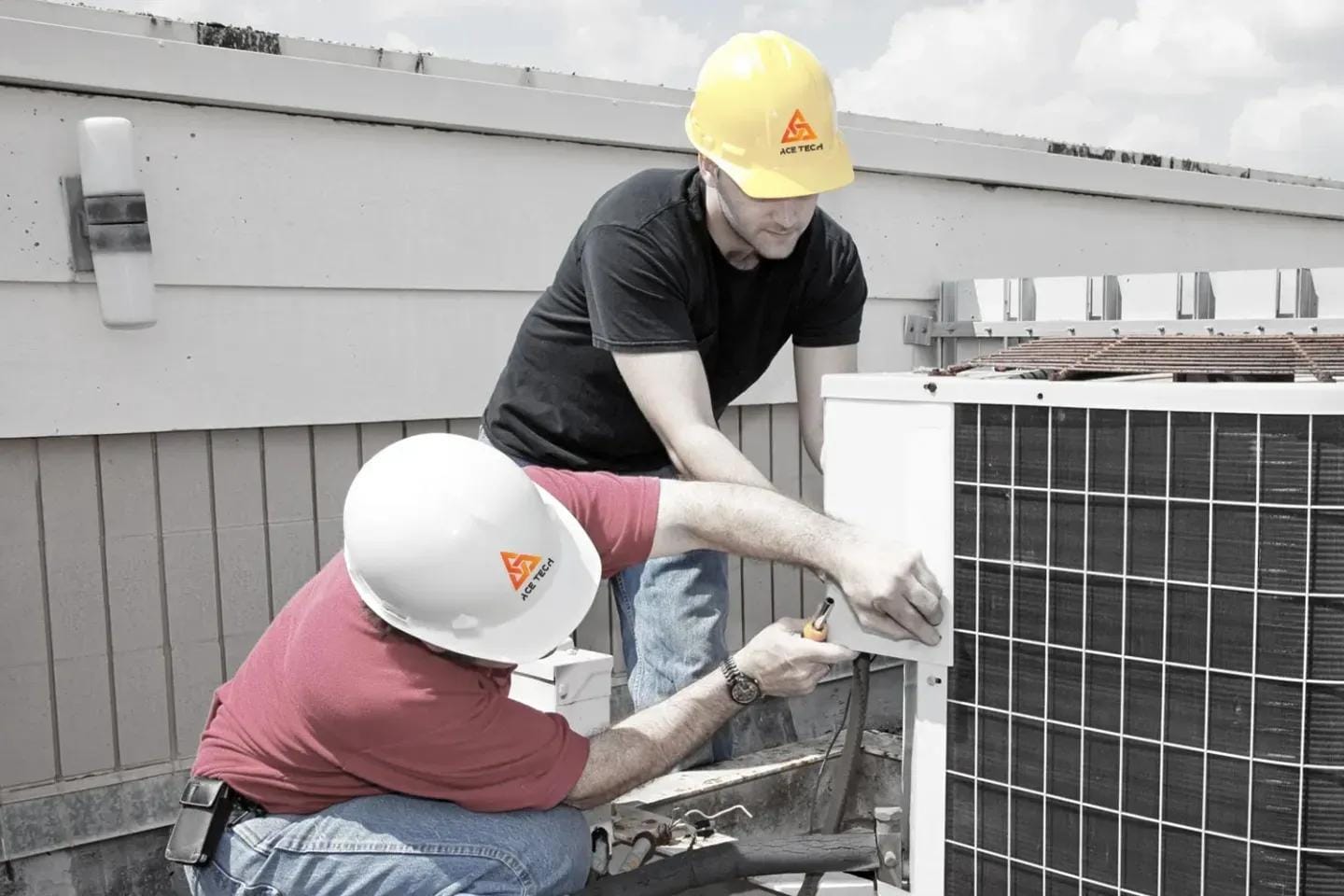
With Ace Tech HVAC, the installation process is typically structured to keep things efficient while still being thorough. The goal is not just to attach a unit to ductwork. It is to make sure the humidifier is compatible with the HVAC system, placed correctly, supplied with water safely, and tested so it performs as intended across the home.
What Steps Are Involved From Consultation To Post-Installation Testing?
The process usually starts with a consultation and a basic assessment of your home and HVAC setup. This is where the installer looks at the system type, duct layout, and how the home tends to feel during the heating season. They may also ask about common issues you have noticed, such as dry skin, static, frequent sore throats, or wood floors that gap in winter. Those details help guide the humidifier type and size, which is one of the most important factors in performance.
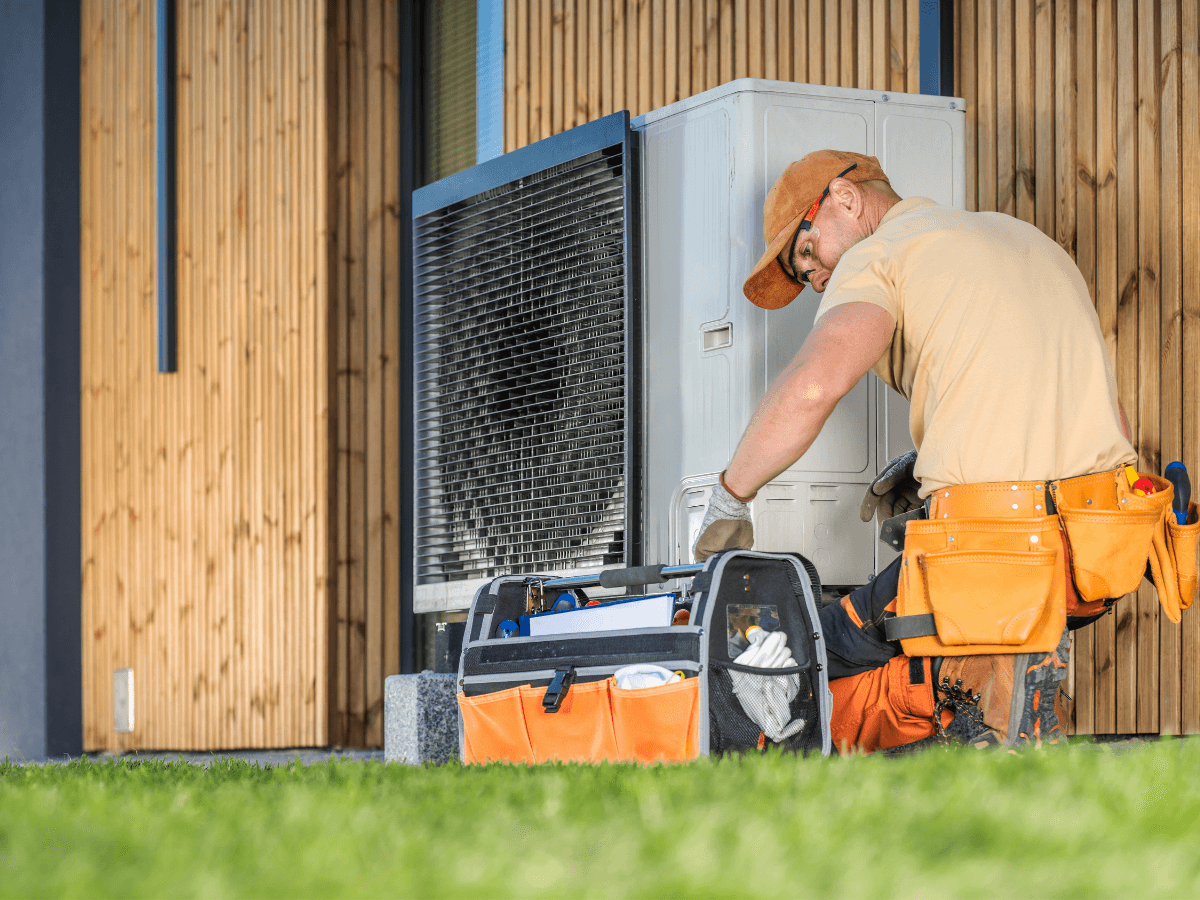
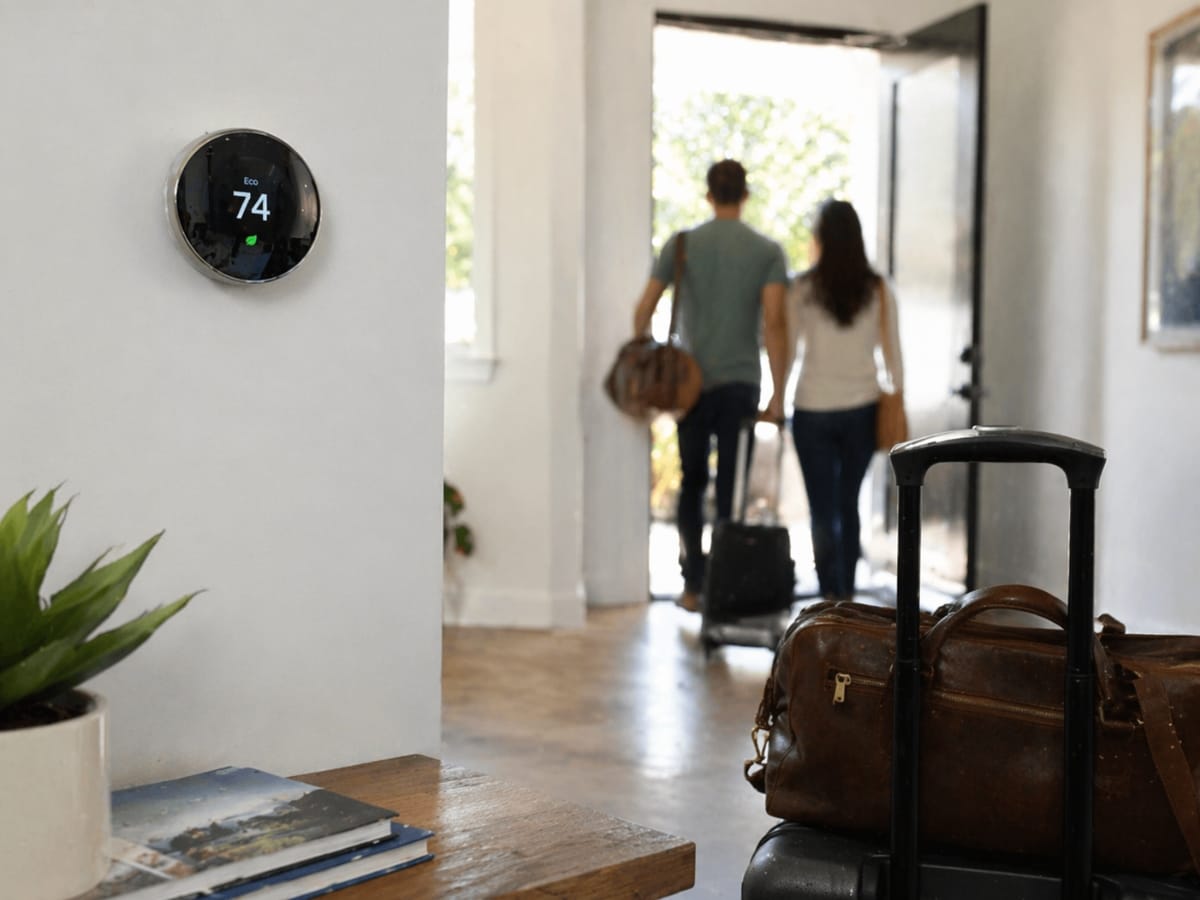
After the assessment, the humidifier is installed and connected to the HVAC system. Depending on the humidifier type, this can involve mounting the unit on the ductwork, tying it into the water supply, and setting up a drain line to manage excess water. The controls matter here as well. Some systems use a humidistat that monitors humidity and adjusts output automatically. Others may integrate with existing thermostat controls. A proper control setup helps prevent over-humidifying, which can lead to condensation on windows or moisture issues in the home.
Once the physical installation is complete, post-installation testing ensures everything is working correctly. This step is often where homeowners see the difference between a basic install and a professional one. Testing typically includes checking for water leaks, confirming proper drainage, verifying that the unit activates when the HVAC system runs, and making sure humidity output is responding to the control settings. The installer may also review basic operation and maintenance so you know what to monitor as the seasons change.
When indoor air quality humidifiers are installed and tested the right way, the improvements tend to feel consistent and natural. The home is not suddenly “humid.” It just feels less dry and more comfortable.
Why Choose Licensed And Insured Experts For Your Humidifier Installation?
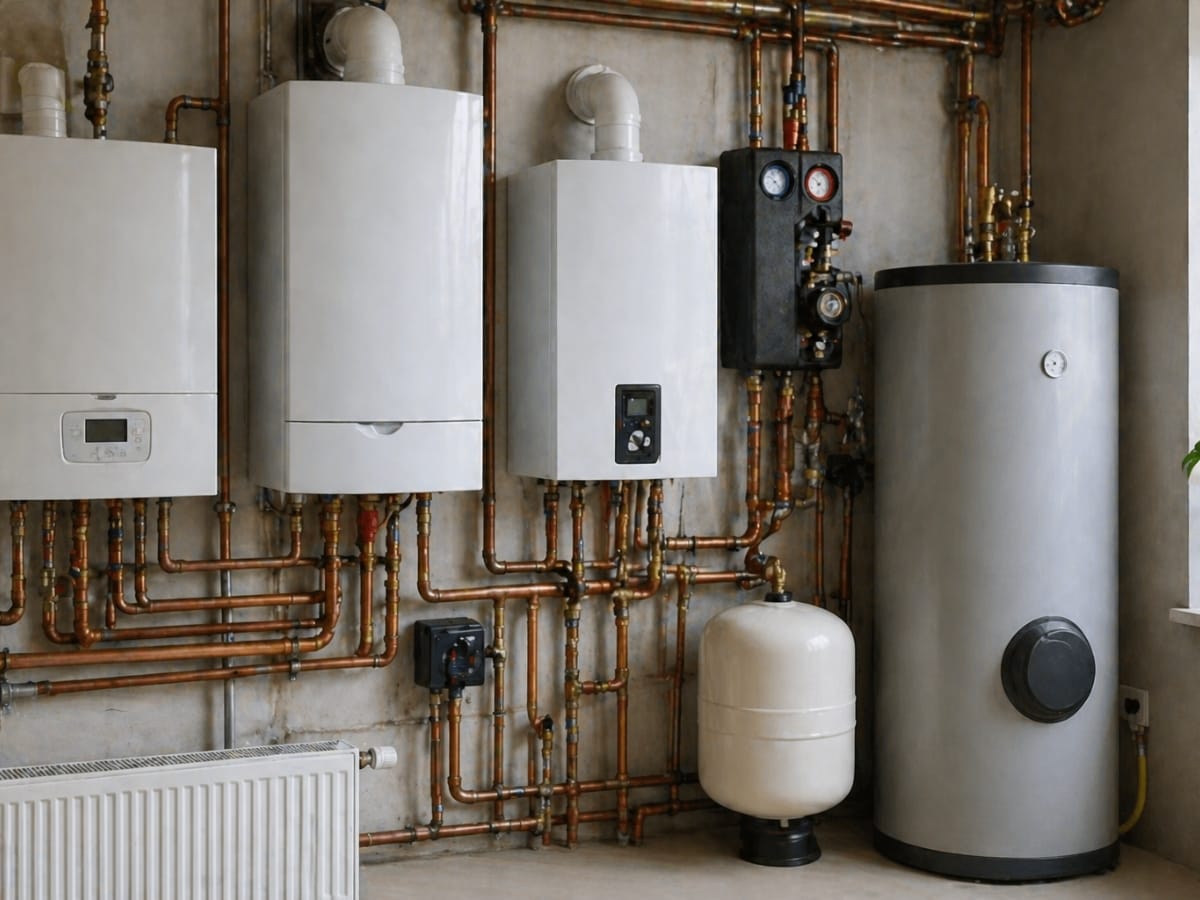
A whole-home humidifier is connected to multiple systems at once, including ductwork, electrical components, and plumbing. Because of that, the installation needs to be done safely and in a way that avoids future problems. Licensed and insured professionals are trained to follow local code requirements and standard safety practices, which helps reduce risks like incorrect wiring, improper water line connections, or drainage issues that can cause damage over time.
Professional installation also protects performance. Even a high-quality unit will not deliver the intended comfort benefits if it is installed in the wrong location, connected incorrectly, or paired with the wrong control settings. That is especially important for indoor air quality humidifiers, since the goal is steady humidity that supports comfort without introducing excess moisture. Proper setup helps the system run efficiently, reduces avoidable maintenance issues, and gives homeowners more confidence that the upgrade will actually improve the way the home feels.
When the installation process includes a clear assessment, careful setup, and real testing, a whole-home humidifier becomes a practical improvement rather than a trial-and-error experiment.
Optimizing Whole-Home Humidifier Installation for Atlanta
If you are considering a whole-home humidifier, cost is usually one of the first questions, and for good reason. A humidifier is not just a stand-alone appliance. It connects to your HVAC system and water supply, and it needs to be installed in a way that keeps humidity consistent without creating moisture problems. When people look into indoor air quality humidifiers, they are often trying to solve real comfort issues like dry skin, scratchy throats, and static electricity, but they also want to know what the upgrade will realistically cost.
In Atlanta, whole-home humidifier installation commonly falls within a broad range because homes and systems vary so much. Many homeowners can expect a total cost somewhere between $1,000 and $3,000, depending on the equipment type and the installation requirements. That range is not a guarantee or a quote, but it is a helpful starting point for budgeting.
Which Factors Influence Installation Pricing And Equipment Selection?
The biggest cost driver is typically the type of humidifier you choose. Basic bypass units are often the most budget-friendly option because they rely on the HVAC system’s airflow and have fewer components. Fan-powered units usually cost more because they include a built-in fan and can distribute moisture more consistently, which may be important for larger homes. Steam humidifiers tend to be the most expensive option because they heat water to produce steam and often include more advanced controls and higher output.
Home size and layout also affect pricing. A larger home may require a higher-capacity unit, and certain duct layouts make installation more complex. For example, older homes or systems with limited access can require additional labor to place the humidifier correctly, run a safe water line, and route a drain line. If the HVAC system is in a tight attic space, a cramped closet, or a difficult-to-access area, installation time can increase.
Another factor is the condition of the existing HVAC system. If the ductwork needs adjustments or if there are issues with airflow, those may need to be addressed to help the humidifier perform properly. Controls also matter. Some setups use a dedicated humidistat, while others integrate with a thermostat. A system with better humidity controls can improve comfort and help prevent over-humidifying, but it may add to the overall cost.
Water quality can play a role as well. In some cases, homeowners choose additional filtration to reduce mineral buildup and extend the life of the humidifier components. That is not always necessary, but it can influence long-term maintenance and performance, especially for indoor air quality humidifiers that are expected to run consistently during the heating season.
How Can You Get An Accurate Installation Estimate?
The most reliable way to budget is to get an estimate based on your specific home. A good estimate accounts for the humidifier type, placement, labor, and any installation details that affect time and complexity. Sharing a few basics usually helps, such as the home’s approximate size, the type of heating system you have, and any comfort issues you are trying to solve. If you already know whether you want a bypass, fan-powered, or steam unit, that can narrow the range quickly.
It also helps to ask what is included in the estimate, such as post-installation testing, control setup, and cleanup. A whole-home humidifier should be tested after installation so you know it is operating correctly and responding to humidity settings as intended.
For homeowners comparing indoor air quality humidifiers, pricing should not be the only factor. The right fit is the system that can maintain comfortable humidity in your home without creating new issues, and that depends on proper selection and installation just as much as the equipment itself.
How Can You Maintain And Repair Your Whole-Home Humidifier For Lasting Comfort?

A whole-home humidifier can make a real difference during Atlanta’s heating season, but like any HVAC add-on, it needs routine care to keep performing well. When maintenance is ignored, humidifiers often become less effective before they stop working entirely. You may notice the home feeling dry again, windows fogging more than usual, or the system running without delivering much benefit. If you are using indoor air quality humidifiers to improve comfort, maintenance is what keeps that improvement consistent year after year.
The good news is that most upkeep is simple when it is done regularly. A little seasonal attention can help prevent mineral buildup, reduce wear on the unit, and keep humidity levels steady without over-humidifying. It also helps you catch small issues early, which is usually cheaper and less disruptive than dealing with a major failure later.
What Are Essential Humidifier Maintenance Tips For Metro Atlanta Homes?
Most whole-home humidifiers have a few key components that need routine attention. One is the water panel or evaporator pad, which is where moisture is added to the air. Over time, minerals in the water can build up on that surface. In Metro Atlanta, water conditions vary by neighborhood and supply, so some homes may see more buildup than others. If the pad becomes coated, the humidifier cannot evaporate water efficiently, which reduces output and can make the unit work harder than it should.
Filters and related inserts should be checked as well, depending on the humidifier type. Some units have simple components that are replaced on a schedule. Others require cleaning rather than replacement. Either way, regular checks keep the unit from getting clogged and help it maintain consistent performance.
It is also smart to inspect the drain line and water supply connection. Humidifiers move water, so drainage matters. A partially blocked drain can lead to leaks or overflow, and small leaks can cause damage if they go unnoticed. During a routine check, look for signs of moisture around the unit, staining near the drain, or damp spots in the surrounding area.
Controls are another piece people forget. The humidistat or integrated thermostat setting tells the system when to run and how much humidity to maintain. If the control is not working properly, you can end up with air that is still too dry or humidity that is too high. Too much humidity can create condensation on windows and make the home feel clammy. A quick seasonal check of the settings, plus an occasional review of indoor humidity levels, helps keep indoor air quality humidifiers working the way they are intended.
When Should You Schedule Professional Humidifier Repair Services?
Even with good maintenance, humidifiers can develop issues over time. If you hear new or unusual noises, that can indicate a mechanical problem, a fan issue in fan-powered units, or a component that is failing. Inconsistent humidity is another common warning sign. If your home still feels dry even when the humidifier is running, the unit may have a clogged pad, a control problem, or a water supply issue. On the other end, if you notice heavy condensation on windows or a musty smell, the system may be producing too much humidity or running longer than necessary.
Water leaks are the clearest sign that you should bring in a professional. Leaks can come from loose fittings, a drain issue, or internal components that are worn. Addressing leaks quickly helps prevent damage to nearby materials and keeps the humidifier safe to operate.
Professional service is also helpful if you are not sure whether the humidifier is sized correctly or set up optimally for the home. A technician can confirm that the unit is operating within the right range, adjust controls, and make sure the system is delivering steady comfort without pushing humidity too high.
When indoor air quality humidifiers are maintained and repaired as needed, they tend to provide the kind of quiet, steady comfort that homeowners expect. A simple seasonal routine and a quick response to warning signs go a long way toward keeping the system efficient and dependable.
What Are the Most Common Questions About Whole-Home Humidifier Installation?
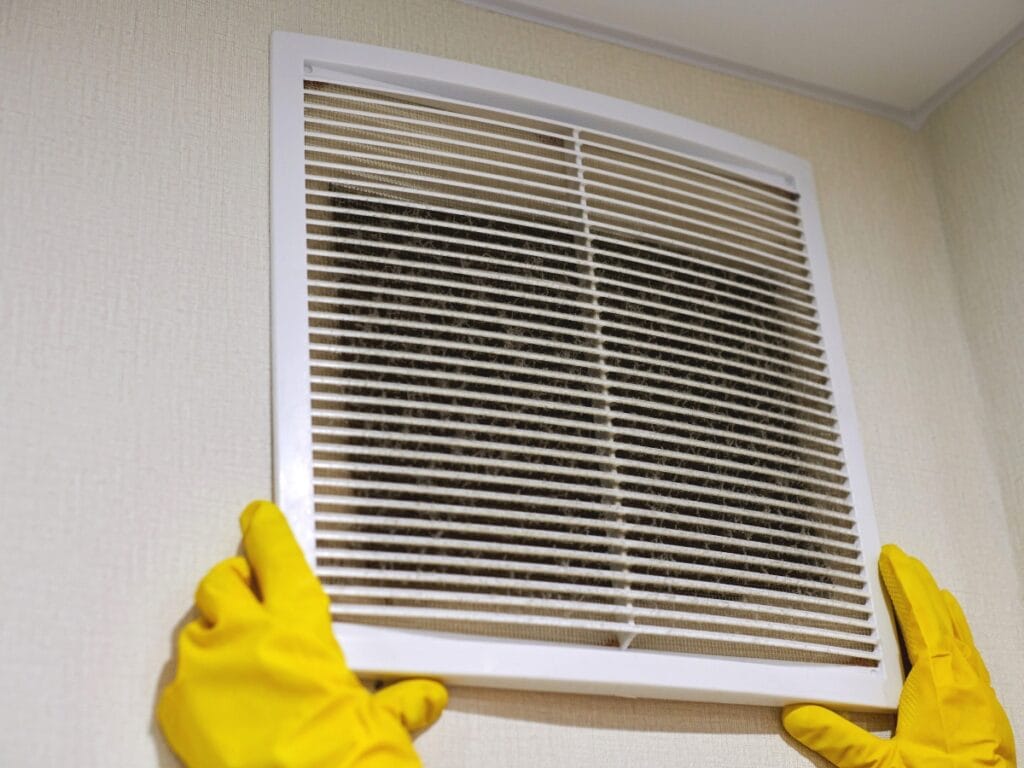
Whole-home humidifiers are one of those upgrades that sound simple, but most homeowners still want reassurance before they commit. That is normal. A humidifier connects to your HVAC system, affects how the air feels throughout the house, and introduces moisture, which makes people think about mold, maintenance, and whether the change will actually be noticeable. If you are researching indoor air quality humidifiers, these are some of the most common questions that come up, along with straightforward answers that help you plan with confidence.
How Does A Whole-Home Humidifier Work To Improve Indoor Air Quality?
A whole-home humidifier adds controlled moisture to the air as it moves through your HVAC system. The goal is not to make the air feel damp. It is to bring humidity back into a comfortable range when the air becomes too dry, especially during the heating season. When humidity is balanced, many people notice fewer dry-air issues like irritated nasal passages, scratchy throats, static electricity, and dry skin.
Humidity also affects how particles behave indoors. Air that is extremely dry can feel harsh and may make irritation from dust or seasonal triggers feel worse. Indoor air quality humidifiers help by supporting conditions that feel easier to breathe in and more comfortable to live with. It is important to understand that a humidifier does not replace filtration or air cleaning. Instead, it supports the comfort side of indoor air quality by reducing the dryness that can make a home feel less healthy.
Will Adding Humidity Cause Mold Or Mildew In My Home?
This is usually the biggest concern, and it is a fair question. Mold problems are not caused by normal, balanced humidity. Mold becomes more likely when moisture is excessive, persistent, and paired with surfaces that stay damp. A properly installed whole-home humidifier is designed to avoid that. The key is using the system correctly and keeping humidity in a reasonable range, often around the low-to-mid range most homes are comfortable with.
If you set humidity too high, you may see condensation on windows, especially during colder weather. That is a sign to lower the setting. Regular maintenance also matters because drain issues, clogged pads, or malfunctioning controls can create moisture where it does not belong. When the system is maintained and monitored, indoor air quality humidifiers can improve comfort without increasing the risk of mold.
Do I Need A Whole-Home Humidifier In Atlanta’s Climate?
Atlanta is humid for much of the year, but indoor air can still become dry when the heating system runs. Warmed air has a lower relative humidity, and that dryness can show up indoors even when the outside air is not desert-dry. Many homeowners notice the difference most during colder months when windows are closed and the furnace runs more frequently. If your home feels dry in winter, a whole-home humidifier can still be useful in this climate.
How Do I Know What Type Of Humidifier I Need?
The right humidifier depends on the home’s size, the HVAC system, and how much humidity output you need. Some systems are simpler and rely on HVAC airflow. Others have fans or produce steam for higher output and faster response. A professional assessment helps determine what makes sense, because the wrong size or wrong type can lead to underperformance or humidity swings.
How Much Maintenance Does A Whole-Home Humidifier Require?
Most systems need basic seasonal maintenance. That usually includes checking the water panel or evaporator pad, inspecting the drain, and making sure controls are working correctly. A well-maintained unit runs more efficiently, keeps humidity steadier, and reduces the chance of leaks or mineral buildup.
What Are The Signs My Humidifier Is Not Working Properly?
Common signs include the home still feeling dry, humidity readings that do not change, new noises during operation, or visible water around the unit. Condensation on windows can also indicate the setting is too high or the controls need adjustment. If you see any of these issues, it is worth addressing them early so the system stays reliable.
For many homeowners, indoor air quality humidifiers are less about “luxury” and more about solving everyday comfort problems. When you understand how the system works and how to keep humidity in the right range, a whole-home humidifier becomes a straightforward, low-stress upgrade.
How Does a Whole-Home Humidifier Work to Improve Indoor Air Quality?
Whole-home humidifiers work by adding moisture to the air, which can help improve indoor air quality. By maintaining balanced humidity levels, these systems reduce the presence of allergens and irritants, creating a healthier living environment.
Will Adding Humidity Cause Mold or Mildew in My Home?
When used correctly, whole-home humidifiers do not cause mold or mildew. It is essential to maintain humidity levels between 30% and 50% to prevent excess moisture, which can lead to mold growth. Regular maintenance and monitoring can help ensure that your home remains comfortable and safe.
Conclusion
Investing in a whole-home humidifier is more than a comfort upgrade—it’s a proactive step toward a healthier home environment, protecting your family’s well-being and your property’s integrity. By maintaining consistent, optimal humidity levels, you can alleviate seasonal discomfort, reduce airborne irritants, and preserve your home’s wooden features. To determine if a whole-home system is right for your Atlanta residence and for professional installation, trust the experts at Ace Tech Heating & Cooling. Breathe easier this season. Call (404) 369-9100 or get a free quote through our site form today to schedule your consultation.