
When temperatures drop, your electric furnace becomes one of the most important systems in your home. If it starts blowing cool air, cycling constantly, or failing to turn on at all, fast action can prevent higher energy bills and unexpected breakdowns. Professional electric furnace repair and installation services help keep your home comfortable, efficient, and safe throughout the colder months.
From diagnosing faulty heating elements and wiring issues to replacing outdated systems with modern, energy-efficient models, experienced technicians ensure your furnace runs reliably. Proper installation also plays a major role in performance, lifespan, and monthly utility costs.
Whether you need a quick repair or a full system upgrade, choosing trusted electric furnace repair and installation services gives you peace of mind and dependable heat when you need it most.
Electric Furnace Repair & Installation Services You Can Trust
Why Choose Ace Tech HVAC For Electric Furnace Services In Atlanta?
When an electric furnace starts acting up, most homeowners are looking for one thing first: a solution that restores heat quickly without turning into a drawn-out project. The right provider should make the process straightforward, from diagnosis to repair or replacement, while keeping communication clear.
Ace Tech HVAC is positioned as a reliable option for electric furnace service in Atlanta because the focus stays on practical outcomes: fast scheduling, experienced technicians, and work that solves the problem instead of simply resetting the system and hoping it holds.
Electric furnaces are often chosen for their clean operation and steady performance, but they still require proper care. Issues like weak airflow, inconsistent heat, tripped breakers, and failing heating elements can show up with little warning.
When those problems happen, having a team that can identify the cause quickly matters. It reduces downtime, protects the rest of the system from stress, and helps prevent repeat service calls. For homeowners who rely on an electric furnace, the value is in dependable service, not complicated explanations or unnecessary add-ons.
What Makes Our Electric Furnace Repair Fast And Reliable?
Fast furnace repair starts with responsiveness and preparation. In many heating emergencies, the delay is not the repair itself. It is waiting to be seen or dealing with back-and-forth scheduling. A service approach that prioritizes same-day availability can make a real difference, especially during cold snaps when electric furnaces are working harder, and failures can pile up across the area.
Reliability comes from accurate diagnosis. Electric furnace problems can look similar on the surface, but the root causes vary. A furnace that is running but not heating could point to a failed heating element, a sequencer issue, or a thermostat problem.
Short cycling might be related to airflow restrictions, overheating, or electrical faults. Technicians with experience in electric furnace systems can narrow down the cause faster, perform the right repair the first time, and confirm the unit is running safely before leaving.
Consistency is also built through process. A professional repair should include a clear explanation of what failed, what was replaced or adjusted, and what to watch for afterward. It should also include basic checks that prevent repeat issues, such as confirming proper airflow, testing safety controls, and ensuring the electrical connections are secure.
When those steps are routine, electric furnace repair becomes predictable instead of stressful.
How Do Our Energy Efficient Installations Benefit Your Home?
Replacing an older unit with a newer electric furnace can improve comfort and reduce energy waste, especially if the existing system is oversized, aging, or struggling to maintain temperature.
Energy-efficient installations matter because heating is one of the largest drivers of winter utility costs. A properly selected unit paired with correct installation helps the furnace run more evenly, avoid excessive cycling, and deliver steadier heat across the home.
Comfort improvements are often just as noticeable as bill savings. Many homeowners with older electric furnaces deal with uneven temperatures, rooms that heat slowly, or dry, inconsistent airflow. A newer system installed correctly can improve heat distribution and maintain a more consistent indoor temperature, which makes daily life more comfortable, especially overnight and in rooms farther from the air handler.
Efficiency also ties into long-term reliability. When a furnace is working harder than it should due to age, incorrect sizing, or worn components, it is more likely to break down. Installing an electric furnace that matches the home’s needs can reduce strain, support better performance, and extend the useful life of the equipment.
For homeowners who want a heating solution that feels steady and manageable, investing in an energy-efficient electric furnace can be a practical upgrade that pays off in comfort, predictability, and overall system performance.
What Are the Common Electric Furnace Repair Issues and Solutions?
An electric furnace is usually a dependable way to heat a home, but like any system, it can develop issues over time. Many problems start with small warning signs, such as uneven temperatures, a sudden jump in your utility bill, or a furnace that seems to run constantly without warming the house.
Knowing what these symptoms often mean can help you respond early and avoid a bigger breakdown. While some quick checks are safe for homeowners, an electric furnace still involves high-voltage components, so repairs beyond basic troubleshooting should be handled by a licensed technician.
One of the most common electric furnace concerns is thermostat trouble. If the thermostat is misconfigured, losing power, or failing to communicate with the system, the furnace may not heat properly or may cycle at odd times.
Circuit breaker issues are also common because electric furnaces draw significant power, especially during cold weather. A tripped breaker can shut the system down completely, and repeated tripping usually signals an electrical problem that needs professional attention.
Unusual noises can also appear, though electric furnaces are generally quieter than gas systems. Rattling, buzzing, or persistent clicking can point to loose panels, failing components, or electrical issues that should not be ignored.
How To Troubleshoot Electric Furnace Heating Problems?
If your electric furnace is not heating, start with a few simple checks that do not require opening the unit. First, confirm the thermostat is set to heat and that the temperature is set above the current room temperature.
If the thermostat uses batteries, replacing them can solve intermittent power issues. It is also worth checking whether the thermostat is on the correct fan setting, since incorrect fan operation can affect airflow and comfort.
Next, inspect your electrical panel for a tripped breaker. If the breaker is tripped, reset it once. If it trips again, do not continue resetting it. Repeated tripping is a red flag for an electrical fault, and continued resets can increase the risk of damage. You can also check your furnace switch, which is often located near the unit and looks like a light switch. If it has been turned off accidentally, the furnace will not run.
Airflow issues can look like heating problems, too. A clogged air filter can restrict airflow and cause the system to overheat or shut down. Replacing the filter is one of the easiest ways to support electric furnace performance, and it often makes a noticeable difference. If your vents are blocked by furniture or closed in multiple rooms, opening them can also help the system distribute heat more evenly.
If you hear persistent banging, loud buzzing, or sharp clicking that repeats for long periods, turn the system off and call a professional. Those sounds can indicate electrical component problems that are not safe to diagnose without training. Electric furnace systems are high-voltage, and the safest approach is to avoid opening panels or attempting internal adjustments.
When Should You Call For Emergency Electric Furnace Repair?
Some electric furnace problems are inconvenient, while others should be treated as urgent. If your electric furnace will not turn on at all, especially during cold weather, that often warrants emergency service because indoor temperatures can drop quickly.
If the furnace repeatedly trips the breaker, shuts itself off, or cycles rapidly without warming the home, it is best to stop using it and schedule service. Those symptoms can indicate electrical faults, overheating, or component failure.
Strange smells should also be taken seriously. A dusty smell when the system first runs can be normal after months of inactivity, but a sharp burning odor, melted plastic smell, or persistent electrical smell is not. Turn the furnace off and have it inspected.
Similarly, if you notice inconsistent heating where some areas of the home remain cold despite the furnace running, it can point to airflow restrictions, control issues, or failing parts that may worsen if left unresolved.
The takeaway is simple: basic checks can help you rule out easy fixes, but anything involving repeated electrical issues, strong odors, or unusual noises should be handled by a qualified technician. Addressing electric furnace problems early helps protect the system, improve comfort, and reduce the chance of a full breakdown when you need heat most.
How Much Does Electric Furnace Installation Cost in Georgia?
Electric furnace installation costs in Georgia can vary quite a bit, mainly because no two homes have the same setup. The size of the home, the condition of the ductwork, and the complexity of the electrical connections all influence the final price.
In general, a straightforward electric furnace replacement tends to cost less than an installation that requires electrical upgrades, duct repairs, or changes to the system layout. If you are planning for an electric furnace, it helps to understand what drives pricing so you can budget realistically and avoid surprises once the project starts.
Many homeowners also weigh cost against long-term performance. A lower upfront quote may not include work that is necessary for the system to run safely and efficiently. On the other hand, a higher quote may reflect added labor, required upgrades, or a better fit for the home’s heating needs.
The goal is not simply to install an electric furnace, but to install one that is sized correctly and set up to deliver steady heat without unnecessary energy waste.
What Factors Influence Electric Furnace Installation Pricing?
The biggest pricing factor is the type and size of the unit. A larger electric furnace, or one with higher efficiency features, usually costs more than a basic model.
Sizing also matters because an oversized system can cycle too often, while an undersized system may run constantly and still struggle to keep up. A proper load calculation helps ensure the electric furnace you choose is appropriate for the home, which protects comfort and long-term reliability.
Installation complexity is another major factor. Replacing a unit in the same location with compatible connections is typically simpler than relocating equipment or modifying the system design. If the existing electrical service or wiring is not adequate, electricians may need to add circuits, upgrade breakers, or address other electrical concerns.
Ductwork condition can also affect cost. If ducts are leaking, undersized, or poorly sealed, the new system may not perform as expected until those issues are corrected.
Labor rates vary by area and by the scope of the job. Metro areas and peak-season installs can come with higher labor costs, and projects that require more time on-site will naturally cost more. Permits and code requirements may also add to the total, depending on what updates are needed.
While it is tempting to focus on the unit price alone, most of the real variation in electric furnace costs comes from what the installation requires in the home.
Are There Financing Options For Electric Furnace Installation?
Financing is common for HVAC upgrades, especially when a replacement is needed unexpectedly. Many homeowners prefer to spread the cost over time rather than paying the full amount upfront.
Financing options vary, but often include installment plans through the contractor, low-interest loan options through third-party partners, or promotional offers tied to certain equipment. The best option depends on credit, terms, and whether the plan includes fees or prepayment penalties.
It is also worth looking into manufacturer incentives and rebates, particularly for higher-efficiency equipment. Some rebates are tied to specific models or performance standards, and they can reduce the overall cost in a meaningful way. In some cases, utility programs may also offer incentives for upgrades that improve energy efficiency, though availability can vary by location and program timing.
When you are planning an electric furnace installation, the most helpful approach is to get a detailed estimate that outlines the full scope of work. That way, you can compare quotes accurately and understand what is included.
A clear estimate also makes it easier to evaluate financing choices, because you are basing the decision on the real project total, not a rough range.
What Are The Benefits Of Upgrading To An Energy-Efficient Electric Furnace?
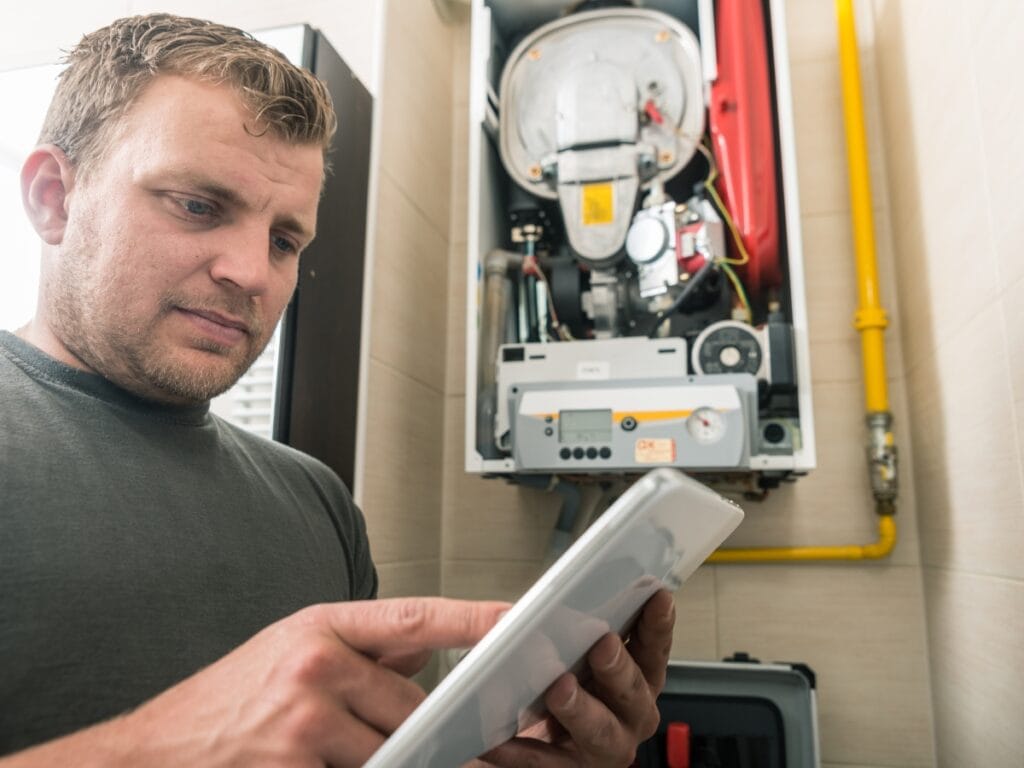
Upgrading an older system is not just about getting something new. For many homeowners, it is about making heating more predictable, reducing wasted energy, and avoiding the cycle of repeated repairs.
An energy-efficient electric furnace can deliver noticeable improvements in both performance and day-to-day comfort, especially if your current unit struggles to keep up, runs constantly, or heats unevenly. While every home is different, the biggest benefits usually show up in how consistently the system heats the space and how much electricity it uses to do it.
A newer electric furnace is also easier to live with. Modern systems are designed to operate more smoothly and respond better to thermostat settings. If you have dealt with hot and cold rooms, long run times, or a furnace that feels like it is either blasting heat or doing nothing, an upgrade can help level things out.
Efficiency matters, but so does control, and newer systems often provide a more stable heating experience.
How Does An Electric Furnace Improve Home Comfort And Safety?
Comfort starts with consistency. An electric furnace heats by using electric elements and moving warm air through the duct system. When the unit is properly sized and in good condition, it can maintain temperature more evenly, which reduces the common problem of rooms that never quite feel warm enough. Many newer models also pair well with modern thermostats that help manage temperature swings and improve overall control.
Safety is another key benefit. Electric furnaces do not burn fuel, so there is no combustion process inside the unit. That reduces certain risks found in other heating setups, and it also means fewer combustion-related maintenance concerns.
On top of that, newer electric furnace models typically include built-in safety protections that help prevent overheating. These features can shut the system down if temperatures rise beyond safe limits, which protects both the equipment and the home.
Upgrading can also reduce nuisance issues that affect comfort. Older systems may develop airflow problems due to wear, aging components, or reduced efficiency. A newer electric furnace, installed correctly and paired with clean ductwork and a good filter setup, often improves airflow and makes the home feel more comfortable overall, especially during longer cold spells.
How Do Energy Savings Impact Your Heating Bills?
An energy-efficient electric furnace uses electricity more effectively, which can reduce how much power the system needs to maintain your desired indoor temperature. The biggest savings often come from shorter run times and more stable operation. If your current furnace cycles frequently or runs for long stretches to reach temperature, it is likely using more electricity than necessary to produce the same comfort level.
Homeowners commonly notice savings when an upgrade is paired with proper sizing and installation. A furnace that is too large can short-cycle and waste energy, while a furnace that is too small can run constantly and still feel inadequate.
When the system is matched to the home and installed with attention to airflow, it typically operates more efficiently and avoids the on-off pattern that drives up consumption.
Over time, those monthly savings can add up, especially during the heaviest heating months. Many people also factor in reduced repair costs. If an older electric furnace needs frequent service calls, upgrading can shift that money toward a system that performs more reliably.
While the payback timeline depends on energy rates and usage, the combination of lower bills, fewer repairs, and improved comfort makes an energy-efficient electric furnace a practical upgrade for many households.
If you are considering a replacement, the best next step is comparing your current system’s performance to what a properly sized, energy-efficient electric furnace can deliver. That clarity helps you decide whether an upgrade makes sense now or whether a repair and maintenance plan is enough to get you through another season.
How to Maintain Your Electric Furnace for Longevity and Performance?
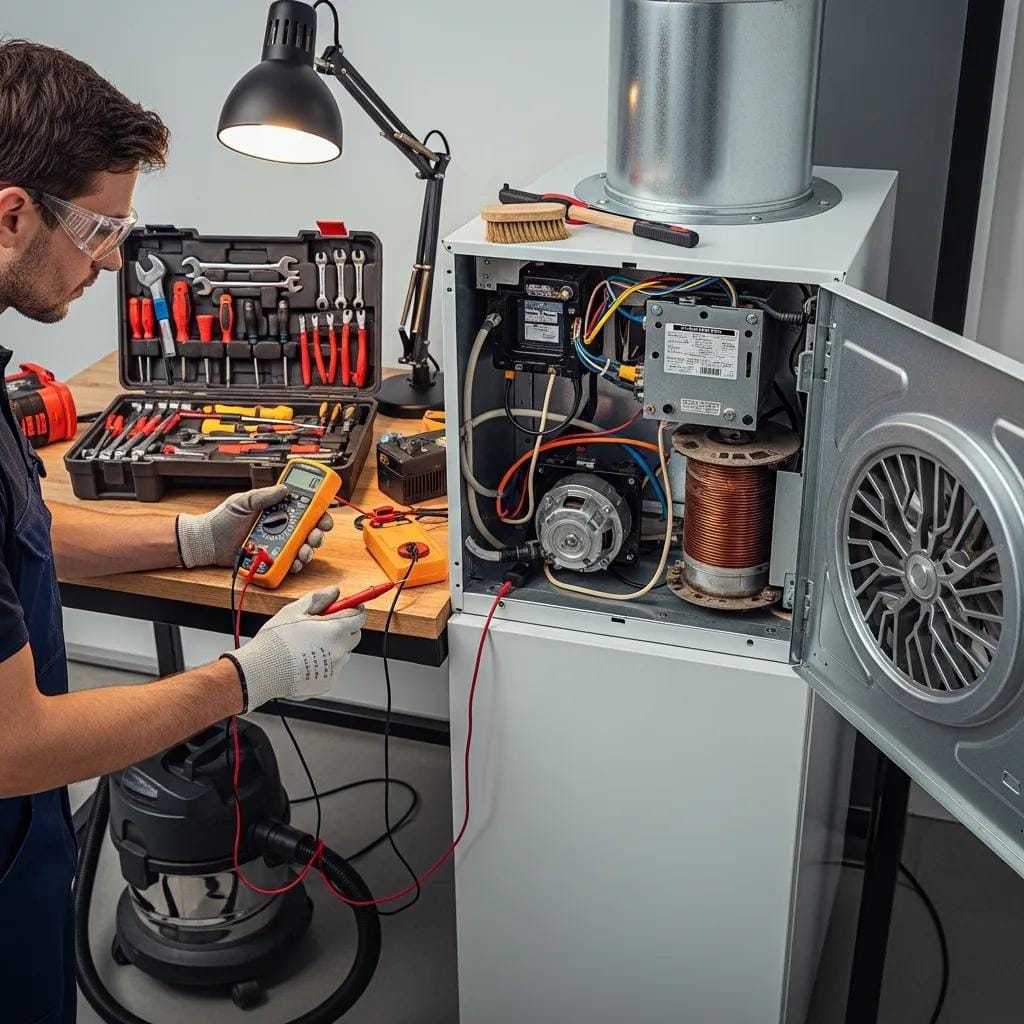
A well-maintained electric furnace tends to run more efficiently, heat more evenly, and last longer with fewer surprise breakdowns.
Maintenance also helps you catch small problems early, before they turn into expensive repairs during the coldest week of the year. The goal is not to overcomplicate it. Most upkeep comes down to keeping airflow clean and consistent, making sure the system is not working harder than it needs to, and scheduling a professional checkup at least once a year.
Even if your electric furnace seems to be running fine, performance can drift over time. A clogged filter, a partially blocked vent, or a small duct leak can reduce airflow and make the system run longer to reach temperature.
That extra strain can shorten component life and increase your energy use. Consistent maintenance keeps the system steady and helps you get the most value out of your equipment.
What Is Included In An Annual Electric Furnace Tune-Up?
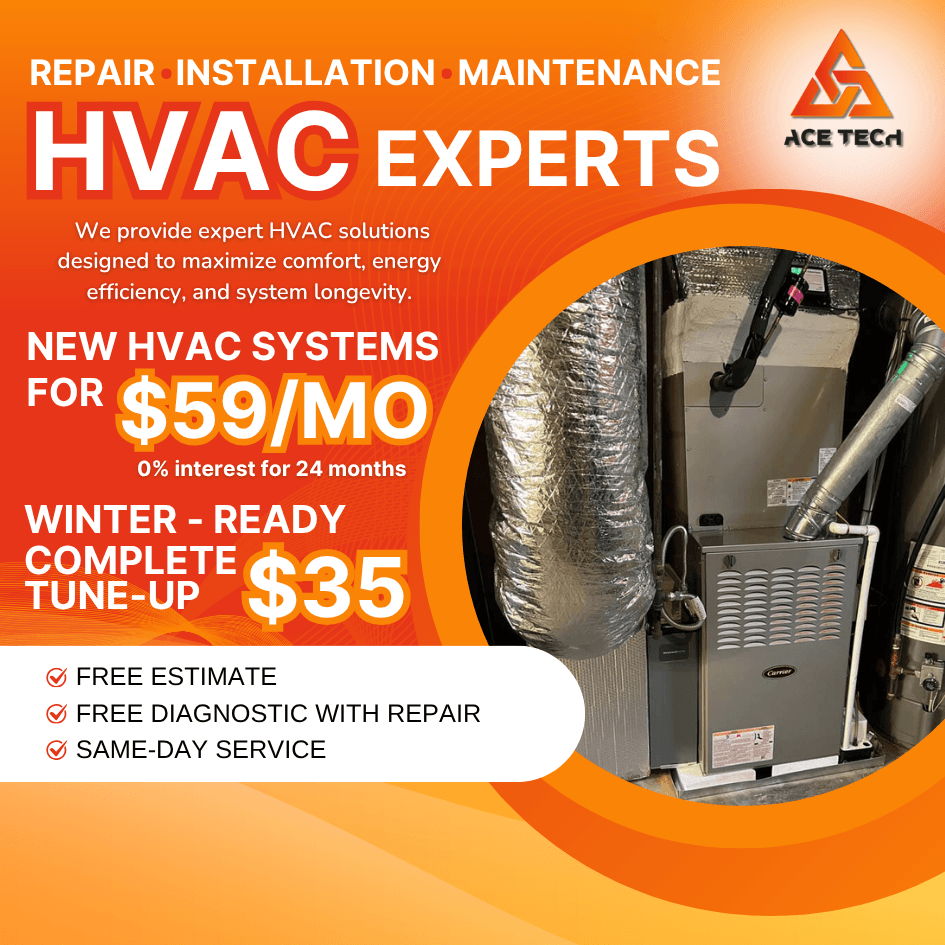
An annual tune-up is a full system check designed to confirm your electric furnace is operating safely and efficiently.
Technicians typically start by inspecting the major components for wear, loose electrical connections, and signs of overheating. Because electric furnaces rely on high-voltage parts, confirming proper wiring and secure connections is an important part of protecting both the equipment and your home.
Cleaning is another key piece. Dust buildup inside the cabinet can affect performance over time, and dirty components can contribute to overheating and frequent cycling. A tune-up usually includes cleaning areas that impact airflow and operation, along with checking the blower assembly and related parts to ensure the system can move air properly.
Safety checks are included as well. Modern electric furnace systems have safety controls that help prevent overheating, and those controls need to be tested to ensure they are functioning correctly.
During a tune-up, a technician may also check the thermostat operation, verify temperature rise, and confirm the system is cycling as intended. If ductwork issues are suspected, they may recommend sealing or repairs to improve efficiency, especially if certain rooms are consistently colder than others.
What DIY Maintenance Tips Can Homeowners Follow Safely?
There are a few simple tasks homeowners can do that make a real difference, and they do not require opening the unit or handling electrical components.
The most important is filter replacement. A dirty filter restricts airflow, which can reduce comfort and efficiency and may cause the system to overheat or shut down. Most homes benefit from changing filters every one to three months, but it depends on pets, dust levels, and how often the system runs.
Vent and return airflow is another easy check. Make sure supply vents are not blocked by furniture, rugs, or curtains, and confirm return vents are clear as well.
Restricted airflow can create uneven heating and make your electric furnace run longer than necessary. It also helps to keep the area around the furnace itself clear so the system can ventilate properly and technicians can access it easily during service.
Pay attention to changes in performance. If your electric furnace starts running longer than usual, produces weaker airflow, or heats unevenly, those changes are worth noting.
Unusual smells that persist, repeated breaker trips, or new buzzing or rattling noises are signs to stop troubleshooting and schedule professional service. Electrical issues should not be treated as a guess-and-check situation.
With regular filter changes, clear airflow, and a yearly tune-up, an electric furnace can provide dependable heat season after season. Maintenance is one of the simplest ways to protect comfort, reduce wear, and keep operating costs under control.
Where Does Ace Tech HVAC Provide Electric Furnace Services in Metro Atlanta?
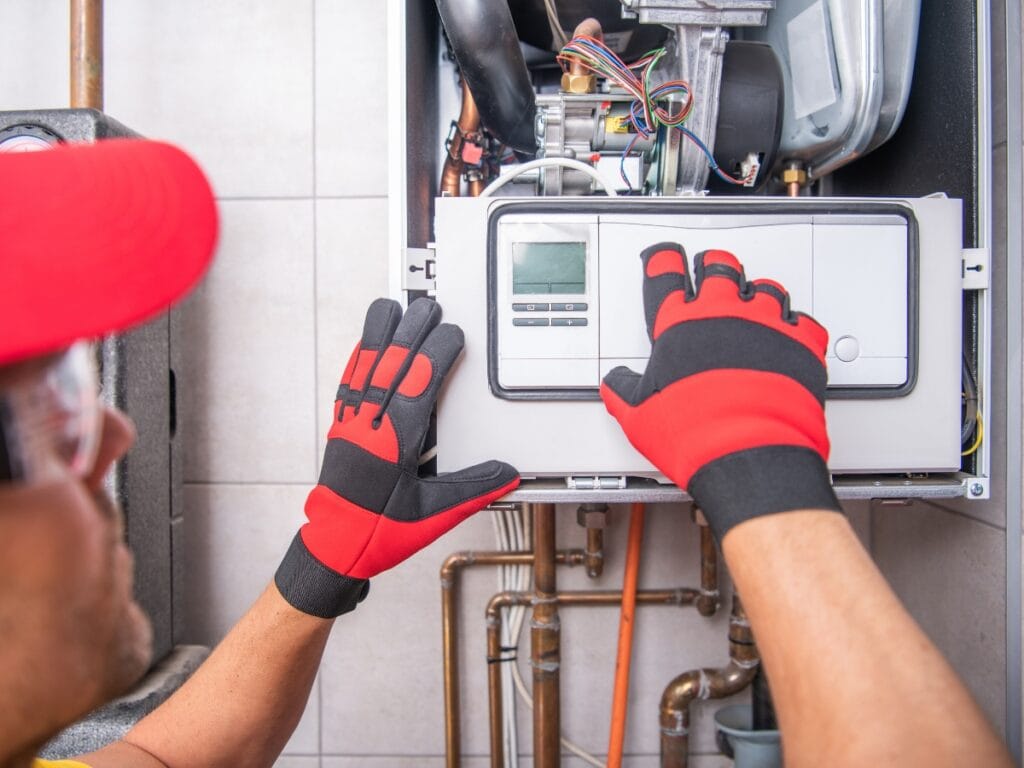
When your heat goes out, the last thing you want is to find out the company you picked does not actually serve your area. Coverage matters, especially in Metro Atlanta where neighborhoods and suburbs can change quickly from one zip code to the next.
Ace Tech HVAC provides electric furnace service across a wide portion of the metro, making it easier for homeowners to get help without long delays. Whether you need a routine check or you are dealing with a furnace that is not producing heat, having a local team familiar with the region can make scheduling and response time more reliable.
Metro Atlanta also includes a wide mix of homes, from older properties with aging ductwork to newer builds with tighter insulation and modern controls. Electric furnace needs can vary depending on the home’s layout and the condition of the system.
Service coverage paired with experience in different home types helps ensure the work is practical, efficient, and aligned with the way your heating system is actually set up.
Which Cities And Neighborhoods Are Covered?
Ace Tech HVAC serves customers throughout Metro Atlanta, including Atlanta proper and nearby areas such as Decatur and Marietta.
Atlanta homes range from historic neighborhoods to newer developments, and electric furnace systems can be found in both. In denser areas, access and scheduling can be a challenge, so working with a provider that regularly services the city can help avoid unnecessary back-and-forth.
Decatur is another common service area, known for established neighborhoods and older homes where heating systems may need more hands-on care to stay reliable.
In these settings, electric furnace issues can sometimes be linked to airflow constraints, aging ductwork, or older thermostats that do not communicate well with newer components. A service approach that includes basic system checks and airflow evaluation can help keep the furnace operating steadily.
Marietta and the surrounding suburbs also see a lot of electric furnace use, particularly in homes where owners want consistent heat and straightforward system operation.
In suburban homes, comfort problems often show up as uneven temperatures, longer run times, or certain rooms that lag behind. These issues do not always mean the furnace is failing, but they do point to areas worth addressing, such as filters, vents, duct leaks, or thermostat placement.
If you are searching specifically for electric furnace service in Metro Atlanta, the key is confirming coverage and scheduling early during peak season. Cold-weather demand can move fast, and service windows fill up quickly once temperatures drop.
How To Schedule Your Electric Furnace Service Appointment?
Scheduling should be easy, and it should feel clear from the start. The best way to schedule electric furnace service is to share the basics up front, such as whether the system is not turning on, whether it is running without heat, or whether you are dealing with uneven heating.
If you have noticed anything unusual, such as breaker trips, buzzing sounds, or a burning smell that does not go away, mention that as well. Those details help the service team prepare and prioritize the appointment appropriately.
It also helps to note the type of thermostat you have and whether you have recently changed the filter. These are small details, but they can speed up diagnosis and prevent repeat visits. If your electric furnace is completely down, especially during colder weather, try to schedule as early in the day as possible, so there is more flexibility for same-day service if it is available.
Ultimately, reliable coverage and a simple scheduling process are part of what make electric furnace service less stressful. When you know your provider serves your area and can get you on the calendar without delays, you can focus on restoring comfort and keeping your home warm and steady through the season.
Conclusion
When your electric furnace fails, prompt and professional service is essential to restore comfort and safety to your Atlanta home. Whether you need emergency repairs to get through a cold night or a full system installation for long-term efficiency, expert technicians ensure the job is done right the first time.
For reliable electric furnace repair and installation, trust the certified professionals at Ace Tech Heating & Cooling. Don’t let a heating emergency leave you in the cold. Call (404) 369-9100 or get a free quote through our site form today. Let us restore your warmth with quality service you can depend on.