As the year comes to a close, many homeowners face a crucial decision: should they invest in repairing their aging HVAC system or upgrade to a new, more efficient model? Weighing factors like repair frequency, energy costs, system age, and potential rebates can make the choice overwhelming, yet it’s essential for maintaining comfort and managing expenses in the new year. In this guide, we’ll walk you through end of year HVAC tips and the key considerations to help you evaluate whether a repair is a cost-effective stopgap or if an upgrade is the smarter long-term investment for your home and budget.
End of Year HVAC Tips to Start the New Year Right
When Should You Consider Repairing Your HVAC System?
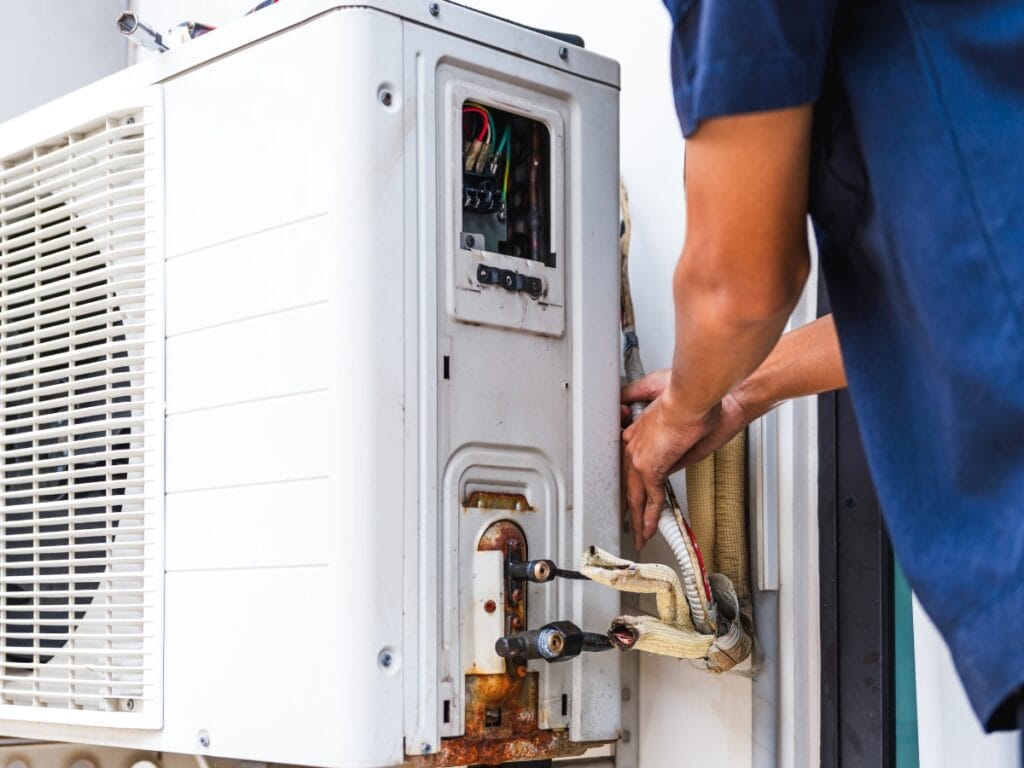
Repairing your system usually makes the most sense when the issue is limited to a specific part, the unit is still within its expected service life, and the repair bill is relatively small compared with the cost of a full replacement. In practical terms, a repair is meant to address one failing component, such as a compressor, condenser, evaporator coil, thermostat, or clogged filter, while keeping the rest of the system in place. If the system still keeps your home comfortable, is reasonably efficient, and has not had a long string of breakdowns, a targeted repair can preserve the remaining years you have left without a major investment.
This decision often comes up as you work through end of year HVAC tips and look ahead to the next heating or cooling season. If your unit is still under warranty, outages have been rare, and recent maintenance suggests the equipment is generally sound, repairing rather than replacing is usually the smarter financial choice. The goal is to protect safety and comfort, control costs, and avoid replacing equipment too early just because of a single failing part.
What Are The Common Signs That Indicate HVAC Repair Is Needed?
Your system will usually give you several clues before a major failure. Common warning signs include a noticeable drop in heating or cooling performance, longer run times without reaching the set temperature, weak or uneven airflow from vents, new noises such as grinding, squealing, or banging, and unusual odors when the system cycles on. Many of these symptoms point to specific, fixable issues such as dirty filters, clogged condensate drains, a failing blower motor, or a malfunctioning thermostat.
Safety-related signs need immediate attention. A gas smell, recurring carbon monoxide detector alerts, or burning electrical odors should be treated as urgent and checked by a professional right away. One of the most useful end of year HVAC tips is to schedule a tune-up as soon as you notice small changes, rather than waiting for a complete breakdown. Addressing problems early helps prevent a chain reaction where one failing component puts extra strain on the rest of the system, leading to longer downtime and higher repair bills later.
How Do Repair Costs Compare To Replacement Expenses?
When you are trying to decide between repair and replacement, a few simple guidelines can keep the choice grounded in numbers instead of guesswork. Many technicians use a version of the “50 percent rule,” which suggests that if a single repair approaches half the price of a new system, it is time to give serious thought to replacement, especially if the unit is already older. Another common approach is to multiply the estimated repair cost by the age of the system; if that number is high relative to a new unit, replacement often offers better long-term value.
In Metro Atlanta, minor repairs such as replacing a thermostat, capacitor, or contactor typically cost a few hundred dollars and are usually worth doing on systems that are otherwise healthy. Larger repairs, like replacing a compressor or coil, can cost several thousand dollars, and that is where age and repair history matter more. If you have needed multiple repairs in the past 1 to 3 years, or if cumulative spending on fixes is starting to approach the price of a new system, it may be more economical to plan a replacement rather than continuing to patch an aging unit.
Refrigerant-related problems are another tipping point, particularly on older equipment that uses R-22. As supplies of that refrigerant have tightened, costs have climbed, and major leaks can make repair far less attractive. As you work through your own end-of-year HVAC tips and budget for the coming year, it can be helpful to review recent repair invoices, the age of your system, and any advice from your last tune-up. That way, you can decide whether a focused repair will carry you comfortably through another season or whether it is time to start planning for a full replacement on your own terms.
When Is It Time To Upgrade Or Replace Your HVAC System?
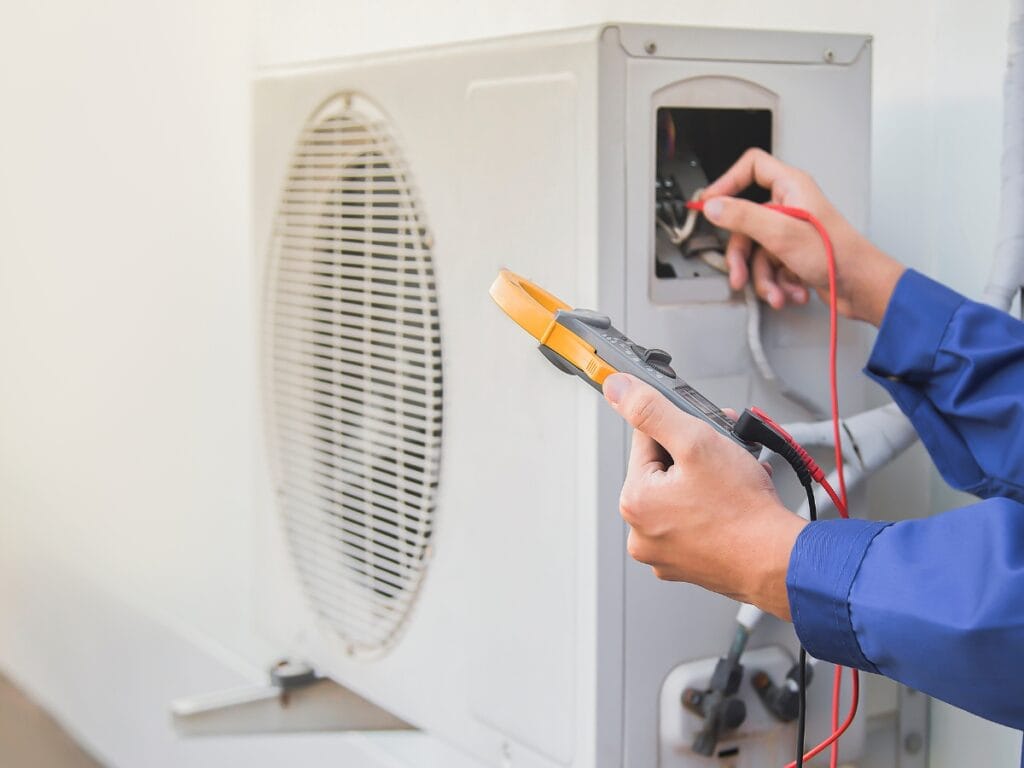
Replacement becomes the better option when age, falling efficiency, and frequent repairs reach a point where another fix will not meaningfully extend the life of your system. An upgrade usually means installing a new air conditioner, furnace, or heat pump that delivers higher SEER, AFUE, or HSPF ratings, along with better comfort control. Many newer systems also support smart thermostats, zoning, and variable speed technology, which help you fine tune temperature and humidity while using less energy.
End of year HVAC tips often focus on looking back at how your system performed through the last season. If you spent the year dealing with recurring breakdowns, noisy operation, or uncomfortable rooms, it is worth asking whether the next repair will really solve the problem or simply buy a little time. Changes in refrigerant rules, such as the phase out of R-22, and limited availability of parts for older models, can make repairs more expensive and less predictable. When you weigh those factors against the cost and benefits of a modern system, replacement often becomes an investment in lower bills and fewer headaches over the next decade.
What Are The Key Signs Your HVAC Needs Replacing?
Several clear signs suggest it may be time to move from repair to replacement. Age is one of the strongest indicators. Air conditioners and heat pumps that are 10 to 15 years old and furnaces in the 15 to 20 year range are often nearing the end of their expected service life, especially if maintenance has been inconsistent. If you notice steadily rising utility bills even though your usage has not changed, that usually points to declining efficiency and worn components.
Frequent repairs are another major signal. One or two minor fixes over several years is normal. Multiple breakdowns within 1 to 3 years, particularly when they involve expensive parts, often mean the system is wearing out as a whole. Systems that still rely on older refrigerants such as R-22 are also more expensive to service because both refrigerant and compatible parts are harder to find. If your unit struggles to keep up on hot or cold days, produces uneven temperatures from room to room, or remains unreliable even after service, replacement should move higher on your priority list.
One practical end of year HVAC tip is to review your invoices and utility statements before the new season begins. If you see a pattern of rising costs and repeat service calls on aging equipment, you will be better prepared to plan a replacement on your schedule instead of reacting to a mid-season failure.
How Do Energy Efficiency And New Technology Influence Upgrade Decisions?
Energy efficiency and modern technology are often the deciding factors when homeowners choose to replace rather than repair. New systems offer higher SEER ratings for cooling and improved AFUE or HSPF ratings for heating, which can translate into noticeable reductions in monthly bills. Features such as variable speed compressors, multi-stage heating, and smart thermostats allow the system to run longer at lower power, maintaining a steadier temperature instead of constantly cycling on and off. This approach uses less energy, reduces noise, and often results in more comfortable rooms.
Smart controls and zoning options also give you more control over where and when energy is used. You can schedule setbacks when the house is empty, prioritize frequently used rooms, and monitor performance from a phone or tablet. When you calculate the return on investment, it helps to factor in all of these elements: lower energy costs, fewer emergency repairs, longer equipment life, and potential tax credits or utility rebates for high-efficiency systems. Understanding how efficiency gains and new technology fit into your home and lifestyle will help you make a replacement decision that connects the upfront cost to long-term comfort and savings.‑term savings and better home comfort.
How Much Does HVAC Replacement Cost In Metro Atlanta?

One of the most practical end of year HVAC tips is to get clear on what a full replacement might actually cost in your part of Georgia. In Metro Atlanta, pricing depends on the type of system you choose, the efficiency rating, the condition of your ductwork, and how straightforward the installation is. An installed price usually bundles together the equipment itself, labor, permits, any duct changes that are needed, and code updates, such as new drain lines or safety shutoffs.
For a central split air conditioner, most homeowners in the area see installed costs in the range of about $4,000 to $8,500. Larger homes, higher SEER ratings, difficult condenser placement, or duct repairs will push you toward the higher end. A gas or electric furnace often falls between $3,500 and $7,500, depending on AFUE rating, venting needs, and combustion safety work. A complete heat pump system, which handles both heating and cooling, typically runs between $5,000 and $10,000 based on HSPF and SEER ratings, refrigerant type, and whether it is paired with a dual fuel setup. Because every house is different, an on-site load calculation and inspection will always be more accurate than relying on national averages or online calculators.
What Financing Options And Federal Tax Credits Are Available In 2025?
Another useful part of end of year HVAC tips is understanding how to soften the hit of a big project. In 2025, many Metro Atlanta homeowners can lower the net cost of a replacement by combining financing with federal incentives. Current federal provisions include credits for qualifying high-efficiency heat pumps and other upgrades. Program details can change, but recent guidance has referenced total credits up to $3,200 each year, with up to $2,000 available for certain heat pump installations that meet efficiency requirements. It is important to confirm the latest rules and keep all invoices, model numbers, and contractor documentation so you can support any claim at tax time.
On the financing side, homeowners often use a mix of personal loans, home equity products, or contractor-arranged plans to spread out payments. Many installation companies work with third-party lenders to offer promotional terms that keep monthly payments manageable during the first few years of ownership. When you compare options, look at interest rates, repayment periods, and any promotional windows, and then factor in tax credits and possible utility rebates. The real goal is to understand the total out-of-pocket cost after incentives rather than just the sticker price on the estimate.
How Can New HVAC Systems Save You Money Long Term?
Replacement is not only about fixing an old problem. A modern, properly sized system can reduce energy use, cut back on emergency repairs, and lower maintenance costs over its life. Depending on the age and condition of your current equipment, it is common to see utility savings in the range of 20 to 40 percent when you move from an older, low-efficiency unit to a newer system with higher SEER, AFUE, or HSPF ratings. Smart thermostats, variable speed blowers, and multi-stage compressors help the system run longer at lower power and avoid the short cycles that waste energy and wear out components.
New systems also typically include manufacturer warranties that cover major parts for several years, which limits your exposure to big repair bills early in the equipment’s life. When you add in fewer service calls, better comfort, and improved indoor air quality, the value of a replacement becomes easier to see. Over a 10 to 15-year period, the combination of energy savings, reduced repairs, and available incentives can offset a large portion of the initial investment. Comparing total lifecycle costs, rather than just the upfront price, gives you a clearer picture of how an upgrade fits into your overall budget and helps you decide whether now is the right time to move forward. repairing an older unit and upgrading to efficient equipment.
What Is Included in a Year‑End HVAC Maintenance Checklist?
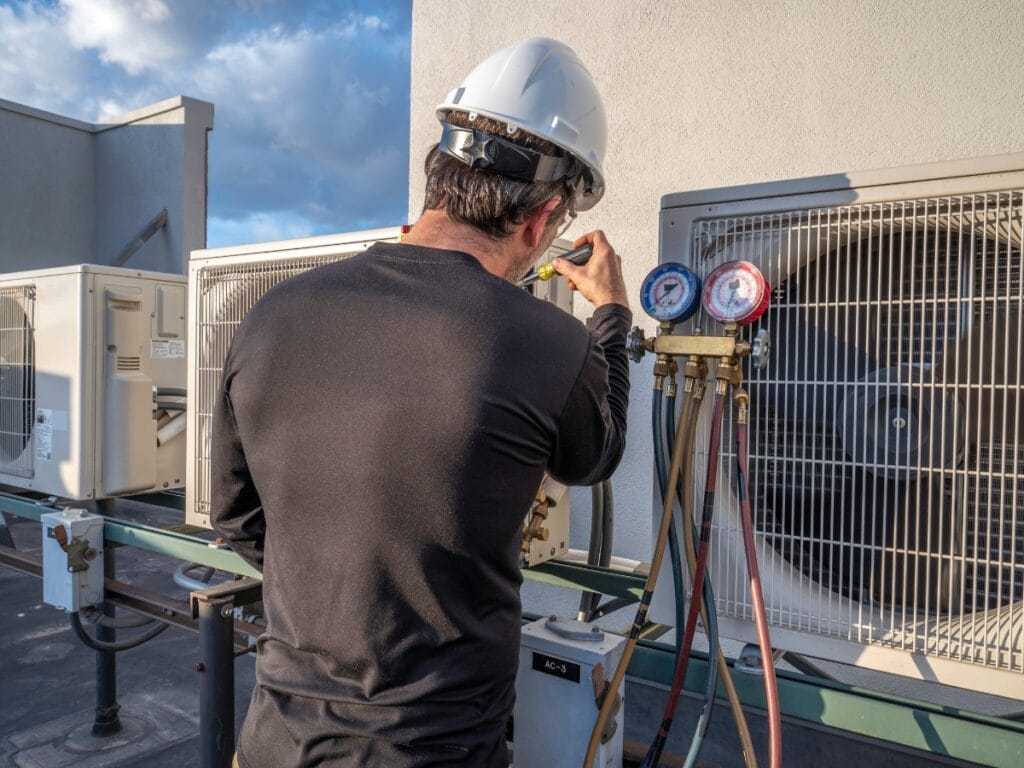
A year‑end checklist combines homeowner tasks you can do and professional tune‑up items that require a licensed technician to keep systems reliable through winter. Homeowner tasks cover basics—changing filters, programming thermostats, and clearing debris from outdoor units—while professional checks include safety inspections, lubrication, refrigerant verification, electrical testing, and combustion analysis for furnaces. Completing both homeowner and professional items before a sustained cold lowers the risk of emergency service and helps preserve warranties that require annual maintenance. The table below lists common checklist items, how often to do them, and who should perform them.
| Task | Frequency | Homeowner or Professional |
|---|---|---|
| Replace or inspect filters | Every 1–3 months | Homeowner |
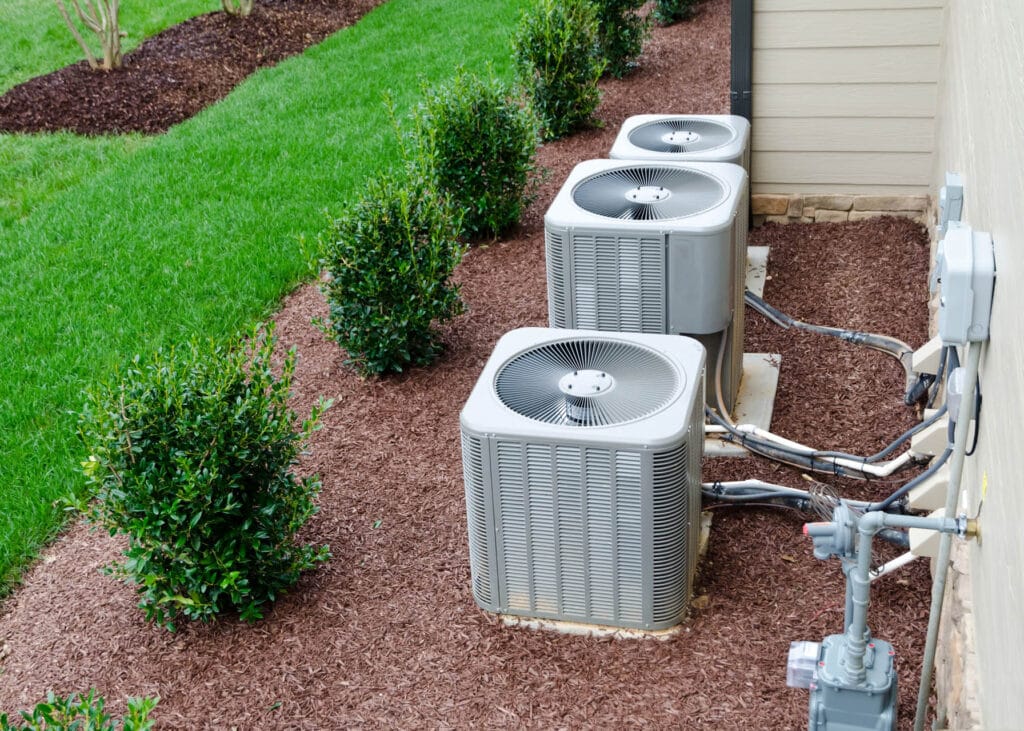
| Clean outdoor unit and clear debris | Annually (before winter) | Homeowner/Pro for deep cleaning |
| Electrical connection check and tightening | Annually | Professional |
| Refrigerant level check and leak inspection | Annually | Professional |
| Combustion analysis (furnace) | Annually | Professional |
How Do You Prepare Your HVAC System for Winter in Metro Atlanta?
Preparing for winter combines simple DIY steps with professional service to make sure your heating holds up during our variable cold snaps. Program thermostats for efficient setbacks, replace filters, check vents and registers for blockages, and clear leaves and debris from outdoor units to reduce icing during freeze‑thaw cycles. A technician should check combustion safety, confirm proper venting, test the heat exchanger, and verify electrical and control systems. Replace batteries in carbon‑monoxide detectors as part of furnacemaintenance to address combustion‑related safety risks.
Why Are Professional Tune‑Ups Important Before Year‑End?
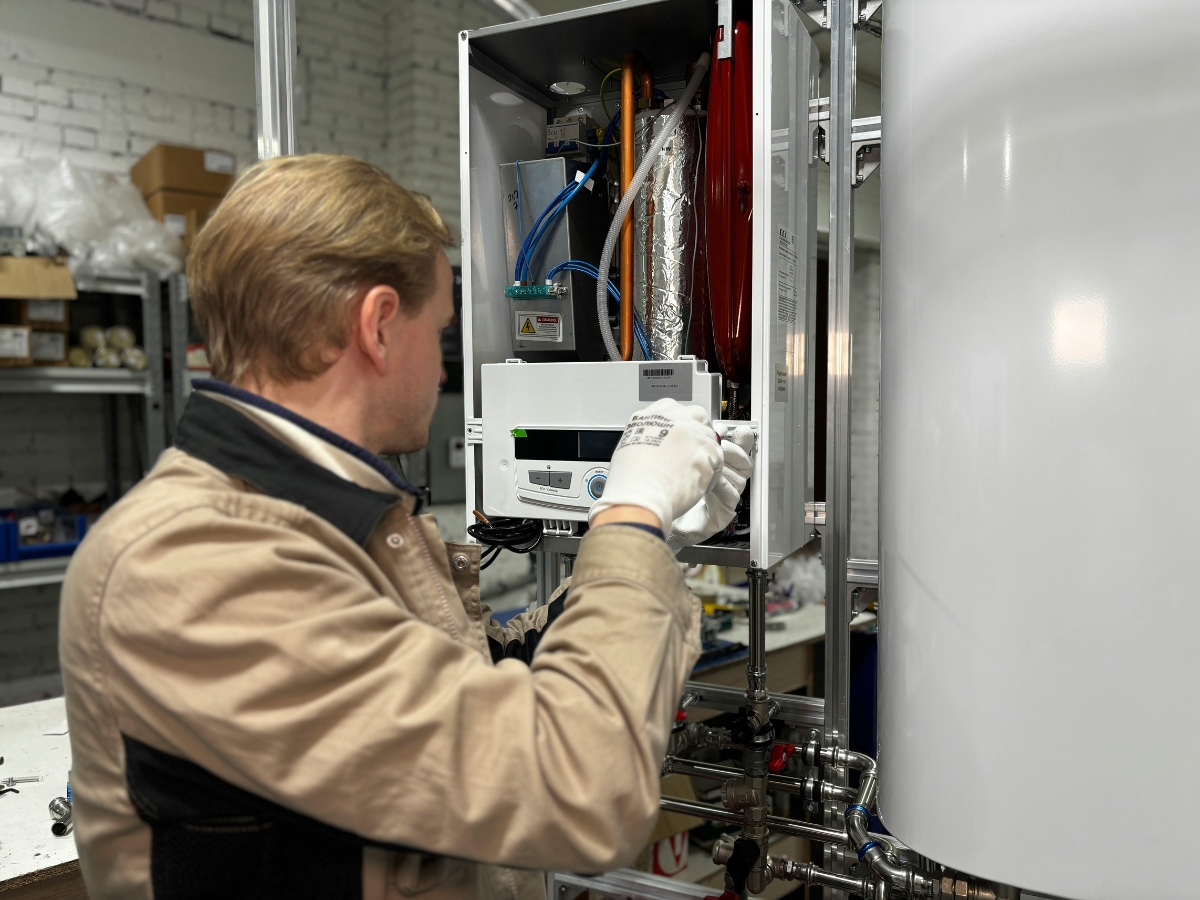
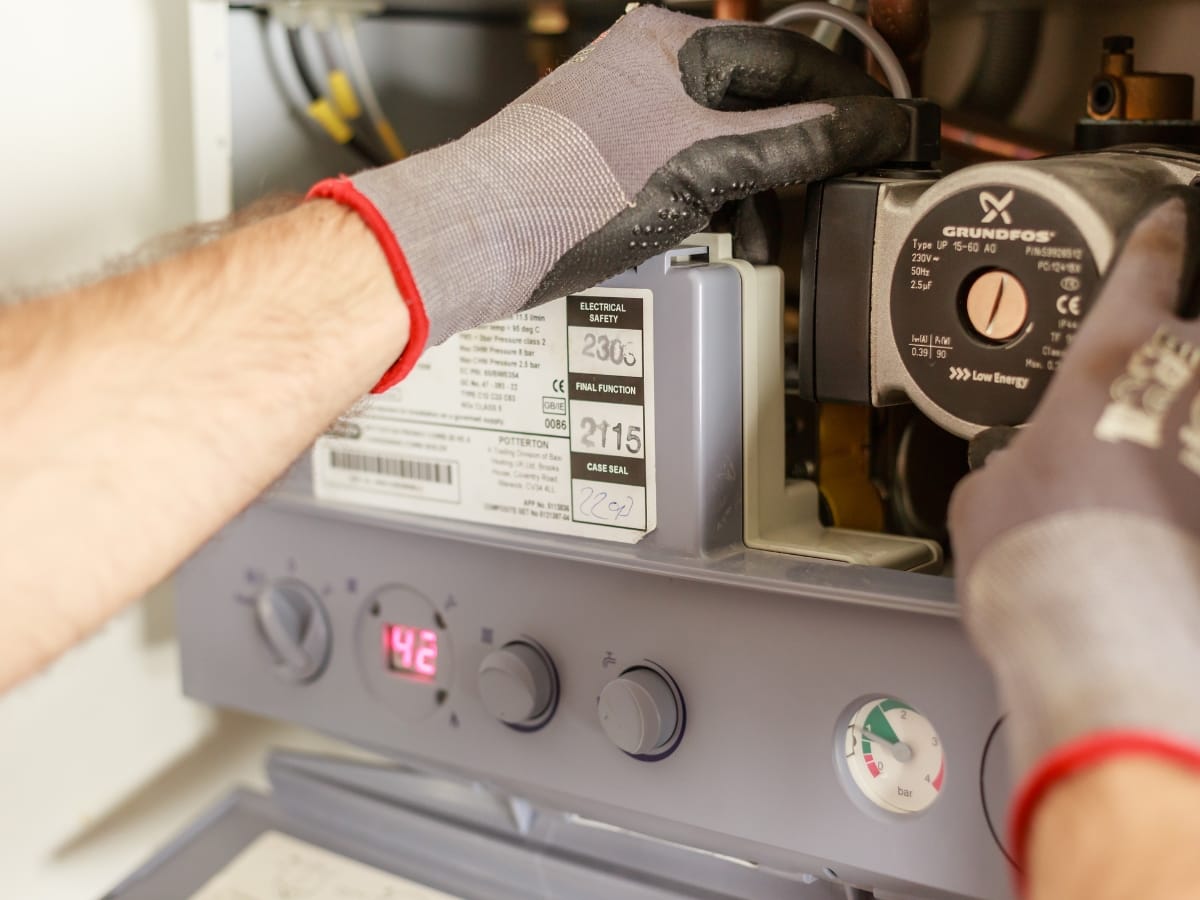
Professional tune‑ups find hidden problems, optimize performance, and document annual service—often required to keep warranties valid. A typical tune‑up includes cleaning coils, testing refrigerant charge, tightening electrical connections, lubricating moving parts, calibrating thermostats, and performing safety checks such as combustion analysis on furnaces. These steps improve efficiency, cut energy use, and reduce the chance of sudden failures when heating or cooling is needed most. Scheduling a tune‑up before year‑end is a preventive investment that lowers downtime and helps reveal whether repair or replacement is the smarter long‑term choice.
How Can You Make the Right HVAC Decision for Your Home or Business?
Making a good HVAC decision starts with facts rather than guesswork. When you are reviewing end of year HVAC tips and thinking about the coming season, begin by pulling together the basics: the age of your equipment, repair invoices from the last few years, recent utility bills, and whether the system still uses R-22 refrigerant. This information gives you a clearer picture of how hard the system has been working and how much it is costing you to keep it running.
From there, you can apply simple rules of thumb. Many technicians use the 50 percent rule, which says that if a single repair approaches half the cost of a new system, replacement deserves serious consideration, especially on older equipment. Another common check is to multiply the estimated repair cost by the age of the unit to get a rough sense of how much money you are putting into something that may not have many years left. At the same time, it helps to estimate how a newer, more efficient system would affect your energy use. Higher SEER or AFUE ratings can translate into meaningful monthly savings, and incentives or rebates may lower the upfront cost.
When you put all of this together, you move from a vague sense of worry to a structured comparison. Instead of asking only “Can I afford a new system?” you can ask “What will I spend over the next five to ten years if I keep repairing this one?” That kind of thinking is at the heart of practical end of year HVAC tips, because it connects technical details to a decision that fits both your property and your budget.
What Factors Should Metro Atlanta Homeowners Consider When Choosing Repair Or Replace?
For Metro Atlanta homeowners, climate and comfort expectations play a big part in the decision. Long, hot, humid summers and relatively mild winters mean cooling performance and efficiency matter a great deal. If your air conditioner or heat pump is older and has a low SEER rating, you are likely paying more than you need to on summer bills. At the same time, age, repair history, and refrigerant type still matter. A unit that is more than 10 to 15 years old, uses R-22, and has needed several repairs in a short period is a strong candidate for replacement.
It is also important to look beyond the equipment itself. Leaky ductwork, poor insulation, or an improperly sized system can limit the benefit of even the best new unit. A professional load calculation and sizing assessment helps avoid oversizing or undersizing, both of which can lead to uneven temperatures, short cycling, and higher energy use. Your own tolerance for risk and disruption is another factor. Some owners are comfortable riding out a few more repairs to delay replacement, while others prefer to invest in a new system to reduce the chance of a mid-season breakdown.
Thinking through these factors creates a simple hierarchy. Safety and reliability come first. Cost and efficiency follow, with comfort rounding out the picture. When you evaluate repair and replacement options through that lens, the right choice usually becomes clearer.
How Does Ace Tech HVAC Support Emergency Repairs And Upgrades?
When a system fails during a heat wave or cold snap, most people are not thinking about long-term strategy. They just want the air back on. Ace Tech HVAC supports Metro Atlanta homes and businesses with same-day responses and 24-hour emergency repair service, so downtime is kept to a minimum. Technicians focus on stabilizing comfort first, then explaining what caused the problem and whether a targeted repair or a broader upgrade makes more sense.
For planned replacements or larger upgrades, Ace Tech HVAC follows a straightforward process. A technician starts with an on-site assessment to understand the size of the space, the condition of existing equipment and ductwork, and any comfort issues you have been living with. From there, they prepare a detailed quote that outlines system options, efficiency ratings, and estimated operating costs. They can also explain available financing choices and incentives, so you see both the upfront cost and the likely payback over time. After installation, a walkthrough and follow-up visits help confirm that the system is performing as expected.
This combination of emergency support, careful planning, and ongoing maintenance fits well with practical end of year HVAC tips. It gives you a path for handling urgent problems without losing sight of long-term goals, and it helps you move from short-term fixes to strategic decisions when the time is right to upgrade.
What Are The Benefits Of Upgrading To Energy-Efficient HVAC Systems?
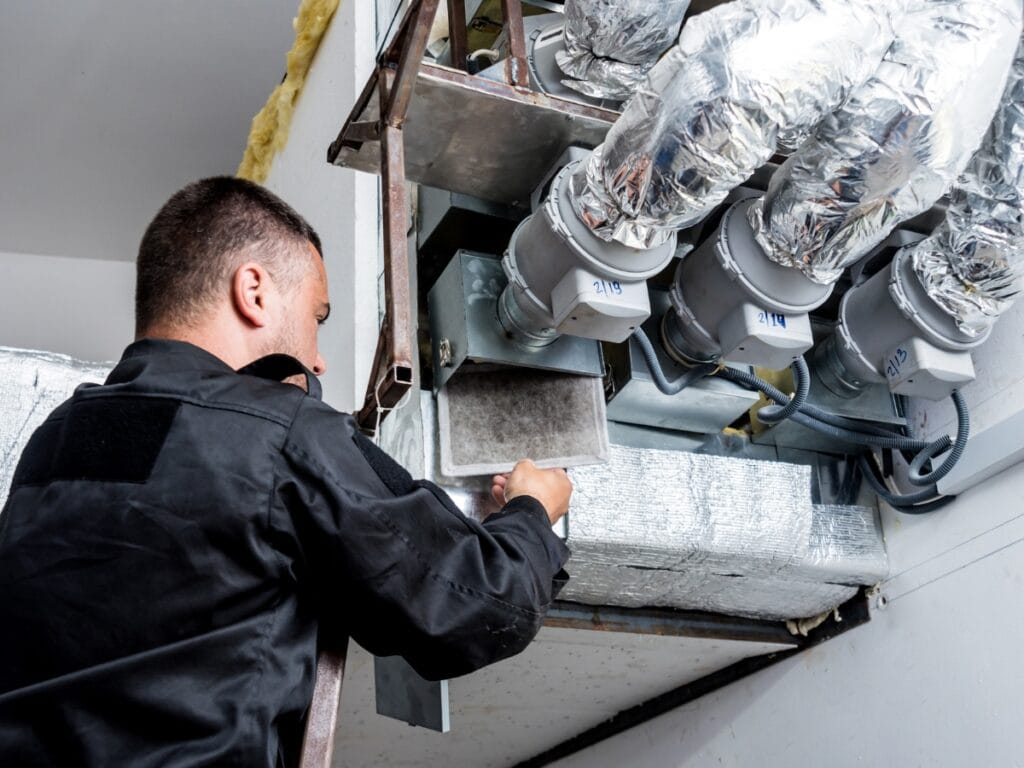
One of the most useful end of year HVAC tips is to look closely at how your current system performs and compare it with what a modern, energy-efficient system can deliver. Upgrading to newer equipment usually brings several measurable benefits at the same time. Higher SEER, AFUE, and HSPF ratings cut the amount of energy needed to heat and cool your space, so utility bills come down without sacrificing comfort. Variable speed and multi-stage equipment can run at lower output for longer periods, which keeps temperatures steadier and reduces the noisy start and stop cycles that older systems often create.
Comfort is not the only gain. Newer systems are designed to work with advanced controls and filtration, which can improve indoor air quality and reduce strain on components. When the system does not have to work as hard, major parts tend to last longer, and you are less likely to face frequent emergency repairs. Over several heating and cooling seasons, those avoided service calls and lower energy bills usually shift the total cost of ownership in favor of an upgrade, especially if your current system is already past its prime.
For owners who care about long-term value, these combined benefits are worth weighing carefully. End of year HVAC tips often encourage a full review of operating costs, and an efficiency upgrade is one of the most direct ways to improve both day-to-day comfort and the long-term financial picture.
How Do New HVAC Systems Improve Indoor Air Quality And Comfort?
New HVAC systems have a clear advantage when it comes to indoor air quality and overall comfort. Many units are built to accept higher MERV-rated filters, which capture smaller particles such as dust, pollen, and pet dander more effectively than older filter setups. Optional features like UV lights or advanced filtration modules can target additional contaminants, while modern ventilation controls do a better job of managing fresh air intake and humidity. That combination helps reduce pollutants that can aggravate allergies and respiratory issues.
Comfort also improves because modern systems are far better at controlling both temperature and moisture. Proper sizing, paired with updated controls, reduces short cycling and allows equipment to run long enough at lower speeds to pull humidity out of the air. This makes rooms feel cooler in summer and less clammy, cutting down on conditions that allow mold and allergens to thrive. Smart thermostats and zoning give you the ability to set different schedules and temperatures for various parts of the home, which keeps frequently used rooms comfortable without wasting energy in spaces that sit empty.
The result is a quieter, more stable indoor environment. Many homeowners notice that rooms feel more even and that air quality improves within the first season after installation, and those benefits generally grow as the system continues to run efficiently and consistently.
What Role Does Refrigerant Phase Out Play In Replacement Decisions?
Refrigerant regulations are another practical reason many owners move ahead with replacement. Older systems that still rely on R-22 are increasingly expensive to maintain, since that refrigerant has been phased out and is costly and tightly controlled. When an R-22 system develops a major leak or needs a compressor or coil replacement, the combined cost of parts, refrigerant, and labor can quickly approach the price of a new unit that uses R-410A or a newer, lower global warming potential refrigerant.
Even if the system is still running, the risk of a future leak or major repair on an obsolete refrigerant should factor into your planning. As part of your end of year HVAC tips checklist, it is wise to confirm which refrigerant your current equipment uses and note its age and repair history. If you are facing a large repair on an R-22 unit, replacement usually offers a more predictable and cost-effective path. A new system avoids rising service costs tied to legacy refrigerants, aligns your home with current environmental standards, and gives you the efficiency and comfort gains that older equipment simply cannot match.
Frequently Asked Questions
What are the benefits of regular HVAC maintenance?
Regular maintenance keeps your system running efficiently and extends its life. It uncovers small issues before they become big, improves energy performance, and helps maintain indoor air quality. Routine tasks—like filter changes and system cleanings—can lower energy bills and reduce the chance of unexpected breakdowns. Many manufacturers also require annual service to keep warranties valid, so maintenance protects both comfort and coverage.
How can I improve my HVAC system’s energy efficiency?
Start with tight ducts and good insulation to prevent heat loss. Use a programmable or smart thermostat to reduce run time when you’re away, and change filters regularly. Schedule professional tune‑ups and consider upgrading to equipment with higher SEER or AFUE ratings. These steps improve comfort, cut energy use, and make your home more sustainable.
What should I do if my HVAC system is making strange noises?
Strange noises—grinding, squealing, or banging—mean it’s time for an inspection. First, check for loose panels or debris around the unit. If the noise continues, call a technician. Ignoring abnormal sounds can lead to more significant damage and costlier repairs, so early inspection is the safest move.
How can I tell if my HVAC system is too large or too small for my home?
Signs of improper sizing include uneven temperatures, short cycling (turning on and off too frequently), high energy bills, and frequent repairs. An oversized system cools or heats too quickly and cycles often; an undersized system runs constantly and still can’t reach setpoints. A professional load calculation—based on square footage, insulation, and layout—will give accurate sizing recommendations for reliable comfort and efficiency.
What are the environmental impacts of outdated HVAC systems?
Older systems often use more energy and sometimes rely on refrigerants that harm the ozone layer or have high global‑warming potential. That leads to higher greenhouse gas emissions from electricity use and environmental risk when refrigerant leaks occur. Upgrading to modern, efficient equipment reduces energy consumption and uses more environmentally friendly refrigerants, helping lower your carbon footprint.
What financing options are available for HVAC upgrades?
Many contractors offer payment plans and promotional financing to spread installation costs. Federal and state incentives for energy‑efficient upgrades can also reduce out‑of‑pocket expenses. Talk with local HVAC professionals to learn about current programs, eligibility, and the documentation you’ll need to claim any tax credits.
Year-End HVAC Repairs vs. Upgrades: Making the Best Choice
Deciding between an HVAC upgrade and a year-end repair is a significant choice that impacts your home’s comfort, energy bills, and budget. While a timely repair can extend your system’s life, a strategic upgrade often offers greater long-term savings, improved efficiency, and reliable performance for the new year. At inAir Heating & Air, our expert HVAC technicians provide honest assessments to help you make the most cost-effective decision for your home. Unsure about the best path forward? Call (770) 233-7777 or submit an HVAC request online today for a professional evaluation. Let’s ensure your home is ready for whatever the next year brings.