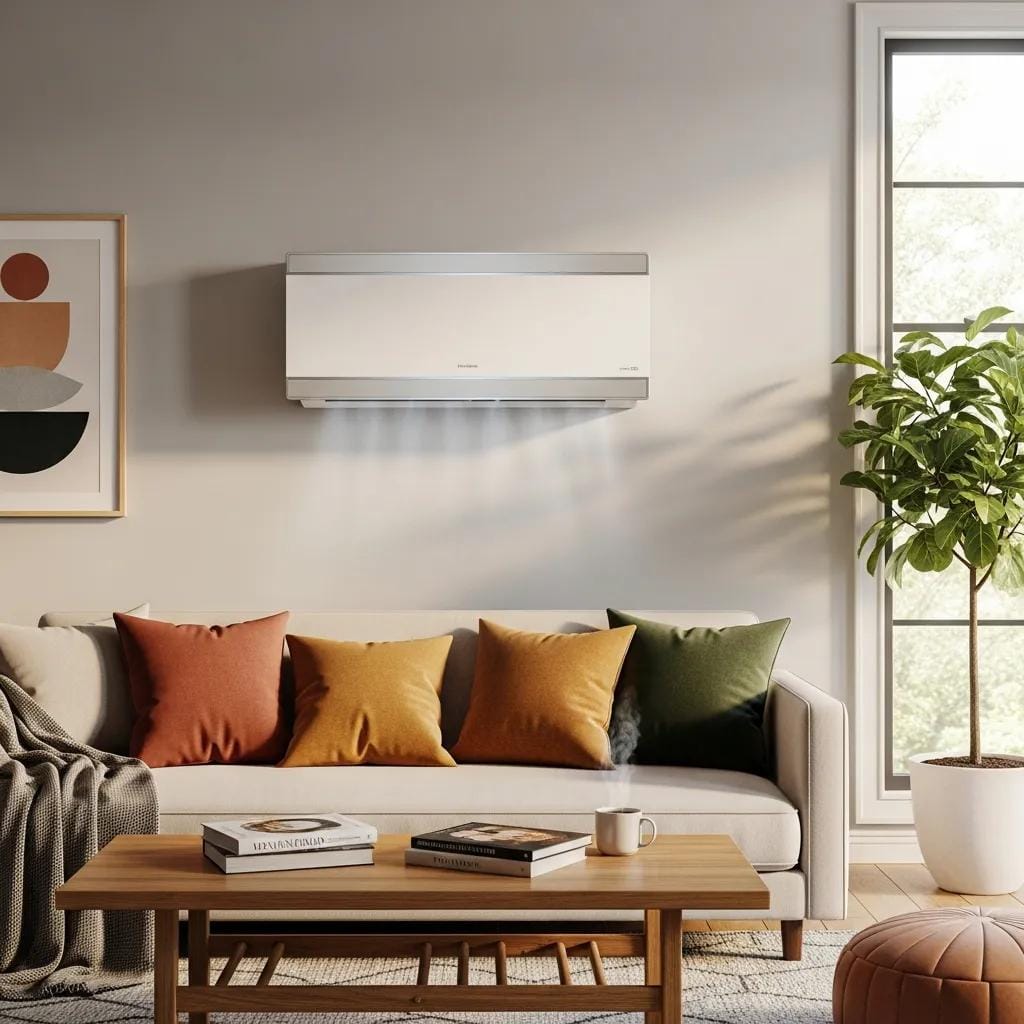
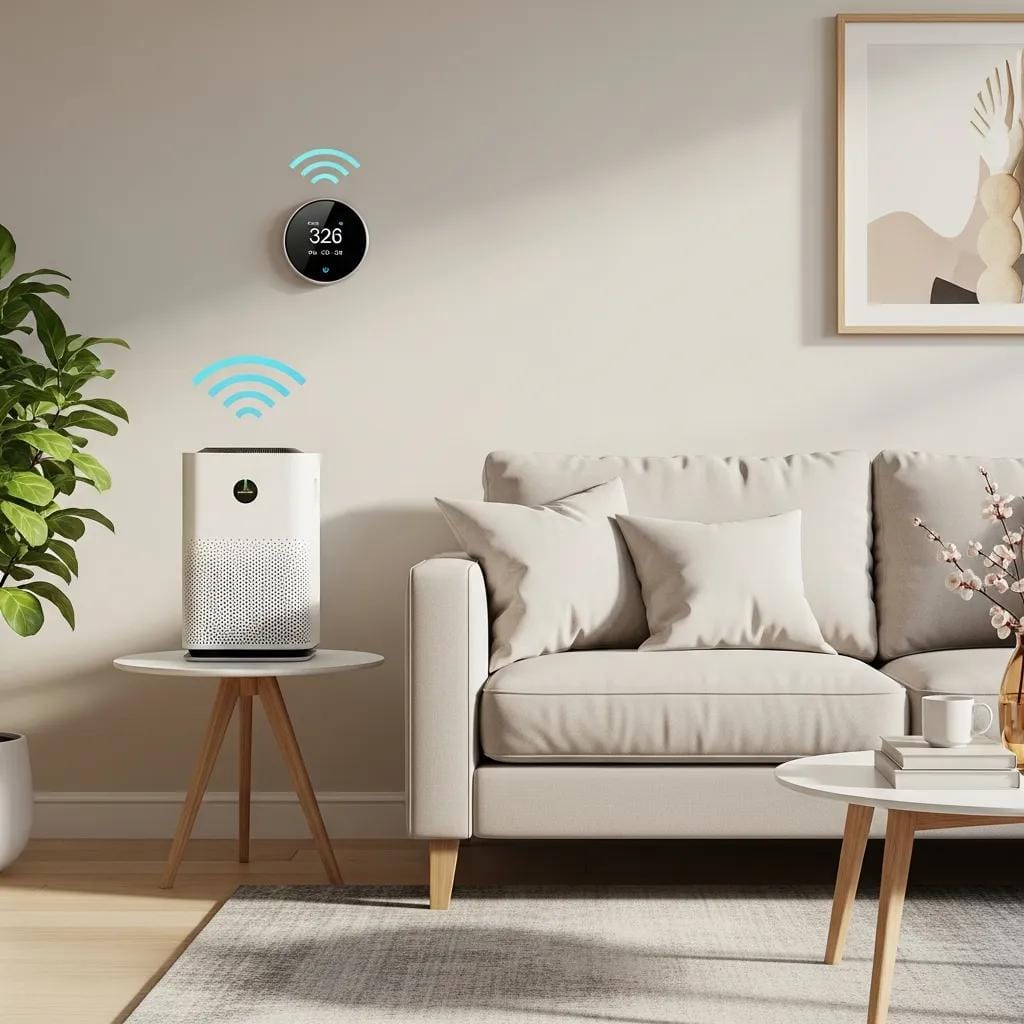
Upgrading a home’s comfort and efficiency has never been more thoughtful—or more accessible—thanks to a new generation of smart home HVAC accessories that make perfect gifts for homeowners. From Wi-Fi thermostats that learn schedules and optimize energy use to air quality monitors and smart vents that customize temperatures room by room, these high-tech add-ons blend convenience with long-term savings. In this guide, we’ll explore the best smart home HVAC gifts on the market, helping you choose presents that enhance daily living while reducing utility bills and environmental impact.
Smart Home HVAC Accessories That Instantly Upgrade Comfort
Why Are Smart HomeHVAC Accessories the Perfect Gifts for Homeowners?

Smart HVAC accessories are great gifts because they combine everyday comfort, ongoing energy savings, and better indoor air into one practical package. These devices automate temperature, monitor air quality, and act on sensordata to cut waste while keeping people comfortable — a big plus in climates with changing heating and cooling needs. Gifting a smart device turns efficiency into daily convenience: remote schedules, geofencing, and sensor-driven automation deliver results homeowners actually notice. Below, we break down the specific benefits of thermostats and air purifiers that make these accessories both useful and appreciated.
Smart thermostats lower energy use with adaptive schedules and clear energy reports that encourage efficient habits. Learning algorithms, remote access, and voice-assistant integration mean fewer manual changes and better temperature control when people are home, so comfort goes up without higher bills. Those thermostat gains pair naturally with air-quality solutions that tackle pollutants and health concerns inside the home.
Smart air purifiers protect occupants by combining HEPA filtration, activated carbon, and real-time sensors to cut particle counts and VOCs. Modern units adjust fan speeds automatically based on PM2.5 and VOC readings, improving breathing comfort for allergy sufferers, pet owners, and anyone sensitive to odors. Understanding how purifiers work makes it easier to match a device to a room or whole house; we cover that in the product guidance below.
Convenience, health, and efficiency make smart HVAC accessories thoughtful gifts for homeowners focused on comfort and lower utility costs. The sections that follow list top thermostat picks, purifier recommendations, system-level upgrades, and a clear checklist to help you choose the right smart HVAC gift.
What Benefits Do Smart Thermostats Offer for Energy Savings and Comfort?
Smart thermostats control heating and cooling using learning algorithms, occupancy detection, and remote access to keep homes comfortable while cutting energy use. They learn daily patterns or follow custom schedules, and features like geofencing and away modes prevent conditioning empty houses — directly reducing run time and utility costs. Energy reports give homeowners a clear view of usage; industry summaries show typical reductions in HVACenergy use of about 10–12% when devices are set up and used consistently. For Metro Atlanta homes, where both heating and cooling are needed seasonally, smart thermostats smooth transitions and cut wasted run time.
Beyond savings, smart thermostats improve comfort with multi-sensor setups and zoning compatibility that reduce hot and cold spots by factoring room-level temperatures into control decisions. App control and voice integration add hands-free convenience, and many thermostats include guided setup wizards to help homeowners through system checks. Being able to tweak schedules for vacations or irregular routines means a thermostat is a gift that keeps paying off. The next step is confirming compatibility and installation requirements so the chosen model performs as expected.
How Do Smart Air Purifiers Improve Indoor Air Quality and Health?
Smart air purifiers pair filtration with sensor-driven automation to lower airborne particles, allergens, and many common VOCs, which helps sensitive occupants breathe easier. HEPA filters capture fine particulate matter (PM2.5) while activated carbon stages adsorb odors and some gases. Built-in sensors automatically raise fan speeds when pollutant levels climb. For families with allergies, asthma, or pets, a purifier that reports air-quality trends and alerts on filter life takes the guesswork out of maintenance. Metro Atlanta households benefit from purifiers that respond to local air-quality changes, helping control pollen and seasonal particulates indoors.
Many smart purifiers also connect to apps and voice assistants, making control simple and allowing IAQ data to be shared across devices. Match coverage area and filter-replacement cadence to ensure steady performance and predictable running costs. Checking sensor types and CADR (clean air delivery rate) helps you pick the right-sized unit for the room, and a professional IAQ assessment can clarify whether a standalone unit or a whole-home solution is the better gift.
What Are the Best Smart Thermostat Gifts for Homeowners in Metro Atlanta?
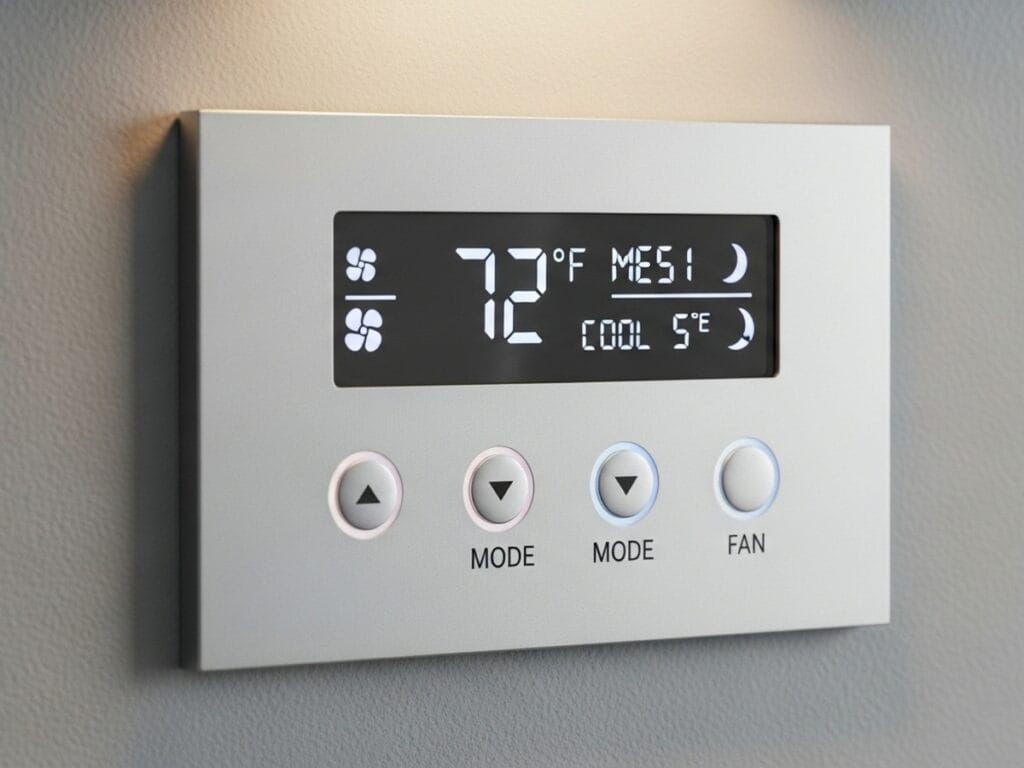
When gifting a smart thermostat, balance features, HVAC compatibility, and ease of setup so the unit actually saves energy and improves comfort. Leading thermostats differ in learning ability, sensor support, multi-zone readiness, and smart-home integrations — features that map to different homeowner needs. Before gifting, verify system compatibility (single- vs. multi-stage, heat pumps, C-wire) and plan for professional installation when wiring or system complexity goes beyond DIY. The quick comparison below highlights model strengths and homeowner benefits to help match a gift to a recipient.
The right brand or model depends on priorities like automated learning, remote sensors for multi-room sensing, or a budget-friendly, simple app. Below is a concise comparison of popular thermostat models and the homeowner benefits they provide.
The following table compares popular smart thermostat options and the benefits they deliver for homeowners:
| Thermostat Model | Key Feature | Homeowner Benefit |
|---|---|---|
| Nest Learning Thermostat | Learning schedules & energy reports | Hands-off efficiency with clear usage insights |
| Ecobee (with remote sensors) | Remote room sensors & multi-zone support | More balanced temperatures across rooms |
| Honeywell smart thermostats | Broad HVAC compatibility | Reliable fit for many system types |
| Sensi smart thermostat | Budget-friendly, simple app | Easy setup for cost-conscious users |
Which Smart Thermostat Brands and Models Are Most Popular?
Popularity usually follows features: learning thermostats attract tech-forward homeowners who want hands-off automation, while sensor-enabled models suit homes with uneven temperatures. Learning models cut down on manual changes over time, sensor-focused systems solve problem rooms, and value models keep things simple for users who want minimal fuss. Price and availability matter, and the right pick depends on whether the recipient values energy reports, multi-room sensing, or plug-and-play simplicity. Always confirm HVAC compatibility — especially whether a C-wire or adapter is required — to avoid installation issues.
How Does Ace Tech HVAC Ensure Expert Smart Thermostat Installation?
Ace Tech HVACoffers professional smart thermostat installation and integration across Metro Atlanta, with a focus on compatibility checks and solid configuration. Our technicians inspect the existing HVAC system to verify wiring (including C-wire needs), confirm single- or multi-stage compatibility, and identify if sensors or extra equipment will improve performance. Install work includes secure wiring, network setup, system calibration, testing in heat and cool modes, and a short user orientation that shows app control and energy reporting. We follow up with maintenance tips so homeowners see the expected energy savings and avoid common setup problems.
Local knowledge matters: Ace Tech matches thermostat choice to system type and home layout instead of forcing a one-size-fits-all solution. That means the gift will work out of the box and keep delivering comfort and efficiency over time.
Which Smart Air Purifiers and Indoor Air Quality Devices Make Great Gifts?

Smart air purifiers and indoor-air-quality devices are thoughtful gifts that address health, comfort, and odors while offering easy monitoring and automation. Devices differ by filter technology, sensor types, and coverage area, so matching the purifier to the room size and the homeowner’s health priorities gives the best result. Standalone purifiers suit bedrooms and living rooms; whole-home filtration or integrated IAQ monitors may be a smarter choice for larger or multi-level houses. Below is a feature checklist and product comparison to help you pick the right purifier for allergies, small rooms, or whole-house concerns.
Before gifting a purifier, check filter type, CADR for the room size, and whether PM2.5/VOC sensors are included to enable automatic response. The table below compares common purifier picks by filter/sensor and the health impact to help match devices to use cases.
| Device / IAQ Option | Filter / Sensor | Health / Comfort Impact |
|---|---|---|
| Levoit (portable) | HEPA + activated carbon | Effective allergen and odor control for bedrooms |
| Coway (compact) | HEPA with smart sensors | Balanced performance for small to medium rooms |
| Blueair (higher CADR) | HEPA + advanced filtration | Strong particle removal for large living areas |
What Features Should You Look for in Smart Air Purifiers?
When choosing a smart air purifier, prioritize HEPA filtration, activated carbon for gases and odors, reliable PM2.5 and VOC sensors, and app or voice control for convenience. Make sure the CADR fits the room size so air exchanges happen quickly, and use filter-replacement alerts to keep performance steady without guesswork. Compare energy use and filter costs to understand long-term running expenses. These choices affect health outcomes and ownership costs, and they help decide whether a single-room unit or a whole-home IAQ solution is the better gift.
How Can Ace Tech HVAC Integrate Smart Air Purifiers into Home Systems?
Ace Tech HVAC provides IAQ integration services that determine whether standalone purifiers or whole-home solutions are best for a particular house. Our technicians perform a home assessment, inspect ducting and existing filtration, and recommend purifier models or ducted options that match occupant health needs and the HVAC system’s capabilities. For ducted installations, we coordinate placement, connections, and controls so purifiers work with the HVAC schedule and keep airflow balanced. We also include maintenance and filter-replacement scheduling to help homeowners maintain IAQ performance over time.
Our diagnostic approach removes guesswork and ensures purifier recommendations align with HVAC operation and home layout. That prevents oversizing or undersizing equipment and gives clear maintenance guidance so gifted purifiers deliver consistent health and comfort benefits.
How Do Smart HVAC System Enhancements Improve Home Comfort and Efficiency?
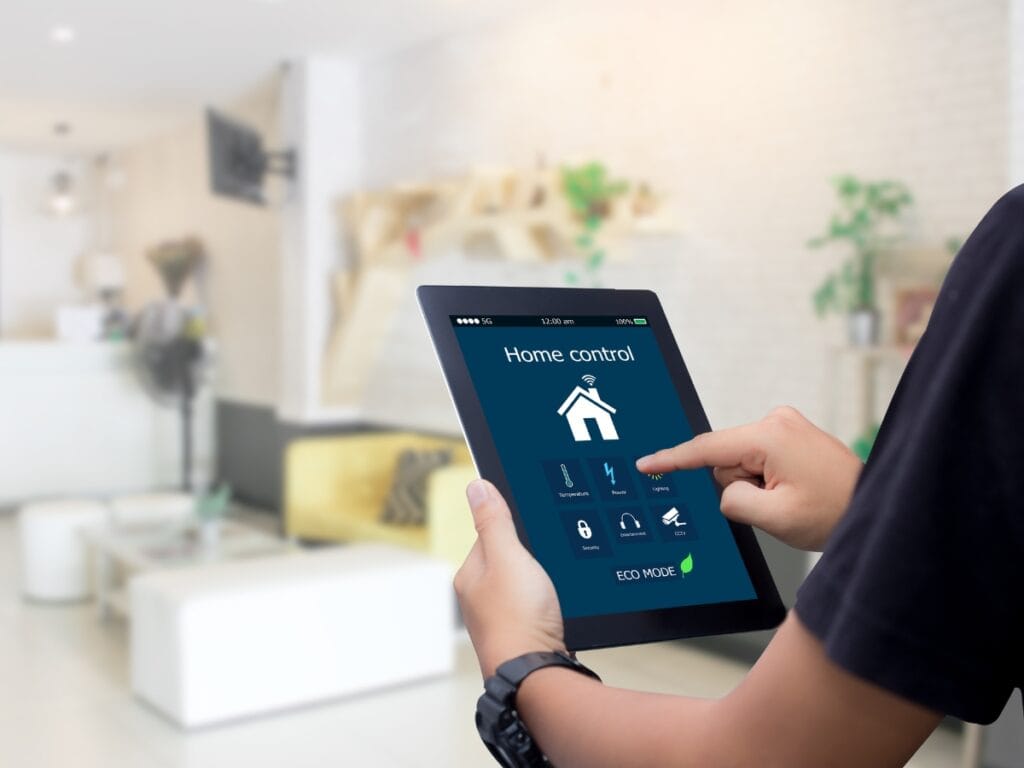
Smart upgrades that work at the system level, such as zoning controls, smart vents, and room sensors, go beyond a single thermostat and give you much finer control over how your home is heated and cooled. Instead of conditioning the entire house to one temperature, these tools let you direct comfort to the spaces you actually use, when you use them. That reduces wasted runtime, smooths out hot and cold spots, and often lowers utility bills without sacrificing comfort.
Zoning systems rely on motorized dampers inside the ductwork and a central controller that manages different areas of the home as separate zones. For example, you might group bedrooms into one zone and main living spaces into another so each can hold its own setpoint. Smart vents and wireless sensors push this idea down to the room level by adjusting individual registers based on occupancy, temperature, or time of day. When these smart home HVAC accessories are configured correctly, they work together to optimize airflow and runtime in each zone based on real demand, rather than treating the entire house as one large space.
Cost and complexity vary. A basic single-zone kit that targets one problem area usually involves moderate work and delivers targeted comfort improvements. A full multi-zone system, with multiple dampers and a more advanced controller, requires more design and installation time but can provide a noticeable jump in comfort and energy savings across the whole home. Smart vent systems fall somewhere in the middle, with installation focused at the register level, but they still need a careful evaluation of the existing equipment and ductwork. Comparing these options side by side helps you decide which smart home HVAC accessories are a realistic next step for your house and your budget.
What Are Smart Zoning Systems And Their Benefits For Homeowners?
Smart zoning divides your home into distinct areas that can each follow their own temperature schedule. Motorized dampers inside the ducts open and close under the direction of a central control panel, while individual thermostats or sensors in each zone report what is happening in real time. Instead of overcooling one part of the house just to make another part comfortable, zoning lets you target effort where people actually spend their time.
This has several practical benefits. Persistent hot or cold rooms are often the first problems to improve, especially in multi-story homes where upstairs spaces tend to run warmer. Underused areas, such as guest rooms or formal spaces, do not need the same level of conditioning as everyday living zones, so the system can run less often to keep them at a reasonable background temperature. Over time, that reduces energy use and wear on the equipment. Because zoning interacts directly with ductwork and controls, installation can range from straightforward to fairly complex, depending on how accessible the ducts are and how many separate zones you want. A professional assessment is usually the best way to understand what level of zoning makes sense for your home.
How Do Smart Vents Optimize HVAC Performance?
Smart vents are another category of smart home HVAC accessories that work at the individual room level. Each vent includes a small actuator and usually communicates with a central hub or app, along with temperature or occupancy sensors. By opening and closing in response to room conditions, smart vents can nudge more air toward spaces that need it and reduce airflow to rooms that are already comfortable or empty. This helps fine-tune comfort without immediately redesigning your entire duct system.
However, smart vents need to be used with care. Closing too many vents at once can raise static pressure in the ducts and put stress on the furnace or air handler. Good installations take this into account by limiting how many vents can close at the same time, monitoring pressure where possible, and coordinating vent behavior with thermostat calls. When configured thoughtfully, smart vents can improve comfort in stubborn rooms and reduce wasted conditioning in low-use areas. Paired with a smart thermostat and, in some homes, zoning controls, they create a more responsive system that better matches how you actually live day to day.
How To Choose The Right Smart HVAC Gift For Homeowners
Choosing smart home HVAC accessories as a gift can be a great way to make someone’s home more comfortable and efficient, but it helps to do a little homework first. Start by confirming that the device you are considering is compatible with the existing system. For thermostats, that usually means checking whether a C-wire is present and identifying the type of HVAC equipment in the home, such as a heat pump, conventional furnace, or dual fuel setup. A quick look at the current thermostat wiring or a short conversation with the homeowner can prevent a gift that looks great on paper but cannot be installed without extra work.
It is also important to match the accessory to the size and layout of the space. For example, if you are thinking about an air purifier, look at the clean air delivery rate and compare it to the square footage of the room where it will be used most often. A device that is too small will run constantly and still struggle to keep up, while one that is sized correctly will feel more effective and quieter in daily use. The same idea applies to smart thermostats that rely on remote sensors. Larger homes or multi-story layouts often benefit from extra sensors that help the system understand what is happening in more than one room.
The recipient’s comfort with technology matters just as much as the technical specs. Some homeowners enjoy detailed apps, graphs, and advanced automations. Others prefer a simpler interface that works well without much tinkering. When you are choosing smart home HVAC accessories as gifts, it can be kinder to pick models with clear, user-friendly apps and straightforward controls if you know the person is not especially tech-focused. That way, the gift feels helpful instead of overwhelming.
Finally, think about maintenance before you buy. Many smart devices need periodic filter changes, firmware updates, batteries, or a stable power source. Make sure replacement filters are available at reasonable prices and that the device does not require constant attention to stay useful. A gift that fits the home, the HVAC system, and the recipient’s habits will be easier to live with and more likely to deliver the comfort and efficiency gains you have in mind.
What Factors Should Influence Your Smart HVAC Accessory Selection?
Several practical factors should guide your final choice. The first is how the existing HVAC system is wired and controlled. Some thermostats need a C-wire for power, while others can work with adapters or internal batteries. Knowing which setup is already on the wall will narrow your options quickly. It is also worth checking whether the system supports features like multi-stage heating or cooling, since not every thermostat can handle more complex equipment.
Next, consider the home itself. A compact condo with a single system may need only one smart thermostat and perhaps one or two sensors. A larger house with additions, finished basements, or unused rooms might benefit more from accessories that offer zoning, room-level temperature awareness, or better airflow management. Households with pets or allergy concerns may get more value from smart purifiers or monitors that track air quality and remind the owner when filters need attention.
Budget is another factor, and it should include both the purchase price and ongoing costs. Smart home HVAC accessories sometimes require subscriptions, replacement filters, or occasional professional help if integration becomes complicated. When you compare options, think in terms of total cost of ownership rather than just the price on the box.
How Can Energy Efficiency And Smart Home Integration Impact Gift Value?
Energy efficiency and integration with other smart devices can turn a thoughtful present into something that keeps providing value long after it is unwrapped. A well-chosen thermostat that is installed correctly and configured around the household schedule can quietly trim heating and cooling costs month after month. Accessories that work with existing platforms, such as voice assistants or broader smart home hubs, make it easier for the recipient to build simple automations, like adjusting temperatures when nobody is home or coordinating fan use with air quality readings.
Integration also reduces friction. When smart home HVAC accessories can be controlled from the same app as lights, locks, or security cameras, people are more likely to use the features you are essentially gifting them. They can see temperature, runtime, and even basic energy use patterns in one place, which makes it easier to adjust habits over time.
In the end, the best smart HVAC gift is one that fits the existing system, matches the size and needs of the home, feels approachable for the person using it, and offers clear efficiency benefits without a lot of extra hassle. When those pieces line up, the accessory becomes more than a gadget. It becomes a daily upgrade to comfort and control that quietly reminds the homeowner of your good judgment every time the system turns on.
What Makes Ace Tech HVAC The Trusted Choice For Smart HVAC Device Installation In Atlanta?
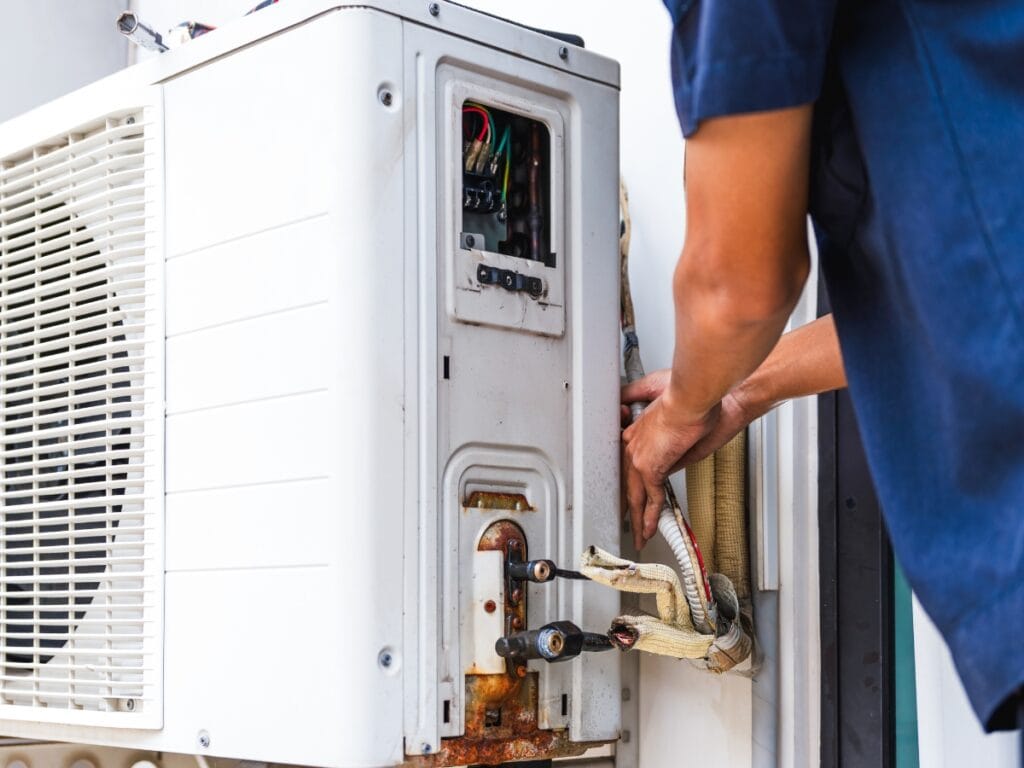
Ace Tech HVAC has built its reputation in Metro Atlanta by focusing on careful installation, clean integration, and ongoing support for smart thermostats, air purifiers, and whole-home air quality systems. Instead of treating these devices as stand-alone gadgets, the team looks at how each one fits into the existing equipment, ductwork, and wiring so the entire system works together smoothly. That approach matters when you are investing in smart home HVAC accessories, since even the best device will underperform if it is wired incorrectly or configured in a hurry.
Local technicians understand the demands of Atlanta’s climate and the way homes here are typically built, from older bungalows to newer multi-story layouts. They prioritize energy-efficient setups, licensed installation practices, and clear communication with homeowners. Before any work begins, Ace Tech HVAC checks compatibility, explains options, and talks through how the device will be used day to day. After installation, follow-up support is available so questions about apps, schedules, or new features do not linger. For homeowners who want smart home HVAC accessories to improve comfort rather than complicate it, that combination of technical skill and practical support is often what earns long-term trust.
How Do Licensed Experts Ensure Reliable Installation And Support?
Smart devices are only as good as the installation behind them. Licensed technicians at Ace Tech HVAC follow a step-by-step process that starts with a full look at the current system. They inspect wiring, confirm the presence or absence of a C-wire, check control boards, and identify any older components that could cause problems with new equipment. This upfront work helps avoid surprises once the thermostat, purifier, or controller is on the wall.
During installation, technicians mount devices securely, verify every connection, and configure settings to match the home’s actual HVAC control logic. They test the system in heating and cooling modes, confirm that sensors are reading correctly, and make sure airflow and staging behave as expected. Once everything is running, they walk the homeowner through the app, show how to adjust schedules, and explain what alerts or reminders mean. Settings are documented so future adjustments or troubleshooting have a clear starting point. The goal is not just to get the device online, but to make sure it reliably delivers the comfort, control, and energy savings that smart home HVAC accessories are designed to provide.
What Maintenance And Emergency Services Does Ace Tech Offer For Smart HVAC Systems?
Smart HVAC setups need occasional attention to stay reliable, especially when filters, sensors, and cloud-connected features are involved. Ace Tech HVAC offers maintenance plans that include routine checks on both the core system and the connected accessories. During these visits, technicians can calibrate sensors, review thermostat logs, confirm that firmware is current, and test network connections for devices that rely on Wi-Fi or hubs. They also inspect filters in purifiers and air handlers, replace them on schedule, and verify that air quality features are performing as intended.
When something goes wrong, access to timely support can make the difference between a minor inconvenience and a serious comfort problem. Ace Tech HVAC provides emergency service for issues that affect smart controls or core system operation, such as a thermostat that will not call for heating or cooling, or a control error that shuts the system down. By combining regular maintenance with responsive repair support, they help homeowners protect their investment in smart home HVAC accessories, reduce the likelihood of sudden breakdowns, and keep comfort levels stable throughout Atlanta’s changing seasons.
Frequently Asked Questions
Smart home HVAC accessories can be tricky to shop for, especially if you are buying them as a gift. The questions below walk through the most common concerns so you can match the right device to the right home and avoid surprises after installation.
What Should I Consider When Choosing A Smart HVAC Accessory As A Gift?
Start with the basics of the home’s existing setup. A smart thermostat, for example, needs to be compatible with the current HVAC system and wiring. Checking for a C-wire and confirming whether the equipment is single-stage, multi-stage, or a heat pump will narrow the list of models that will work. For air purifiers, look at the room size where it will be used most and choose a unit with a clean air delivery rate that can handle that square footage without running at full speed all day.
It also helps to think about how comfortable the recipient is with technology. Some people enjoy detailed apps and custom routines, while others prefer a simple display and a few clear options. When you are choosing smart home HVAC accessories as gifts, a user-friendly interface usually matters as much as the feature list. Do not forget ongoing maintenance either. Filters, batteries, and occasional app updates are part of ownership, so it is worth picking products with easy access to replacement parts.
How Do Smart HVAC Accessories Contribute To Energy Efficiency?
Smart devices improve efficiency by using real-time data instead of static settings. A smart thermostat tracks patterns such as when people are home, asleep, or away and adjusts temperatures to avoid unnecessary runtime. Smart vents and room sensors can push more conditioned air toward occupied rooms and reduce it in spaces that are empty, which cuts waste and helps the main system work less hard.
When several smart home HVAC accessories work together, they create a more responsive system that uses energy where it actually makes a difference. Over time, that can lower utility bills and reduce wear on the equipment, without asking the homeowner to constantly tweak settings.
Can Smart HVAC Accessories Improve Indoor Air Quality?
Many accessories focus directly on air quality. Portable or whole-home purifiers with HEPA filters capture small particles such as dust, pollen, and pet dander, while units with activated carbon can help with common household odors. Some devices include built-in sensors that monitor air quality and change fan speed automatically when pollution levels rise.
For households with allergies, asthma, or pets, these features can make a noticeable difference in day-to-day comfort. When combined with regular filter changes and routine HVAC maintenance, they help keep indoor air cleaner and more consistent throughout the year.
What Are The Installation Requirements For Smart HVAC Devices?
Installation needs vary a lot by device. Most smart thermostats need a constant power source, which usually means a C-wire, and must match the capabilities of the existing HVAC system. Air purifiers work best when placed where air can circulate freely, rather than hidden behind furniture. More complex accessories, such as zoning controls or smart vent systems, often require a technician who can evaluate ductwork, static pressure, and control boards before starting.
If you are unsure what the current system can support, a short visit from a qualified technician can save time and prevent the frustration of buying a device that will not work as expected.
How Can I Ensure My Smart HVAC Devices Work Together Effectively?
The easiest way to keep devices working smoothly is to choose products that can live in the same ecosystem. Look for smart home HVAC accessories that support common standards such as Wi-Fi, Zigbee, or similar protocols and that list compatibility with the major smart home platforms you already use. Once installed, keep firmware updated, check connections occasionally, and review automations every so often to be sure they still match your routine.
When devices speak the same “language” and are set up with a clear plan, you get the long-term benefits these accessories promise: better comfort, lower energy use, and a home that is easier to manage from your phone or a central hub.
Conclusion
The right smart home HVAC accessories is more than a gift—it’s an upgrade that brings daily comfort, energy savings, and modern convenience to any homeowner. Whether it’s a smart thermostat for effortless climate control or advanced air quality monitors for a healthier home, these technologies make life easier and more efficient. At inAir Heating & Air, we help you select and install the perfect HVAC accessories to enhance your home’s existing system. Give the gift of smarter living this season. Call (770) 233-7777 or submit an HVAC request online today to explore our solutions. Let’s make home the most comfortable place on earth.