Your HVAC system works hard to keep your home comfortable, but its performance depends heavily on one small component: the air filter. Choosing the wrong type or ignoring regular replacements can reduce airflow, strain your system, and affect indoor air quality. This ultimate HVAC air filter guide covers everything you need to know about filter types, MERV ratings, and how often to replace them.
Not all filters are created equal. Some are designed to trap larger dust particles, while others capture allergens, pet dander, and microscopic pollutants. Understanding MERV ratings helps you strike the right balance between filtration efficiency and proper airflow.
With the right knowledge, you can improve system performance, extend equipment lifespan, and maintain cleaner indoor air throughout the year.
The Homeowner’s Air Filter Guide Explained
What Are HVAC Air Filters And Why Are They Essential?
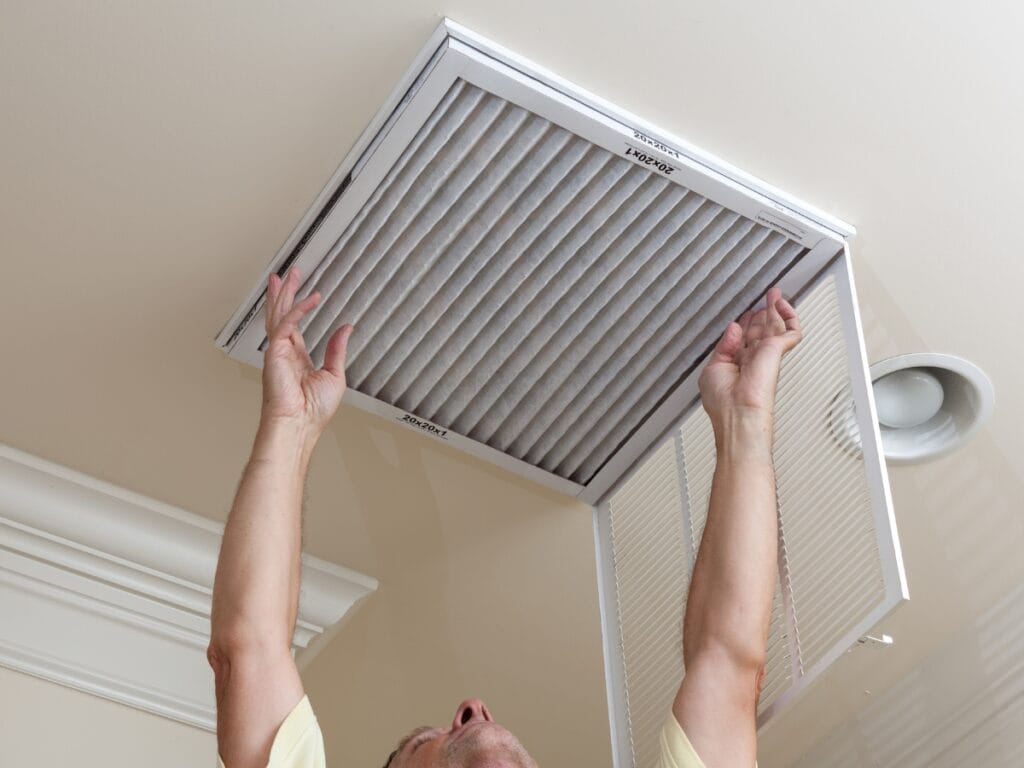
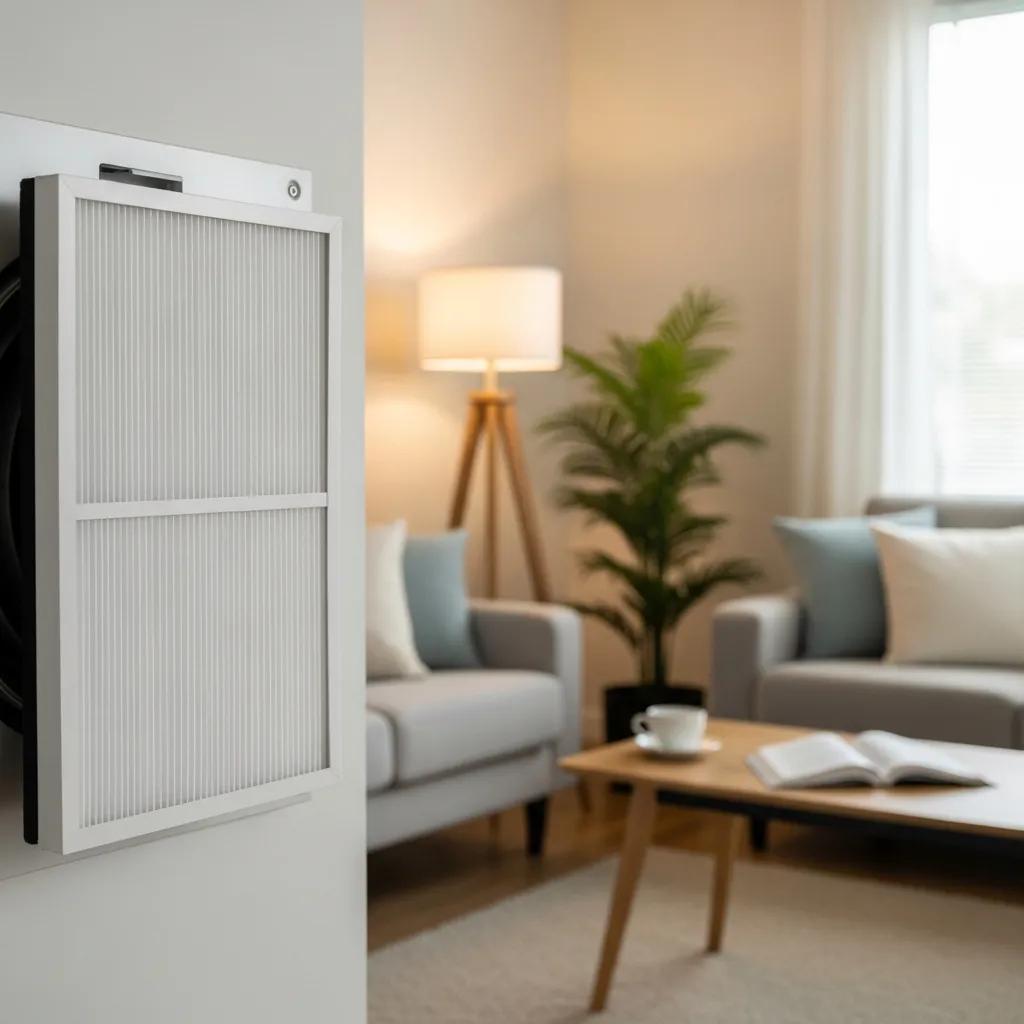
HVAC air filters are a core part of how a heating and cooling system keeps air moving cleanly through your home. They sit in the return air path and catch particles before that air cycles back through the equipment and into living spaces.
Most homeowners think of filters as an indoor air quality system, but they also protect the system itself. When a filter is missing, clogged, or the wrong type, the HVAC system has to work harder to pull air through, which can affect comfort, efficiency, and long-term wear.
A good air filter guide should start with two basic jobs that filters do at the same time. First, they reduce the amount of dust, debris, and allergens circulating indoors. Second, they help prevent buildup on sensitive HVAC components like the blower and coil.
When those parts get dirty, airflow can drop, and the system can run longer to reach the same temperature. That can lead to higher energy use and more strain on the equipment. Regular filter changes are one of the simplest habits that support both cleaner indoor air and steadier HVAC performance.
Filters also help with consistency. When airflow stays stable, temperatures tend to feel more even from room to room. When airflow is restricted, you can see common issues like weak airflow from vents, longer run times, and more dust settling around the home. That is why replacing a filter on schedule is not just a “maintenance tip,” it is often the first step in troubleshooting comfort problems.
How Do HVAC Air Filters Improve Indoor Air Quality?
HVAC air filters improve indoor air quality by capturing particles that would otherwise circulate through the home. As air moves through the return, the filter traps debris and keeps it from being redistributed through supply vents.
This matters most for everyday particles like dust and pet dander, but it can also help reduce seasonal irritants like pollen. Over time, consistent filtration can make the home feel cleaner, especially in rooms where dust tends to collect quickly.
For households with allergies, asthma, or other sensitivities, filtration becomes more than a comfort feature. A properly selected filter can reduce the concentration of airborne irritants, which may help minimize symptoms for some people. It is important to remember that a filter is only one part of indoor air quality.
Ventilation, humidity control, cleaning habits, and source control all matter too. Still, following an air filter guide and keeping filters on a regular replacement schedule is one of the most straightforward ways to reduce what is floating in the air you breathe.
There is also a practical side to air quality that homeowners notice right away. When the filter is doing its job, you may see less dust on surfaces and fewer buildup issues around vents. You may also notice fewer lingering odors, especially in homes with pets or high foot traffic. Those improvements are subtle, but they add up over time when filtration is consistent.
What Common Airborne Particles Do HVAC Filters Capture?
Most HVAC filters are designed to capture a mix of large and small particles that commonly circulate indoors. Dust and dust mites are among the most frequent, especially in homes with carpet, fabric furniture, or active foot traffic. Pollen is another common particle, particularly during spring and fall when doors and windows are opened more often, and outdoor allergens are high.
Pet dander is a major issue in many households, and filters can help reduce how much dander recirculates through the system. Mold spores can also be present, especially in humid environments or in homes with moisture issues. Smoke particles, including those from cooking or outdoor sources, may also be trapped depending on the filter type and efficiency level.
This is where an air filter guide becomes useful, because not every filter captures the same range of particles. Some are designed mostly to protect the equipment by catching larger debris, while others are better at capturing finer particles that affect indoor air quality.
The key is selecting a filter that balances filtration with airflow, then replacing it before it becomes clogged. Even a high-quality filter will not help if it is overdue for a change and is restricting airflow through the system.
How to Understand and Choose the Right MERV Rating for Your Home?
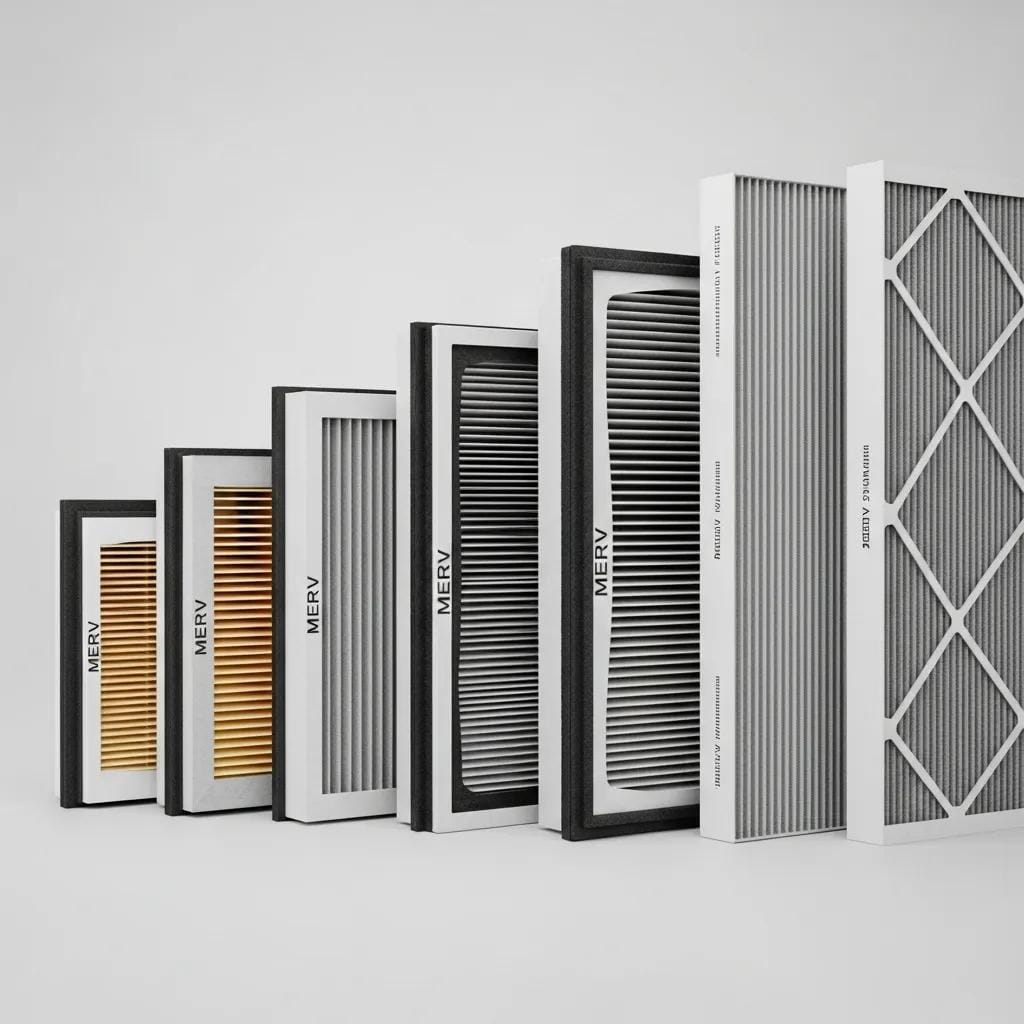
Choosing a filter is not just about buying the “highest number” on the shelf. The right MERV rating balances filtration with airflow, because your HVAC system needs steady air movement to heat and cool effectively.
A filter that is too restrictive for your system can reduce airflow, increase run time, and sometimes lead to comfort issues like uneven temperatures or weaker air coming from vents. On the other hand, a filter that is too low may not capture the particles you actually want to reduce. A practical air filter guide helps you choose a rating that fits both your indoor air goals and your system’s ability to move air.
MERV ratings range from one to twenty. Higher numbers generally mean the filter can capture smaller particles more efficiently. That is useful for improving indoor air quality, but it also means the filter material is often denser.
The best choice depends on your household, how dusty your home tends to be, whether you have pets, and how sensitive anyone is to allergens. It also depends on your HVAC setup, including filter size, ductwork, and how well the system was designed for airflow.
If you are unsure what your system can handle, it is usually safer to choose a moderate MERV rating and change the filter consistently than to install a very high-rated filter and forget about it. Consistency matters because even a good filter becomes a problem once it is clogged.
What Is A MERV Rating And How Does It Measure Filter Efficiency?
MERV stands for Minimum Efficiency Reporting Value. It is a standardized rating that measures how effectively a filter captures particles across a range of sizes. In simple terms, the higher the MERV rating, the more fine particles the filter is designed to trap.
Lower MERV filters are better at capturing larger debris like dust and lint, while higher MERV filters do a better job catching smaller particles that can affect comfort and air quality.
What makes MERV useful is that it gives homeowners a way to compare filters without guessing. If you are shopping for filters and want a clearer idea of what you are getting, an air filter guide centered on MERV ratings can help you match the filter to your needs.
For example, if your main concern is everyday dust, you might not need a very high rating. If your home has pets, allergy symptoms, or heavy outdoor pollen, a higher rating can make more sense.
It is also important to remember that filtration is only one part of HVAC performance. A filter that captures more particles is helpful, but not if it restricts airflow enough to make the system work harder. That is why MERV ratings should always be considered alongside your system’s requirements and your replacement schedule.
Which MERV Ratings Are Best For Atlanta Homes With Allergies Or Pets?
For many Atlanta households, a MERV rating in the eight to thirteen range is a practical sweet spot. It tends to capture common irritants like pollen and pet dander more effectively than low-rated filters, while still allowing most residential HVAC systems to maintain adequate airflow.
This range is often a good fit for homes with allergies, pets, or higher dust levels, especially during peak pollen seasons when indoor air can feel heavier.
If you have pets, a moderate-to-higher MERV filter can help reduce how much dander and fine debris recirculate through the home. That does not eliminate pet allergens completely, but it can make the air feel cleaner when combined with consistent vacuuming, regular dusting, and keeping the filter changed on schedule. For allergy-prone households, this same MERV range can help with seasonal pollen and everyday indoor particles that trigger symptoms.
The key is not only choosing the rating, but maintaining it. Higher-rated filters can load up faster, especially during heavy-use seasons like summer cooling in Atlanta. If you choose a MERV thirteen filter and leave it in too long, it may become restrictive and undo the benefits you were aiming for.
A good air filter guide should always pair MERV recommendations with a realistic replacement routine based on your home’s conditions. If you notice reduced airflow, more dust than usual, or longer system run times, those can be signs that the filter needs to be changed sooner than expected.
What Are The Different Types Of HVAC Air Filters And Their Benefits?
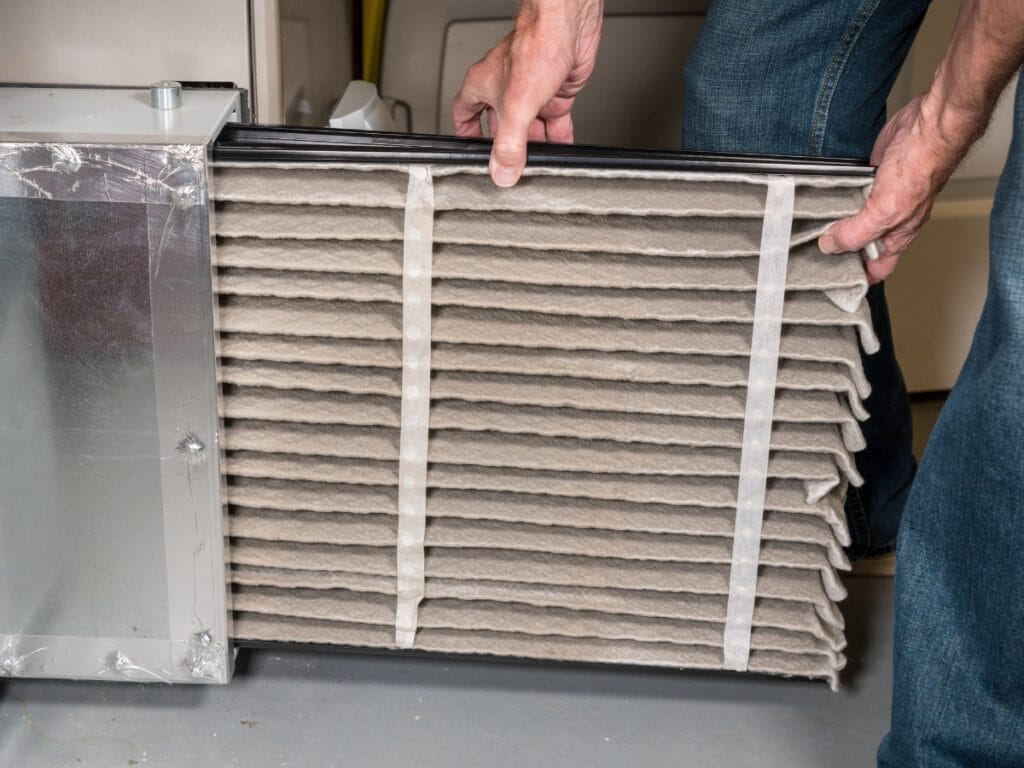
Most homeowners know they need to change their HVAC filter, but the type of filter matters just as much as the schedule. Different filter materials capture different particles, and they can affect airflow in different ways.
A solid air filter guide helps you choose a filter that supports indoor air quality without making your system work harder than it should. The “best” filter is not always the most expensive one. It is the one that matches your home’s needs, your HVAC system, and how often you can realistically replace it.
It also helps to remember what the filter is doing. Part of the job is protecting the equipment by keeping dust and debris out of the system. The other part is improving the air you breathe by capturing particles that would otherwise circulate through the home.
Some filters focus more on equipment protection, while others do more for air quality. The right choice depends on whether your main concern is dust, allergies, pets, odors, or a mix of all of the above.
How Do Fiberglass, Pleated, Electrostatic, HEPA, And Carbon Filters Compare?
Fiberglass filters are usually the most basic option. They are designed to catch larger particles like lint and visible dust, which helps protect the HVAC system, but they do not do much for finer particles. Their main appeal is that they are inexpensive and easy to find. The tradeoff is that they typically need to be replaced often, and they are not ideal if your goal is cleaner indoor air.
Pleated filters are one of the most common upgrades because they offer better filtration while still working well in many standard residential systems. The pleats increase surface area, which helps the filter capture more dust, pollen, and dander without clogging as quickly as a flat filter.
Many homeowners find this type to be a comfortable middle ground, especially when they want better air quality but do not want to risk airflow issues.
Electrostatic filters use a static charge to attract particles. Some are disposable and some are washable, depending on the design. They can do a better job capturing smaller particles compared to basic filters, but performance varies by brand and maintenance.
If the filter is washable, it only works well if it is cleaned thoroughly and allowed to dry completely. If it is not maintained, it can become less effective and restrict airflow.
HEPA filters are known for very high filtration, and they are often associated with air purifiers. In many typical residential HVAC systems, true HEPA filtration is not a direct swap-in option because of airflow resistance and fit.
Some HVAC setups can be designed to accommodate HEPA-grade filtration, but it is not always compatible with standard filter slots. Still, HEPA filters are useful to understand in an air filter guide because they set the benchmark for capturing fine particles, which matters for households with significant sensitivities.
Carbon filters focus on odors and certain gases rather than dust. They are often used when cooking smells, pet odors, or smoke are a concern. Carbon filtration can be paired with particle filtration in some filters, which makes it a helpful add-on if you want both cleaner air and odor reduction. The key is knowing that carbon is not a replacement for good particle filtration; it is a supplement for specific issues.
Which Filter Types Offer The Best Balance Of Efficiency And Airflow?
For many homes, pleated filters offer the most practical balance. They typically capture more of the particles people actually notice, like dust, pollen, and pet dander, while still allowing enough airflow for the HVAC system to run efficiently.
This is why they are often recommended as a reliable everyday option in a general air filter guide. They also tend to last longer than basic fiberglass filters because the added surface area allows them to load more slowly in normal conditions.
That said, the best balance depends on your home. If you have multiple pets, heavy allergy issues, or higher dust levels, a higher-efficiency pleated filter may make sense as long as your system can handle it.
If your system is older or you have known airflow problems, a moderate pleated filter and more frequent replacement might be the better choice. The goal is steady airflow with consistent filtration, not maximum filtration at the expense of performance.
No matter which type you choose, replacement habits are what make the filter effective. Even a great filter becomes a problem if it is left in too long and starts choking airflow. A good air filter guide always comes back to the same point: choose a filter your system can handle, then change it often enough that it stays clean and breathable.
How Often Should You Change Your HVAC Air Filter, and What Are The Signs?
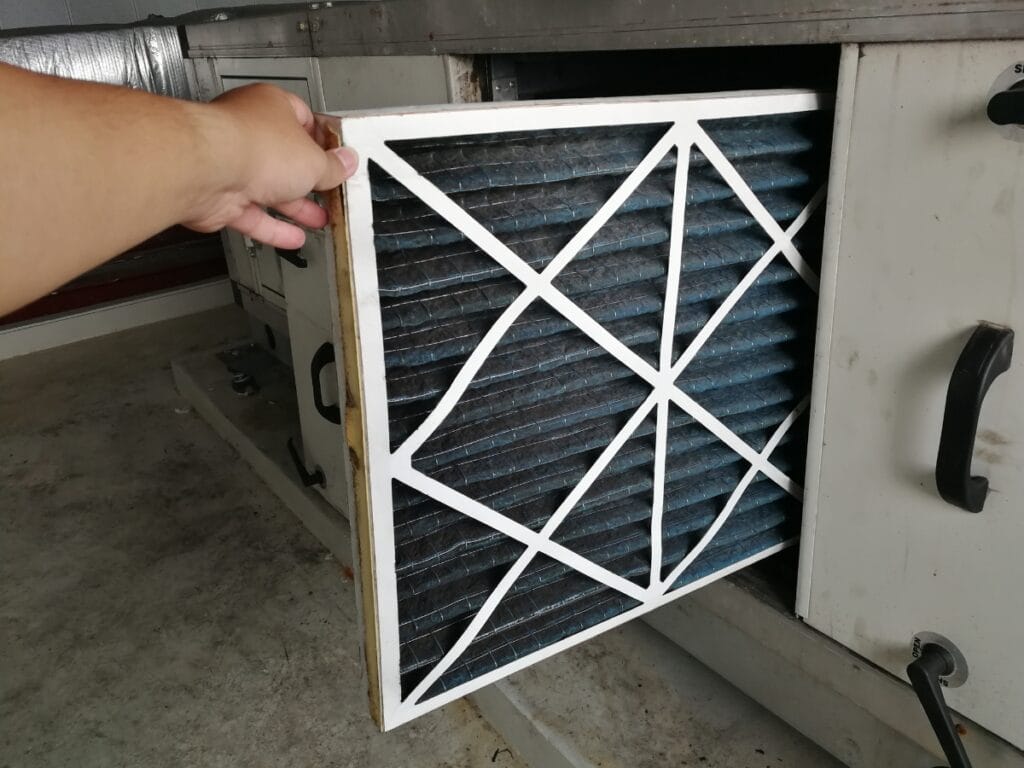
Most homeowners hear the general rule of thumb that filters should be changed every one to three months, but the truth is that the right schedule depends on what is happening inside your home. Some households can go closer to three months without issues, while others need monthly changes to keep airflow steady.
A practical air filter guide focuses less on a fixed calendar and more on the conditions that load a filter faster, like pets, indoor dust, remodeling, and heavy system run time during peak heating and cooling seasons.
In Metro Atlanta, air conditioning runs hard for long stretches, and that alone can shorten the lifespan of a filter. Add in pollen season, humidity, and the fact that many homes keep windows closed for comfort, and you have a setup where the HVAC system is moving a lot of air for many months of the year.
More air moving through the system means more particles hitting the filter. That is why it is smart to check the filter regularly instead of assuming the same schedule works year-round.
If you prefer a simple approach, start by checking the filter monthly and replacing it when it looks visibly dirty. Over time, you will learn the rhythm of your house. Once you know how long your filter stays clean in summer versus winter, it becomes easy to set a schedule that actually fits your situation.
What Factors Affect Air Filter Replacement Frequency In Metro Atlanta?
Filter type is one of the biggest factors. Basic filters usually load up faster and need more frequent replacement, while higher-quality pleated filters often last longer because they have more surface area. Even then, a higher-efficiency filter can clog sooner if your home has high dust levels or if the HVAC system is running constantly.
Your home environment matters just as much. Pets add dander and fur, which can fill a filter quickly. If anyone in the house has allergies, you may choose a higher filtration level, which can also mean a shorter replacement window, depending on how quickly it loads.
Homes near busy roads, construction, or wooded areas may also see faster buildup. Even lifestyle habits can play a role, such as how often you cook, whether you burn candles, or how frequently doors are opened to the outside.
System usage is another major factor. In Atlanta, long cooling seasons mean the blower is moving air through the filter for extended periods. If you run the fan continuously, that can also shorten filter life.
Humidity does not clog a filter by itself, but it can contribute to dust sticking and buildup, especially if the home has moisture issues. This is why an air filter guide should always mention that the same home may need different replacement timing depending on the season.
What Are The Common Signs Of A Clogged Or Dirty Air Filter?
One of the first signs is reduced airflow. If the air coming from vents feels weaker than usual, or certain rooms are not getting the airflow they normally do, the filter may be restricting air movement. This is often most noticeable during peak summer cooling when the system is already working hard.
Higher energy bills can also be a clue. When a filter is clogged, the system may run longer to reach the thermostat setting. Longer run times can translate to higher energy use. This is not the only reason bills rise, but if your costs jump and the filter has not been changed in a while, it is a simple place to start.
Uneven temperatures throughout the home can show up too. Restricted airflow can make some rooms feel warmer or cooler than others, and it can make the system feel like it is struggling to keep up. You might also notice the system cycling differently, either running longer than normal or turning on and off more frequently as it tries to meet demand.
Dust is another common sign homeowners notice. If you see more dust settling on surfaces than usual, or if dust builds up quickly around vents, a clogged filter may not be capturing particles effectively anymore. In some cases, you may even notice musty odors or a stale smell when the system runs, especially if the filter is overdue and the home has higher humidity.
The simplest habit is consistent checking. A good air filter guide recommends looking at the filter monthly, especially during heavy heating or cooling months, and replacing it before it becomes dark, clogged, or matted with debris. It is a small task, but it supports better airflow, steadier comfort, and cleaner indoor air.
How to Replace Your HVAC Air Filter: Step-by-Step Guide and Tips
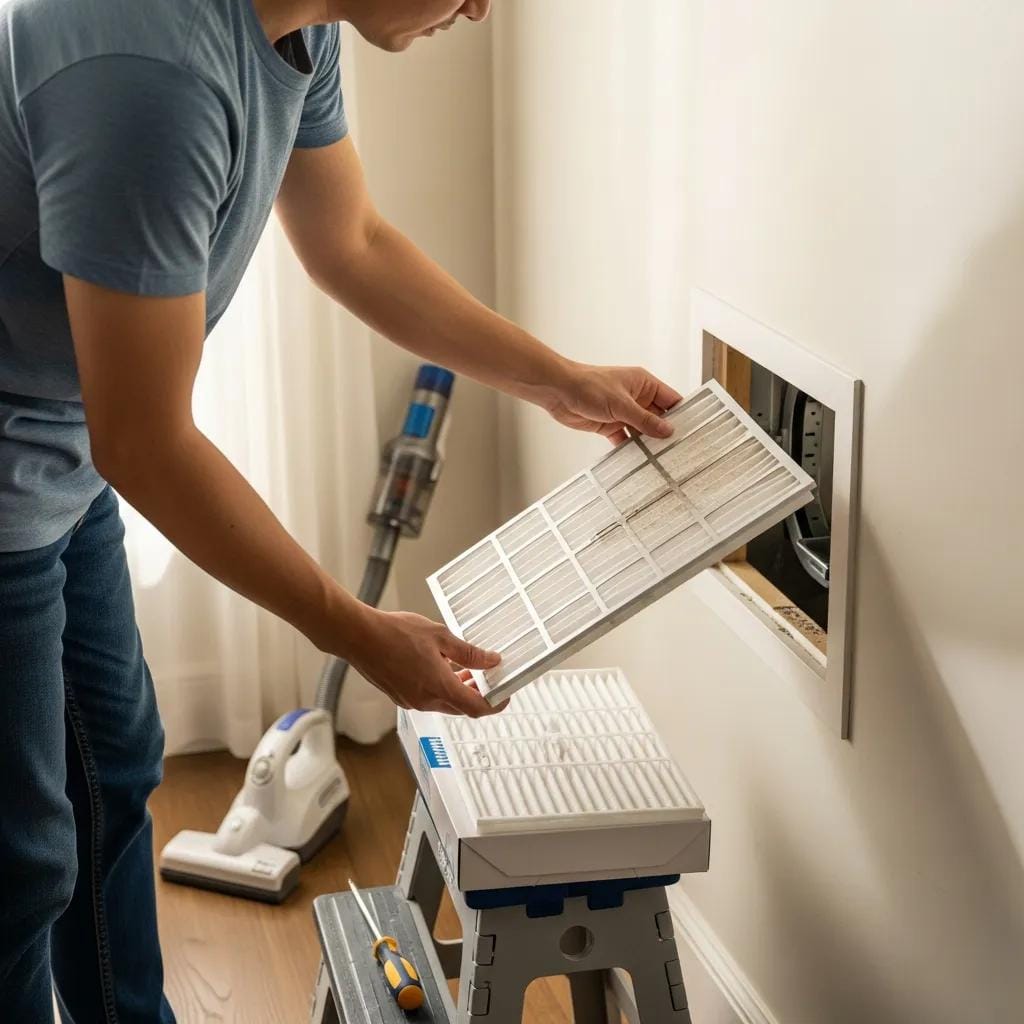
Replacing an HVAC air filter is one of the simplest ways to support better airflow, steadier comfort, and cleaner indoor air. It is also a task most homeowners can do without special training, as long as the correct filter size is used and it is installed in the right direction.
If you have been looking for an air filter guide that is clear and easy to follow, the goal is to keep the process simple, safe, and repeatable so it becomes a routine rather than a chore.
Before you start, it helps to know where your filter is located. In many homes, it is behind a return grille in a wall or ceiling, or inside a slot near the air handler or furnace.
Some systems have more than one filter return, so if you are not seeing one where you expect, check for additional return vents. Once you find the filter location, the rest of the job is usually quick.
What Tools And Supplies Do You Need For Filter Replacement?
Most filter changes require very little equipment. The main item you need is a new air filter that matches the size and type your system uses. Filter size is usually printed on the filter frame, and it is important to match it exactly so air does not bypass the filter. A filter that is too small can leave gaps, while one that is too large may not fit properly and can get damaged during installation.
In some setups, a screwdriver may be helpful if the filter compartment has a panel secured with screws. Many return grilles use simple latches, but some older systems have fasteners that need to be removed and replaced.
A vacuum cleaner is also useful for cleaning dust and debris around the filter slot or return grille. This is not required every time, but it helps keep the area cleaner and prevents loose dust from being pulled into the system right after you install a new filter.
If your filter is located in a ceiling return, a sturdy step stool or ladder may be needed as well. Make sure it is stable before you climb, and avoid overreaching. A careful setup makes the job easier and safer.
What Are The Steps To Safely Replace Your HVAC Air Filter?
Start by turning off the HVAC system at the thermostat. You do not always have to shut off power at the breaker for a simple filter change, but you do want the system off so it is not pulling air while the filter slot is open. This also prevents dust from being drawn into the system during the swap.
Next, locate the filter compartment or return grille. If it is a wall return, you will typically open the grille to access the filter behind it. If it is near the air handler, you may see a slot with a removable cover.
Once the filter is accessible, remove the old one carefully. Try to keep it level so trapped dust does not spill out. As you pull it out, note the orientation and look for airflow arrows printed on the filter frame. Those arrows indicate which direction the air should move through the filter.
Before installing the new filter, take a moment to clean the area. Use a vacuum to remove visible dust around the slot, grille, or cabinet opening. This small step can help reduce the dust that gets pulled into the system right after you replace the filter.
Install the new filter with the airflow arrows pointing in the correct direction. In most homes, the arrow should point toward the HVAC equipment and away from the return vent. Slide it in so it sits flat and snug in the track. Close the grille or compartment cover securely, then turn the system back on.
To make filter changes easier over time, write the installation date on the edge of the filter frame. You can also set a reminder based on your home’s needs. A practical air filter guide is not just about doing the change once; it is about creating a simple routine that supports your HVAC system and indoor air quality year-round.
What Are the Benefits and Costs of Professional Air Filter Replacement Services?
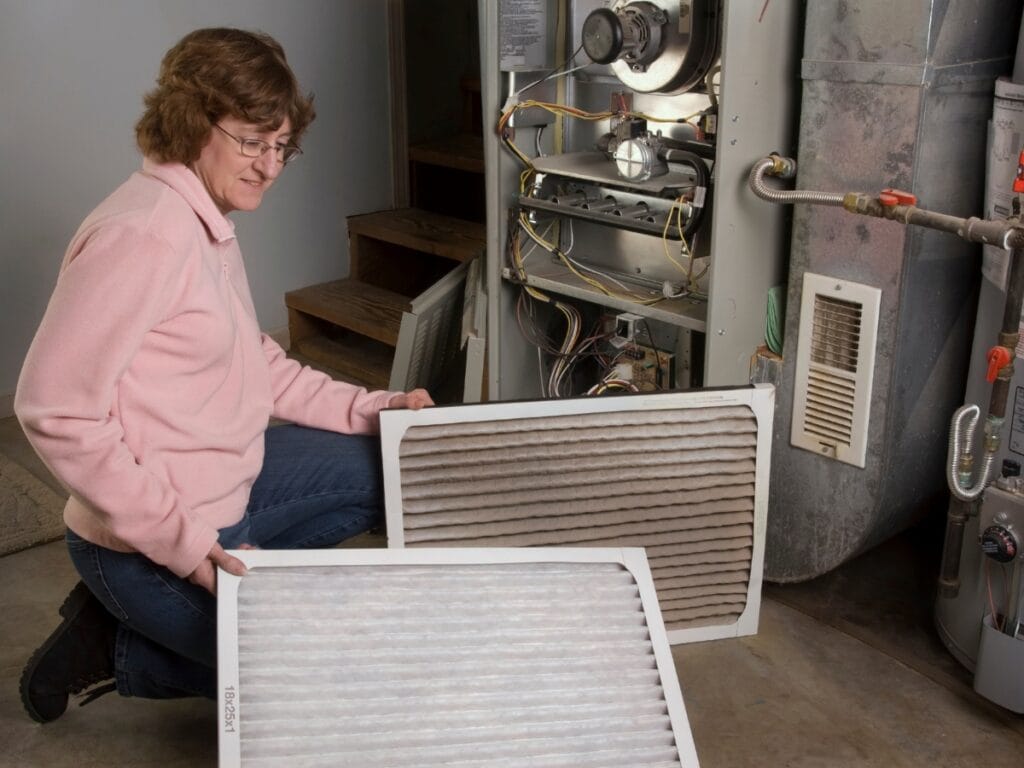
For most homeowners, changing an HVAC filter is a quick task. Still, professional replacement can make sense in certain situations, especially when the filter is hard to access, the system has more than one return, or you want a technician to check for early signs of airflow problems while they are there.
The value is not just swapping a filter. It is getting the right filter installed correctly, confirming the system is pulling air properly, and catching small issues before they turn into comfort problems or expensive repairs.
From an indoor air standpoint, consistent filter replacement supports a cleaner home. A fresh filter helps reduce the amount of dust and allergens that recirculate through the vents, which many households notice in the form of less visible dust on surfaces and fewer irritants in the air.
A reliable air filter guide always comes back to consistency because filtration only works well when the filter is changed before it becomes overloaded.
Another major benefit is system efficiency. When airflow is restricted by a dirty filter, the HVAC system can run longer to reach the thermostat setting. Longer run times mean more wear on components and, in many homes, higher energy use. Clean filters support steady airflow, which helps the system operate closer to how it was designed. Over time, this can reduce strain on parts like the blower and help keep heating and cooling performance more consistent.
Professional service can also be a form of preventive maintenance. While changing the filter, a technician may notice issues that homeowners often miss, such as a filter that does not fit properly, gaps that allow unfiltered air to bypass the filter, unusual dust buildup that suggests a return leak, or moisture problems near the air handler.
Those observations can help homeowners address root causes instead of simply replacing filters more often without solving the underlying issue.
Costs are the main drawback. Hiring someone for a task you can do yourself comes with service fees, and if you choose higher-efficiency filters, that can add to the total. Some homes also need more frequent changes due to pets, renovations, or high dust and pollen levels, which increases the annual cost if every change is handled professionally.
How Does Regular Filter Replacement Save Energy And Extend HVAC Lifespan?
Energy savings come down to airflow. When the filter is clean, the system can move air more easily through the return and across the coil. This helps the equipment reach the desired temperature without running as long.
When the filter is clogged, airflow drops, and the system may have to run longer to do the same job. That additional run time can increase energy use and make the home feel less comfortable, particularly during peak cooling months.
A clean filter also helps protect key components. Dust buildup on the blower and coil can reduce efficiency and lead to performance issues over time. When airflow is restricted and the system is under strain, the risk of breakdowns can increase. Regular replacement supports the system’s overall health by keeping air moving properly and reducing the chance that debris will collect where it should not.
In a practical air filter guide, this is why the simplest advice is often the most important: replace the filter on a schedule that fits your home, and do not wait until airflow noticeably drops. By the time comfort problems show up, the filter is often overdue.
What Is The Typical Cost Of HVAC Air Filter Replacement In Metro Atlanta?
In Metro Atlanta, professional filter replacement costs can vary based on the filter type, how accessible the filter is, and whether the visit includes any additional inspection or maintenance.
As a general range, many homeowners report paying about seventy-five to one hundred twenty-five dollars for professional replacement, especially when it is bundled with routine service or a maintenance visit.
Costs tend to be lower when the filter is easy to access, and the system uses a standard size that is readily available. Costs may be higher when a home has multiple filter locations, specialty filter sizes, or higher-efficiency filters that cost more per unit.
The best way to keep costs predictable is to know your filter size and preferred rating, then stick with a consistent replacement routine. Whether you handle changes yourself or use a professional, the real payoff comes from staying consistent, which is the core message of any useful air filter guide.
Conclusion
Understanding air filter types, MERV ratings, and proper replacement schedules empowers you to make informed decisions that protect both your HVAC system and your family’s indoor air quality. While regular filter changes are a simple DIY task, ensuring you’ve selected the right filter for your system and needs is crucial for optimal performance.
For professional guidance on your home’s specific filtration requirements or for comprehensive HVAC maintenance, trust the experts at Ace Tech Heating & Cooling. Ready to breathe easier with the right filter solution? Call (404) 369-9100 or get a free quote through our site form today. Let us help you achieve cleaner air and a more efficient system.