As freezing temperatures approach, winterizing your HVAC system is a crucial step to prevent costly damage, ensure reliable heating, and maintain energy efficiency throughout the coldest months. From protecting outdoor condenser units to checking insulation and calibrating thermostats, proactive preparation can help you avoid frozen pipes, system failures, and soaring utility bills.
In this guide, we’ll walk you through the essential steps to winterize HVAC system, so you can stay warm and secure no matter how low the mercury drops.
Winterize HVAC Systems Before the Cold Hits: Here’s How
Why Winterizing Matters For Metro Atlanta Homes
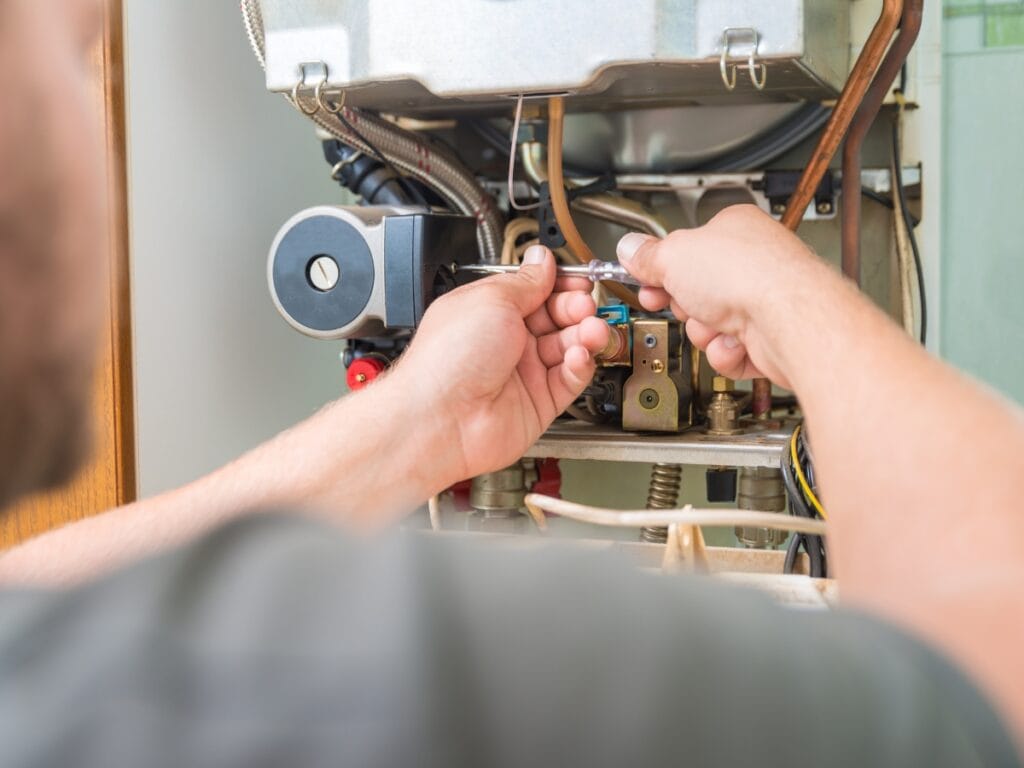
Taking time to winterize HVAC systems in Metro Atlanta pays off even in a relatively mild climate. Our weather swings from warm afternoons to sharp overnight drops, and those temperature changes put extra stress on furnaces and heat pumps. A sudden freeze after a stretch of mild days can cause condensation to freeze in the wrong places, restrict airflow, or force compressors and burners to work harder than they were designed to. Over time that strain shortens equipment life, raises utility bills, and increases the odds that something fails on the coldest night of the season.
When you winterize HVAC equipment before the first real cold front, you give it a chance to run under ideal conditions instead of constantly catching up. Simple steps, like confirming that outdoor units are clear, that filters are clean, and that thermostats are working properly, all contribute to a more comfortable home. Just as important, a planned checkup in the fall is almost always less stressful and less expensive than dealing with an emergency repair when everyone else in Metro Atlanta is calling for help at the same time.
Key Benefits Of Winterizing Your HVAC
The benefits of winterizing show up in three main areas: comfort, cost, and peace of mind. A properly prepared system maintains steadier temperatures from room to room, which means fewer complaints about cold corners or drafty hallways. Because the equipment does not have to fight clogged filters or leaky ducts, it runs shorter, more efficient cycles and uses less energy to deliver the same level of warmth. That translates into lower monthly bills throughout the heating season.
There is also a long term payoff. When you winterize HVAC systems on a regular schedule, components are less likely to be pushed beyond their limits. Motors, fans, and compressors do not work as hard to overcome blockages or poor airflow, so they tend to last longer before needing replacement. Sealing accessible duct leaks and changing filters consistently will also improve indoor air quality by reducing dust and allergens that circulate more when windows stay closed in winter. For many homeowners, the biggest benefit is simply avoiding surprises. A little preparation in the fall is often enough to prevent frozen pipes, nuisance shutdowns, and those uncomfortable nights when the system cannot keep up.
How Professional Maintenance Stops Winter Breakdowns
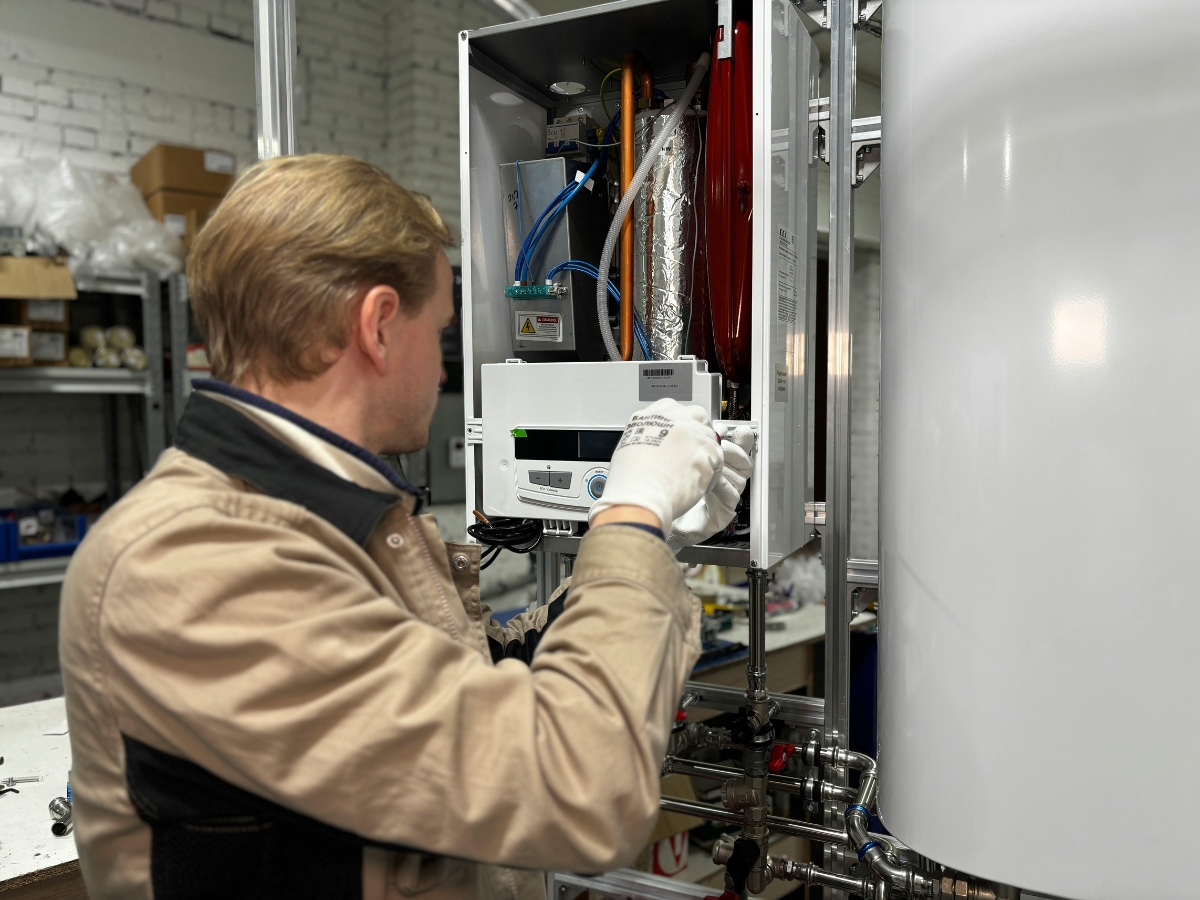
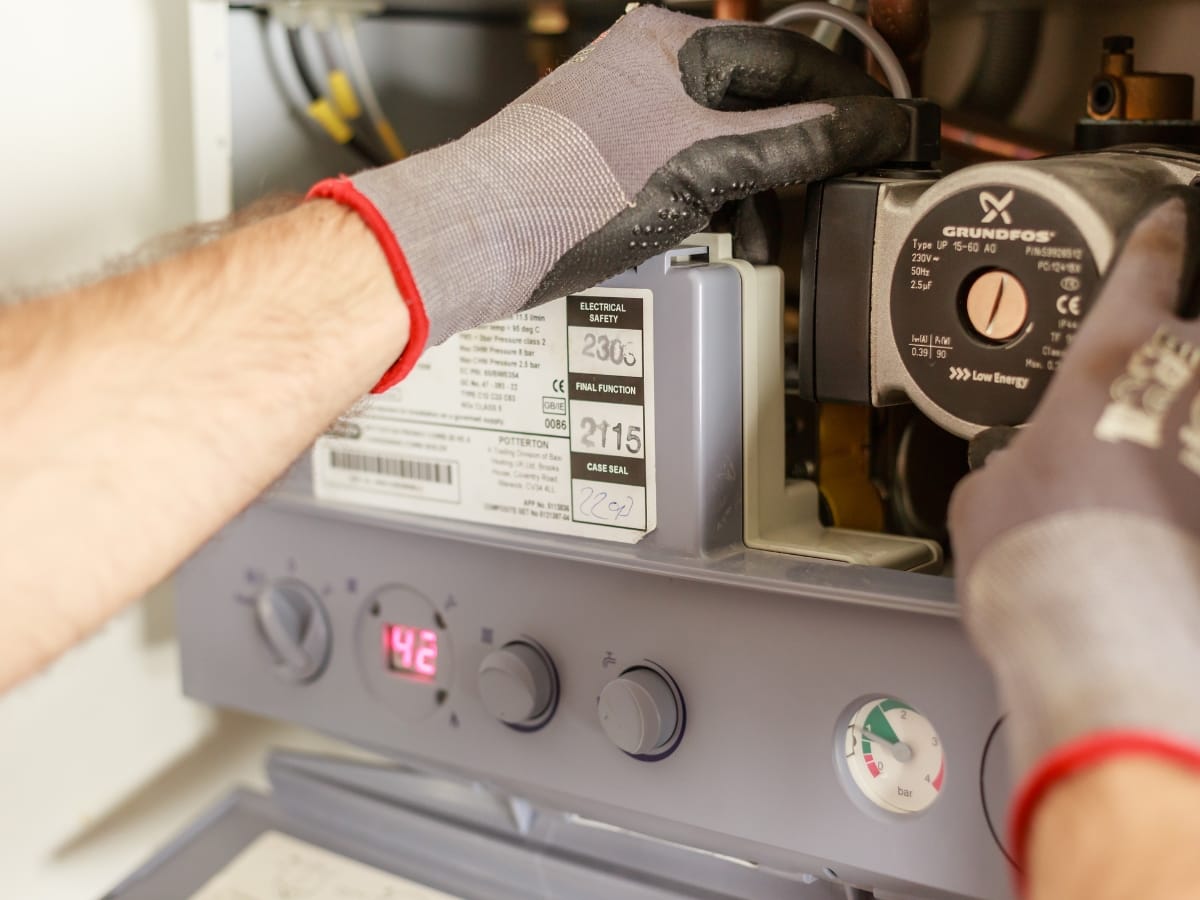
Some winter preparation tasks are well-suited to homeowners, such as changing filters or clearing leaves from around an outdoor unit. Others require training, tools, and safety checks that only a professional should handle. During a seasonal tune-up, a technician inspects key components that you cannot easily see or test. On gas furnaces, this includes ignition systems, burner performance, and the condition of the heat exchanger, along with combustion analysis and carbon monoxide screening to confirm safe operation. On heat pumps, the technician checks refrigerant charge, coil condition, and defrost controls so the unit can perform reliably when temperatures drop.
Professional maintenance also includes tightening electrical connections, confirming that safeties and sensors respond correctly, and verifying that airflow meets the equipment’s specifications. If a motor is drawing too much current, a capacitor is weakening, or a control board is behaving erratically, a trained eye can catch those clues before they turn into a mid winter breakdown. The result is a system that starts the season clean, tuned, and ready for the load ahead.
For most Metro Atlanta homes, the best approach is a mix of both: simple homeowner tasks done regularly, combined with a professional visit at least once a year. That combination gives you the everyday benefits of winter efficiency and the long-term reliability that comes from having a skilled technician confirm your HVAC system is ready for cold weather.
Essential Steps to Get Your HVAC Ready for Winter
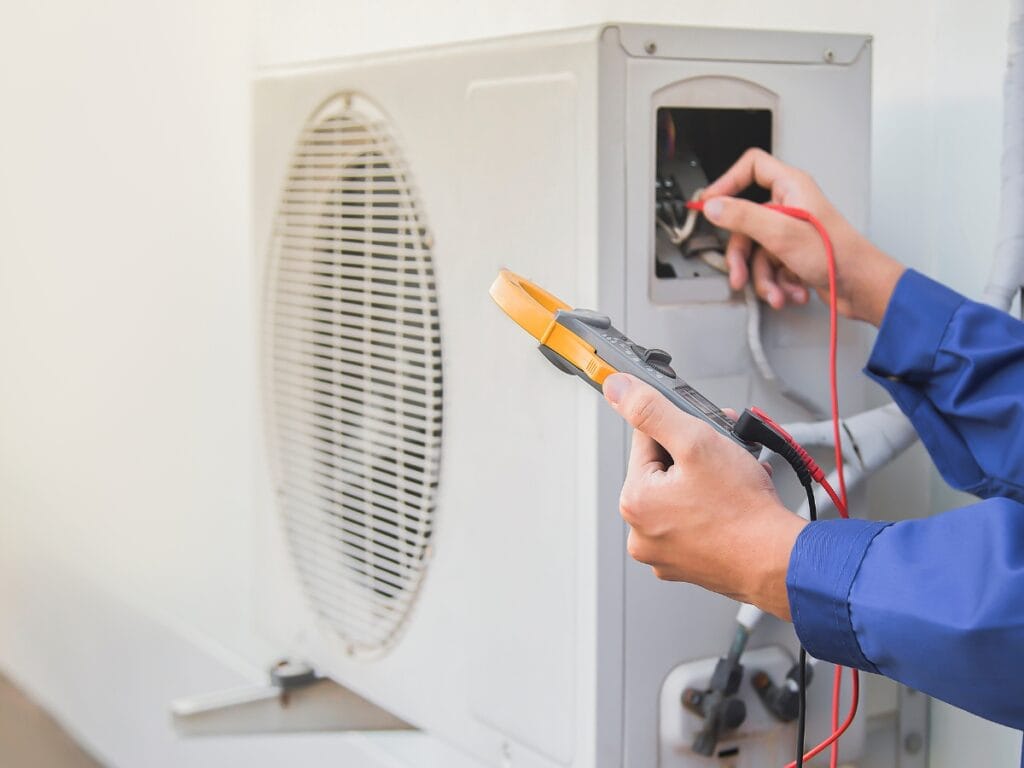
Preparing to winterize HVAC systems in Metro Atlanta is really about pairing simple homeowner tasks with a well-timed professional tune up. The basic jobs you can do yourself focus on filters, outdoor units, thermostats, and exposed pipes and ducts. Clean filters restore airflow and prevent the blower from working harder than it should. A clear, level outdoor unit keeps defrost cycles working properly. Thoughtful thermostat programming avoids constant cycling, and pipe insulation reduces the risk of freeze damage near exterior walls. Once these pieces are in place, a professional visit can focus on deeper safety and performance checks rather than basic housekeeping.
Before the first real cold snap, walk through your home with winter in mind. Check and change air filters anywhere they are clogged or visibly dirty. Look over the outdoor condenser or heat pump and remove leaves and debris around the base. Review your thermostat settings, update any schedules that still follow summer habits, and note any exposed HVAC or water lines that need insulation. Treat this as your base winterize HVAC checklist, then follow the sections below to handle each step in more detail.
How And Why To Change Air Filters Before Winter
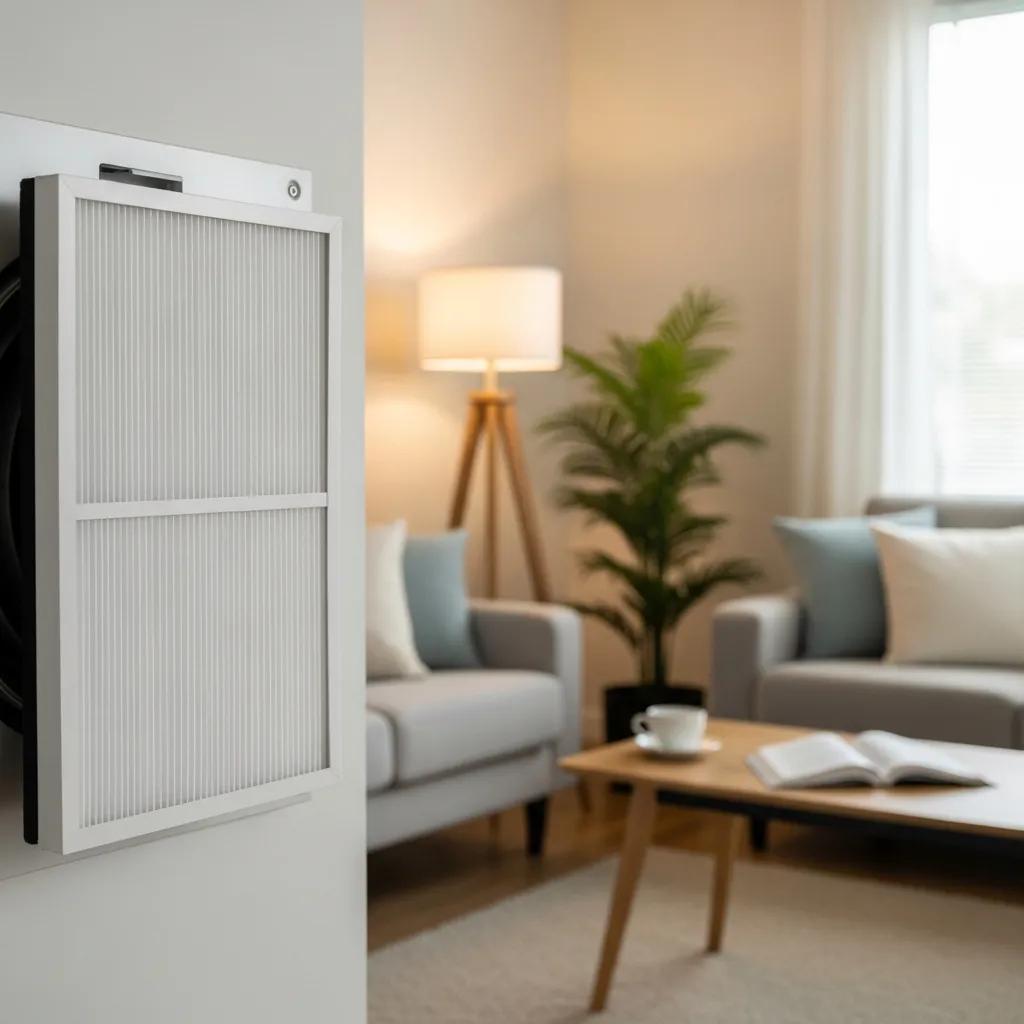
Fresh filters are one of the easiest ways to winterize HVAC equipment and see immediate benefits. When filters are clogged, the blower has to push harder to move the same amount of air, which wastes energy and can raise operating temperatures inside the furnace or air handler. A clean filter protects the blower motor, supports good airflow through the heat exchanger or heat pump coils, and improves indoor air quality at a time when windows are mostly closed.
To check a filter, hold it up to a bright light; if very little light comes through, it is due for replacement. In most Metro Atlanta homes, a filter rated between MERV 6 and 11 strikes a good balance between particle removal and airflow. Households with allergies may choose higher ratings, but it is important to confirm that the system is designed to handle the added restriction. In general, plan to replace disposable filters every 1 to 3 months depending on pets, occupancy, and run time, and keep a simple note on the return grill or calendar so changes do not slip through the cracks during a busy season.
How To Inspect And Protect Your Outdoor Unit For Winter
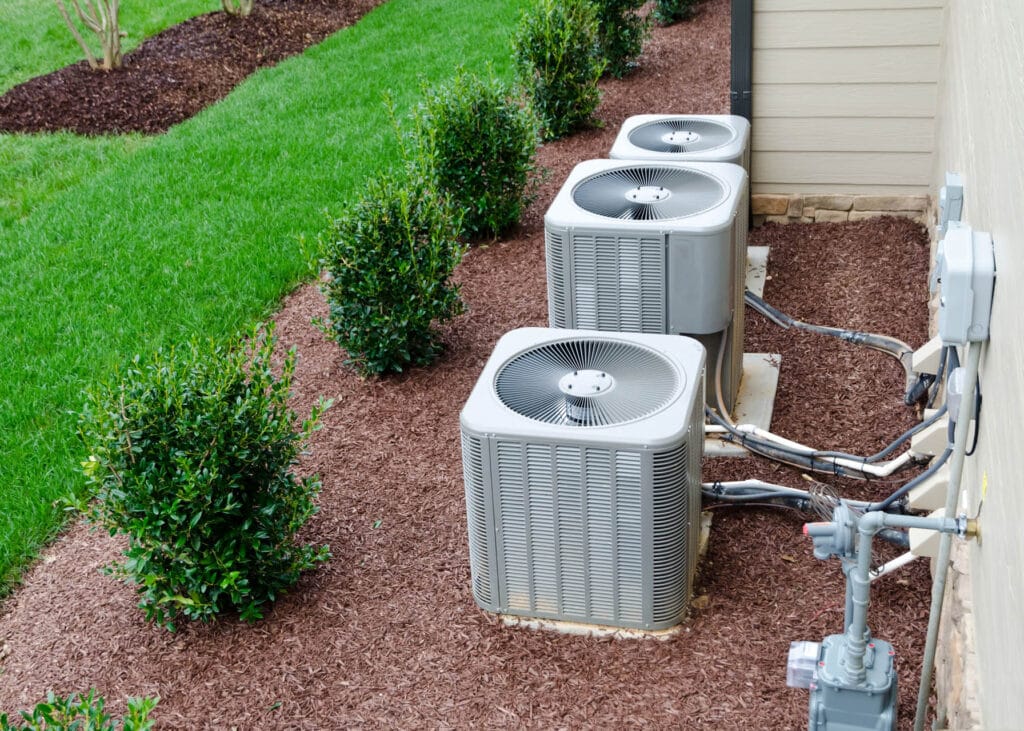
An outdoor condenser or heat pump needs room to breathe if it is going to perform well in cold weather. Start by clearing leaves, mulch, and clutter and make sure there is at least 18 to 24 inches of open space on all sides. This clearance helps the unit shed moisture and complete defrost cycles without building up ice. Check that the unit sits level on its pad, since a noticeable tilt can stress refrigerant lines and lead to premature wear.
If you like to cover the unit, choose a breathable cover that shields the top from falling debris while still allowing air to circulate around the sides. Tight, fully sealed covers can trap moisture and promote corrosion, which works against your effort to winterize HVAC equipment. Confirm that the electrical disconnect remains visible and accessible for service, and make a note of any unusual vibration or noise during operation so you can mention it during a future professional inspection.
Check And Program Your Thermostat For Winter Savings
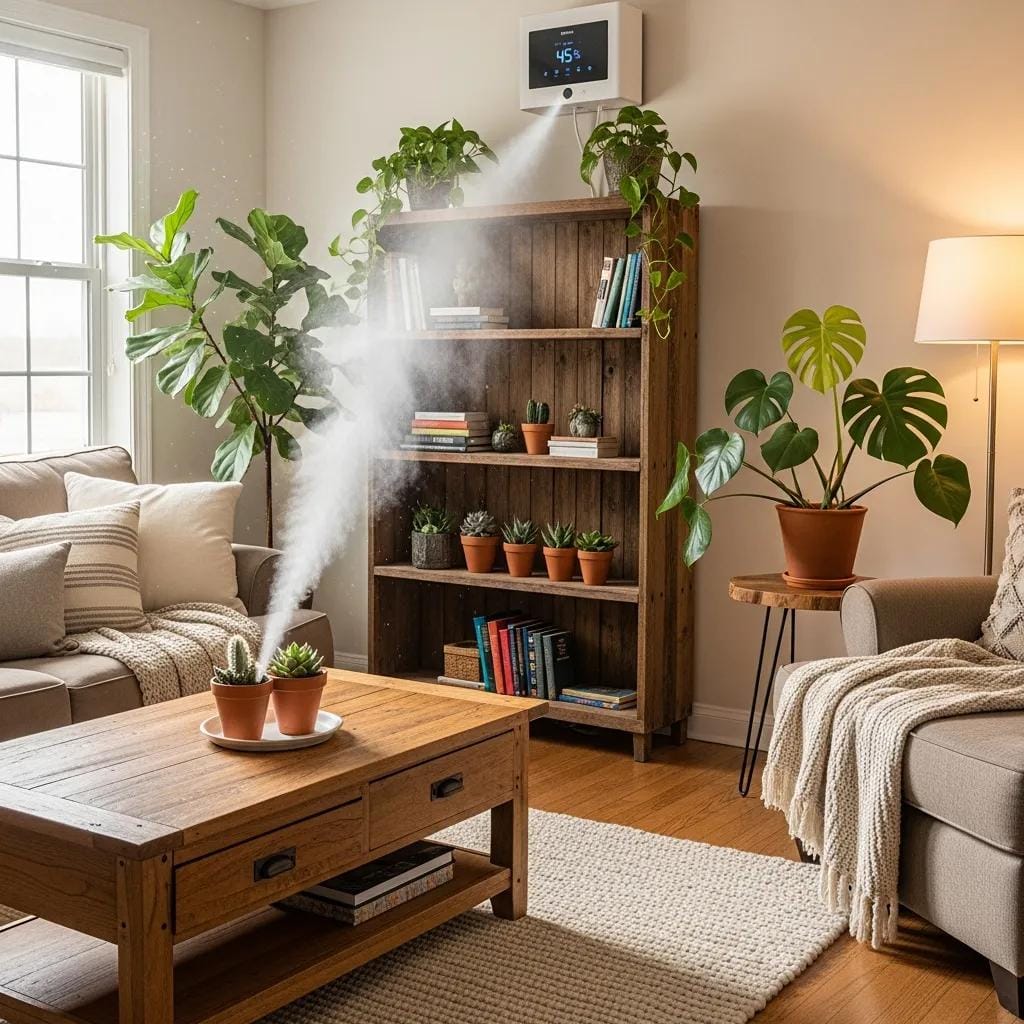
Thermostat settings play a major role in winter comfort and costs. In the Atlanta area, many homeowners find that daytime setpoints in the upper 60s and slightly lower nighttime setpoints provide a good balance of warmth and efficiency. Modest setbacks save energy without forcing the system into long recovery cycles that can strain equipment. If you use a smart thermostat, take time to review schedules, enable occupancy features if available, and set a minimum freeze protection temperature around 55°F for longer trips.
Good programming supports every other winterization step. When setbacks are reasonable and schedules match your routine, the system runs in steady, predictable cycles instead of constantly starting and stopping. That steadier operation works well with clean filters, a clear outdoor unit, and insulated pipes, and it sets the stage for a professional tune up to lock in additional efficiency.
Why Insulating HVAC Pipes Prevents Freezes
Insulating exposed HVAC lines and nearby water pipes helps prevent freeze damage, especially in crawlspaces, basements, and areas close to exterior walls. Foam pipe insulation sleeves are easy to install and do a good job of slowing heat loss along the line. Fit them snugly, seal seams with tape, and pay attention to elbows, valves, and other fittings where gaps can appear. For heat pump refrigerant lines and condensate drains, replace any torn or waterlogged insulation so it can actually perform as intended.
When you winterize HVAC piping in this way, you reduce the risk of burst lines, leaks, and water stains, and you support stable operation during the coldest nights. Combined with good airflow, proper thermostat settings, and a clean outdoor unit, pipe insulation is a key piece of a reliable winter setup.
When To Schedule A Professional HVAC Tune Up
After you complete the homeowner tasks, it is wise to schedule a professional tune up in late summer or early fall, or as soon as possible if the season has already started. A technician can perform checks that go beyond visual inspection, including blower and motor testing, thermostat calibration, refrigerant verification for heat pumps, and combustion and venting inspections for gas furnaces. Electrical connections, safety controls, and overall system performance are measured against manufacturer specifications so potential problems are addressed before they cause a breakdown.
Making professional maintenance part of your plan to winterize HVAC systems means you are not relying on guesswork. Instead, you enter the colder months with a system that has been cleaned, tested, and adjusted for the conditions it will face, which lowers the chances of midseason failures and keeps your home more comfortable all winter.
Winterizing Specific Components: Furnaces and Heat Pumps
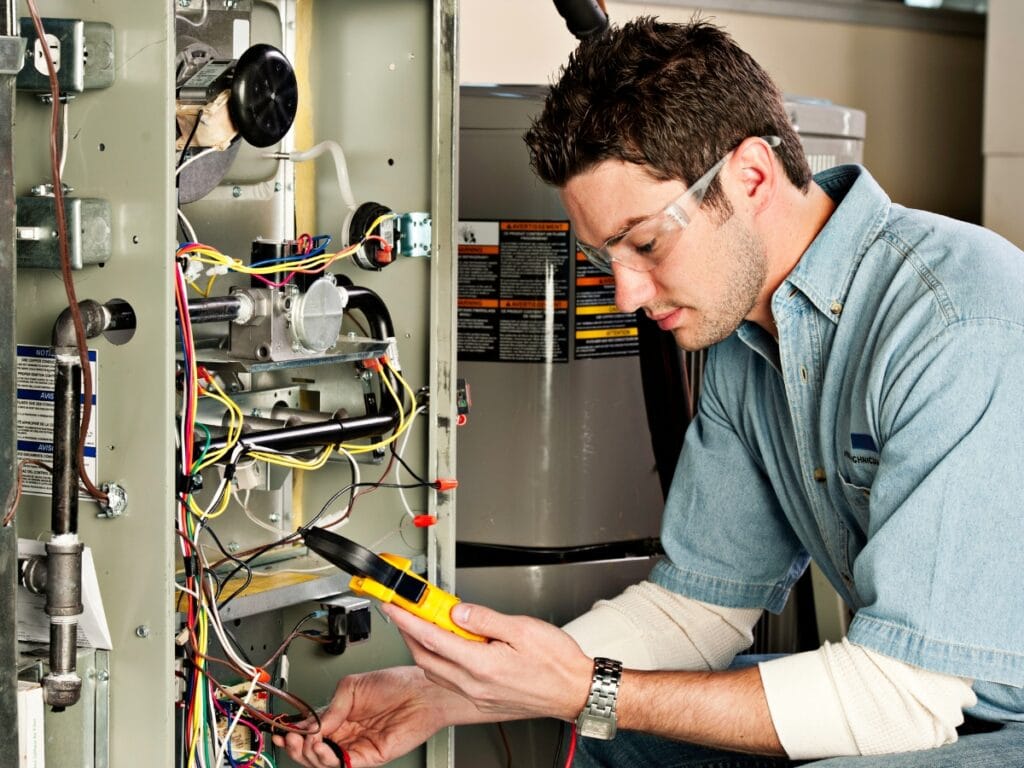
Component-specific winterization focuses on parts that commonly fail in cold weather and adapts the approach to the technology—furnaces depend on combustion controls and venting, while heat pumps rely on defrost cycles and correct refrigerant charge. Proper checks reduce carbon monoxide risks in combustion systems and prevent heat pump icing that robs heating capacity. Below are focused checklists and a troubleshooting matrix to guide DIY inspections and when to call in a pro; an easy reference table follows so you can match common problems to recommended actions.
Common components present predictable winter issues; the table below pairs typical problems with recommended fixes for quick reference.
| Component | Common Issue in Winter | Recommended Action |
|---|---|---|
| Furnace burners | Dirty burners causing incomplete combustion | Schedule burner cleaning and combustion test; replace filters first |
| Heat exchanger | Cracks or corrosion leading to CO risk | Professional inspection and pressure/combustion testing |
| Heat pump outdoor coil | Ice buildup from restricted airflow | Clear debris, maintain 18–24″ clearance, test defrost cycle |
| Refrigerant lines | Low charge causing inefficient heating | Technician refrigerant check and leak repair |
| Condensate drains | Freezing or blockage | Insulate and flush drain lines; install heat trace if required |
This quick matrix helps you prioritize repairs and decide when to book a technician. Read on for checklists tailored to furnaces and heat pumps.
Furnace Winterization Checklist and Tune-Up Tips
Your furnace checklist should include filter replacement, burner cleaning, ignition or pilot inspection, heat-exchanger inspection for cracks, flue and vent checks, thermostat calibration, and safety-control testing like the limit switch. Start with basic visual checks—clear clutter around the furnace, swap the filter, and listen for odd sounds when the system fires. Then schedule a professional combustion analysis and heat-exchanger inspection to catch CO risks you can’t see. Tight electrical connections and secure venting reduce inefficiency and safety hazards. Ask your technician to document findings so you can track wear year to year.
How to Winterize a Heat Pump for Cold-Weather Performance
Winterizing a heat pump means keeping airflow clear, verifying the defrost cycle and reversing valve, and confirming refrigerant levels so the unit can pull heat from outside air. Remove debris and vegetation, keep the outdoor unit level, and inspect the coil and fan for damage that would impair defrosting. If your unit keeps icing despite clear airflow, likely causes include low refrigerant, a faulty defrost control, or persistent airflow restriction—each of which needs a pro to diagnose and fix. Regular filter changes, keeping the outdoor coil clear, and testing defrost during tune-ups all reduce icing and help keep heating capacity steady during cold spells.
Common Winter HVAC Problems To Watch For
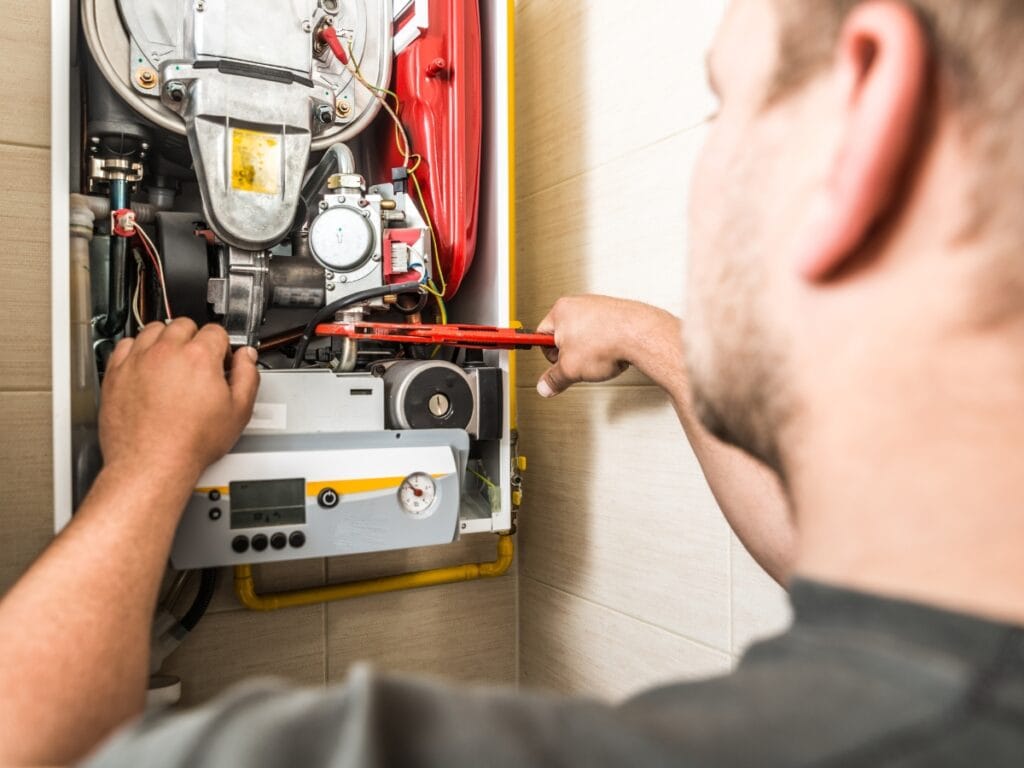
Once you winterize HVAC equipment for the season, it helps to know which warning signs deserve attention as temperatures drop. Many issues start quietly and become more obvious during the first real cold snap. Pay attention if the system does not produce heat on startup even though the thermostat is clearly calling for it, or if the equipment begins to cycle on and off more often than usual. Excessive cycling or short cycling can signal airflow problems, thermostat issues, or safety controls that are reacting to overheating.
Another red flag appears around heat pumps. A light, even coating of frost that clears during a defrost cycle is normal in cold, damp weather. In contrast, heavy ice that lingers on outdoor coils, blocks the fan, or encases the entire unit is a sign that something is wrong. Recognizing the difference between normal frost and persistent ice helps you decide when simple checks are enough and when it is time for professional help.
When you winterize HVAC systems, keep a mental checklist of these symptoms so you can respond early rather than waiting for a full breakdown on a cold night.
Troubleshooting A Furnace That Will Not Start In Freezing Temperatures
If the furnace will not start, begin with the basics before assuming something major has failed. Confirm the thermostat is set to heat mode, that the setpoint is higher than the current room temperature, and that any programmable schedule is not holding the system in an away setting. Replace thermostat batteries if the display is dim or unresponsive, then check the furnace switch and breaker panel to make sure power has not been interrupted.
Next, inspect the air filter. A severely clogged filter can restrict airflow enough to trigger safety switches and prevent ignition. Replacing a dirty filter is a simple step that often restores normal operation and is part of any plan to winterize HVAC equipment properly. While you are near the furnace, listen for the startup sequence. On many newer units you will hear a small inducer fan, then a clicking sound from the igniter, followed by the burner and finally the main blower. If you notice repeated attempts to ignite followed by shutdown, or you see flashing error codes on a control board, stop there.
Problems involving gas supply, ignition components, a cracked heat exchanger, or blocked flue venting should always be handled by a licensed technician. Continuing to reset the system or bypassing safeties is unsafe and can turn a repairable problem into a costly or hazardous one.
What Causes Heat Pump Icing And How To Prevent It
Heat pumps work by moving heat, and that process naturally creates some frost on the outdoor coil in cold, moist air. The unit is designed to clear that frost with periodic defrost cycles. Trouble starts when ice builds faster than the system can remove it. Common causes include restricted airflow from dirty filters or debris around the outdoor unit, low refrigerant charge that alters pressures and coil temperature, or a faulty defrost sensor or control board that does not trigger defrost when needed.
Homeowners can safely handle a few checks. Make sure the outdoor unit has plenty of open space around it and gently clear away leaves and dirt. Replace or clean indoor filters to restore flow across the coil. Then observe a full heating cycle and watch for a defrost cycle to run and clear light frost. If the unit becomes heavily covered in ice again, or if the fan blades are trapped in ice, shut it off and call a professional rather than trying to chip ice away yourself, which can damage the fins and fan.
Regular seasonal maintenance that includes coil cleaning, refrigerant checks, and defrost verification is the best long term prevention against icing. Combined with clean filters and a clear outdoor area, those steps help your heat pump deliver reliable winter comfort without surprise freeze ups.
Save Energy and Improve Indoor Air Quality This Winter
You’ll get the best energy and indoor air quality results by combining thermostat programming, the right filter choices, balanced ventilation, and sealed ductwork. Setbacks reduce heat input, good filtration lowers particle load on your system, and duct sealing keeps conditioned air where it belongs—together, these measures lower bills and make homes more comfortable. The decision table below compares typical thermostat setpoints and filter options with expected outcomes for Metro Atlanta winters.
Below is a simple comparison of thermostat settings and filter choices with practical outcomes for energy and IAQ.
| Setting / Item | Characteristic | Expected Outcome |
|---|---|---|
| Daytime setpoint 68°F | Comfortable balance | Moderate energy use, good comfort |
| Nighttime setback 62–64°F | Energy saving strategy | Lower energy consumption with comfortable recovery |
| Filter MERV 8 | Basic particulate removal | Good airflow, moderate IAQ improvement |
| Filter MERV 11 | Higher filtration | Better IAQ for allergies; monitor airflow |
| Smart thermostat scheduling | Adaptive setback / geofencing | 10–15% seasonal energy savings when optimized |
This table helps you pick settings and filters that balance comfort, indoor air quality and efficiency. Below are practical thermostat tips and the role of filters during winter.
Best Thermostat Settings for Metro Atlanta Winters
For Metro Atlanta, aim for daytime setpoints around 68°F and nighttime setbacks in the low 60s to balance comfort and savings. Each degree of setback adds up over the season. Smart thermostats can automate setbacks, learn household patterns, and avoid unnecessary run time while preventing interior temps from dropping below a freeze-protection threshold when you’re away. Use an away or vacation mode to maintain a minimum of roughly 55°F for long absences to protect pipes, and enable humidity control if your thermostat supports it to keep indoor air comfortable.
How Regular Filter Replacement Improves Indoor Air Quality
Replacing filters on schedule removes dust, allergens and some pathogens from your home’s airflow while keeping the blower efficient by avoiding restriction. Choose a filter MERV rating that your system can handle—MERV 8–11 works well in many Atlanta homes; higher ratings may need blower verification. Replace disposable filters every one to three months depending on household factors, and consider professional duct cleaning if dust or odors persist. Clean filters plus balanced ventilation improve occupant health and reduce wasted energy from clogged systems.
Ace Tech HVAC Winter Services in Metro Atlanta
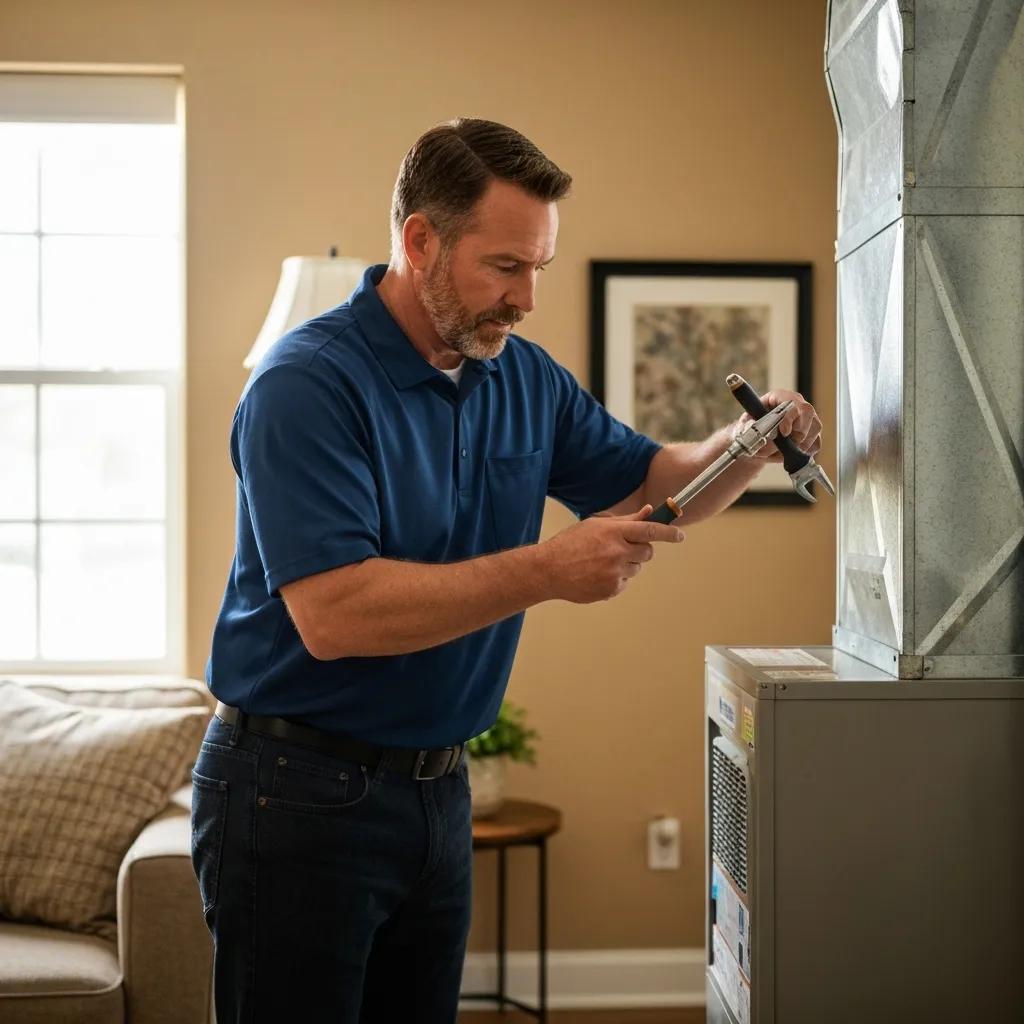
Ace Tech HVAC offers winter-ready services designed to cut emergency breakdowns, boost efficiency, and respond quickly when cold weather threatens comfort. Our offerings include furnace tune-ups, heat pump winterization, seasonal maintenance plans, and emergency repair response across Metro Atlanta. We prioritize fast scheduling when possible, licensed and insured technicians, energy-efficient recommendations, clear communication, and 24/7 emergency service for urgent failures. The table below links common homeowner problems to the Ace Tech services that address them.
Here’s a quick mapping of Ace Tech HVAC services to what they cover and the homeowner benefit.
| Service | What It Covers | Benefit / Outcome |
|---|---|---|
| Furnace tune-up | Filter, ignition, burner, venting, safety checks | Improved reliability and combustion safety |
| Heat pump winterization | Defrost system check, refrigerant inspection, outdoor unit service | Reduced icing and better cold-weather performance |
| Emergency repair | 24/7 response and diagnostics | Faster restoration of heat during freezes |
That mapping shows how professional service aligns with common winter problems. Read on for what to expect from Ace Tech’s typical processes and how to schedule.
How Ace Tech Delivers Fast, Reliable Furnace Tune-Ups
Our furnace tune-up starts with homeowner-level checks—filter replacement and a walk-around—followed by technician tasks like burner cleaning, combustion analysis, heat-exchanger inspection, thermostat calibration, and safety-control testing. All work is performed by licensed, insured technicians who focus on energy-efficient adjustments that lower seasonal operating costs and reduce mid-winter failures. Because we’re local to Metro Atlanta, we offer responsive scheduling and same-day options when available so homeowners aren’t left without heat. After the service we’ll give clear guidance on seasonal maintenance and warning signs to watch for.
Heat Pump Winterization Services from Ace Tech
Our heat pump winterization includes outdoor-unit clearing and leveling, defrost-cycle verification, refrigerant checks, and performance tuning to optimize cold-weather operation. Technicians inspect coils and fans, verify reversing-valve and defrost-control operation, and recommend or perform refrigerant repairs when needed. These services prevent common winter failures like persistent icing and reduced heating capacity, and they keep your unit running to manufacturer specs so you’re less likely to face emergency calls during sudden Atlanta freezes.
How to Schedule Winter HVACMaintenance with Ace Tech
To schedule winter maintenance, homeowners in Metro Atlanta can book through Ace Tech’s local channels—online booking, phone, or customer support. We handle routine tune-ups and provide emergency response for heating failures. Before the tech arrives, note recent system behavior, how old your filter is, and any visible issues like ice on the outdoor unit or strange noises—this information speeds diagnosis and helps the tech bring the right parts. We focus on clear communication, transparent recommendations, and repairs that prioritize safety and efficiency. Book early in the fall to secure timely appointments; same-day and emergency options are available for urgent problems.
Frequently Asked Questions
What Should I Do If My HVAC System Is Making Unusual Noises During Winter?
Strange winter noises are often your first clue that it is time to winterize HVAC components more carefully. Sounds like banging, rattling, whistling, or hissing can point to loose panels, blower issues, duct problems, or even refrigerant leaks in heat pump systems. Start with safe checks you can do yourself by looking for debris around the outdoor unit, making sure nothing is blocking vents, and confirming that your air filter is clean and properly seated. If the noise continues or grows louder, turn the system off and schedule a professional visit. Ignoring these sounds can turn a small issue into a mid-season breakdown or, in the case of combustion systems, a safety concern.
How Can I Tell If My HVAC System Is Efficiently Heating My Home?
An efficient system should heat your home evenly without long, constant run times. Pay attention to whether some rooms stay noticeably colder than others, since that may suggest duct leaks, poor airflow, or sizing issues. Watch your utility bills for unexplained jumps compared with past winters, especially if your usage habits have not changed. After you winterize HVAC equipment with clean filters, sealed ducts where accessible, and a tuned thermostat schedule, you should see steadier indoor temperatures and fewer extreme swings. If you still notice high bills or inconsistent comfort, a performance assessment from a technician can identify specific losses.
What Are The Signs That My Furnace Needs Immediate Repair?
Certain symptoms call for prompt attention rather than waiting for a convenient appointment. No heat output, burning or chemical smells, loud banging or squealing, or nonstop short cycling all point to issues that can worsen quickly. On gas furnaces, a yellow or flickering pilot flame, visible soot, or scorch marks near the cabinet are serious warning signs. In any of these cases, shut the system down and call a qualified professional. Continuing to run a furnace that shows these signs can raise the risk of equipment damage or unsafe operating conditions.
Can I Winterize My HVAC System Myself, Or Should I Hire A Professional?
Many winterize HVAC tasks are homeowner friendly. You can replace filters, check that vents are open, program your thermostat, and add basic pipe insulation in exposed areas. These steps go a long way toward protecting comfort and reducing energy use. However, inspections that involve gas combustion, electrical diagnostics, refrigerant checks, or heat exchanger evaluation should always be left to a licensed technician. A good rule of thumb is that anything involving gas lines, live electrical work, or sealed refrigeration components belongs in professional hands.
How Often Should I Schedule Professional HVAC Maintenance During Winter?
Most homes do well with a comprehensive professional tune-up once a year, scheduled in late summer or early fall so repairs can be made before cold weather hits. Systems that are older, heavily used, or serving larger homes may benefit from a second check in the spring. Regular maintenance helps keep efficiency close to the equipment’s rated level, reduces the odds of emergency calls during cold snaps, and extends the overall lifespan of the system.
What Energy-Saving Tips Can I Use During Winter To Reduce Heating Costs?
Modest thermostat setbacks, such as keeping daytime temperatures in the upper 60s and lowering them a few degrees at night, can trim heating bills without sacrificing comfort. Pair that with a clean filter, sealed gaps around doors and windows, and heavier curtains closed at night to reduce heat loss through glass. When you winterize HVAC systems with these shell improvements and regular tune-ups, your equipment does not have to work as hard, which translates into consistent savings.
What Should I Do If My Heat Pump Is Not Defrosting Properly?
If you notice heavy ice buildup that does not clear on its own, start by gently removing leaves and debris around the outdoor unit and checking that your indoor filter is clean. Give the heat pump time to run a full defrost cycle and watch whether ice melts from the coil. If thick ice remains, or if defrost never seems to engage, turn the system off and contact a technician. Persistent icing often indicates a problem with refrigerant charge, sensors, or the defrost control board, all of which need professional testing and repair.
Conclusion
Properly winterizing your HVAC system is a crucial step to ensure efficient operation and avoid costly emergency repairs during freezing temperatures. At Ace Tech Heating & Cooling, our certified technicians perform comprehensive winter tune-ups that protect your unit and optimize performance for the season ahead. Don’t wait for the first freeze—call (404) 369-9100 or request a free quote online today to schedule your winterization service. Let us help you stay warm, safe, and worry-free all winter long.