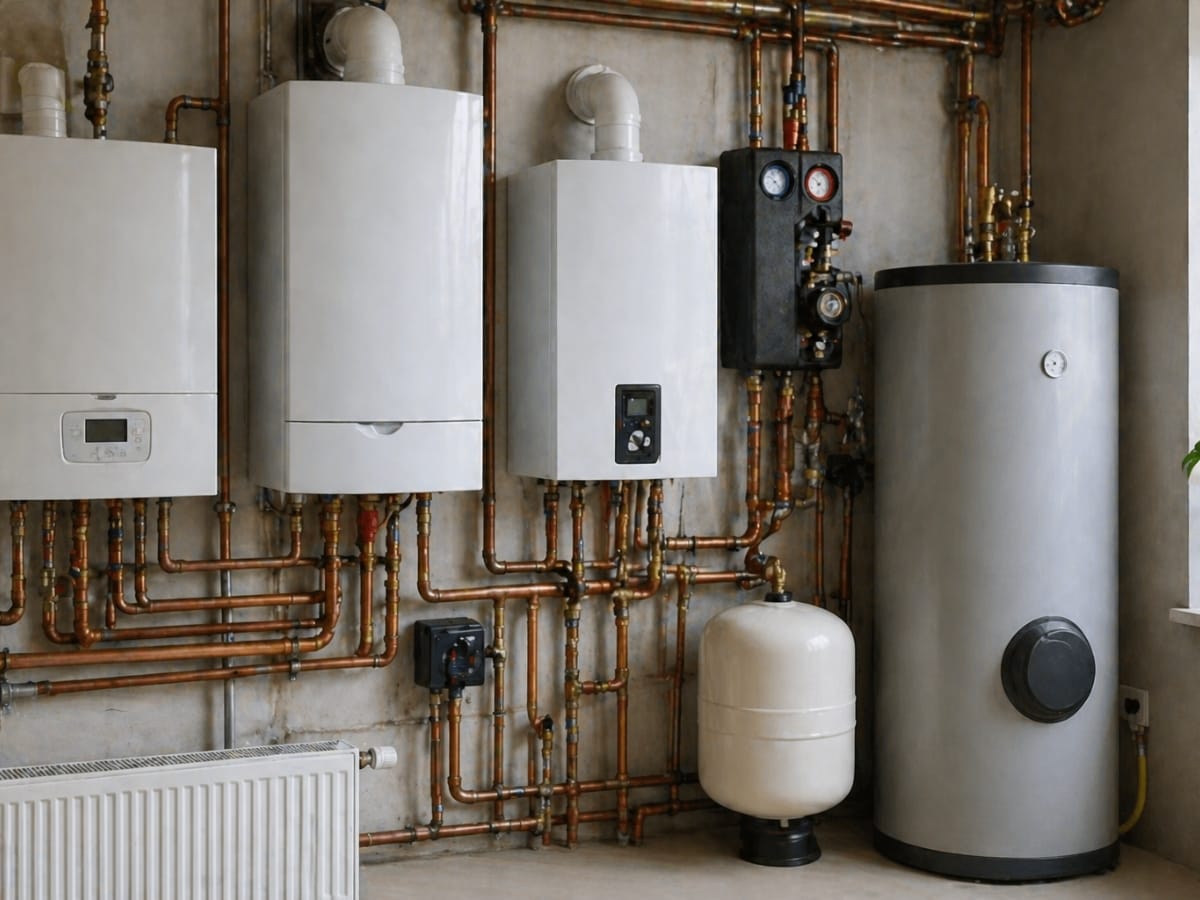
Choosing the right heating system can have a lasting impact on comfort, energy use, and long-term costs. Boilers remain a popular option for many homes, but not all systems operate the same way. Understanding the different types of boilers is key to selecting one that fits your home’s size, layout, and heating needs.
From conventional and system boilers to combi units, each type offers distinct advantages depending on how hot water and heat are distributed. Factors like efficiency, installation requirements, and maintenance all play a role in performance.
By learning how each boiler type works, you can make a more informed decision and choose a system that delivers reliable, consistent heating throughout your home.
Types Boilers That Keep Homes Warm Longer
What Are Hydronic Heating Systems And How Do They Work?
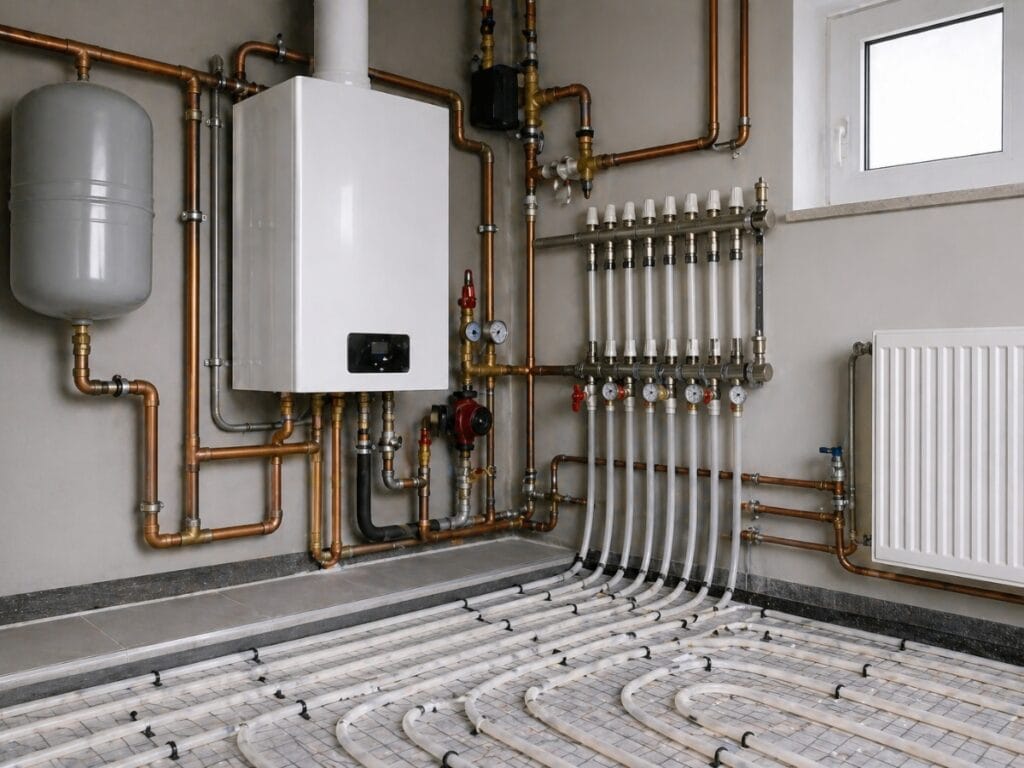
Hydronic heating systems use heated water to distribute warmth throughout a building, offering a steady and comfortable alternative to traditional heating methods.
At the center of the system is a boiler, which heats water and sends it through a network of pipes. That heat is then released into the space through radiators, baseboards, or underfloor systems.
This approach is often grouped among the broader types boilers used in residential and commercial heating. What makes hydronic systems stand out is how evenly they deliver heat.
Instead of cycling hot air on and off, the system maintains a consistent temperature, which many homeowners find more comfortable over time.
Because water holds heat efficiently, these systems can also operate with less energy once they reach the desired temperature. That efficiency is one reason hydronic setups are often considered alongside other types boilers when evaluating long-term heating options.
Understanding The Core Components Of Hydronic Systems
To understand how hydronic heating works in practice, it helps to look at the main components that keep everything running smoothly. The boiler is the starting point.
It heats the water and determines how effectively the system performs. Boilers can run on different fuel sources, including gas, oil, or electricity, depending on the setup.
Once the water is heated, pumps move it through the system. Without proper circulation, the heat would not reach all areas of the building. Pumps ensure a steady flow, allowing each room to receive consistent warmth.
Valves play a more precise role. They regulate how much water flows through different parts of the system, helping control temperature in specific zones. This level of control allows for more efficient heating and can make it easier to adjust comfort levels in different areas of the home.
Together, these components create a system that is both responsive and reliable. When evaluating types boilers, understanding how these parts work together helps clarify what to expect from a hydronic setup.
Comparing Hydronic Heating To Forced Air Systems
Hydronic heating operates differently from forced air systems, and those differences are noticeable in everyday use.
Forced air systems rely on blowing heated air through ducts, which can lead to temperature swings and occasional drafts. In contrast, hydronic systems deliver heat more gradually, creating a stable indoor environment.
Another difference is how each system affects air quality. Because hydronic heating does not move air around, it tends to reduce the circulation of dust and allergens. This can be a benefit for households that are sensitive to air quality changes.
Humidity levels also tend to feel more balanced. Forced air systems can dry out indoor air, especially during colder months. Hydronic systems avoid this issue since they rely on radiant heat rather than airflow.
That said, installation and setup can be more involved. Hydronic systems require piping and careful planning, which can make initial costs higher. This is why they are often considered alongside other types boilers when weighing upfront investment against long-term comfort and efficiency.
Choosing The Right System For Your Space
Deciding whether a hydronic system is the right fit comes down to how you prioritize comfort, efficiency, and installation complexity. For those looking for consistent heat and quieter operation, hydronic systems offer clear advantages.
At the same time, it is important to consider the structure of the building and the scope of the project. Retrofitting an existing space may require more planning, while new construction allows for easier integration.
By understanding how hydronic systems function and how they compare to other types boilers, it becomes easier to make an informed decision that aligns with both your space and your long-term heating goals.
How Do Boiler Efficiency Ratings Impact Energy Savings?
When comparing different types boilers, efficiency ratings play a major role in understanding long-term costs. A boiler may look similar on the surface, but how efficiently it converts fuel into usable heat can make a noticeable difference over time.
Higher efficiency means less wasted energy, which directly translates into lower utility bills and more consistent performance. For homeowners and businesses alike, efficiency is not just about saving money.
It also affects how often the system runs, how evenly it heats a space, and how much strain is placed on the equipment. Choosing among different types boilers becomes easier when you understand what these ratings actually represent.
What AFUE Ratings Tell You About Performance
One of the most common ways to measure boiler efficiency is through the Annual Fuel Utilization Efficiency rating, or AFUE. This number reflects how much of the fuel a boiler uses is turned into heat versus how much is lost during operation.
For example, a boiler with a 90 percent AFUE rating converts most of its fuel into heat, with only a small portion lost through exhaust or other inefficiencies. Lower-rated systems waste more energy, which means they need more fuel to produce the same level of warmth.
While AFUE is the primary benchmark, other indicators like energy certification labels can also help identify high-performing systems. These ratings provide a quick way to compare different types boilers without needing to analyze every technical detail.
How Efficiency Impacts Day-to-Day Energy Use
Efficiency ratings are not just numbers on paper. They directly affect how a boiler performs in real conditions. A higher efficiency system typically runs more steadily, maintaining temperature without frequent cycling. This leads to a more comfortable indoor environment and less noticeable fluctuation in heat levels.
Over time, the difference in fuel usage becomes more apparent. Even a small improvement in efficiency can add up across an entire heating season. For larger properties or commercial spaces, the impact can be even more significant due to higher overall energy demands.
When evaluating types boilers, it helps to think beyond the upfront cost. A slightly higher investment in a more efficient model can often lead to savings that offset the initial price difference.
Environmental Considerations and Long-Term Benefits
Efficiency also plays a role in reducing environmental impact. Boilers that use less fuel produce fewer emissions, which makes them a more responsible choice for long-term use.
As energy standards continue to evolve, higher efficiency systems are becoming more common in both residential and commercial settings.
This shift is not only about sustainability. It also reflects how modern systems are designed to perform better overall. Improved efficiency often comes with updated technology that enhances reliability and control, making it easier to manage heating across different zones or usage patterns.
Choosing The Right Balance Between Cost And Efficiency
Not every situation requires the highest possible efficiency rating. The right choice depends on factors like building size, usage patterns, and budget. For some, a mid-range system may provide the best balance between upfront cost and long-term savings.
The key is to match the boiler to the specific needs of the space. By comparing types boilers with a focus on efficiency, you can narrow down options that align with both performance expectations and operating costs.
In the end, understanding efficiency ratings gives you more control over your decision. Instead of choosing based on price alone, you can evaluate how each option will perform over time and select a system that delivers consistent value.
What Are The Best Practices For Residential Boiler Installation?
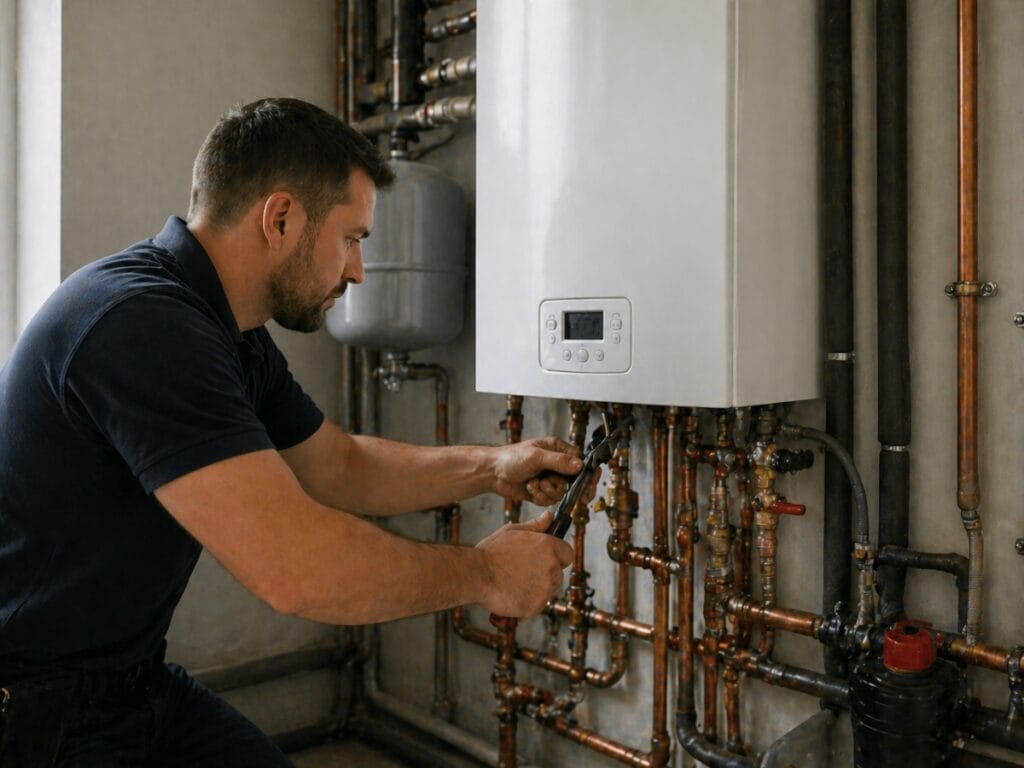
Installing a boiler is not just about placing equipment and connecting a few lines. It sets the foundation for how efficiently and safely the system will operate for years to come.
When comparing different types boilers, proper installation becomes even more important because each system has its own requirements and limitations. Taking the time to follow best practices ensures consistent performance, fewer repairs, and better overall comfort.
A well-installed boiler should match the home’s heating needs, integrate smoothly with existing systems, and meet all safety standards. Skipping steps or rushing the process often leads to issues that show up later as uneven heating, higher energy costs, or premature wear.
Planning And Preparing For A Successful Installation
Before any equipment is installed, a thorough assessment of the home is essential. This includes evaluating square footage, insulation levels, and how heat is distributed throughout the space.
Choosing between different types boilers without this step can lead to selecting a system that is either too large or too small, both of which reduce efficiency.
Preparation also involves setting up the installation area. The space should be clean, accessible, and properly ventilated. This is especially important for gas-powered systems that require safe exhaust pathways. Having all tools and materials ready before starting helps avoid interruptions and keeps the process organized.
At this stage, it is also important to review manufacturer guidelines. Each boiler model has specific requirements for placement, clearance, and connections. Following these details closely helps prevent issues later on.
Installation Process And System Setup
Once the planning is complete, the actual installation can begin. This involves connecting the boiler to the home’s piping system, ensuring that water can circulate properly throughout the radiators or underfloor heating setup. Proper alignment and secure fittings are key to preventing leaks and maintaining pressure.
Venting is another critical part of the process. Boilers must safely release exhaust gases, and even small mistakes in venting can create serious safety concerns. Ensuring that all vent connections meet local building codes helps protect both the system and the people using it.
After the physical setup is complete, the system needs to be filled, pressurized, and tested. This step confirms that everything is working as intended and allows adjustments to be made before regular use begins. A careful startup process often reveals small issues that can be corrected early.
Common Installation Mistakes And How To Prevent Them
One of the most frequent problems during installation is incorrect sizing. A boiler that is too large may cycle on and off too often, while one that is too small may struggle to maintain comfortable temperatures.
Both situations reduce efficiency and increase wear on the system. Working with accurate calculations helps avoid this issue.
Venting mistakes are another concern. Improperly installed vents can lead to poor performance or safety risks. Double-checking connections and ensuring compliance with local standards is essential, especially for fuel-burning systems.
In some homes, integrating the boiler with existing infrastructure can present challenges. Older piping or incompatible components may require adjustments. Addressing these details during installation helps prevent airflow or circulation problems later on.
Why Proper Installation Impacts Long-Term Performance
Choosing among different types boilers is only part of the equation. Even a high-quality system can underperform if it is not installed correctly. Proper installation supports efficient operation, reduces the likelihood of breakdowns, and helps extend the lifespan of the equipment.
Over time, a well-installed boiler maintains stable temperatures and uses energy more effectively. This creates a more comfortable living environment while keeping operating costs predictable.
By focusing on careful planning, precise installation, and thorough testing, homeowners can get the most value from their heating system.
How Can IT Solutions Optimize Boiler Management And Energy Use?
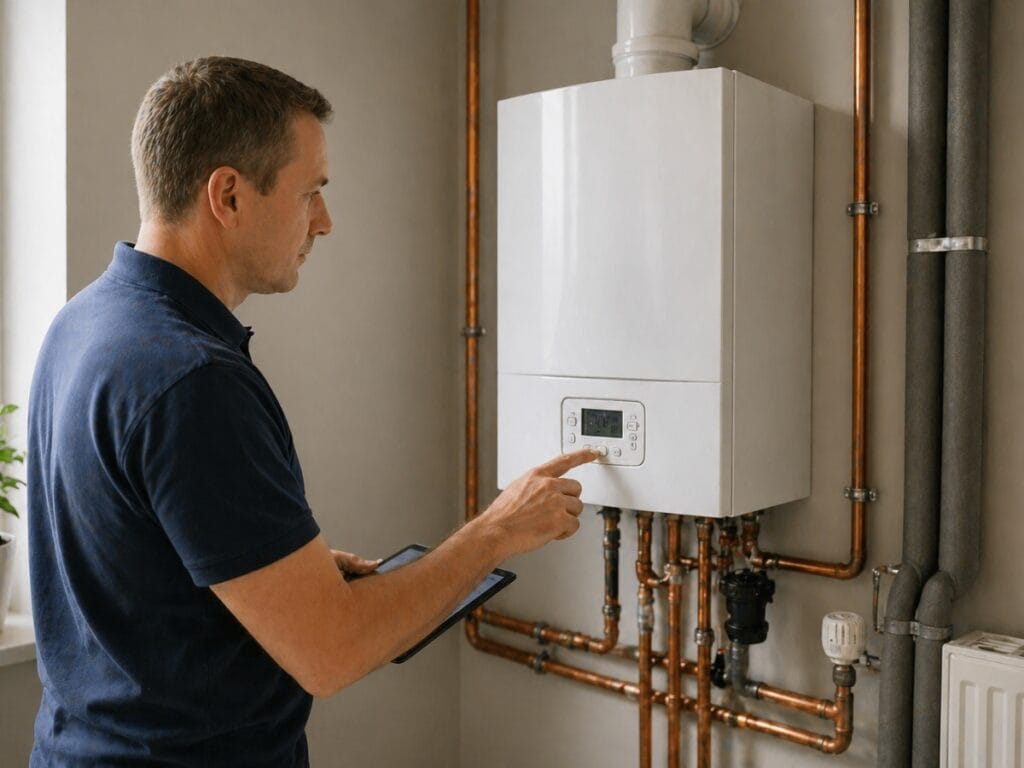
Technology is changing the way heating systems are managed, and boilers are no exception. As more homeowners and businesses explore different types boilers, many are also turning to smart tools that improve efficiency and simplify day-to-day operation. By integrating IT solutions into boiler systems, it becomes easier to monitor performance, reduce energy waste, and respond quickly to potential issues.
Rather than relying on manual checks or fixed schedules, modern systems use data to make informed adjustments in real time. This shift not only improves energy use but also creates a more consistent and reliable heating experience.
Smart Building Integration With IoT Enabled Controls
One of the most impactful upgrades in boiler management is the use of IoT enabled controls. These systems connect your boiler to a broader network, allowing you to monitor and adjust settings remotely through a smartphone or computer. This level of access gives users a clearer picture of how their system is performing at any given time.
For example, real time monitoring allows you to track energy consumption and identify patterns. If the system is using more energy than expected, adjustments can be made quickly before costs increase. This is especially useful in larger buildings where heating demands change throughout the day.
Automation also plays a key role. Smart controls can adjust heating schedules based on occupancy or outdoor temperatures, which helps avoid unnecessary energy use. Instead of running at full capacity all day, the system responds to actual conditions. When paired with the right types boilers, this kind of control can significantly improve overall efficiency.
Another advantage is compatibility with existing building systems. Many IoT solutions can integrate with broader management platforms, allowing heating, lighting, and other systems to work together. This creates a more streamlined and efficient environment without requiring a complete system overhaul.
Predictive Maintenance And Performance Monitoring
Beyond daily operation, IT solutions also improve how boilers are maintained. Predictive maintenance uses data and analytics to identify potential problems before they become serious. Instead of waiting for a breakdown, the system can detect subtle changes in performance that signal wear or inefficiency.
For homeowners and businesses, this approach can lead to noticeable cost savings. Addressing small issues early often prevents more expensive repairs later on. It also reduces downtime, which is especially important in commercial settings where consistent heating is essential.
Monitoring services often include alerts and performance reports, giving users a clearer understanding of how their boiler is operating over time. These insights make it easier to plan maintenance and keep the system running efficiently. When combined with well chosen types boilers, predictive maintenance helps extend the lifespan of the equipment while maintaining steady performance.
Why Data-Driven Boiler Management Matters
As heating systems become more advanced, the way they are managed needs to evolve as well. IT solutions provide a practical way to move from reactive maintenance to a more proactive, data-driven approach. This shift allows users to make smarter decisions about energy use, system upgrades, and long-term care.
In the context of different types of boilers, these technologies help bridge the gap between equipment capability and real-world performance. Even a high-efficiency boiler benefits from smarter controls and monitoring.
By combining the right system with the right technology, it is possible to achieve better comfort, lower energy costs, and fewer unexpected issues over time.
What Are Essential Boiler Maintenance Tips For Longevity And Efficiency?
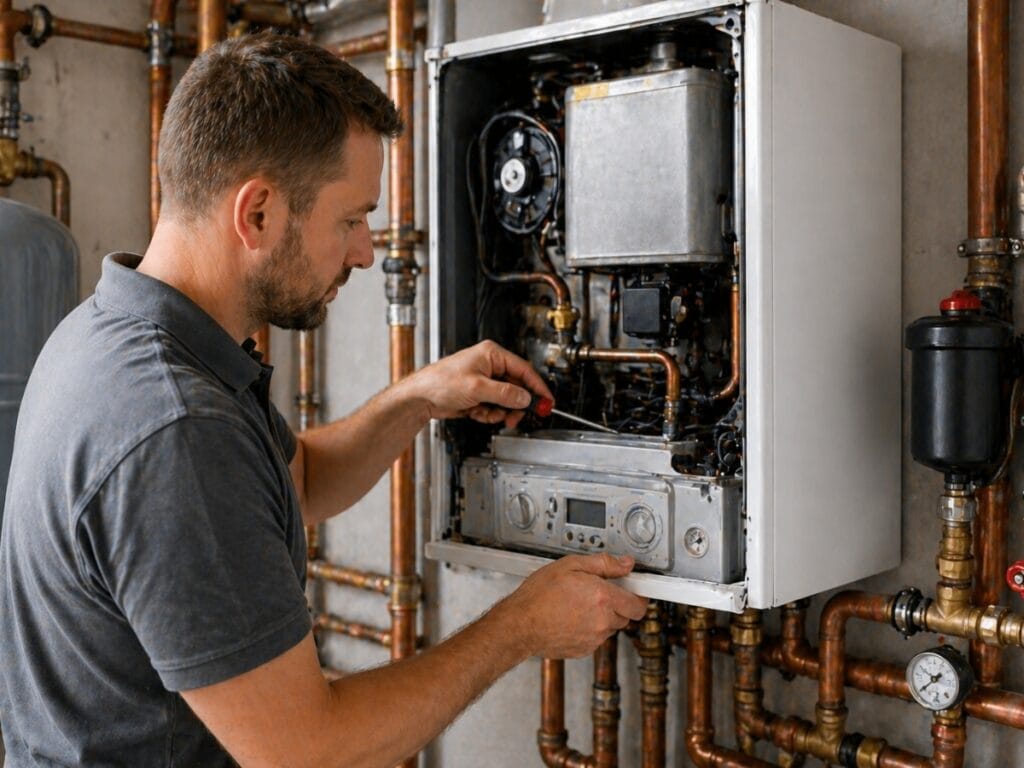
Keeping a boiler in good condition is not complicated, but it does require consistency. No matter which of the different types boilers you have, regular maintenance plays a direct role in how efficiently the system runs and how long it lasts.
Small checks done on a routine basis can prevent larger problems from developing and help maintain steady heating throughout the home.
A well-maintained boiler tends to use less energy, operate more quietly, and provide more reliable performance. Over time, that translates into lower operating costs and fewer unexpected repairs.
Routine Checks That Keep Your System Running Smoothly
Simple, routine inspections can go a long way in preventing common boiler issues. One of the most important components to monitor is the pressure relief valve.
This part helps regulate internal pressure, and if it is not functioning properly, it can create safety concerns or reduce system efficiency. Checking it periodically ensures the system stays within safe operating limits.
It is also important to look for signs of leaks around pipes and connections. Even a small leak can lead to pressure loss, reduced heating performance, and potential damage to surrounding areas. Catching these early makes repairs easier and less costly.
Keeping the boiler clean is another often overlooked step. Dust, debris, and buildup can affect how efficiently the system transfers heat. Over time, this can force the boiler to work harder than necessary.
Regular cleaning of accessible components helps maintain consistent performance, especially across different types boilers that rely on efficient heat exchange.
Recognizing Early Warning Signs Of Trouble
Beyond routine checks, it helps to pay attention to how the boiler behaves during normal use. Changes in sound, uneven heating, or longer run times can all signal that something is not working as it should. These subtle shifts often appear before a larger issue develops.
For example, if certain rooms are not heating as evenly as before, it could point to circulation issues or buildup within the system.
Similarly, a sudden increase in energy usage may indicate that the boiler is working harder to maintain the same level of comfort. Noticing these changes early allows for quicker adjustments and prevents further strain on the system.
When To Schedule Professional Boiler Servicing
While regular upkeep can be handled at home, professional servicing remains an important part of long-term maintenance.
A trained technician can perform a more detailed inspection, checking internal components that are not easily accessible. This includes testing safety features, evaluating combustion efficiency, and ensuring all parts are operating as intended.
Most systems benefit from a professional inspection at least once a year. Scheduling this service before the colder months helps ensure the boiler is ready for increased demand.
This is particularly important for homeowners comparing different types boilers, as each system may have specific maintenance requirements that a professional can address.
Building a Long-Term Maintenance Approach
Taking care of a boiler is less about one-time fixes and more about building a consistent routine. Regular checks, attention to early warning signs, and annual servicing all work together to keep the system running efficiently.
Over time, this approach helps extend the lifespan of the boiler and maintain reliable performance. Regardless of the types boilers installed, a steady maintenance routine ensures the system continues to deliver the comfort and efficiency it was designed for.
What Commercial Boiler Solutions Are Available for Large-Scale Heating Needs?
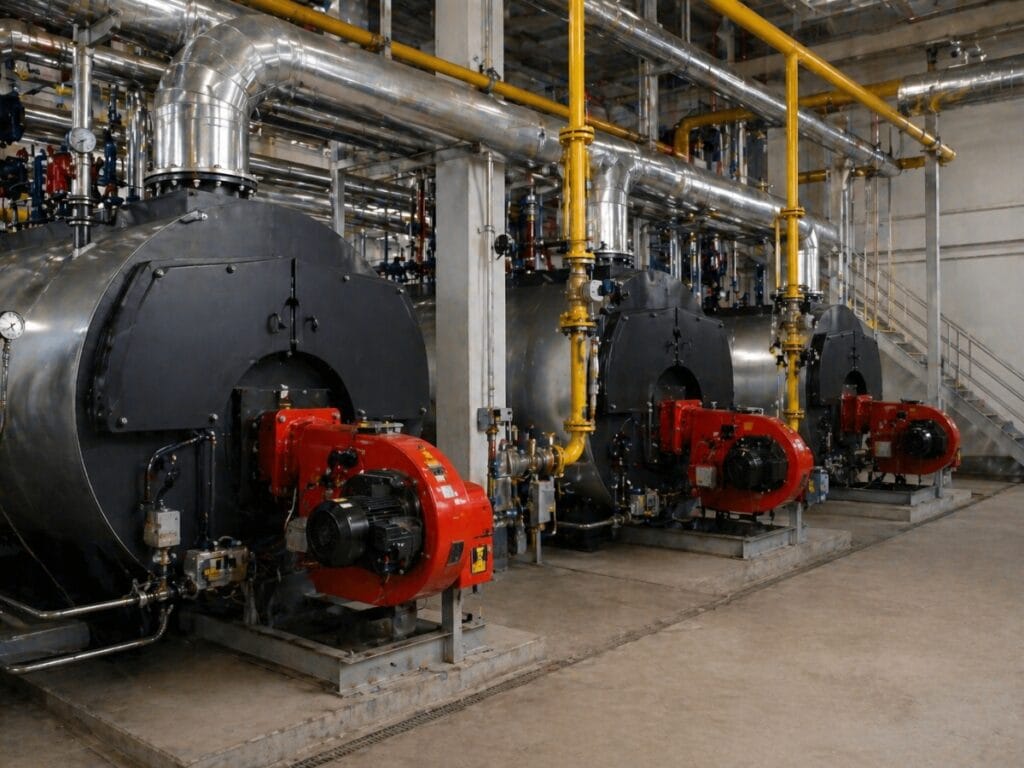
Heating a large commercial space comes with a different set of challenges than residential systems. Office buildings, warehouses, and industrial facilities require consistent output, reliable performance, and efficient energy use across a much larger footprint.
Understanding the available options and how different types boilers function in commercial settings can help businesses choose a system that meets both operational and cost expectations.
Rather than focusing on a single solution, commercial heating often involves selecting a system that aligns with how the building is used, how much heat is needed, and how energy is managed over time.
Types Of Commercial Boilers And Where They Work Best
Several types boilers are commonly used in commercial environments, each suited to specific applications. Condensing boilers are a popular choice for large buildings that prioritize efficiency.
These systems capture and reuse heat from exhaust gases, which reduces overall fuel consumption. They work especially well in buildings that require steady, long-term heating throughout the day.
Steam boilers are more common in industrial settings where high-temperature steam is needed for processes beyond basic heating. These systems are designed for durability and output, making them ideal for manufacturing or facilities with specialized equipment that relies on steam.
Hot water boilers, on the other hand, are often used in offices, schools, and multi-unit buildings. They circulate heated water through radiators or hydronic systems, providing even and controlled warmth.
Among the different types boilers, hot water systems are often chosen for their balance between performance and efficiency in everyday commercial use.
Each option brings its own strengths, so the right choice depends on how the space is used and what level of demand the system needs to handle.
Matching Boiler Systems To Building Demands
Selecting the right commercial boiler is not just about capacity. It also involves understanding how heating needs fluctuate throughout the day. For example, an office building may require less heat overnight and more during working hours, while an industrial facility may need consistent output around the clock.
This is where system design becomes important. Choosing among different types boilers should involve evaluating peak demand, building size, and how heat is distributed. A system that is properly matched to these factors will operate more efficiently and experience less strain over time.
In some cases, multiple units may be used together to handle varying demand levels. This approach allows for greater flexibility and can improve energy efficiency by adjusting output as needed.
Energy Management Strategies for Long-Term Efficiency
Once a system is in place, how it is managed has a major impact on performance. Regular maintenance remains one of the most effective ways to keep commercial boilers running efficiently. Routine inspections help identify wear, prevent breakdowns, and ensure the system continues to operate as intended.
Upgrading older equipment is another important consideration. Modern, high-efficiency models often outperform older systems by a significant margin. For businesses evaluating different types boilers, investing in newer technology can lead to noticeable reductions in energy use and operating costs.
Smart controls are also becoming a key part of commercial boiler management. These systems monitor performance in real time and adjust output based on current conditions. By responding to occupancy patterns or temperature changes, smart controls help reduce unnecessary energy use while maintaining comfort.
Building A Reliable Commercial Heating Approach
Choosing and managing a commercial boiler system requires a balance between performance, efficiency, and long-term reliability. The wide range of types boilers available today makes it possible to tailor a solution to almost any large-scale heating need.
By selecting the right system, matching it to the building’s demands, and using smart management strategies, businesses can maintain consistent heating while keeping energy costs under control. Over time, this approach supports both operational efficiency and overall building performance.
Conclusion
Closing Paragraph
Understanding the different types of boilers—from conventional and combi to system boilers—empowers you to make an informed decision that balances efficiency, space, and hot water demands for your home.
For professional guidance, expert installation, and reliable HVAC service you can count on, trust Ace Tech Heating & Cooling. Ready to upgrade your home heating with the perfect boiler solution?
Call (404) 369-9100 or get a free quote through our site form today. Let our certified technicians help you stay warm, efficient, and worry-free all winter long.