A dependable heating system becomes essential when temperatures drop, and for many homes, propane furnaces provide an efficient and powerful solution.
Known for strong heat output and reliable performance, propane systems can keep indoor spaces comfortable even during colder weather. Professional propane furnace installation and repair services help ensure your system runs safely, efficiently, and consistently when you need it most.
Whether you’re installing a new furnace or troubleshooting issues like uneven heating, unusual noises, or rising energy bills, expert service can make a significant difference in performance and longevity. Proper installation supports efficient operation, while timely repairs help prevent larger mechanical problems.
With the right care and professional support, propane furnace systems can deliver steady warmth and dependable heating throughout the season.
Propane Furnace Installation & Repair Services That Keep Homes Warm
Why Choose Propane Furnace Installation for Your Metro Atlanta Property?

Heating systems play a major role in maintaining indoor comfort during colder months. For many homes and commercial properties, choosing the right heating source can affect both energy costs and long-term system performance. A propane furnace is often considered a practical option because it delivers consistent heat and operates efficiently in a wide range of climates.
In regions such as Metro Atlanta, propane heating can be especially appealing because it provides reliable warmth without relying entirely on electric systems.
A propane furnace works by burning propane fuel to generate heat, which is then distributed through ductwork to warm the interior of the building. This process allows properties to maintain comfortable temperatures even during colder weather.
Another reason many homeowners consider a propane furnace is its balance between efficiency and performance. Propane systems are designed to heat spaces quickly and maintain steady indoor temperatures, which can improve comfort while reducing unnecessary energy use.
Energy Efficiency Advantages Of Propane Furnaces
One of the main reasons people choose a propane furnace is its strong energy efficiency performance. Furnace efficiency is commonly measured using the Annual Fuel Utilization Efficiency rating, often referred to as AFUE. This rating indicates how much of the fuel consumed by the furnace is converted into usable heat.
Many modern propane furnaces operate with AFUE ratings above 90 percent. This means that most of the fuel used by the system is turned into heat for the home rather than being lost during operation. Higher efficiency levels can reduce fuel consumption and help maintain stable indoor temperatures with less energy.
Efficient heating systems also contribute to lower overall operating costs over time. When a furnace converts a higher percentage of fuel into usable heat, the system does not need to run as long to reach the desired temperature.
Propane is also considered a cleaner-burning fuel compared with some traditional heating options. When burned properly, propane produces fewer emissions than heating oil and can support more efficient combustion within the furnace system.
Understanding AFUE Ratings In Furnace Performance
AFUE ratings are commonly used to compare heating systems and evaluate how efficiently they operate. The rating represents the percentage of fuel that becomes usable heat during normal operation.
For example, a furnace with a 90 percent AFUE rating converts most of its fuel into heat while only a small portion is lost through exhaust gases. Because these ratings are tested under standardized conditions, they allow homeowners to compare different furnace models on the same performance scale.
AFUE ratings are often referenced in energy modeling and equipment evaluations. They provide a useful benchmark for understanding how different heating systems perform over time.
Comparing Propane Heating With Natural Gas And Electric Systems
When evaluating heating options, many property owners compare propane systems with natural gas and electric heating. Each system has advantages depending on the location and infrastructure available.
Electric resistance heating systems are widely used, but they can become less efficient in colder weather. Electric heat pumps, for example, sometimes struggle to maintain consistent warmth when outdoor temperatures drop significantly.
A propane furnace can provide stronger heating output during cold conditions because the system produces heat through combustion rather than relying solely on electricity. This allows the furnace to maintain stable indoor temperatures even when outdoor temperatures fluctuate.
Natural gas systems operate similarly to propane furnaces, but access to natural gas depends on the availability of local pipeline infrastructure. In areas where natural gas lines are limited or unavailable, propane offers a flexible alternative because the fuel can be stored on site.
Reliability And Heating Performance
Reliability is another factor that influences heating system choices. A propane furnace is designed to deliver steady heating output while operating efficiently throughout the heating season.
Because propane systems produce heat quickly, they can warm indoor spaces faster than some electric heating options. This quick response can improve comfort, especially during sudden temperature drops.
Another advantage is that propane systems can operate independently of natural gas pipelines. This makes them a practical option for properties located outside major utility service areas.
Choosing The Right Heating System
Selecting a heating system often involves balancing energy efficiency, reliability, and fuel availability. A propane furnace offers a combination of strong heating performance and efficient fuel use, making it a practical choice for many properties.
By understanding how propane heating works and how it compares with other heating options, property owners can make more informed decisions about their heating systems. Efficient systems not only support indoor comfort but also help maintain consistent performance throughout the colder months.
How Does Ace Tech HVAC Ensure Quality Propane Furnace Installation?
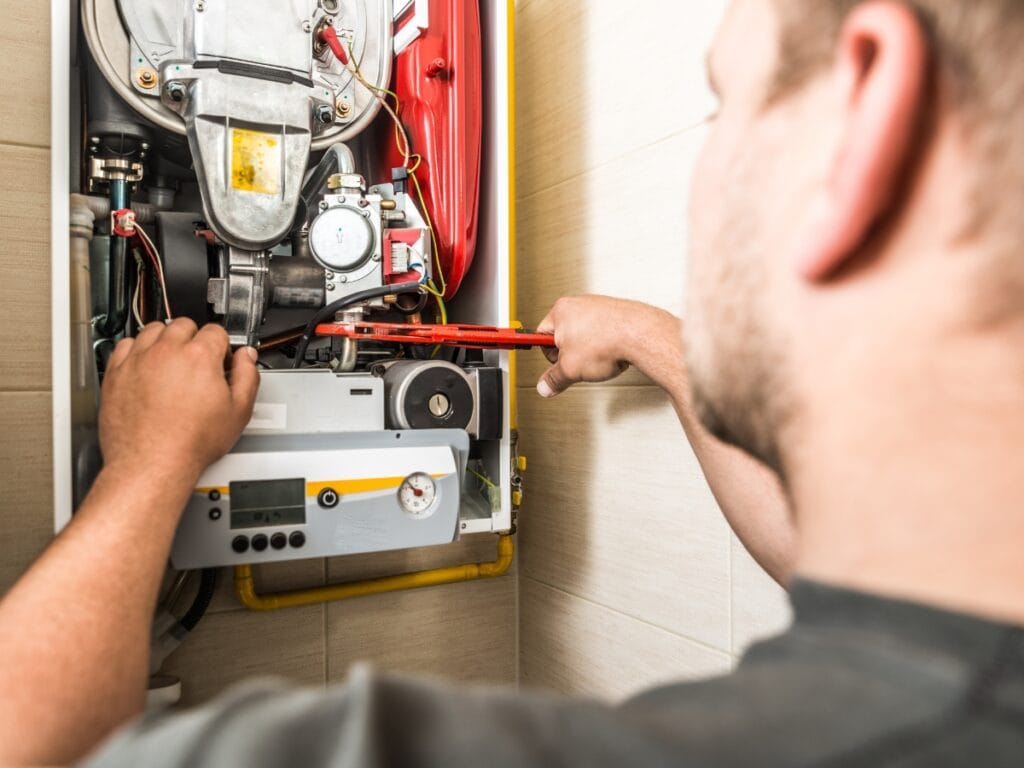
Installing a heating system involves more than simply placing equipment in a mechanical room. A propane furnace must be installed carefully to ensure safe operation, proper airflow, and reliable performance over time. Professional installation helps confirm that the system is correctly sized for the property and that all components work together efficiently.
Experienced technicians typically begin by evaluating the heating needs of the building. Factors such as square footage, insulation levels, and duct layout influence how well a propane furnace will perform.
By assessing these details before installation begins, technicians can determine the appropriate furnace capacity and avoid common issues such as uneven heating or excessive energy use.
Attention to detail during installation also supports long-term system efficiency. When the furnace is connected correctly to ductwork, electrical systems, and fuel supply lines, the equipment can operate more consistently throughout the heating season.
Step-by-Step Propane Furnace Installation Process
Installing a propane furnace usually follows a structured process designed to ensure both safety and performance. Each step focuses on preparing the property, installing the equipment properly, and confirming that the system works as intended.
The process often begins with a consultation and assessment. During this stage, technicians evaluate the property to determine the heating requirements and confirm the proper furnace size. Choosing the correct capacity is important because a furnace that is too large or too small can reduce efficiency and affect comfort.
Preparation comes next. The installation area must be ready to support the new furnace, which may involve adjusting duct connections, checking electrical supply lines, or confirming that ventilation pathways are clear. Proper preparation helps ensure the propane furnace can operate without airflow restrictions or safety concerns.
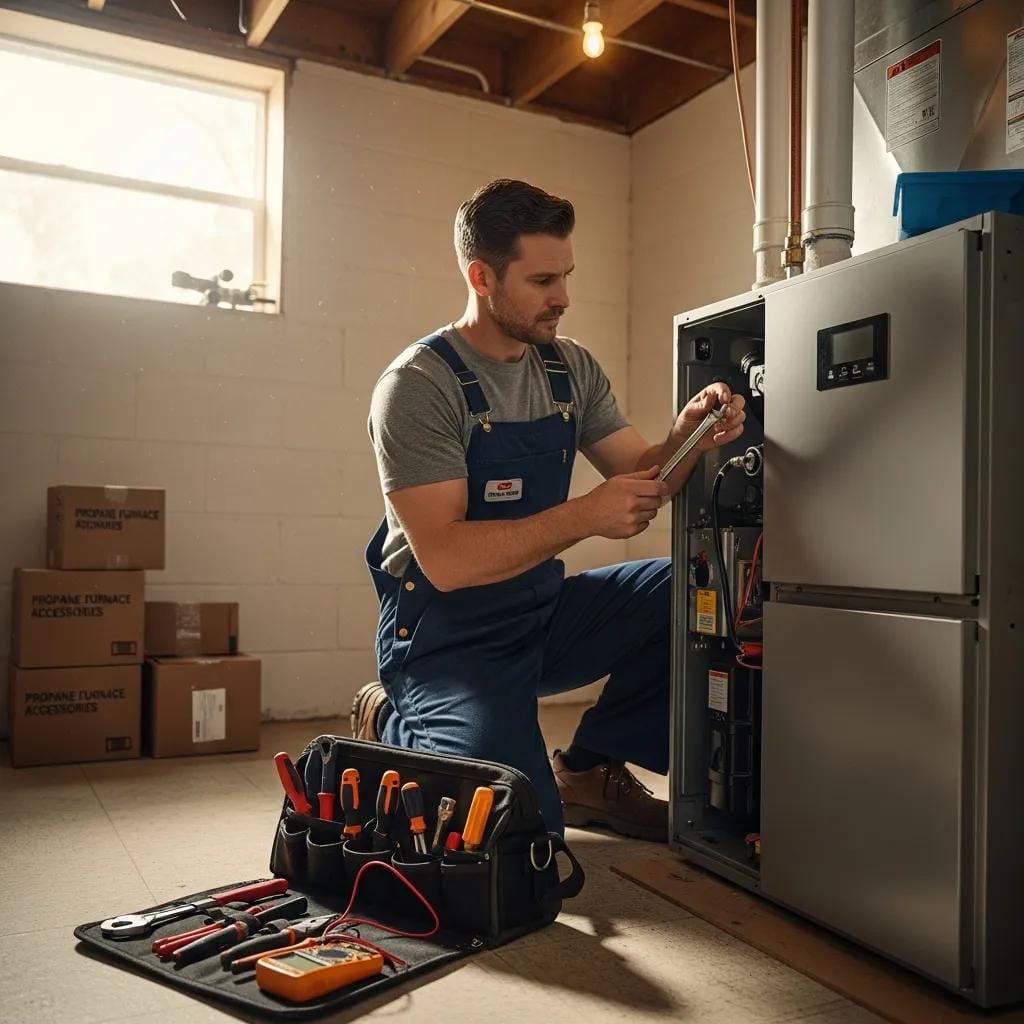
Once the space is ready, technicians install the furnace and connect it to the propane supply. This step includes securing the equipment, attaching the fuel line, and linking the furnace to the home’s ventilation and duct systems. Careful installation helps maintain stable combustion and proper heat distribution throughout the building.
After installation, technicians perform a series of system checks. These checks confirm that the propane furnace ignites correctly, circulates warm air efficiently, and meets basic safety requirements. Testing also allows technicians to verify that airflow and thermostat controls function properly.
Importance Of Proper Furnace Sizing And Setup
One of the most important parts of installing a propane furnace is ensuring that the system is correctly sized for the property. Furnace capacity must match the heating demands of the space in order to operate efficiently.
If a furnace is too large, it may heat the home quickly but cycle on and off frequently. This short cycling can reduce system efficiency and place extra strain on internal components. If the furnace is too small, it may run continuously without fully warming the building.
Accurate sizing allows the propane furnace to maintain steady indoor temperatures while operating efficiently. Proper airflow and duct connections also help distribute heat evenly throughout the space.
Common Propane Furnace Brands Used In Residential Heating
Many heating systems are manufactured by companies known for producing durable and efficient equipment. Certain brands are often selected because they offer consistent performance and advanced heating technology.
Some commonly installed propane furnace manufacturers include:
- Trane
- Carrier
- Lennox
These manufacturers are widely recognized in the heating industry for producing reliable equipment. Many of their models are designed with high efficiency ratings, improved airflow systems, and quieter operation.
Choosing well-engineered equipment can improve overall system performance. When a propane furnace is built with durable components and installed correctly, it can provide consistent heating for many years.
Long-Term Benefits Of Professional Furnace Installation
Professional installation helps ensure that a propane furnace performs as expected from the start. Proper setup reduces the risk of airflow problems, inefficient combustion, and uneven heating.
A correctly installed furnace can also improve overall system lifespan. When equipment operates under proper conditions, components experience less strain and require fewer repairs over time.
Heating systems are a long-term investment for most property owners. Ensuring that a propane furnace is installed carefully and adjusted correctly helps maintain comfort, efficiency, and reliable performance throughout the heating season.
What Are The Typical Costs And Factors Affecting Propane Furnace Installation In Georgia?
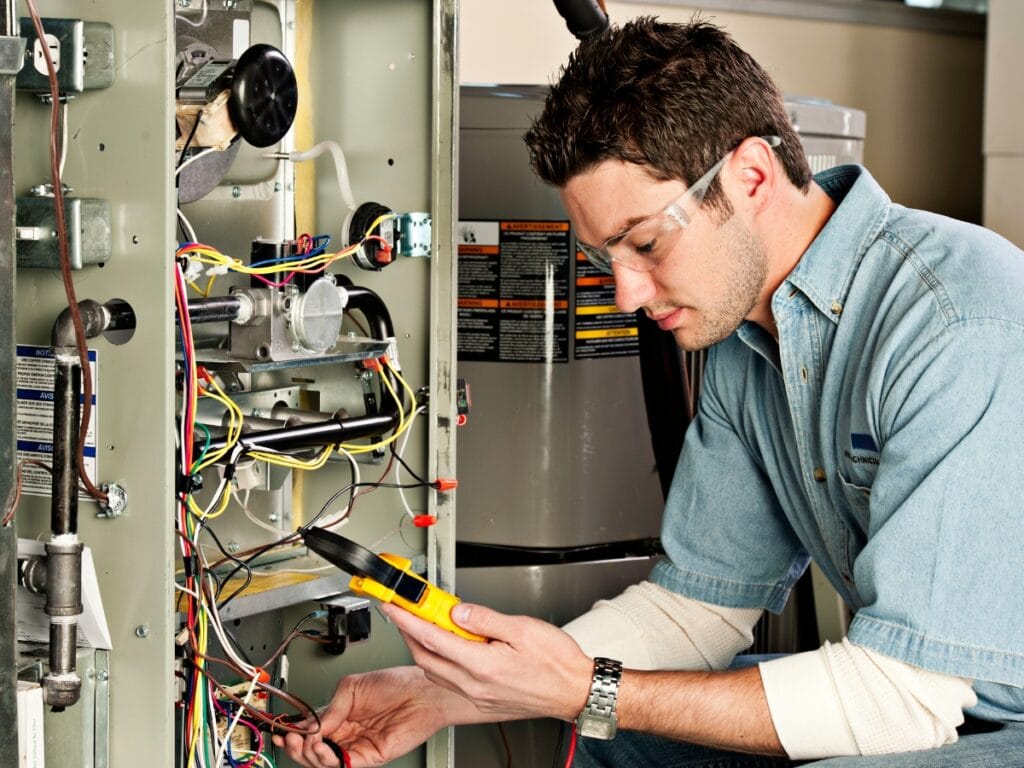
Installing a heating system is a significant decision for homeowners and property managers. The cost of installing a propane furnace can vary depending on several factors, including the size of the property, the type of equipment selected, and the complexity of the installation.
Understanding these variables helps property owners plan their budgets and choose a system that fits both their comfort needs and long-term energy goals.
A propane furnace is often selected for its strong heating performance and fuel efficiency. While the upfront installation cost may vary, many people consider propane heating a reliable option that provides steady indoor warmth throughout the colder months.
Before installation begins, technicians typically evaluate the property to determine the most suitable furnace size and configuration. This assessment helps ensure that the system will heat the space effectively without wasting fuel or overworking the equipment.
Key Factors That Influence Propane Furnace Installation Costs
Several elements contribute to the total cost of installing a propane furnace. Equipment selection is one of the most important factors. Furnaces are available in a range of sizes and efficiency ratings, and larger or higher efficiency models generally cost more than standard units.
Furnace capacity is measured according to the heating demands of the property. Larger homes often require systems that produce more heat, which can increase equipment costs. High-efficiency furnaces may also include advanced features designed to improve energy performance and airflow control.
Installation complexity can also influence overall cost. In some homes, the installation process is straightforward because the ductwork and ventilation systems are already compatible with the new furnace. In other cases, adjustments may be required before the propane furnace can be installed properly.
Common installation considerations may include:
- Updating existing duct connections
- Adjusting ventilation or exhaust pathways
- Ensuring the propane fuel supply line is properly configured
These adjustments help ensure that the furnace operates safely and distributes heat evenly throughout the home.
The Role Of Local Market Conditions
Regional market conditions can also affect installation costs. Labor rates, equipment availability, and seasonal demand all influence pricing in different areas. In regions such as Metro Atlanta, heating contractors may experience higher demand during colder months when homeowners begin preparing their systems for winter.
Availability of equipment and trained technicians can also affect pricing. When demand increases during peak seasons, installation schedules may fill quickly, which can sometimes influence labor costs.
Local building codes and safety requirements may also affect installation procedures. These regulations are designed to ensure that heating systems operate safely and meet regional construction standards.
Average Propane Furnace Installation Costs In Metro Atlanta
Although installation costs vary by property and equipment choice, many propane furnace installations in Metro Atlanta fall within a general price range. For a typical residential installation, the cost often falls between 2,500 and 5,000 dollars.
Several elements contribute to where a particular installation may fall within that range:
- Furnace type and efficiency level
- Property size and heating requirements
- Installation complexity and system adjustments
A standard propane furnace installed in a home with existing ductwork may fall toward the lower end of the range. More complex installations that involve duct modifications or high-efficiency equipment may increase the total cost.
Why System Sizing And Efficiency Matter
Choosing the correct furnace size plays a major role in both cost and performance. A properly sized propane furnace allows the system to maintain steady indoor temperatures while using fuel efficiently.
When a furnace is too large for the space, it may heat the home quickly but shut off too frequently. This short cycling can reduce efficiency and place extra strain on internal components. If the furnace is too small, it may run constantly without reaching the desired temperature.
Selecting the right furnace capacity helps balance comfort and efficiency. A properly sized system distributes heat more evenly and can reduce unnecessary energy use over time.
Planning for Long-Term Heating Performance
Installing a propane furnace involves more than simply purchasing equipment. Property owners must consider system performance, installation requirements, and long-term operating efficiency.
Understanding the factors that influence installation costs allows homeowners to make more informed decisions when selecting a heating system. By evaluating furnace size, installation needs, and local market conditions, property owners can better plan for a reliable heating solution that meets their comfort and budget requirements.
How Can You Maintain And Repair Your Propane Furnace For Optimal Performance?
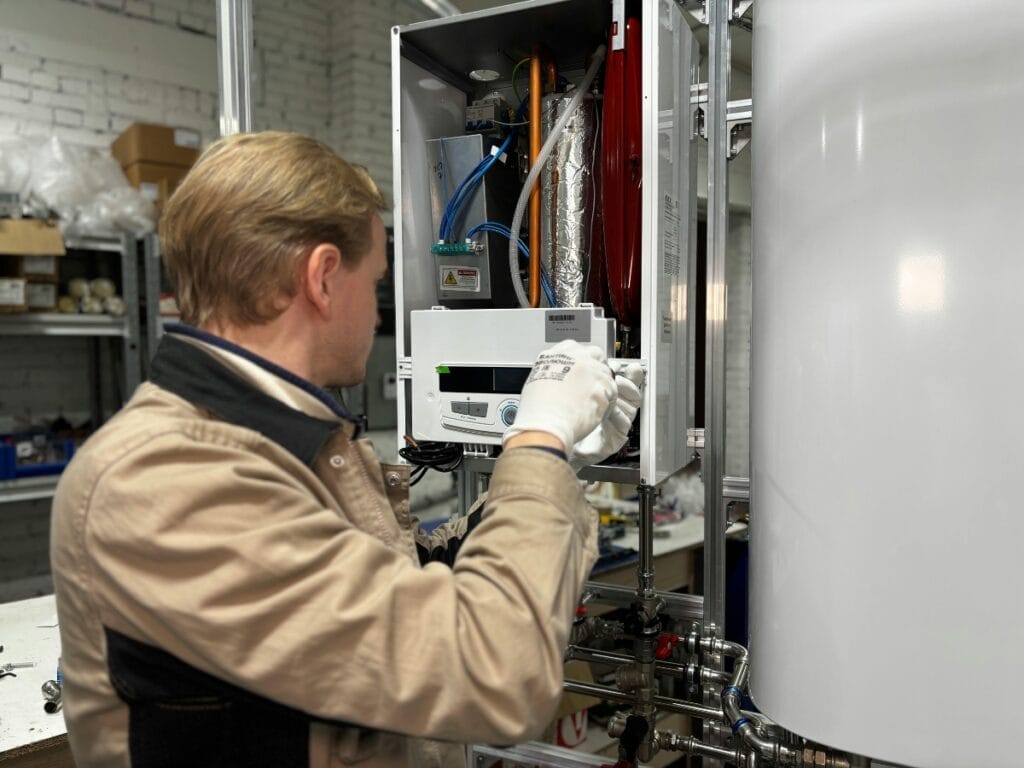
A propane furnace can provide reliable heating for many years, but like any mechanical system, it requires regular care. Routine maintenance helps the furnace run efficiently, reduces the risk of unexpected breakdowns, and supports consistent indoor comfort during colder months.
When a heating system operates for long periods, dust buildup, worn components, and airflow restrictions can gradually affect performance. By maintaining a propane furnace on a regular schedule, homeowners can address small issues before they become larger repairs.
Consistent maintenance also helps the system operate more efficiently. A clean and properly adjusted furnace uses fuel more effectively, which can help maintain stable indoor temperatures while reducing unnecessary strain on the equipment.
Importance Of Regular Filter Replacement
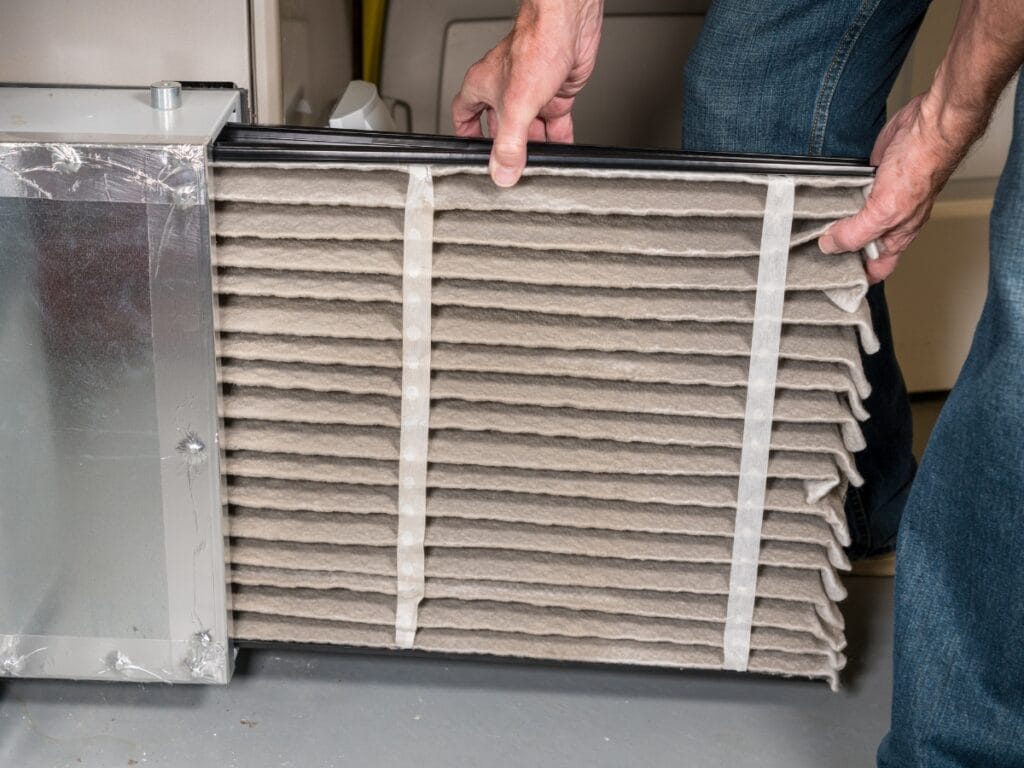
Air filters play an important role in the performance of a propane furnace. The filter captures dust, debris, and airborne particles before they enter the heating system. When the filter becomes clogged, airflow through the furnace becomes restricted.
Restricted airflow can cause the system to work harder than necessary to circulate warm air. Over time, this added strain may reduce efficiency and contribute to uneven heating throughout the home.
Most heating systems benefit from routine filter replacement. A typical maintenance routine often includes replacing the air filter every 1 to 3 months, depending on how frequently the furnace operates and the air quality inside the home.
Regular filter replacement provides several benefits:
- Improved airflow throughout the heating system
- Better indoor air circulation
- Reduced strain on furnace components
Keeping the filter clean allows the propane furnace to maintain consistent airflow and operate more efficiently.
Why Annual Furnace Inspections Matter
Professional inspections are another important part of maintaining a propane furnace. A yearly inspection allows technicians to evaluate the system before heavy heating use begins. During the inspection, key components are checked to ensure they are operating safely and efficiently.
An inspection may include evaluating burners, examining the heat exchanger, and confirming that ventilation pathways remain clear. These checks help identify early signs of wear or corrosion that could affect furnace performance.
Annual inspections also provide an opportunity to test system controls and safety features. Ensuring these components function properly helps maintain reliable heating throughout the season.
Regular inspection of the furnace can also reveal airflow or combustion problems that might not be noticeable during everyday operation.
Cleaning Coils, Drains, And Internal Components
Cleaning internal components is another important part of furnace maintenance. Dust and debris can accumulate on various parts of the heating system over time. When buildup occurs on coils or drains, it may reduce efficiency or create moisture issues within the system.
Cleaning evaporator coils and clearing drain lines helps maintain proper airflow and prevents water buildup. When moisture accumulates in drainage systems, it may lead to blockages or minor leaks.
Routine cleaning also helps maintain overall furnace efficiency. A propane furnace that operates with clean internal components can circulate warm air more effectively and maintain stable heating performance.
Electrical And System Diagnostics
Heating systems contain several electrical connections and internal components that require periodic inspection. Over time, wiring connections may loosen or develop corrosion due to normal system operation.
Checking electrical components helps confirm that the furnace continues to operate safely. Tightening connections and examining system controls can prevent electrical issues that might interrupt furnace operation.
Diagnostic checks are also useful for identifying early warning signs of mechanical problems. Technicians may monitor airflow levels, listen for unusual sounds, or review system error codes to detect developing issues.
When these concerns are identified early, repairs can often be completed before they affect the overall performance of the propane furnace.
What Are The Signs Your Propane Furnace Needs Repair Or Maintenance?
A propane furnace is designed to provide steady and reliable heat, but like any heating system, it can develop problems over time. Small issues often appear gradually, and recognizing them early can help prevent more serious repairs later. Paying attention to changes in system performance is one of the simplest ways to identify when maintenance may be needed.
Many furnace problems begin with subtle warning signs. These signs may involve changes in airflow, unusual sounds, or shifts in heating performance. When a propane furnace begins to behave differently than usual, it often indicates that a component needs adjustment, cleaning, or repair.
Identifying these issues early allows homeowners to address maintenance concerns before they affect the entire heating system. Regular monitoring also helps ensure the furnace continues operating safely and efficiently.
Unusual Noises From The Heating System
One of the most common signs that a propane furnace needs attention is the presence of unusual noises. Furnaces normally produce a low level of operating sound when they start up and circulate warm air through the duct system. However, louder or unfamiliar sounds may indicate a developing mechanical issue.
Certain noises can point to specific problems within the system. For example:
- Banging or popping sounds may suggest delayed ignition or expanding ductwork.
- Rattling noises can occur when internal components become loose.
- Grinding sounds may indicate wear in moving parts such as the blower motor.
These sounds do not always mean that the furnace is failing, but they often signal that the system should be inspected. Addressing mechanical concerns early can prevent damage to other components inside the propane furnace.
Inconsistent Heating Throughout The Home
Another common sign of furnace trouble is uneven heating. When a propane furnace operates properly, it distributes warm air evenly throughout the house. If some rooms remain colder than others, it may indicate that airflow through the duct system is restricted.
Airflow issues can occur for several reasons. Dirty filters, blocked vents, or ductwork leaks may limit how warm air moves through the home. In some cases, the furnace blower may not be circulating air as effectively as it should.
Uneven heating can also develop if the system is running inefficiently. When the furnace struggles to maintain consistent airflow, some areas of the home may receive less heat than others. Addressing these issues promptly can restore balanced heating and improve system efficiency.
Rising Energy Costs Without Clear Cause
Changes in utility costs can also indicate that a propane furnace is not operating efficiently. When heating equipment begins to work harder to produce the same amount of heat, fuel consumption often increases.
A noticeable rise in heating expenses may suggest several possible issues. Filters may be clogged, internal components may require cleaning, or the furnace may need calibration. In some cases, worn parts inside the system can force the furnace to run longer than necessary to reach the desired temperature.
Monitoring energy usage over time can help identify when efficiency begins to decline. If heating costs increase without a clear explanation, it may be worthwhile to inspect the propane furnace and confirm that it is functioning properly.
How Often Should Furnace Tune-Ups Be Scheduled?
Routine maintenance is one of the best ways to keep a propane furnace operating reliably. Many heating professionals recommend scheduling a system inspection at least once each year. An annual tune-up allows technicians to examine key components, clean internal parts, and confirm that the system operates safely.
Seasonal inspections are often scheduled before the colder months begin. Preparing the furnace before winter allows technicians to identify potential problems before the heating system enters its busiest period of use.
During a typical maintenance visit, several aspects of the furnace may be evaluated. Technicians may inspect burners, examine ventilation pathways, test safety controls, and confirm that airflow through the system remains unobstructed.
Benefits Of Regular Furnace Maintenance
Regular maintenance helps extend the lifespan of a propane furnace while supporting efficient system performance. When components are cleaned, adjusted, and inspected regularly, the furnace can operate with less strain and fewer interruptions.
Maintenance also helps identify minor problems before they become major repairs. Small adjustments made during a tune-up can improve airflow, reduce energy consumption, and support consistent indoor comfort.
Keeping track of warning signs such as unusual sounds, uneven heating, or rising energy costs allows homeowners to respond quickly when a propane furnace begins to show signs of wear. With consistent care and attention, a well-maintained heating system can continue delivering reliable warmth for many years.
What Emergency Propane Furnace Repair Services Are Available in Metro Atlanta?

Heating systems are designed to operate reliably, but unexpected issues can still occur during colder months. When a propane furnace stops working properly, indoor temperatures can drop quickly and create uncomfortable living conditions. In these situations, prompt repair is important to restore heat and prevent further damage to the system.
Emergency repair services focus on identifying the source of the problem and getting the heating system operating again as quickly as possible.
A propane furnace contains several components that must work together, including ignition systems, gas valves, thermostats, and ventilation pathways. When one of these components fails, the entire system may stop producing heat.
In areas such as Metro Atlanta, where winter temperatures can fluctuate, having access to emergency heating repair can help homeowners address sudden furnace problems before they become more serious.
How Emergency Propane Furnace Repairs Are Handled
Emergency heating repairs usually begin with a diagnostic inspection. Technicians examine the propane furnace to determine what caused the system to stop working or perform poorly. This process helps identify mechanical faults, ignition problems, or airflow restrictions that may be affecting the system.
Once the issue is identified, the technician focuses on restoring safe operation. Depending on the situation, repairs may involve adjusting components, replacing worn parts, or correcting fuel delivery problems. The goal is to return the furnace to normal operation while ensuring that the system remains safe to use.
Emergency repairs often address problems such as:
- Ignition or pilot light failures
- Thermostat control issues
- Fuel supply or gas flow concerns
Because these issues can interrupt the heating cycle, they often require prompt attention to prevent extended loss of heat inside the home.
Pilot Light And Ignition Problems
One of the more common issues affecting a propane furnace involves the ignition system. Some furnaces rely on a pilot light or electronic ignition to start the heating process. If the ignition system fails, the furnace may not start at all.
Pilot light problems can occur when the flame goes out due to drafts, dirt buildup, or worn components. Electronic ignition systems may also fail if sensors become dirty or electrical connections loosen over time.
When ignition problems occur, the furnace cannot ignite the propane fuel needed to generate heat. Diagnosing and repairing these systems usually involves inspecting the ignition assembly, cleaning sensors, and verifying that gas flow remains consistent.
Thermostat And Control System Failures
Another issue that can interrupt heating involves the thermostat or control system. The thermostat communicates with the propane furnace and signals when the system should start or stop heating. If the thermostat malfunctions, the furnace may not receive the correct instructions.
Symptoms of thermostat problems can include inconsistent heating, frequent cycling, or the furnace failing to turn on altogether. In some cases, the issue may involve incorrect thermostat calibration or wiring problems within the control circuit.
Evaluating thermostat performance often involves checking system connections, confirming proper calibration, and verifying that the control signals reach the furnace.
Gas Leaks And Fuel Supply Concerns
Problems involving propane supply lines require immediate attention because they can affect both system operation and household safety. A propane furnace depends on a stable fuel supply to produce heat. If the gas flow becomes restricted or interrupted, the furnace may shut down automatically.
Signs of a fuel supply issue can include difficulty igniting the furnace, unusual furnace shutdowns, or noticeable changes in heating performance. Because propane is a combustible fuel, any suspected leak or supply problem should be addressed quickly by trained technicians.
Inspection of propane connections typically includes checking valves, examining fuel lines, and confirming that the furnace receives an adequate and stable supply of fuel.
Restoring Reliable Heating Performance
Emergency furnace repairs focus on restoring warmth and maintaining safe operation. Once repairs are completed, technicians typically test the propane furnace to ensure that it ignites properly, circulates air efficiently, and maintains stable heating output.
Addressing furnace problems early helps prevent additional damage to internal components. Regular maintenance and prompt attention to warning signs can reduce the likelihood of unexpected breakdowns.
When a propane furnace is properly maintained and repaired when needed, it can continue providing consistent heating throughout the winter season while supporting long-term system reliability.
Propane Furnace Installation & Repair Services in Metro Atlanta: Expert Solutions for Homeowners and Businesses
Whether you’re considering the efficiency of a new propane furnace installation or need prompt repairs to restore your home’s warmth, professional expertise ensures safe, reliable operation throughout the heating season.
Propane systems require specialized knowledge for proper installation, venting, and maintenance to perform optimally and safely. For trusted propane furnace services in Atlanta, rely on the certified technicians at Ace Tech Heating & Cooling.
Ready to experience dependable warmth with professional propane furnace service? Call (404) 369-9100 or get a free quote through our site form today. Let us deliver the comfort and peace of mind you deserve.