Few household problems are as frustrating as an air conditioner that runs but fails to keep your home cool, especially during the hottest days of the year.
Weak airflow, warm air from the vents, or uneven temperatures can signal anything from a simple maintenance issue to a more serious system problem. Identifying the cause early can help prevent additional damage and unnecessary repair costs.
If your AC is not cooling, understanding the most common reasons behind the issue is the first step toward restoring comfort. Dirty filters, refrigerant leaks, thermostat malfunctions, and restricted airflow are just a few of the problems that can reduce cooling performance.
This guide explores effective air conditioner troubleshooting solutions to help you diagnose common issues, improve efficiency, and know when it’s time to call a professional.
AC Not Cooling? How to Troubleshoot the Problem
What Causes an AC to Stop Cooling Properly?
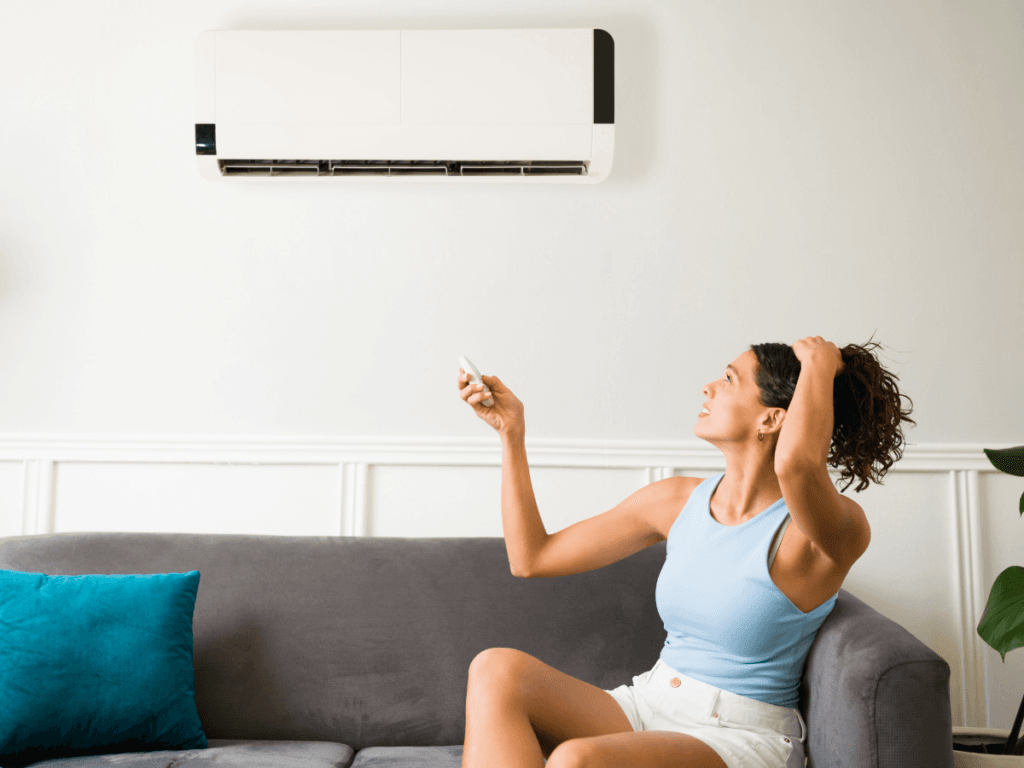
When your AC not cooling becomes more than a minor inconvenience, it’s usually a sign that one or more components of the system aren’t working as they should. While some problems are simple enough to address yourself, others require professional diagnosis to prevent further damage.
The good news is that many cooling issues follow recognizable patterns. Understanding the most common causes can help you determine whether you need a quick maintenance fix or a service call.
Thermostat Settings and Electrical Issues
Before assuming your air conditioner has a major problem, start with the thermostat. Incorrect settings, dead batteries, or communication issues between the thermostat and HVAC system can all prevent your home from reaching the desired temperature.
Check the following first:
- Make sure the thermostat is set to Cool, not Fan or Heat.
- Set the temperature several degrees below the current room temperature.
- Replace thermostat batteries if applicable.
- Confirm the circuit breaker hasn’t tripped after a power outage.
Sometimes what appears to be an AC not cooling problem is simply a thermostat that isn’t sending the correct signal to the system.
Dirty Air Filters Restrict Airflow
A clogged air filter is one of the most common and preventable causes of poor cooling performance. As dust and debris accumulate, airflow becomes restricted, making it harder for your system to circulate cool air throughout your home.
Signs of a dirty filter include:
- Weak airflow from vents.
- Rooms that cool unevenly.
- Longer cooling cycles.
- Higher energy bills.
- Increased dust indoors.
Most homeowners should inspect their air filter every month and replace it every one to three months, depending on the filter type, pets, allergies, and system usage.
Refrigerant Leaks Reduce Cooling Performance
Your air conditioner relies on refrigerant to absorb heat from inside your home and release it outdoors. If refrigerant levels become low because of a leak, the system cannot cool efficiently.
Common symptoms include:
- Warm or lukewarm air coming from vents.
- Ice forming on refrigerant lines or the indoor evaporator coil.
- Longer run times without reaching the thermostat setting.
- Hissing or bubbling noises near refrigerant lines.
Unlike replacing an air filter, refrigerant issues should always be handled by a licensed HVAC technician. Simply adding refrigerant without repairing the leak will only provide a temporary solution.
Compressor and Mechanical Component Failures
The compressor is often described as the heart of an air conditioning system because it circulates refrigerant throughout the cooling cycle. If it begins to fail, cooling capacity drops significantly.
Other mechanical components can also contribute to poor performance, including condenser fans, blower motors, capacitors, and electrical controls.
Warning signs include:
- Warm air despite the system running.
- Loud grinding, rattling, or buzzing sounds.
- Frequent cycling on and off.
- Outdoor unit running while indoor airflow is weak.
- Unexpected increases in electricity usage.
Mechanical failures typically worsen over time, making early diagnosis important for avoiding more expensive repairs.
Outdoor Conditions and Lack of Maintenance
Not every cooling issue stems from a broken component. Environmental conditions and neglected maintenance can also reduce system performance.
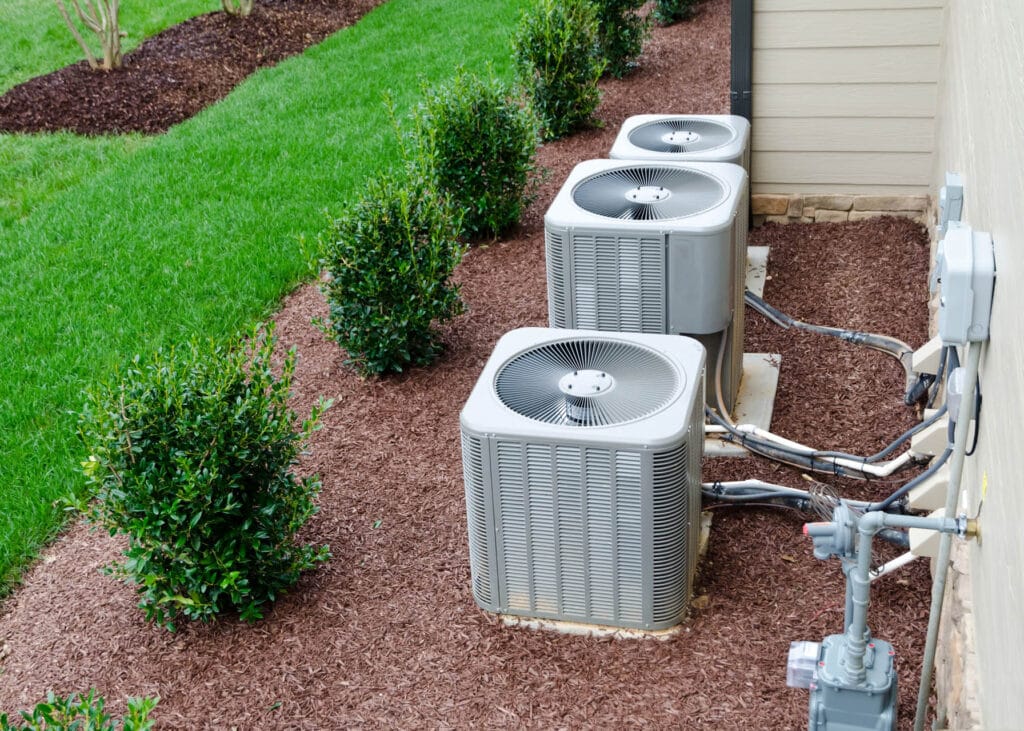
For example, an outdoor condenser covered with leaves, grass clippings, or dirt cannot release heat efficiently. Similarly, blocked supply vents, dirty evaporator coils, or leaking ductwork force the system to work harder while delivering less cooling.
Regular maintenance helps prevent many of these issues before they affect comfort.
Quick Troubleshooting Checklist Before Calling for Service
If your AC not cooling problem has just started, check these items before scheduling a repair:
| Check | Why It Matters |
|---|---|
| Thermostat settings | Ensures the system is receiving the correct cooling command. |
| Air filter | Restores proper airflow if clogged. |
| Circuit breakers | Rules out a power interruption. |
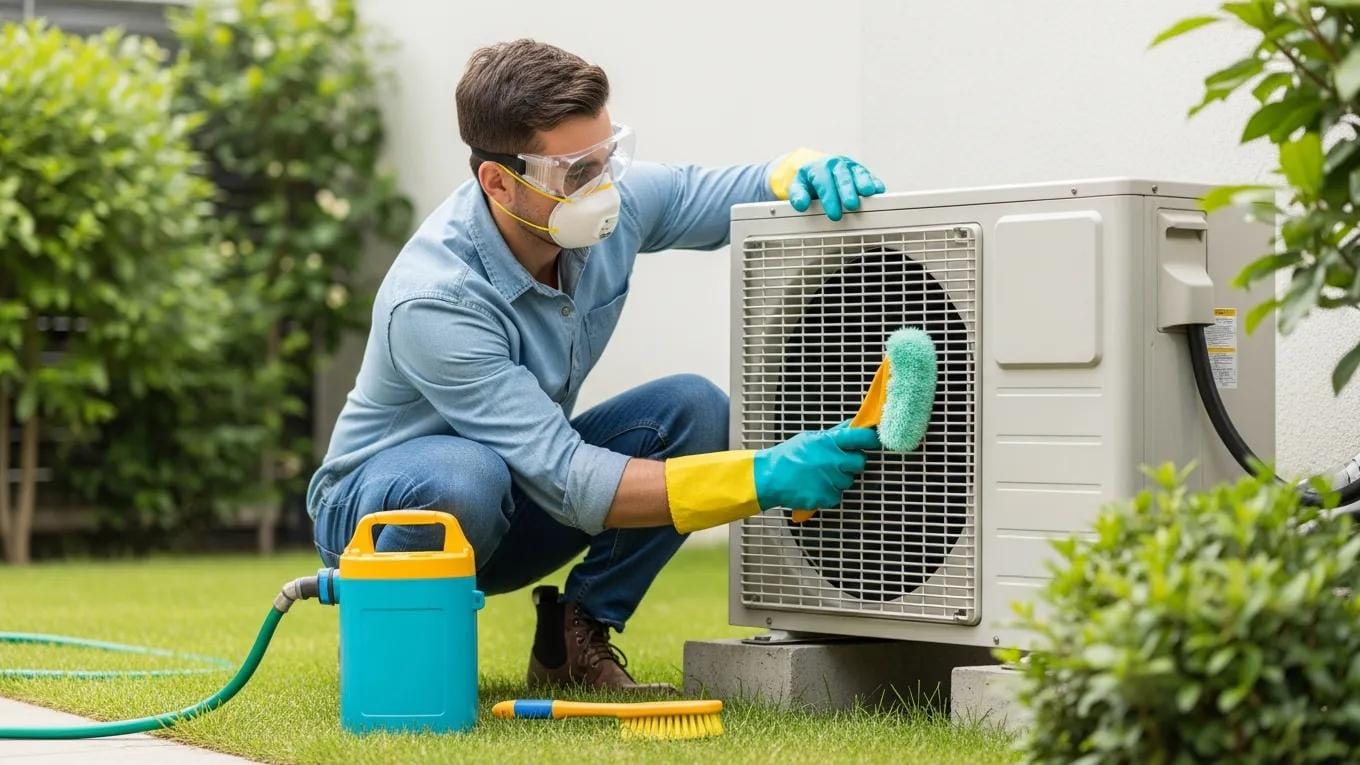
| Outdoor condenser | Removes debris that restricts airflow. |
| Supply vents | Confirms vents aren’t closed or blocked by furniture. |
If these steps don’t resolve the issue, or if you notice refrigerant leaks, ice buildup, unusual noises, or repeated cycling, it’s time for a professional inspection.
Prompt repairs can restore efficiency, prevent additional component damage, and help your air conditioning system keep your home comfortable throughout the hottest months.
How Can You Diagnose and Troubleshoot an AC That Isn’t Cooling?
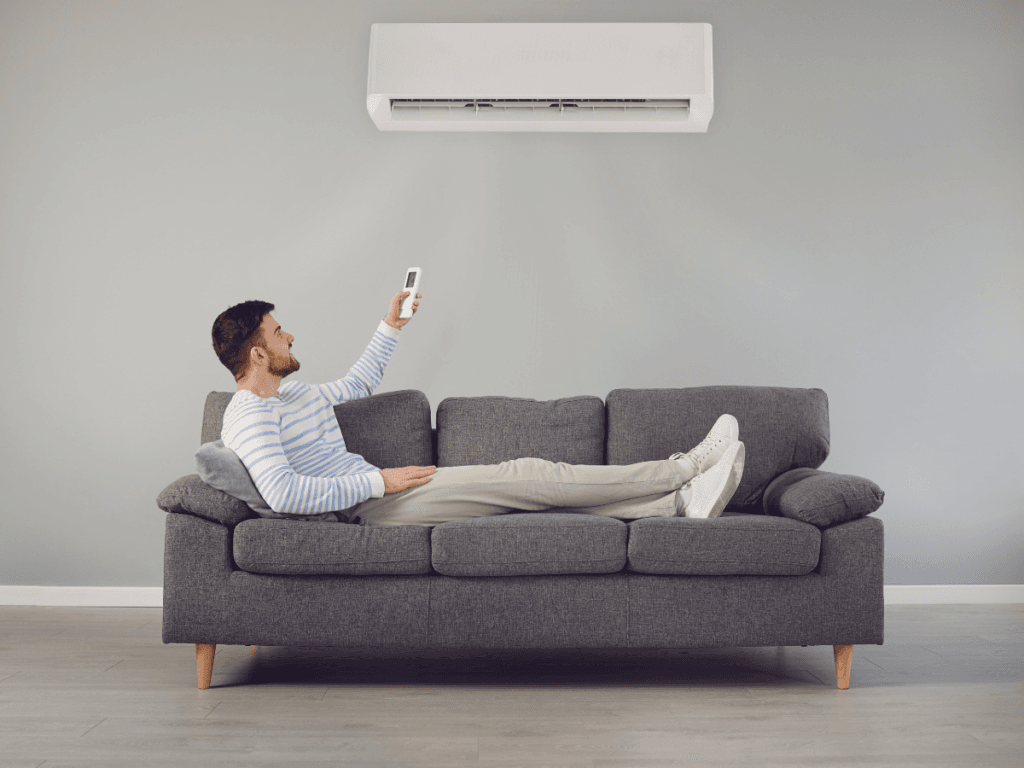
If your AC not cooling properly, a systematic inspection can help determine whether the problem is something you can fix yourself or an issue that requires professional repair. Starting with the simplest checks can often save time, restore cooling quickly, and prevent unnecessary service calls.
While homeowners can safely handle basic maintenance tasks, more complex problems involving refrigerant, electrical components, or the compressor should always be left to a qualified HVAC technician.
Step-by-Step Checklist for Diagnosing Cooling Problems
Work through these troubleshooting steps in order, moving from the easiest fixes to more involved inspections.
| Step | What to Check | Why It Matters |
|---|---|---|
| 1 | Verify thermostat settings | Make sure the system is set to Cool, the fan is on Auto, and the temperature is lower than the current room temperature. |
| 2 | Inspect the air filter | A clogged filter restricts airflow and is one of the most common causes of poor cooling performance. |
| 3 | Check supply and return vents | Ensure vents are open and not blocked by furniture, rugs, or curtains. |
| 4 | Examine the outdoor unit | Remove leaves, grass, and debris that may be blocking airflow around the condenser. |
| 5 | Check the circuit breaker | A tripped breaker can prevent the indoor or outdoor unit from operating correctly. |
| 6 | Observe system operation | Listen for unusual noises, short cycling, or weak airflow that may indicate a mechanical issue. |
Completing these basic checks often identifies simple problems that can be resolved without extensive repairs.
Common Problems and Their Solutions
Once you’ve completed the initial inspection, compare what you’re seeing with these common symptoms.
Thermostat isn’t responding
Double-check the settings, replace the batteries if needed, and make sure the thermostat display is functioning properly. If it still isn’t communicating with the system, the thermostat itself may need servicing or replacement.
Weak airflow from vents
Restricted airflow usually points to a dirty air filter, blocked vents, clogged evaporator coils, or leaking ductwork. Replacing the filter is an easy first step that often improves performance immediately.
Warm air instead of cool air
If the system is running but blowing warm air, possible causes include low refrigerant, a malfunctioning compressor, dirty condenser coils, or electrical problems. These issues generally require professional diagnosis.
Outdoor unit isn’t running
Check the breaker first. If power isn’t the issue, a failed capacitor, contactor, or motor could be preventing the condenser from operating.
Signs That Point to a Refrigerant or Mechanical Problem
Some symptoms indicate a problem that goes beyond routine maintenance. Contact an HVAC professional if you notice:
- Ice forming on the refrigerant lines or indoor evaporator coil.
- Hissing or bubbling sounds that may indicate a refrigerant leak.
- Grinding, squealing, or buzzing noises from the indoor or outdoor unit.
- Water pooling around the indoor air handler.
- The system repeatedly turns on and off without completing a cooling cycle.
- Persistent warm air despite replacing the filter and checking thermostat settings.
Continuing to run the system when these problems are present can increase wear on major components and lead to more expensive repairs.
When Should You Call a Professional for AC Repair?
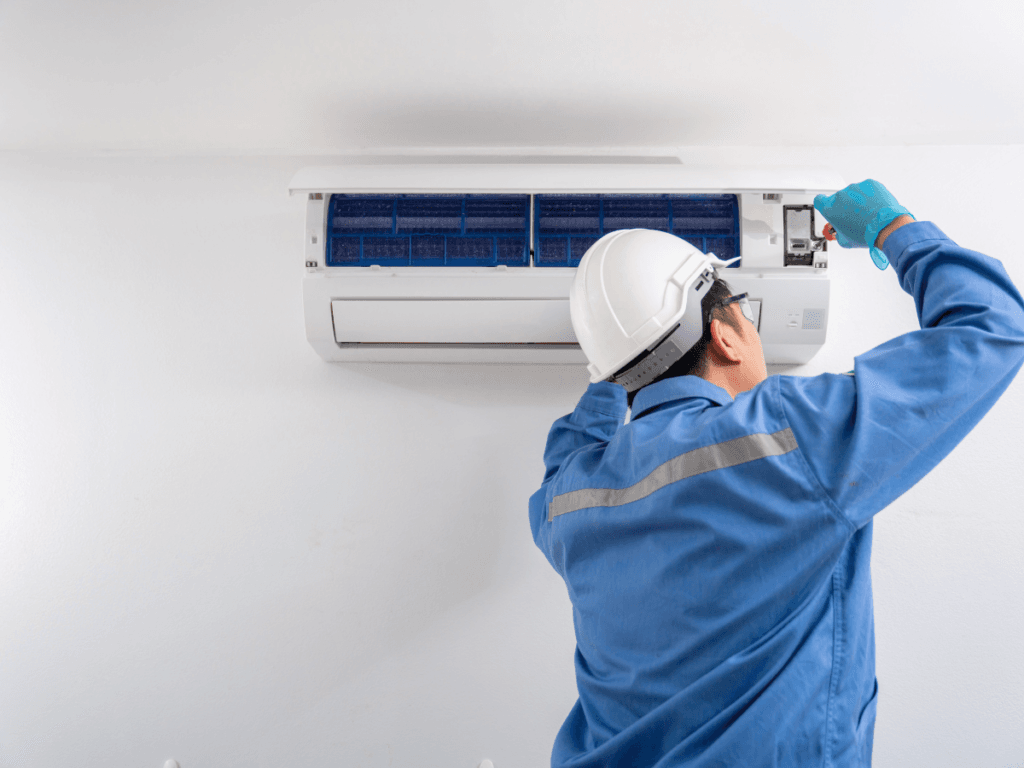
Some cooling problems have simple solutions, such as replacing a dirty air filter or correcting thermostat settings. However, if your AC not cooling after basic troubleshooting, continuing to run the system could lead to more extensive damage and higher repair costs.
Knowing when to stop troubleshooting and call an HVAC technician can help protect your equipment, restore comfort faster, and prevent a complete system breakdown during the hottest part of the year.
Warning Signs That Require Professional HVAC Service
Certain symptoms point to mechanical or electrical problems that should be diagnosed by a licensed HVAC professional.
Contact a technician if you notice any of the following:
- Warm air coming from the vents. If the thermostat is set correctly and airflow is normal but the air isn’t cold, the issue may involve refrigerant, the compressor, or another critical component.
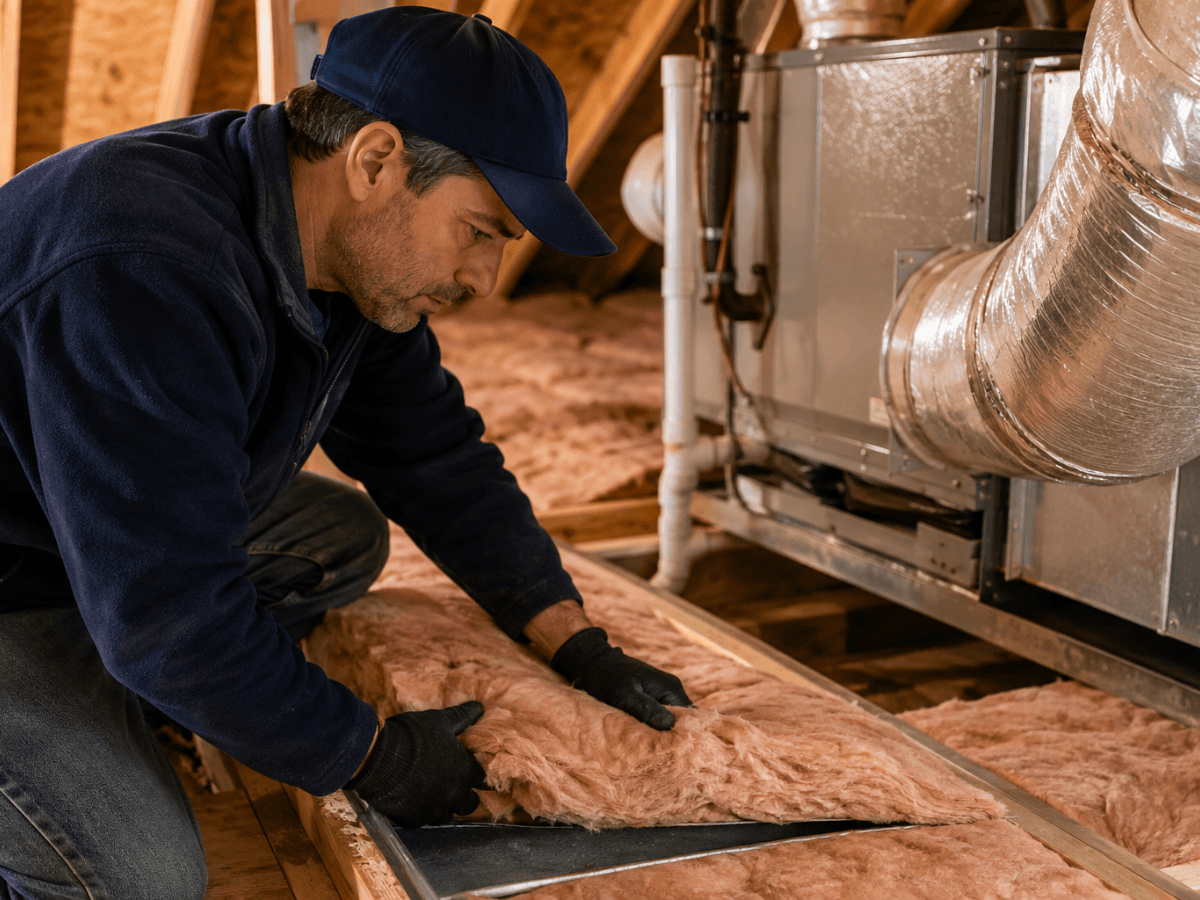
- Weak or inconsistent airflow. This can indicate blower motor problems, damaged ductwork, clogged evaporator coils, or other airflow restrictions.
- Unusual noises. Grinding, banging, rattling, squealing, or buzzing sounds often signal worn bearings, loose parts, failing motors, or electrical issues.
- Water leaks around the indoor unit. A clogged condensate drain, frozen evaporator coil, or other drainage issue can cause water damage if left untreated.
- Ice on refrigerant lines or coils. Ice buildup usually indicates restricted airflow or low refrigerant levels, both of which require professional attention.
- Frequent short cycling. If the system repeatedly starts and stops without completing a cooling cycle, it may be struggling with electrical, thermostat, or compressor-related problems.
- Higher-than-normal energy bills. A sudden increase in cooling costs often means your air conditioner is working harder than necessary because something isn’t operating efficiently.
Any of these warning signs suggest that the problem extends beyond routine homeowner maintenance.
Problems You Shouldn’t Attempt to Repair Yourself
While replacing filters and clearing debris around the outdoor unit are safe DIY tasks, some repairs require specialized tools and training.
Avoid attempting to:
- Recharge refrigerant or repair refrigerant leaks.
- Replace capacitors or electrical components.
- Repair the compressor or condenser fan motor.
- Diagnose wiring or control board failures.
- Disassemble sealed refrigeration components.
These repairs involve electrical hazards, pressurized refrigerants, and specialized diagnostic equipment. Improper repairs can damage the system, void the manufacturer’s warranty, or create safety risks.
What to Expect During a Professional HVAC Inspection
If your AC not cooling, a qualified technician will perform a comprehensive inspection to identify the underlying cause rather than simply treating the symptom.
A professional service visit may include:
- Testing thermostat operation and system controls.
- Measuring refrigerant pressure and checking for leaks.
- Inspecting electrical connections and capacitors.
- Evaluating compressor and blower motor performance.
- Cleaning or inspecting evaporator and condenser coils.
- Checking airflow throughout the duct system.
- Verifying the system is cooling within manufacturer specifications.
This thorough approach helps ensure the correct repair is made the first time.
Why Prompt Repairs Save Money
Delaying service often allows a minor problem to become a much larger one. For example, a clogged filter can eventually strain the blower motor, while a small refrigerant leak can damage the compressor if ignored.
Scheduling repairs early offers several advantages:
- Prevents additional damage to expensive components.
- Restores cooling performance more quickly.
- Improves energy efficiency and lowers utility costs.
- Reduces the risk of an unexpected breakdown during extreme heat.
- Extends the overall lifespan of your HVAC system.
If you’ve completed the basic troubleshooting steps and your AC not cooling properly, or you notice any of the warning signs above, contacting an experienced HVAC professional is the safest and most cost-effective way to restore reliable performance.
What Maintenance Tips Help Prevent AC Cooling Failures?
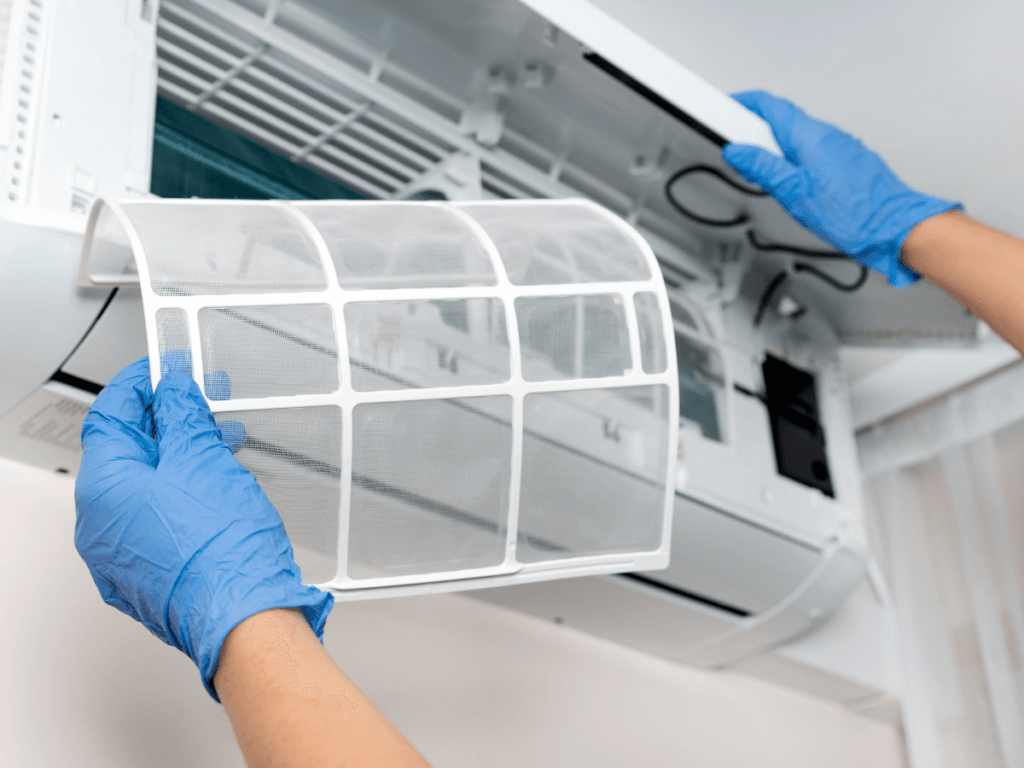
The best way to avoid an AC not cooling problem is to keep your system well maintained throughout the year. Routine maintenance improves energy efficiency, reduces wear on critical components, and helps catch small issues before they become expensive repairs.
While homeowners can handle several basic maintenance tasks, combining those efforts with annual professional service provides the best protection against unexpected breakdowns during peak summer heat.
Build a Preventive Maintenance Routine
A consistent maintenance schedule keeps your air conditioner operating efficiently and helps prevent many of the most common cooling issues.
Focus on these essential tasks:
| Maintenance Task | Recommended Frequency | Why It Matters |
|---|---|---|
| Replace or clean air filters | Every 1 to 3 months | Improves airflow, indoor air quality, and system efficiency. |
| Inspect thermostat operation | Monthly | Ensures accurate temperature control and reliable cooling. |
| Clear debris around the outdoor condenser | Monthly or as needed | Maintains proper airflow and heat transfer. |
| Check supply and return vents | Every few months | Prevents airflow restrictions throughout the home. |
| Schedule professional HVAC maintenance | Once a year, preferably in spring | Identifies developing issues before heavy summer use. |
Following this schedule greatly reduces the chances of facing an AC not cooling issue when temperatures are at their highest.
Benefits of Regular HVAC Maintenance
Routine maintenance is about more than avoiding breakdowns. It also helps your entire system operate more efficiently over its lifetime.
A properly maintained air conditioner can provide:
- More consistent indoor temperatures.
- Lower monthly energy bills.
- Improved airflow throughout the home.
- Better indoor air quality.
- Reduced wear on expensive components.
- Longer equipment lifespan.
- Fewer unexpected repairs.
Even simple maintenance tasks can have a noticeable impact on system performance and operating costs.
Seasonal Maintenance Best Practices
Preparing your air conditioner before summer arrives helps ensure it’s ready for increased demand.
Before cooling season begins:
- Schedule a professional tune-up.
- Replace the air filter if it’s dirty.
- Clean leaves, grass, and debris from around the outdoor condenser.
- Make sure all supply and return vents are open and unobstructed.
- Test the thermostat to confirm it’s responding correctly.
- Listen for unusual noises during the first cooling cycle of the season.
Completing these steps before the hottest weather arrives gives you time to address small issues before they become emergency repairs.
Why Thermostat and Fan Maintenance Matter
Two often-overlooked components play a major role in cooling performance: the thermostat and the blower fan.
A properly calibrated thermostat accurately signals when cooling is needed, preventing unnecessary cycling and helping maintain consistent indoor temperatures.
Likewise, the blower fan distributes conditioned air throughout your home. If the fan is dirty, damaged, or operating inefficiently, even a perfectly functioning air conditioner may struggle to cool every room evenly.
Checking both components during routine maintenance helps ensure your system performs as intended.
Don’t Overlook the Outdoor Unit
The outdoor condenser is exposed to dirt, pollen, grass clippings, and leaves throughout the year. When airflow around the condenser is restricted, your air conditioner must work harder to remove heat from your home.
Keep the outdoor unit operating efficiently by:
- Removing vegetation growing within two to three feet of the unit.
- Gently rinsing dirt from the condenser fins with a garden hose when needed.
- Keeping shrubs trimmed to maintain adequate airflow.
- Avoiding stacking outdoor items against the equipment.
Proper airflow around the condenser is one of the simplest ways to improve cooling efficiency.
When Professional Maintenance Is Worth It
Although homeowners can perform many routine maintenance tasks, an annual HVAC inspection provides a more comprehensive evaluation of the system.
During a professional service visit, a technician can:
- Inspect electrical connections and safety controls.
- Measure refrigerant levels.
- Clean evaporator and condenser coils.
- Test blower motor performance.
- Verify thermostat calibration.
- Identify worn components before they fail.
Combining regular homeowner maintenance with professional annual service is the most effective strategy for preventing AC not cooling problems, improving energy efficiency, and extending the life of your air conditioning system.
How Are Smart Diagnostics Improving Modern HVAC Repairs?
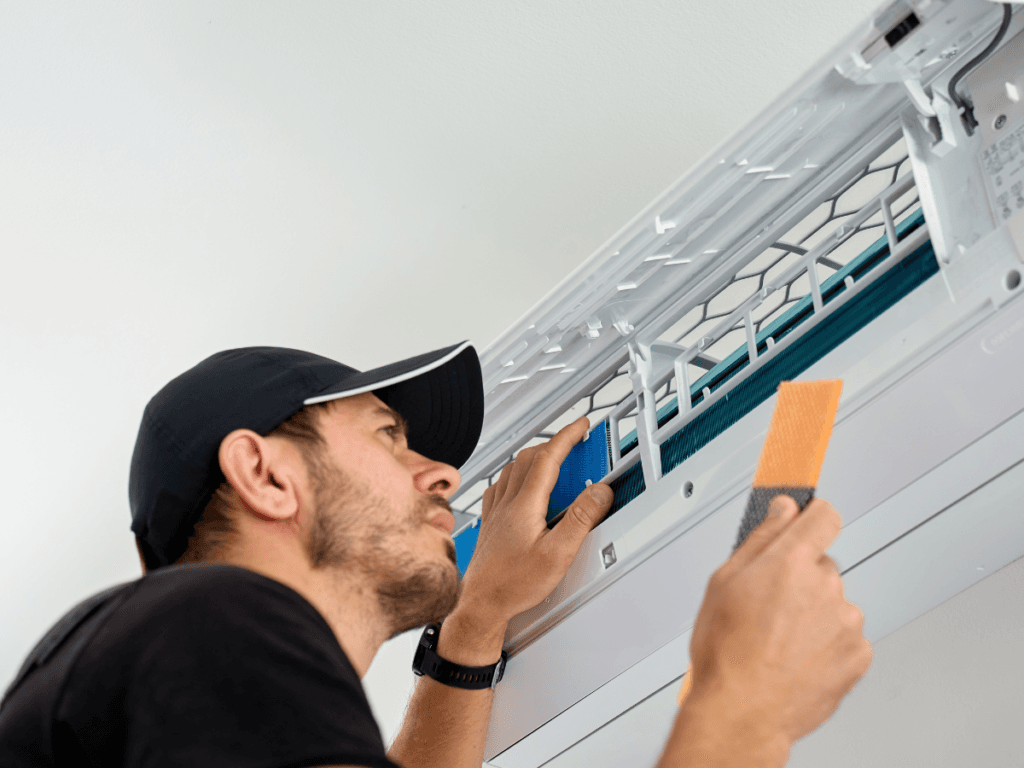
Today’s HVAC systems are becoming more intelligent, making it easier to identify problems before they lead to expensive repairs.
Smart diagnostic technology gives technicians access to real-time performance data, helping them pinpoint the root cause of an AC not cooling issue more quickly than traditional troubleshooting methods.
Rather than relying solely on visible symptoms, modern diagnostic tools continuously monitor system performance and alert homeowners or service professionals when something begins operating outside its normal range.
This proactive approach improves repair accuracy, reduces downtime, and helps prevent unexpected breakdowns.
How Smart HVAC Diagnostic Tools Work
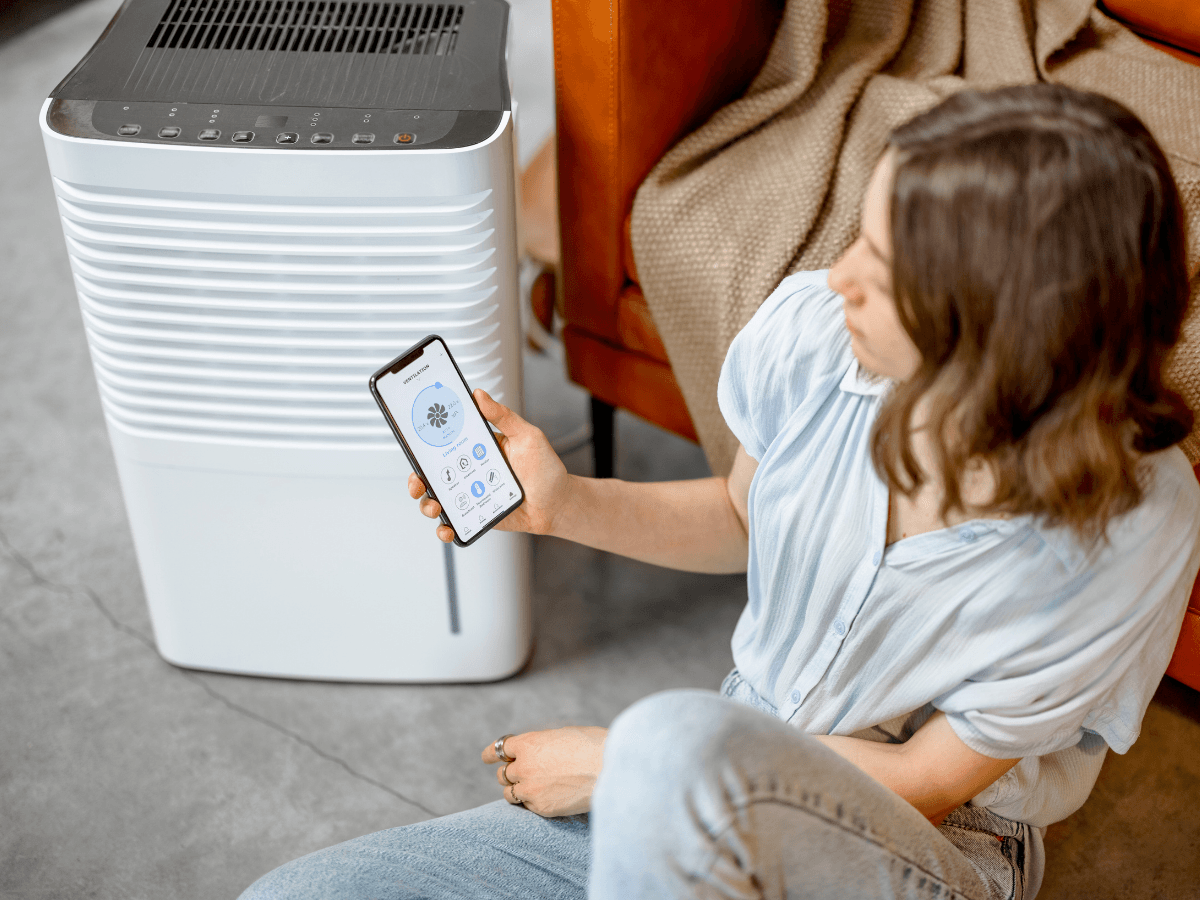
Many newer HVAC systems include built-in sensors that monitor critical operating conditions, such as temperature, airflow, refrigerant pressure, electrical performance, and system run times.
These sensors collect data that technicians can review during service visits or, in some cases, remotely through connected monitoring platforms.
Smart diagnostics can help identify issues such as:
- Restricted airflow caused by clogged filters or blocked ducts.
- Refrigerant problems that reduce cooling efficiency.
- Electrical faults affecting motors, capacitors, or control boards.
- Thermostat communication errors.
- Components that are beginning to fail before they stop working entirely.
By identifying problems early, technicians can often make targeted repairs before a small issue develops into a major system failure.
Benefits of Smart HVAC Diagnostics
Smart diagnostic technology offers advantages for both homeowners and HVAC professionals.
Key benefits include:
| Feature | How It Helps Homeowners |
|---|---|
| Real-time system monitoring | Detects performance issues before they become noticeable. |
| Faster troubleshooting | Reduces the time needed to diagnose repair problems. |
| Predictive maintenance | Identifies developing component wear before a breakdown occurs. |
| More accurate repairs | Helps technicians replace the correct part instead of relying on trial and error. |
| Improved efficiency | Keeps the system operating closer to peak performance, reducing energy costs. |
For homeowners dealing with an AC not cooling issue, these tools can shorten repair times and improve the likelihood that the problem is resolved during the first service visit.
How Connected Technology Supports HVAC Service
Many modern HVAC systems can connect with smart thermostats or home automation platforms, giving technicians additional information about how the system has been operating over time.
Historical performance data may reveal:
- Frequent short cycling.
- Temperature fluctuations throughout the day.
- Excessive system run times.
- Unusual energy consumption.
- Repeated fault codes that point to intermittent problems.
Instead of diagnosing a system based on a single visit, technicians can review long-term operating trends to identify recurring issues that might otherwise be overlooked.
Predictive Maintenance Helps Prevent Breakdowns
One of the biggest advantages of smart diagnostics is predictive maintenance. Rather than waiting for equipment to fail, connected systems can detect subtle changes in performance that suggest a component is wearing out.
Examples include:
- A blower motor drawing more electrical current than normal.
- Reduced airflow caused by gradual filter buildup.
- Small refrigerant losses that slowly reduce cooling capacity.
- Sensors detecting abnormal compressor operation.
Addressing these issues early often prevents emergency repairs during periods of extreme summer heat.
Smart Diagnostics Complement, Not Replace, Professional Service
While connected technology provides valuable information, it doesn’t eliminate the need for routine maintenance.
Smart monitoring systems can alert homeowners that something is wrong, but trained HVAC technicians are still needed to inspect equipment, perform repairs, verify refrigerant levels, and ensure every component is operating safely.
Combining annual professional maintenance with smart diagnostic technology gives homeowners the best opportunity to avoid unexpected failures, improve energy efficiency, and extend the life of their cooling system.
If your AC not cooling, advanced diagnostic tools can help technicians identify the cause faster, resulting in more accurate repairs and a quicker return to reliable indoor comfort.
Conclusion
When your AC stops cooling properly, addressing the issue early can help restore comfort, improve energy efficiency, and prevent more costly repairs down the road.
While some problems have simple solutions, persistent cooling issues often require professional diagnosis to identify the underlying cause and ensure your system is operating safely and efficiently.
Regular maintenance and timely repairs can help keep your home comfortable throughout the hottest months of the year. For trusted HVAC repair and maintenance services, choose Ace Tech Heating & Cooling.
If your air conditioner isn’t keeping your home cool, call (404) 369-9100 to speak with the team at Ace Tech Heating & Cooling or fill out the site form to get your free quote today.