
Long before modern air conditioners cooled entire homes with the push of a button, people relied on creative ways to escape the heat. From storing blocks of ice to designing buildings for natural airflow, early cooling methods laid the groundwork for one of the most important inventions in modern comfort.
The history of air conditioning, from ice to AC, traces how cooling technology evolved from simple temperature control to advanced systems that regulate humidity, airflow, and indoor climate year-round.
What began as an industrial solution eventually transformed homes, workplaces, and entire cities, especially in hotter regions. Understanding how air conditioning developed offers a fascinating look at the innovations that changed the way people live, work, and stay comfortable in changing climates.
The History of Air Conditioning From Ice to Modern Cooling
What Were The Early Cooling Methods Before Air Conditioning?

Long before modern air conditioning systems existed, people developed creative ways to stay cool during hot weather. Early cooling methods relied heavily on natural materials, architectural design, and environmental conditions to reduce indoor temperatures.
While these techniques were far less advanced than today’s systems, many of them laid the foundation for the development of modern air conditioning and refrigeration technology.
Understanding these early cooling strategies offers valuable insight into how people adapted to warm climates before mechanical cooling became widely available. From harvested ice to specially designed buildings, these methods reflected both practical necessity and human ingenuity.
How Was Ice Used As A Cooling Method In History?
Ice played a major role in early cooling practices and was one of the most important innovations before the invention of modern air conditioning. Ancient civilizations collected ice from frozen lakes, rivers, and ponds during colder months and stored it for use throughout the year. Because refrigeration technology did not yet exist, preserving ice required careful planning and specialized storage structures.
Large underground chambers and insulated ice houses were commonly used to slow melting. Builders packed ice with straw, sawdust, or other insulating materials to maintain cooler temperatures for as long as possible. This stored ice was then used to cool food, preserve perishables, and lower temperatures in living spaces during warmer seasons.
The use of ice also had social and cultural significance. In many regions, access to ice was considered a luxury, especially during summer months. Wealthier households often used ice to chill beverages or cool gathering spaces, while businesses relied on it to preserve food for transportation and storage.
These practices eventually influenced the development of refrigeration systems and modern air conditioning technology. The ability to store and manage cold temperatures demonstrated the growing demand for reliable indoor comfort and food preservation.
Historical records also highlight how ancient societies combined ice storage with architectural cooling methods. Some cultures used underground tunnels or shaded ventilation systems to circulate cooler air through homes and public spaces. These techniques helped maximize the effectiveness of stored ice and improve indoor comfort without electricity.
How Did Architecture Help Keep Buildings Cool?
Before mechanical air conditioning became available, architecture itself served as one of the most effective cooling tools. Builders designed homes and public structures to reduce heat buildup and encourage natural airflow. In hotter climates, thick stone or clay walls helped absorb heat during the day and release it slowly at night, helping indoor spaces remain cooler.
High ceilings and strategically placed windows also improved ventilation. Warm air naturally rises, so taller rooms allowed heat to move upward while cooler air remained lower where people gathered. Cross-ventilation designs encouraged breezes to flow through buildings, reducing stagnant heat indoors.
In some regions, ancient wind-catchers became an important part of cooling design. These tower-like structures captured outdoor breezes and directed them into homes through internal channels. In certain cases, air was routed through underground tunnels where it cooled before entering living spaces. This early form of passive cooling helped lower indoor temperatures naturally and demonstrated a sophisticated understanding of airflow centuries before modern air conditioning systems were developed.
Courtyards, shaded patios, and water features also contributed to cooler environments. These elements reduced direct sun exposure while encouraging evaporative cooling, making outdoor and indoor spaces more comfortable during extreme heat.
Why Early Cooling Methods Still Matter Today
Although modern air conditioning systems provide far more efficient and reliable cooling, many early techniques still influence building design today. Passive cooling strategies such as improved ventilation, shade management, reflective materials, and thermal insulation remain important for reducing energy consumption and improving indoor comfort.
Modern architects and HVAC designers often combine advanced air conditioning systems with traditional cooling concepts to create more energy-efficient buildings. Features like shaded windows, natural airflow, and insulated construction help reduce the workload placed on cooling systems, lowering energy costs and improving sustainability.
The evolution of air conditioning did not happen overnight. It developed through centuries of experimentation with natural cooling methods, ice storage, and climate-conscious architecture. These early innovations paved the way for the modern systems people rely on today for comfort, health, and productivity.
Who Was Willis Carrier, And What Was His Role In Inventing Air Conditioning?
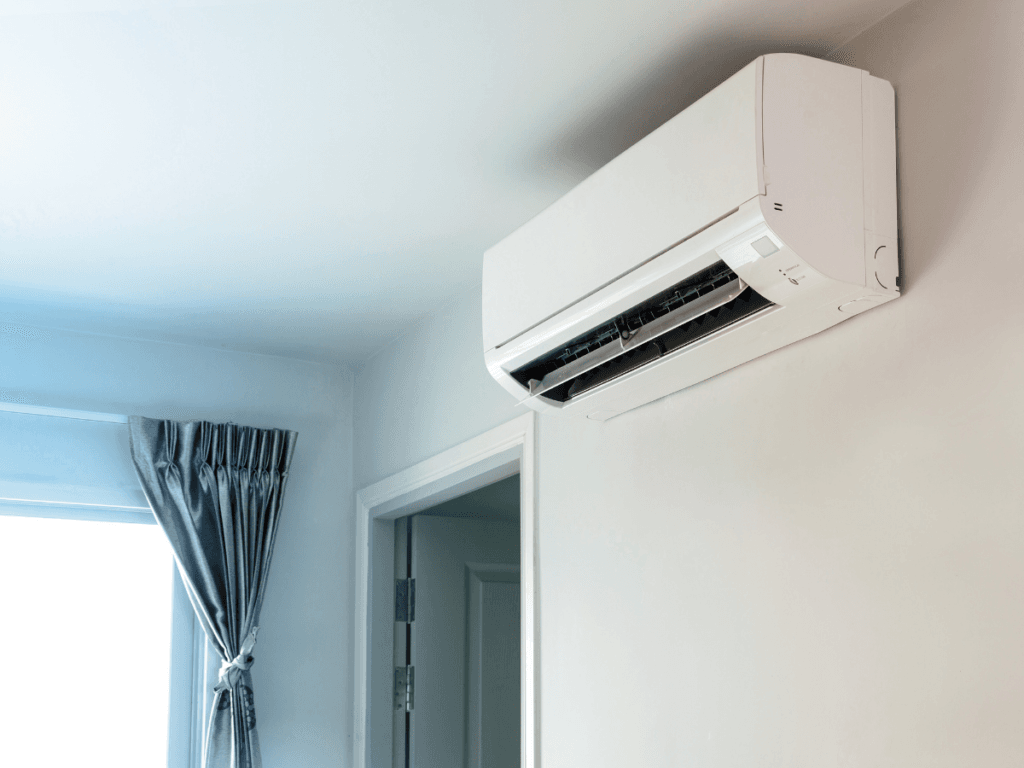
When discussing the history of modern air conditioning, one name stands out above the rest: Willis Carrier. Often recognized as the inventor of modern air conditioning, Carrier changed the way people live and work by developing systems that could reliably control indoor temperature and humidity.
His innovations had a lasting impact not only on personal comfort but also on manufacturing, healthcare, transportation, and commercial building design.
Before the development of modern air conditioning systems, indoor environments were difficult to regulate, especially in hot and humid climates.
Factories struggled with excess moisture that damaged products and disrupted machinery, while homes and businesses had limited ways to stay cool during warmer months. Carrier’s work addressed these challenges and laid the foundation for the climate control systems used today.
What Innovations Did Willis Carrier Introduce To Modern Air Conditioning?
Willis Carrier introduced several innovations that transformed air conditioning from a simple cooling concept into a practical and reliable system for everyday use.
In 1902, he designed what is widely considered the first modern air conditioning system while working for a printing company in Brooklyn, New York. The company needed a solution to control humidity levels because excess moisture was causing paper to expand and ink to misalign during the printing process.
Rather than focusing solely on cooling the air, Carrier developed a system capable of controlling both temperature and humidity at the same time.
This was a major breakthrough because humidity management proved just as important as temperature regulation for maintaining indoor comfort and protecting equipment and materials.
Carrier’s system used coils filled with chilled water to remove heat and moisture from the air. As warm air passed through the system, it cooled while excess humidity condensed and drained away.
This basic principle still forms the foundation of many modern air conditioning systems used in homes and commercial buildings today.
Another important innovation introduced by Carrier was the concept of controlled airflow. His systems distributed cooled air more evenly throughout indoor spaces, improving comfort and consistency.
Over time, these developments helped make air conditioning more efficient and practical for larger buildings, factories, and eventually residential homes. Carrier also contributed to the development of zoning systems, which allowed different areas within a building to be cooled independently.
This approach improved both comfort and energy efficiency by giving users greater control over indoor temperatures in separate spaces. Modern HVAC systems continue to use zoning concepts to reduce energy waste and improve performance.
How Did Air Conditioning Change Everyday Life?
The invention of modern air conditioning had a major influence on daily life and industrial growth. In manufacturing, climate-controlled environments allowed factories to maintain consistent production standards.
Industries such as printing, textiles, pharmaceuticals, and electronics benefited greatly from improved humidity control and stable indoor conditions.
Beyond industrial use, air conditioning transformed public spaces and residential living. Movie theaters, department stores, office buildings, and restaurants became more comfortable during hot weather, encouraging people to spend more time indoors year-round.
This shift gradually changed shopping habits, entertainment, and workplace productivity. Residential air conditioning became more common in the mid-20th century as systems became smaller, more affordable, and easier to install.
Today, air conditioning is considered an essential feature in many homes, especially in regions with high temperatures and humidity. The growth of air conditioning also influenced architecture and urban development.
Buildings no longer needed to rely entirely on natural ventilation or thick walls for cooling. This allowed for the construction of larger office towers, modern apartment buildings, and enclosed shopping centers designed around mechanical climate control.
Why Willis Carrier’s Legacy Still Matters Today
Willis Carrier’s contributions continue to shape the modern HVAC industry more than a century after his original invention. Nearly every modern air conditioning system relies on principles he helped establish, including humidity control, airflow management, and temperature regulation.
As technology advances, newer air conditioning systems focus increasingly on energy efficiency, smart controls, and environmentally friendly refrigerants. Even with these modern improvements, the core concepts introduced by Carrier remain central to indoor climate control.
His work not only improved comfort but also changed how people live, work, and interact with indoor environments. From homes and hospitals to offices and data centers, air conditioning continues to play a critical role in modern life thanks to the innovations pioneered by Willis Carrier.
How Did HVAC Technology Develop Over Time?
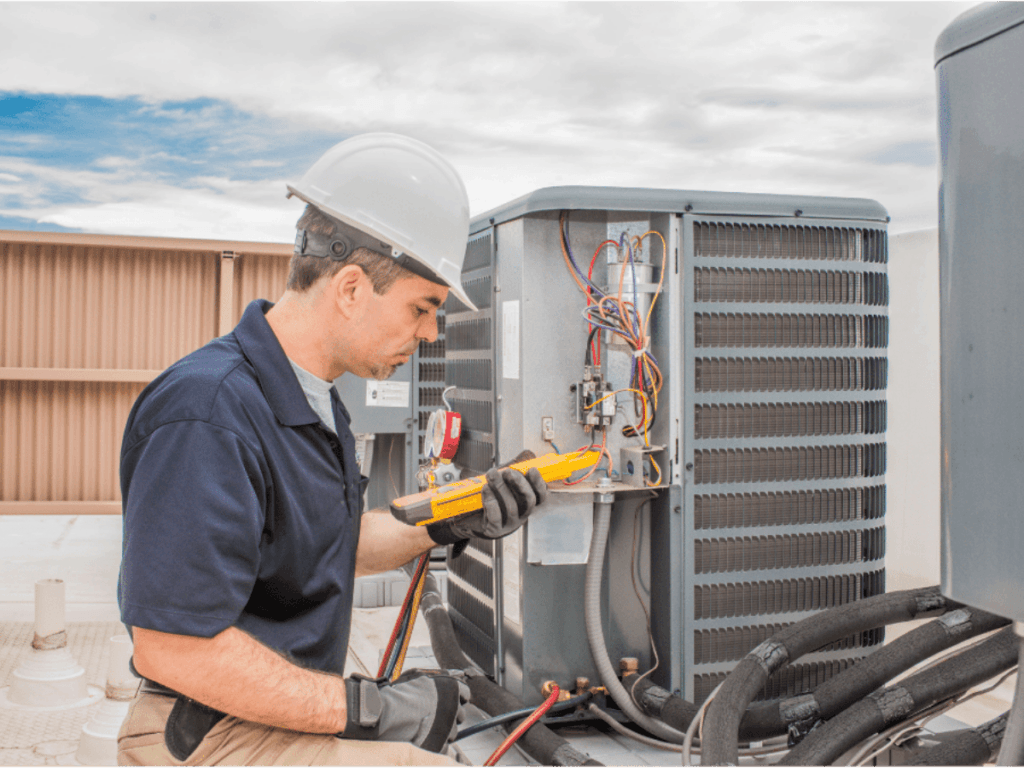
The development of HVAC technology reflects more than a century of innovation focused on improving indoor comfort, energy efficiency, and air quality.
What began as simple mechanical cooling systems has evolved into highly advanced climate control technology used in homes, offices, hospitals, factories, and commercial buildings around the world.
Modern air conditioning systems are now capable of much more than simply cooling a room. Today’s HVAC systems regulate temperature, humidity, ventilation, and indoor air quality while using smart controls to improve efficiency and reduce energy consumption.
Understanding how HVAC technology evolved over time provides valuable insight into how these systems became an essential part of everyday life.
What Were The Earliest HVAC Innovations?
The foundation of modern HVAC technology began in the early 20th century with the invention of the first modern air conditioning system. In 1902, Willis Carrier developed a system designed to control humidity levels inside a printing facility.
While the original goal was industrial rather than residential comfort, Carrier’s invention demonstrated that indoor climates could be mechanically controlled with precision. This early air conditioning system used cooling coils and airflow management to stabilize temperature and humidity.
The technology quickly attracted attention from other industries that required consistent environmental conditions for manufacturing and storage. As the demand for climate control grew, engineers began refining the technology to improve reliability and efficiency.
Early systems were large, expensive, and primarily used in factories, theaters, and commercial buildings. Over time, however, technological improvements made air conditioning more practical for broader use.
How Did Refrigerants Change Air Conditioning Systems?
One of the most important milestones in HVAC development came during the 1920s with the introduction of safer and more effective refrigerants. Early cooling systems often relied on hazardous chemicals such as ammonia or sulfur dioxide, which posed safety risks if leaks occurred.
The development of refrigerants like Freon helped make air conditioning systems safer, more stable, and easier to install in residential and commercial settings. This advancement significantly accelerated the adoption of air conditioning technology across the United States and other parts of the world.
Improved refrigerants also increased system efficiency, allowing air conditioning units to cool spaces more effectively while using less energy. These changes helped transform HVAC systems from industrial equipment into practical solutions for homes, offices, schools, and retail spaces.
Over the years, environmental concerns surrounding certain refrigerants led to additional innovations. Modern HVAC manufacturers now focus heavily on environmentally friendly refrigerants that reduce emissions and improve overall system sustainability.
When Did Central Air Conditioning Become Popular?
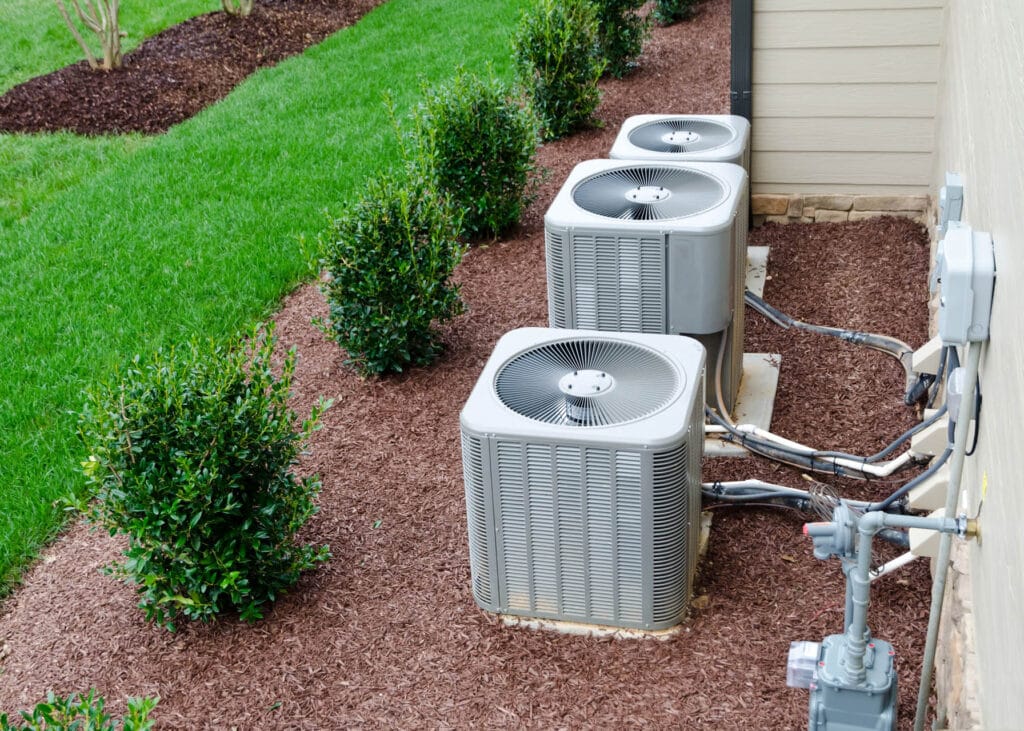
By the 1950s, central air conditioning systems became increasingly common in residential construction and large commercial buildings. Instead of relying on individual room units or localized cooling methods, central systems distribute conditioned air throughout entire structures using ductwork and ventilation systems.
This shift dramatically improved indoor comfort and convenience. Families could cool entire homes consistently, while businesses benefited from better temperature control for employees and customers.
The widespread availability of residential air conditioning also influenced home design, architecture, and urban growth in warmer regions.
During this period, HVAC manufacturers focused heavily on improving system performance and accessibility. Units became smaller, quieter, and more affordable, making air conditioning a standard feature in many new homes.
How Has Modern HVAC Technology Continued To Evolve?
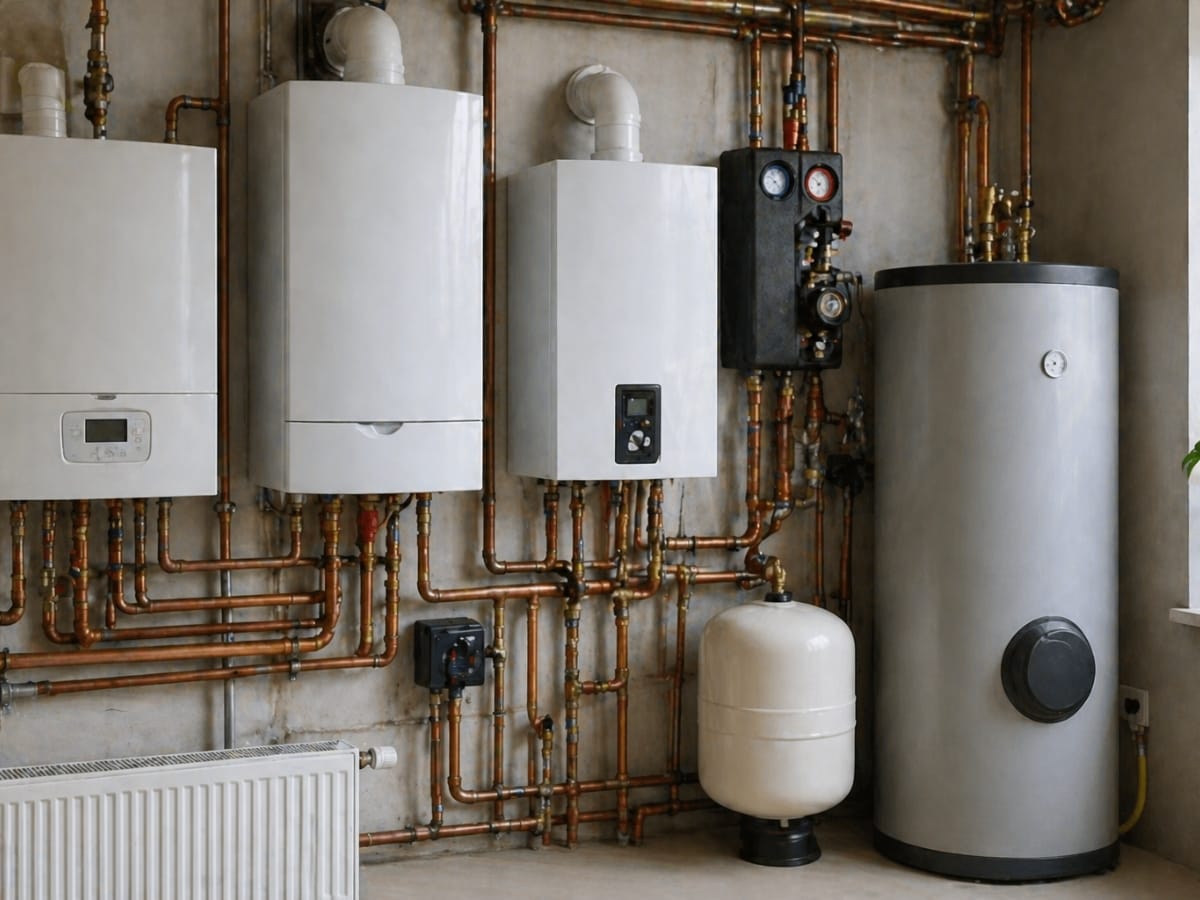
Modern HVAC systems are far more advanced than earlier generations. Today’s air conditioning technology often includes programmable thermostats, zoning systems, variable-speed compressors, and smart home integration.
These features allow homeowners to control indoor temperatures more efficiently while reducing energy costs. Energy efficiency has become one of the biggest priorities in HVAC development.
Manufacturers now design systems that consume less electricity while delivering more consistent performance. Improved insulation, advanced filtration systems, and energy-efficient heat pumps have all contributed to better indoor comfort and lower environmental impact.
Indoor air quality has also become a major focus. Many modern HVAC systems include enhanced filtration and humidity management designed to reduce allergens, dust, and airborne contaminants inside the home.
Why HVAC Innovation Still Matters Today
The evolution of HVAC technology continues as manufacturers look for smarter, cleaner, and more energy-efficient solutions. Advances in air conditioning systems now focus not only on comfort but also on sustainability, health, and long-term performance.
From Willis Carrier’s original invention to today’s intelligent climate control systems, HVAC technology has consistently adapted to meet changing demands. These innovations have reshaped how people live and work, making indoor environments more comfortable, healthier, and more efficient than ever before.
What Are the Features of Modern Air Conditioning Systems?

Modern air conditioning systems are designed to do much more than simply cool indoor spaces. Today’s systems focus on improving comfort, increasing energy efficiency, and giving homeowners greater control over their indoor environment.
As technology has advanced, air conditioning systems have become quieter, smarter, and more adaptable to different household needs.
Many of the newest HVAC systems are built with features that help reduce energy consumption while maintaining consistent indoor temperatures. These improvements not only enhance comfort but can also lower long-term utility costs and improve overall system performance.
How Have Energy-Efficient Features Improved Air Conditioning?
Energy efficiency has become one of the most important features in modern air conditioning technology. Older systems often operated at full power regardless of how much cooling was actually needed, which led to higher electricity usage and inconsistent temperature control.
Today’s air conditioning systems use advanced compressors and variable-speed fans that automatically adjust output based on indoor conditions. Instead of constantly turning on and off, these systems can run at lower speeds when demand is reduced, helping maintain steady temperatures while using less energy.
This approach improves comfort because it reduces sudden temperature swings and allows for more even airflow throughout the home. At the same time, homeowners benefit from lower monthly energy bills and reduced wear on the system itself.
High-efficiency air conditioning units are also designed to meet stricter environmental standards. Many newer models use updated refrigerants and improved heat transfer technology to reduce environmental impact while delivering better cooling performance.
What Role Do Smart Thermostats Play In Modern Air Conditioning?
Smart thermostats have changed the way homeowners interact with their air conditioning systems. Instead of manually adjusting temperatures throughout the day, users can now control their HVAC systems remotely using smartphone apps or voice assistants.
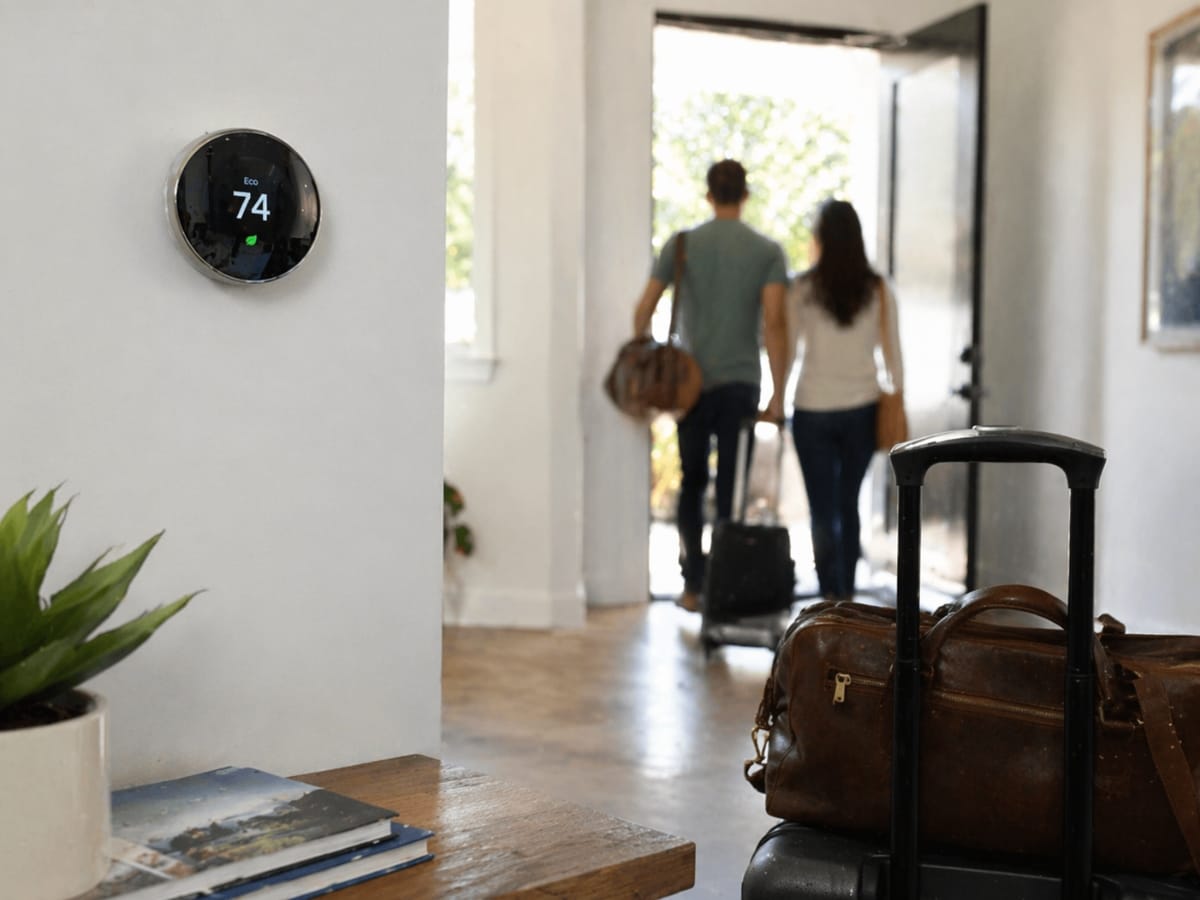
These thermostats allow homeowners to create customized schedules based on daily routines. For example, the system can automatically reduce cooling while the house is empty and return to a comfortable setting before occupants arrive home. This level of automation improves both convenience and energy efficiency.
Many smart thermostats also provide real-time energy usage reports and maintenance reminders. These features help homeowners better understand how their air conditioning system performs and identify opportunities to reduce energy consumption.
Some advanced systems even learn household habits over time and adjust settings automatically to optimize comfort and efficiency. This integration of technology has made modern air conditioning systems more responsive and user-friendly than ever before.
How Do Zoning Systems Improve Indoor Comfort?
Zoning systems are another major advancement in modern air conditioning design. Traditional HVAC systems typically cool an entire house using a single thermostat setting, which can create uneven temperatures in different rooms or levels of the home.
With zoning technology, homeowners can divide the house into separate cooling areas, each controlled independently. This allows different rooms or sections of the home to maintain different temperatures based on personal preference or usage patterns.
For example, bedrooms can remain cooler at night while less frequently used areas receive less cooling. This level of customization improves comfort while also reducing unnecessary energy use.
Zoning systems are especially useful in larger homes, multi-story buildings, or households where family members prefer different temperature settings. By directing cooled air only where it is needed, these systems help maximize efficiency and improve overall air conditioning performance.
What Other Features Are Common In Modern Air Conditioning Systems?
Beyond efficiency and smart controls, modern air conditioning systems often include improved air filtration and humidity management. Enhanced filtration systems help reduce dust, allergens, and airborne particles, contributing to healthier indoor air quality.
Humidity control is another important feature, particularly in warmer climates where excess moisture can make indoor spaces feel uncomfortable. Modern systems are designed to balance both temperature and humidity levels, helping homes feel cooler and more comfortable without overworking the equipment.
Noise reduction has also become a priority in newer air conditioning models. Improved fan designs, insulated compressor compartments, and variable-speed operation all contribute to quieter performance compared to older systems.
Why Modern Air Conditioning Continues To Evolve
The evolution of air conditioning technology reflects changing priorities around comfort, efficiency, and sustainability. Homeowners today expect systems that not only cool effectively but also reduce energy costs, improve air quality, and offer greater control through smart technology.
As HVAC innovation continues, modern air conditioning systems will likely become even more efficient and environmentally conscious.
Features such as smart automation, zoning, and advanced energy management are already shaping the future of indoor climate control while making homes more comfortable and cost-effective to maintain.
How Does Modern Air Conditioning Integrate With IT Solutions?
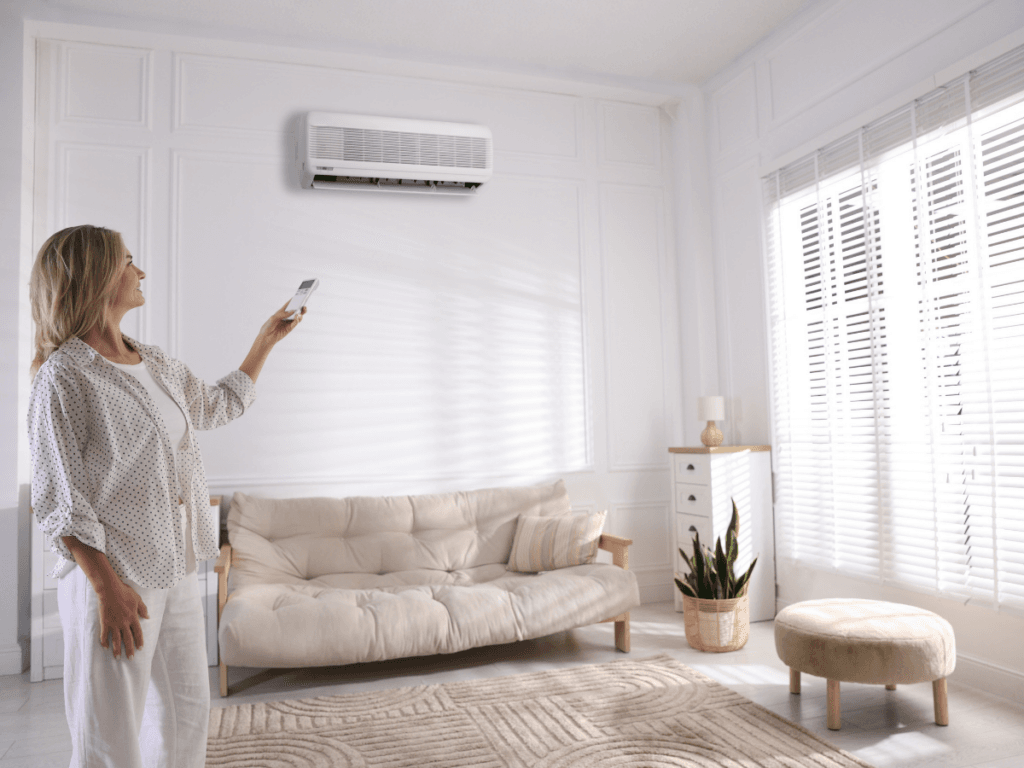
Modern air conditioning systems have evolved far beyond basic temperature control. Today’s HVAC technology often works hand in hand with advanced IT solutions to improve efficiency, simplify system management, and create a more personalized indoor experience.
The integration of smart technology has transformed how homeowners and businesses monitor and control indoor climates, making air conditioning systems more responsive and easier to manage.
This shift toward connected systems is largely driven by the rise of smart devices, cloud-based monitoring, and the Internet of Things (IoT).
Instead of operating as isolated equipment, modern air conditioning systems can now communicate with thermostats, mobile apps, sensors, and building management platforms in real time.
How Do Smart Technologies Improve Air Conditioning Performance?
One of the biggest changes in modern air conditioning is the use of smart thermostats and automated climate controls. Unlike traditional thermostats that require manual adjustments, smart systems can learn user habits and automatically optimize temperature settings throughout the day.
For example, a smart thermostat may recognize when homeowners leave for work and reduce cooling during those hours to save energy.
Before occupants return home, the system can automatically restore preferred temperature settings for comfort. This combination of automation and data analysis helps improve efficiency without sacrificing convenience.
Many air conditioning systems also allow remote access through smartphone apps or web-based dashboards. Homeowners can adjust settings, monitor energy use, or receive maintenance alerts even when they are away from the property. This level of control has become one of the most valued features in modern HVAC systems.
Sensors also play a growing role in air conditioning performance. Temperature and occupancy sensors help systems respond more accurately to indoor conditions. Instead of cooling every room equally, some systems can prioritize occupied areas and reduce unnecessary energy use in empty spaces.
What Role Does IoT Play In Modern Air Conditioning?
The Internet of Things has become a major part of modern air conditioning technology. IoT-enabled HVAC systems connect multiple devices through a shared network, allowing equipment to communicate and exchange data automatically.
This connectivity helps air conditioning systems operate more intelligently. Sensors can monitor airflow, humidity, temperature fluctuations, and system performance in real time.
If the system detects an issue, such as reduced airflow or an inefficient operating pattern, it can alert homeowners or maintenance teams before a major problem develops.
Predictive maintenance is one of the most valuable benefits of IoT integration. Instead of waiting for equipment to fail, modern systems can identify signs of wear early and recommend service before costly breakdowns occur. This helps extend equipment lifespan while reducing unexpected repair expenses.
For commercial buildings, IoT integration allows facility managers to monitor multiple air conditioning systems from a centralized platform. This improves operational efficiency and makes it easier to manage energy usage across large properties.
How Do Centralized Control Systems Benefit Businesses?
Businesses and large facilities often rely on centralized HVAC management systems to control multiple air conditioning units from a single interface. These systems allow building managers to adjust temperatures, monitor equipment performance, and track energy consumption across different zones or locations.
Centralized control is especially useful in office buildings, hotels, schools, and healthcare facilities where climate needs may vary throughout the property. Managers can create schedules, automate temperature settings, and quickly identify maintenance issues without manually inspecting every unit.
This approach not only improves convenience but also helps reduce operating costs. By optimizing system performance and minimizing unnecessary cooling, businesses can significantly lower energy expenses over time.
Centralized systems also provide valuable reporting tools. Detailed energy usage data allows organizations to identify inefficiencies and make informed decisions about upgrades or operational changes.
Why The Combination Of Air Conditioning And IT Continues To Grow
The connection between air conditioning and IT solutions continues to expand as technology becomes more advanced. Homeowners and businesses increasingly expect HVAC systems to offer smart controls, remote access, automated scheduling, and energy monitoring as standard features.
This integration has made modern air conditioning systems more efficient, customizable, and proactive than ever before. Instead of simply cooling indoor spaces, today’s systems actively analyze performance, adapt to user behavior, and help reduce long-term energy consumption.
As smart home technology and connected buildings continue to evolve, the relationship between air conditioning and IT solutions will likely become even more important. Future systems are expected to deliver greater automation, improved energy management, and even more personalized climate control experiences.
Conclusion
The evolution of air conditioning has transformed the way people live and work, turning cooling technology from simple ice-based methods into the advanced HVAC systems used in homes and businesses today.
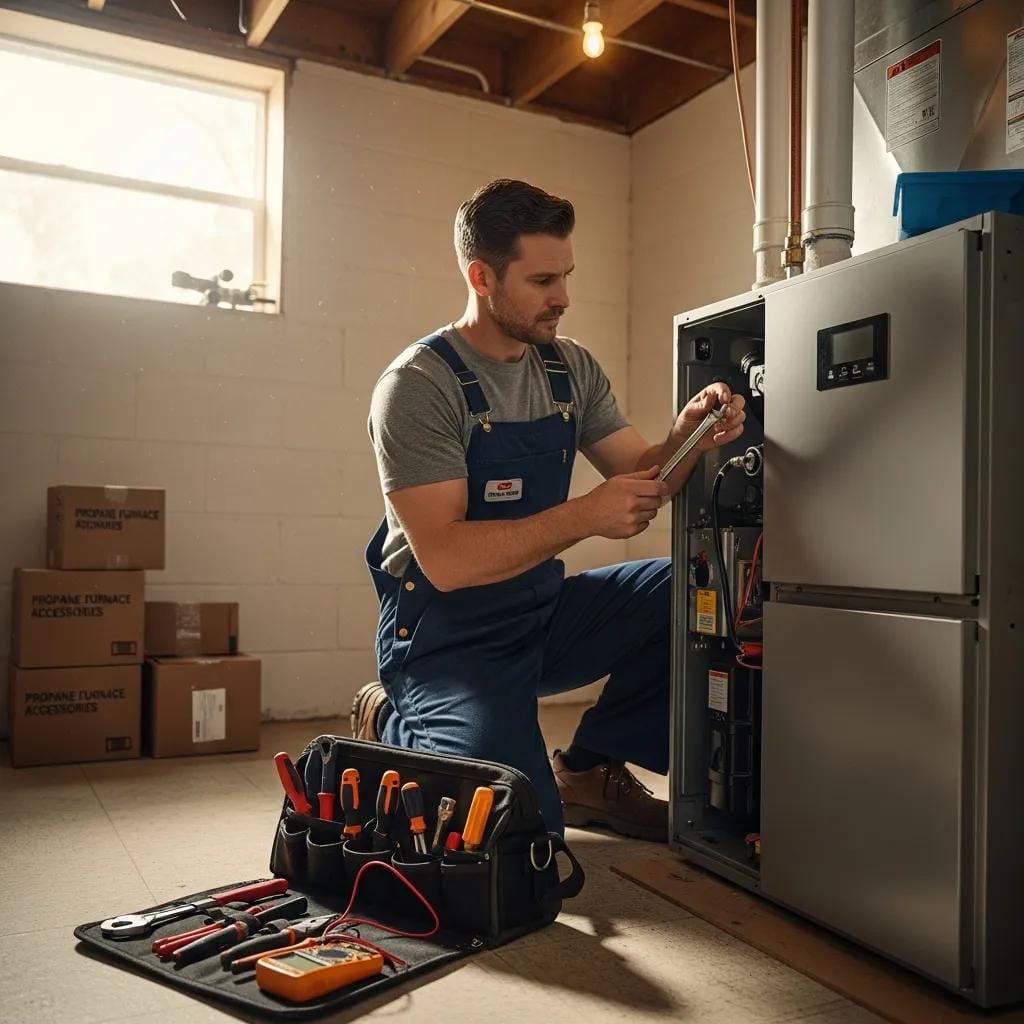
Modern air conditioning provides far more than comfort by helping improve indoor air quality, humidity control, and overall energy efficiency. Keeping these systems running properly requires experienced professionals who understand both the technology and the importance of reliable service.
Ace Tech Heating & Cooling provides trusted HVAC installation, repair, and maintenance services to help homeowners stay comfortable year-round.
Whether you need routine service, a system upgrade, or a new installation, their team is ready to help. Call (404) 369-9100 or request a free estimate through our site form today.