When temperatures climb, your air conditioner needs to keep up without struggling. Waiting until the first heatwave to check your system can lead to weak airflow, higher energy bills, or unexpected breakdowns when you need cooling the most. Getting ahead of the season makes a noticeable difference.
Summer AC prep starts with a simple maintenance checklist that helps your system run efficiently and consistently. Tasks like cleaning filters, checking airflow, and inspecting key components can improve performance and reduce strain on your unit.
With a few proactive steps, you can keep your air conditioner running smoothly, maintain comfortable indoor temperatures, and avoid mid-season issues that disrupt your cooling.
Summer AC Prep Steps That Can Improve Home Comfort
A Comprehensive Checklist for Essential Air Conditioner Maintenance

To ensure your air conditioning system operates efficiently throughout the summer, follow this essential maintenance checklist:
- Check and Replace Air Filters: Dirty air filters can restrict airflow and reduce efficiency. Replace them every 1-3 months.
- Clean and Inspect Vents and Ducts: Ensure that vents are unobstructed and ducts are clean to promote proper airflow.
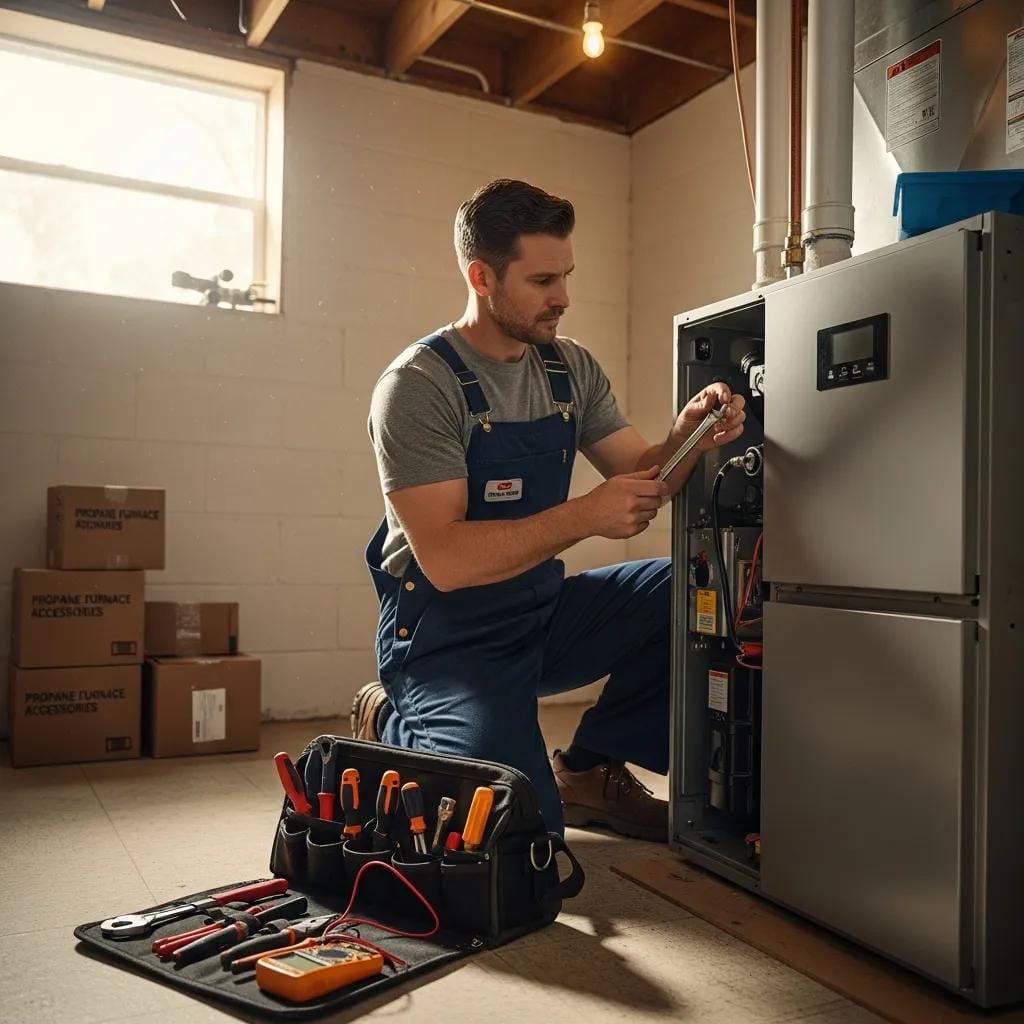
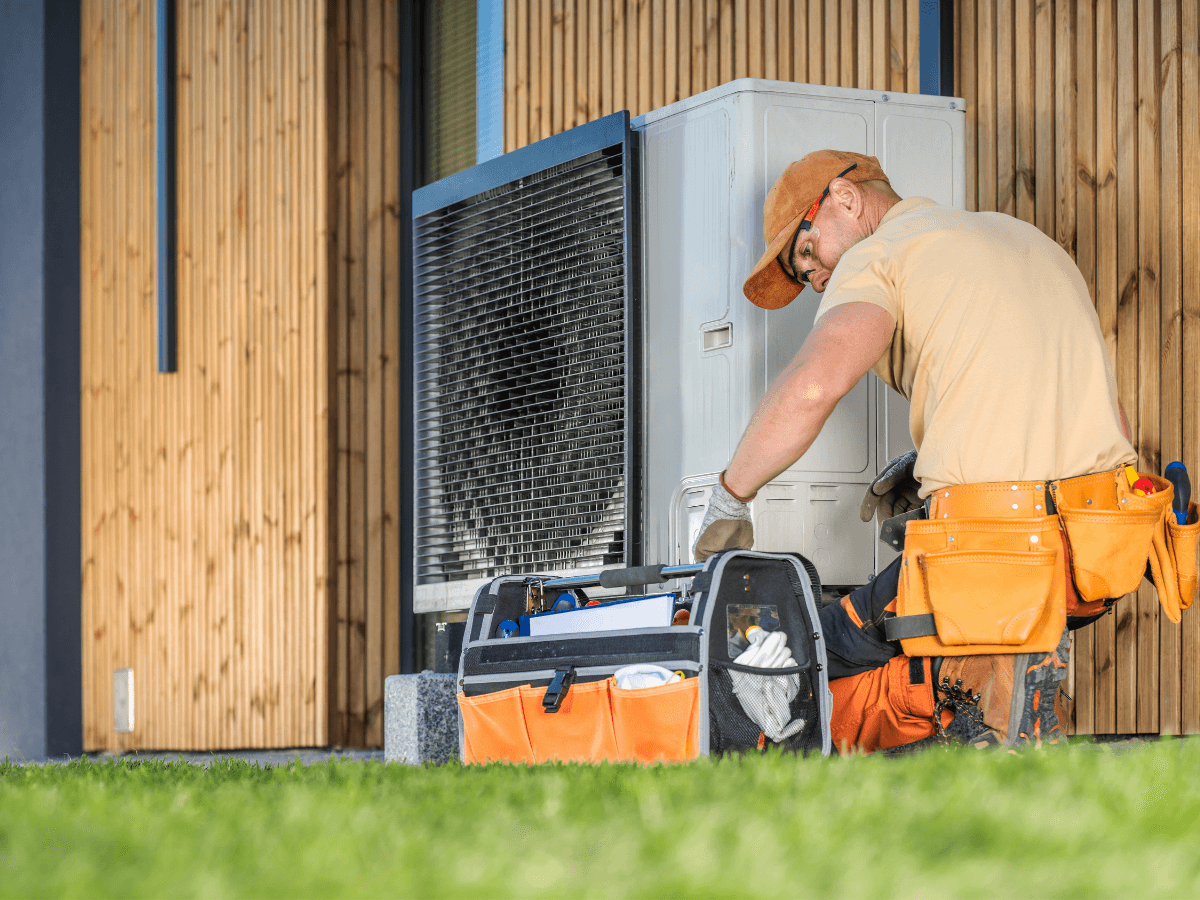
- Schedule Professional HVAC Maintenance: Regular professional check-ups can identify potential issues before they become major problems. Companies like Ace Tech GA specialize in HVAC services, ensuring your system is in top shape.
- Test Thermostat Functionality: Verify that your thermostat is working correctly to maintain the desired temperature.
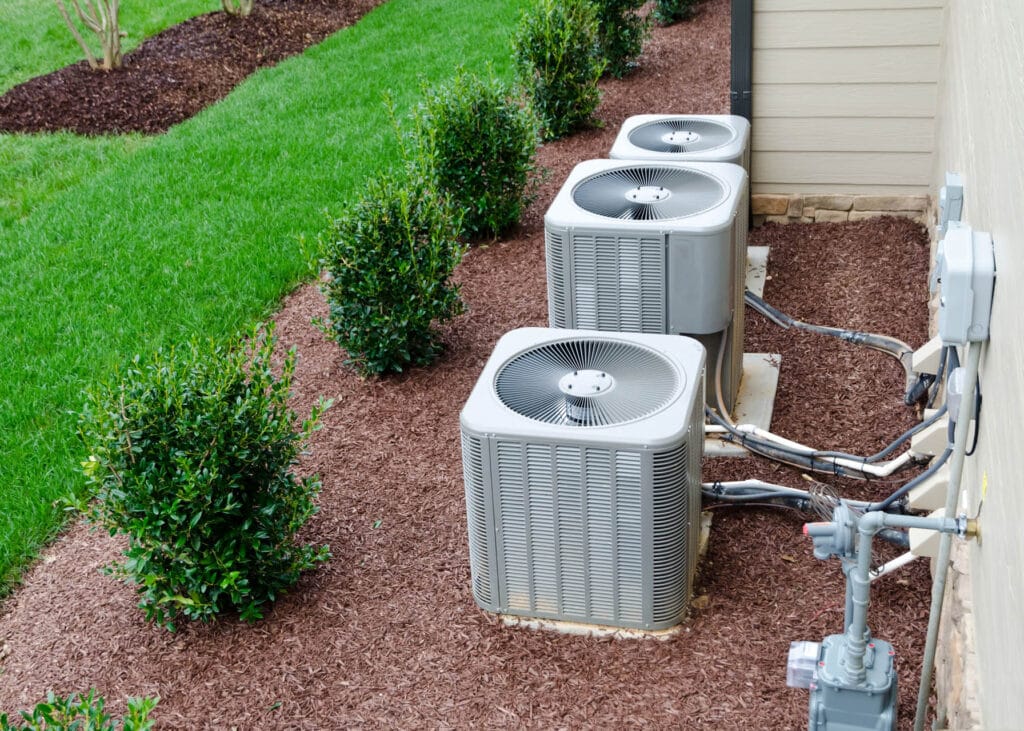
- Inspect Outdoor Unit for Debris and Damage: Clear any debris around the outdoor unit and check for signs of wear or damage.
- Enhance Energy Efficiency: Consider upgrading to a smart thermostat to optimize energy use and reduce costs.
- Check for Signs of Wear or Damage: Look for any visible signs of wear on components like belts and hoses.
- Ensure Proper Airflow: Make sure that nothing is blocking the airflow around your AC unit.
- Level the Outdoor Unit: Ensure that the outdoor unit is level to prevent operational issues.
- Monitor System Performance: Keep an eye on your system’s performance and be alert for any unusual noises or changes in efficiency.
This checklist provides a solid foundation for preparing your air conditioning system for summer. Regular maintenance not only improves performance but also extends the life of your unit.
What Are The Key Steps In An AC Maintenance Checklist For Summer?
Getting your system ready before temperatures rise can make a noticeable difference in both comfort and efficiency. Summer AC prep is not just about turning the unit on and hoping it works. It is about making sure each part of the system is ready to handle consistent use without strain.
One of the first areas to focus on is airflow. Your system relies on steady air movement to cool your home effectively, so anything that restricts that flow can reduce performance. Checking filters and making sure vents are not blocked helps create a solid starting point.
It is also worth taking a look at your ductwork. Over time, dust and debris can build up, or small issues can develop that limit how well air moves through the system. Addressing these early helps your air conditioning run more efficiently once summer is in full swing.
Finally, scheduling a professional maintenance visit can tie everything together. A trained technician can spot issues that are not always obvious and make adjustments that improve overall performance.
How To Perform A Thorough Air Conditioner Inspection Before Summer
A more detailed inspection goes beyond surface-level checks and focuses on how well your system is functioning as a whole. This step is especially useful as part of your summer AC prep because it helps identify potential problems before they turn into breakdowns during peak heat.
Start by looking at the condition of your air filter. If it appears clogged or discolored, it is likely restricting airflow. Replacing it early ensures your system does not have to work harder than necessary.
Next, consider the system’s cooling capacity. Refrigerant plays a key role in how effectively your unit cools the air. While this is not always something you can measure on your own, noticing signs like weak cooling or longer run times can indicate that levels need to be checked by a professional.
The outdoor unit also deserves attention. Condenser coils can collect dirt, leaves, and debris, which reduces their ability to release heat. Gently cleaning around the unit and keeping the area clear helps maintain proper heat exchange and supports better performance throughout the season.
When And How To Replace Your AC Filter
Filter replacement is one of the simplest but most important parts of summer AC prep. A clean filter allows air to move freely through the system, which improves both efficiency and indoor air quality.
During the warmer months, it is a good idea to check your filter regularly, especially if your system is running daily. In many cases, a monthly check is enough to determine whether it needs to be replaced. Homes with pets or higher dust levels may require more frequent changes.
Replacing the filter itself is straightforward. After turning off the system, remove the old filter and insert a new one that matches the correct size and type. Making sure it fits securely prevents air from bypassing the filter, which can reduce its effectiveness.
This small task has a larger impact than many people expect. A clean filter helps your air conditioning system run more smoothly, reduces energy use, and lowers the risk of unnecessary wear on key components.
Why Consistent Preparation Matters
Taking the time to prepare your system before summer is about more than avoiding discomfort. It helps extend the life of your equipment and keeps it running at a level that matches your expectations.
Summer AC prep creates a foundation for reliable performance, allowing your system to handle higher demand without added stress.
By combining simple checks with a more detailed inspection, you create a routine that supports both efficiency and long-term reliability. It is a practical way to make sure your home stays comfortable when you need it most.
How Does A Cooling System Tune-Up Improve AC Performance?
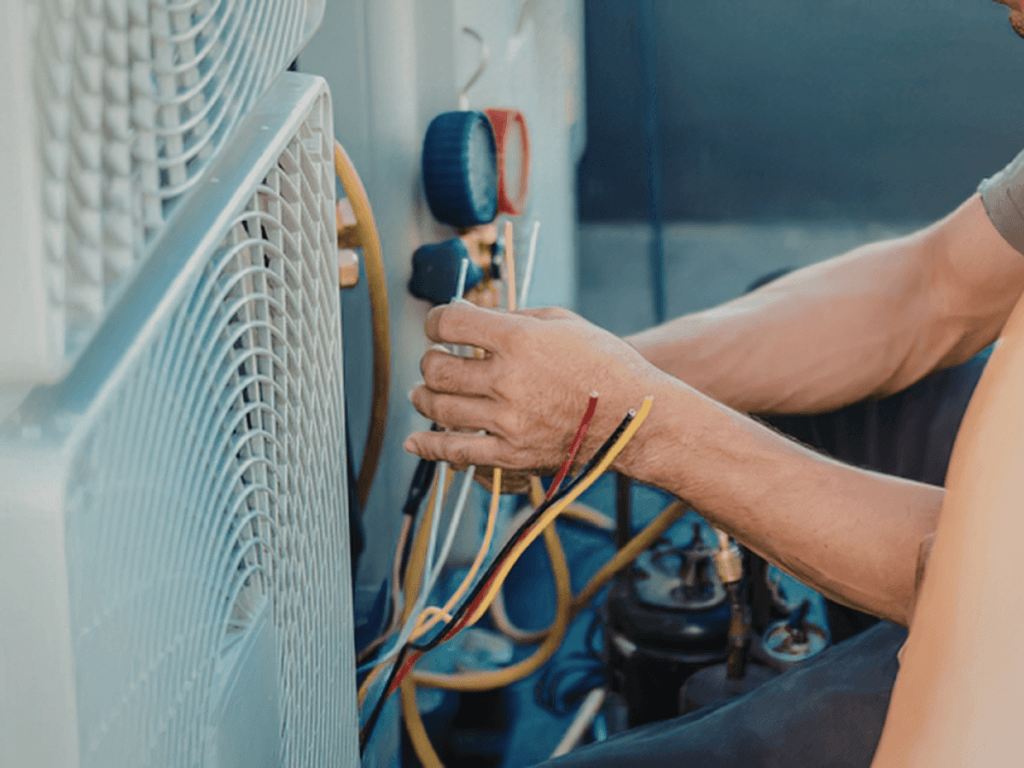
A cooling system tune-up is one of the most effective ways to keep your air conditioning running reliably when temperatures rise.
While it may seem like a routine step, it plays a much larger role in how your system performs throughout the season. As part of a solid summer ac prep plan, a tune-up helps ensure that your unit is ready to handle extended use without unnecessary strain.
Instead of waiting for problems to show up during peak heat, a tune-up focuses on identifying small issues early. This proactive approach allows your system to operate more smoothly and reduces the likelihood of unexpected interruptions when you need cooling the most.
How A Tune-Up Improves Day-To-Day Efficiency
One of the most immediate benefits of a tune-up is improved energy efficiency. Over time, even minor buildup or wear can cause your system to work harder than it should. Components like coils, filters, and internal parts can collect dust or lose their optimal alignment, which affects how efficiently the system runs.
During a tune-up, these areas are inspected and adjusted as needed. Cleaning coils, checking airflow, and ensuring all parts are functioning correctly help your air conditioning system maintain consistent performance without overcompensating. This means it can cool your home more effectively while using less energy.
When included in your summer AC prep routine, this level of efficiency becomes especially valuable. It allows your system to keep up with higher demand without driving up energy usage unnecessarily.
Why Regular Maintenance Extends System Lifespan
Air conditioning systems are built to last, but consistent use without maintenance can shorten their lifespan. Small issues, such as loose components or restricted airflow, can gradually lead to more significant wear if they are not addressed.
A tune-up helps reduce this type of stress by keeping each part of the system in better condition. When everything is running as it should, there is less strain on the unit as a whole. This not only improves performance but also helps extend the life of the system over time.
Thinking of a tune-up as part of your long-term investment can shift how you approach maintenance. Instead of reacting to problems, you are preserving the condition of your system so it continues to operate effectively for years.
Preventing Breakdowns Before They Happen
One of the more practical advantages of a tune-up is the ability to catch potential problems early. Issues like worn parts, low refrigerant levels, or electrical concerns may not be noticeable right away, but they can lead to system failure if left unresolved.
During a professional inspection, these areas are carefully evaluated. Addressing them early reduces the risk of sudden breakdowns, which are more likely to happen during periods of heavy use. This is especially important in the middle of summer, when a malfunction can quickly become a major inconvenience.
By including a tune-up in your summer AC prep, you are taking steps to avoid these disruptions and keep your system running consistently.
Making Tune-Ups Part Of A Reliable Routine
A cooling system tune-up works best when it is part of a regular maintenance routine rather than a one-time task. Scheduling it before the start of the season ensures that your system is ready for increased demand and helps you avoid last-minute issues.
Over time, this habit creates a more predictable and reliable cooling experience. Your air conditioning system performs more consistently, requires fewer repairs, and operates with greater efficiency.
By treating tune-ups as an essential part of summer AC prep, you create a practical approach to maintaining comfort while also protecting your system from unnecessary wear.
What Are the Benefits of Professional HVAC Summer Service?

Preparing your system for warmer weather often goes beyond basic maintenance. While simple checks can help, a professional service visit adds a level of detail and precision that is difficult to match on your own.
As part of a well-planned summer AC prep routine, professional HVAC service helps ensure your system is ready to perform consistently when demand is at its highest.
Instead of focusing only on visible components, trained technicians evaluate how the entire system is functioning. This broader perspective allows them to catch issues that may not be obvious but could affect performance over time.
How Professional Expertise Improves System Performance
One of the main advantages of hiring a professional is the depth of their knowledge. HVAC systems involve multiple interconnected parts, and even small imbalances can affect how well the system runs. A technician understands how these components work together and can make adjustments that improve overall efficiency.
During a service visit, they may check airflow, inspect electrical connections, and evaluate how well the system is cooling. These steps go beyond surface-level maintenance and help ensure that your air conditioning system is operating as it should.
Including this level of inspection in your summer AC prep can lead to more consistent cooling and fewer performance issues during peak usage.
Why Professional Maintenance Helps Reduce Long-Term Costs
At first glance, professional service may seem like an added expense, but it often leads to savings over time. Small issues that go unnoticed can gradually turn into more serious problems, which are typically more expensive to fix.
Regular maintenance helps prevent this by addressing wear and tear early. When parts are cleaned, adjusted, or replaced before they fail, the system experiences less strain. This reduces the likelihood of major repairs and helps avoid unexpected breakdowns.
In addition, a well-maintained system tends to run more efficiently, which can help lower energy usage. Over the course of a summer, these improvements can add up and offset the cost of the service itself.
How Professional Service Supports Better Indoor Air Quality
Another benefit that is often overlooked is the impact on indoor air quality. Over time, dust, debris, and other particles can build up within your system. When the air conditioning runs, these particles can circulate throughout your home.
Professional maintenance includes cleaning components that affect air quality, such as coils and internal surfaces. This helps reduce the amount of dust and allergens moving through your system. The result is cleaner air and a more comfortable indoor environment.
As part of summer AC prep, this step ensures that your system is not only cooling effectively but also contributing to a healthier living space.
Making Professional Service Part Of Your Routine
The value of professional HVAC service increases when it becomes a regular part of your maintenance routine. Scheduling a visit before the start of summer allows you to address potential issues early and prepare your system for increased use.
Over time, this consistent approach helps your air conditioning system perform more reliably. It reduces the chances of unexpected problems and keeps your home comfortable throughout the season.
By combining professional expertise with routine care, you create a more complete summer AC prep strategy. It is a practical way to protect your system, manage costs, and maintain a comfortable indoor environment when it matters most.
Which Preventive Maintenance Actions Enhance Energy Efficiency?
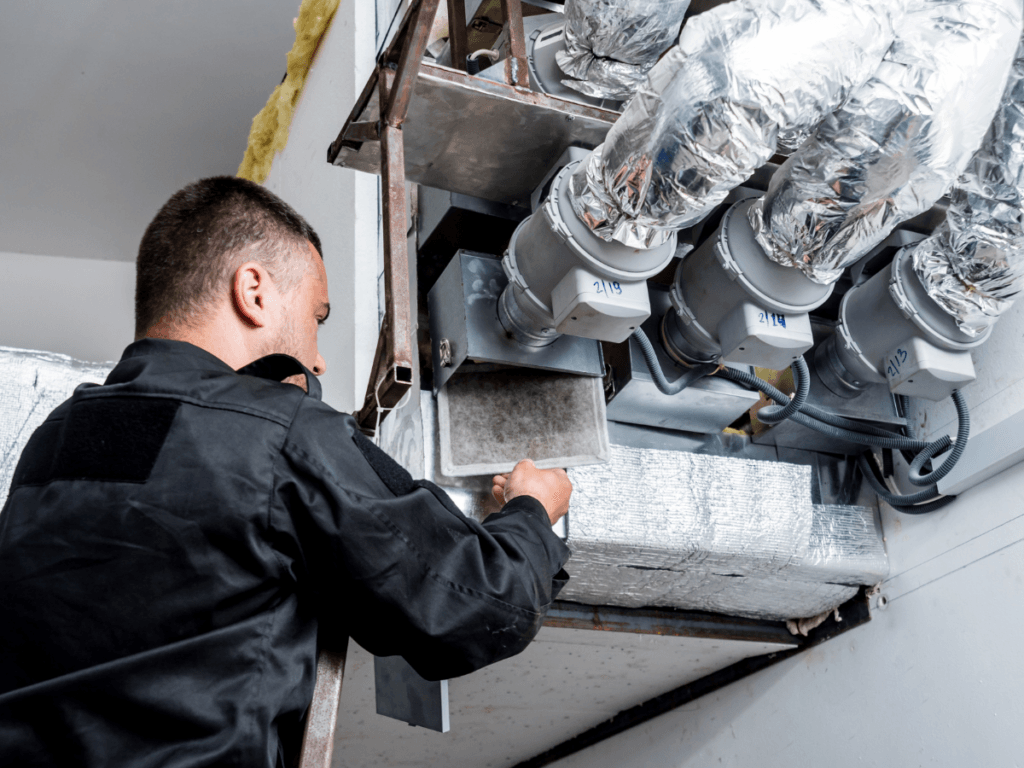
Improving the efficiency of your cooling system often comes down to how well it is maintained. Small issues like restricted airflow or dirty components can quietly reduce performance over time.
As part of a thoughtful summer AC prep routine, preventive maintenance helps your system run more smoothly while using less energy.
Instead of focusing only on major repairs, these actions target the everyday factors that influence how hard your system has to work. When each component is functioning properly, your air conditioning unit can cool your home more effectively without unnecessary strain.
Why Clean Filters Make A Noticeable Difference
Air filters are one of the simplest parts of your system, but they have a direct impact on efficiency. When a filter becomes clogged with dust and debris, it limits the amount of air that can pass through. This forces the system to work harder to maintain the desired temperature.
Replacing filters regularly helps restore proper airflow. With fewer obstructions, air moves more freely through the system, which improves cooling performance and reduces energy use. This is one of the easiest ways to support summer AC prep without requiring specialized tools or knowledge.
Over time, consistent filter maintenance also helps protect other components. When airflow is balanced, there is less pressure on the system as a whole, which can reduce wear and improve long-term reliability.
How Coil Cleaning Supports Better Cooling
Coils play a key role in how your air conditioning system transfers heat. The evaporator coil absorbs heat from inside your home, while the condenser coil releases it outdoors. When these coils are clean, heat exchange happens more efficiently.
However, dirt and debris can build up on coil surfaces, especially in outdoor units. This buildup acts as a barrier, making it harder for the system to move heat effectively. As a result, the unit may run longer cycles to achieve the same level of cooling.
Cleaning the coils helps restore their ability to transfer heat. This allows the system to operate more efficiently and maintain a consistent indoor temperature. Including coil maintenance in your summer AC prep routine helps ensure that your system is not working harder than necessary.
The Importance Of Balanced Refrigerant Levels
Refrigerant is essential for the cooling process, and maintaining the correct level is critical for efficiency. If the level is too low, the system may struggle to cool your home properly. If it is too high, it can create pressure issues that affect performance.
Checking refrigerant levels is typically handled by a professional, as it requires specialized tools and knowledge. However, it is an important part of preventive maintenance because it ensures that the system is operating within its intended range.
When refrigerant levels are balanced, the system can absorb and release heat more effectively. This improves overall efficiency and helps prevent unnecessary strain on key components.
Bringing Maintenance Steps Together For Better Results
Each of these maintenance actions contributes to a larger goal of improving efficiency. Clean filters support airflow, well-maintained coils improve heat exchange, and proper refrigerant levels ensure the system operates as designed. When combined, these steps create a more balanced and effective cooling system.
Including these checks as part of your summer AC prep helps your system handle increased demand without wasting energy. It also reduces the likelihood of performance issues that can lead to higher costs or unexpected repairs.
By focusing on these core maintenance areas, you create a practical approach to keeping your air conditioning system efficient and reliable throughout the season.
How Can Smart Thermostats and IT Solutions Support Summer AC Preparation?
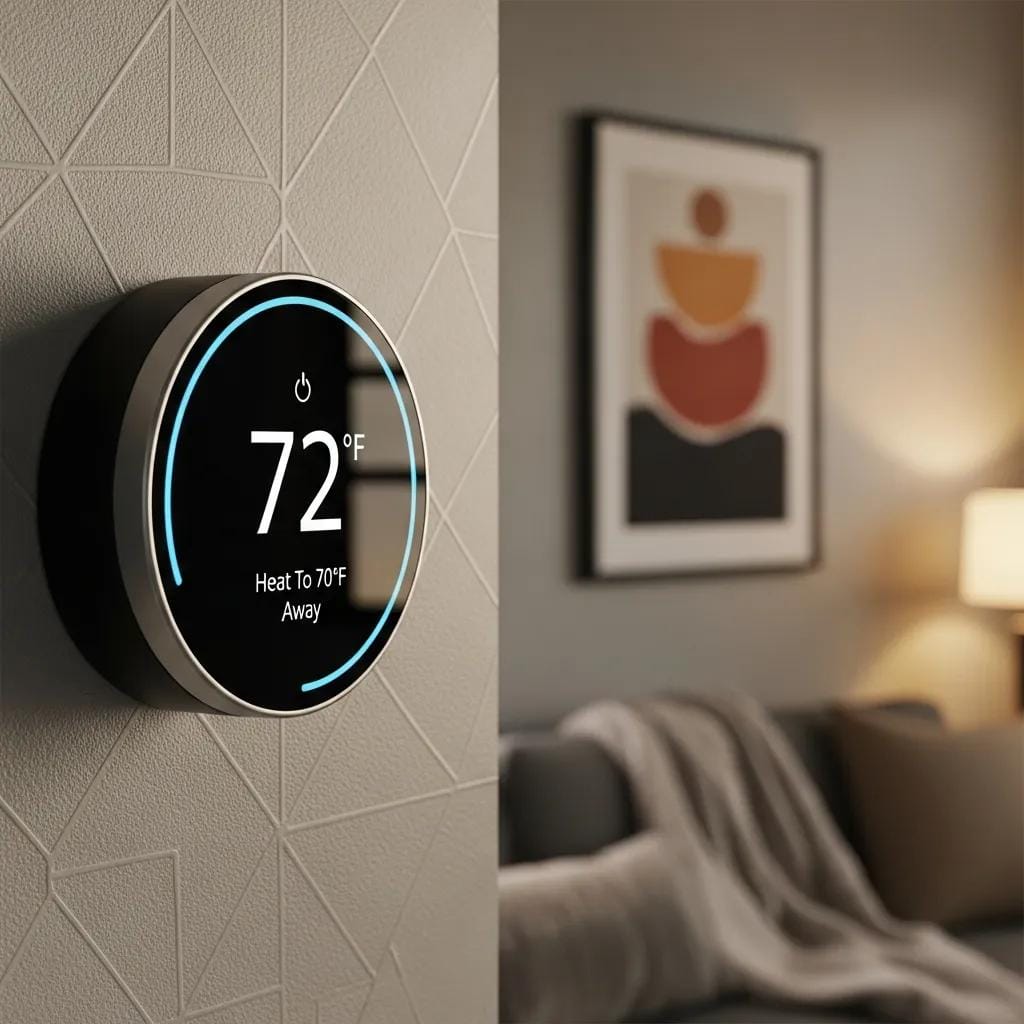
Technology has changed how homeowners manage indoor comfort, especially during the warmer months. Instead of relying on manual adjustments, smart tools now allow your system to respond automatically to your habits and environment.
When included as part of a thoughtful summer AC prep strategy, these tools can improve both efficiency and convenience without adding extra effort to your routine.
Smart thermostats and connected systems are designed to make cooling more responsive. Rather than running your air conditioning at a constant level, they help adjust output based on actual need. This not only improves comfort but also reduces unnecessary energy use.
How Smart Thermostats Improve Daily Cooling Efficiency
Smart thermostats play a central role in modern summer AC prep because they manage how and when your system runs. One of their most useful features is the ability to learn your daily schedule.
Over time, the thermostat begins to recognize patterns, such as when you are home or away, and adjusts temperatures accordingly.
This means your air conditioning system does not have to run at full capacity all day. Instead, it cools your home when needed and reduces output when spaces are unoccupied. This approach creates a balance between comfort and efficiency that is difficult to achieve with manual settings.
Another benefit is remote access. With a connected thermostat, you can adjust your system from your phone or other devices. If plans change or you are returning home earlier than expected, you can make adjustments instantly. This level of control makes it easier to keep your home comfortable without wasting energy.
Using Data And Insights To Guide Better Cooling Decisions
Beyond simple control, many smart thermostats provide feedback on how your system is performing. Energy reports, for example, show how much your air conditioning is running and where adjustments might improve efficiency. These insights can help you fine-tune your settings over time.
Instead of guessing what works best, you can make informed decisions based on actual usage patterns. This adds a more strategic layer to summer AC prep, where small changes in settings can lead to noticeable improvements in performance and cost.
These tools also help highlight habits that may be affecting efficiency. For example, running the system at lower temperatures than necessary or leaving it on while away can be identified and adjusted with ease.
How IT Integration Enhances System Monitoring
Smart thermostats are just one part of a broader shift toward connected HVAC systems. With IT integration, your air conditioning system can provide real-time information about its performance. This allows for a more proactive approach to maintenance and monitoring.
Instead of waiting for something to go wrong, connected systems can alert you to potential issues. Changes in performance, unusual patterns, or maintenance needs can be identified early, giving you time to address them before they become larger problems.
Some systems also use predictive capabilities to estimate when parts may need attention. This reduces the risk of unexpected breakdowns, especially during periods of heavy use.
Creating A Smarter Approach To Summer AC Prep
Bringing these technologies together creates a more complete approach to preparing your system for summer. Smart thermostats handle day-to-day efficiency, while IT integration supports long-term reliability through monitoring and early detection.
This combination shifts summer AC prep from a one-time task into an ongoing process that adapts to your needs. Instead of constantly adjusting your system, you are setting up tools that manage it for you in a more efficient way.
By incorporating these solutions, your air conditioning system becomes easier to control, more responsive to your habits, and better equipped to handle the demands of the season.
When Should You Troubleshoot AC Issues And Contact Professionals?
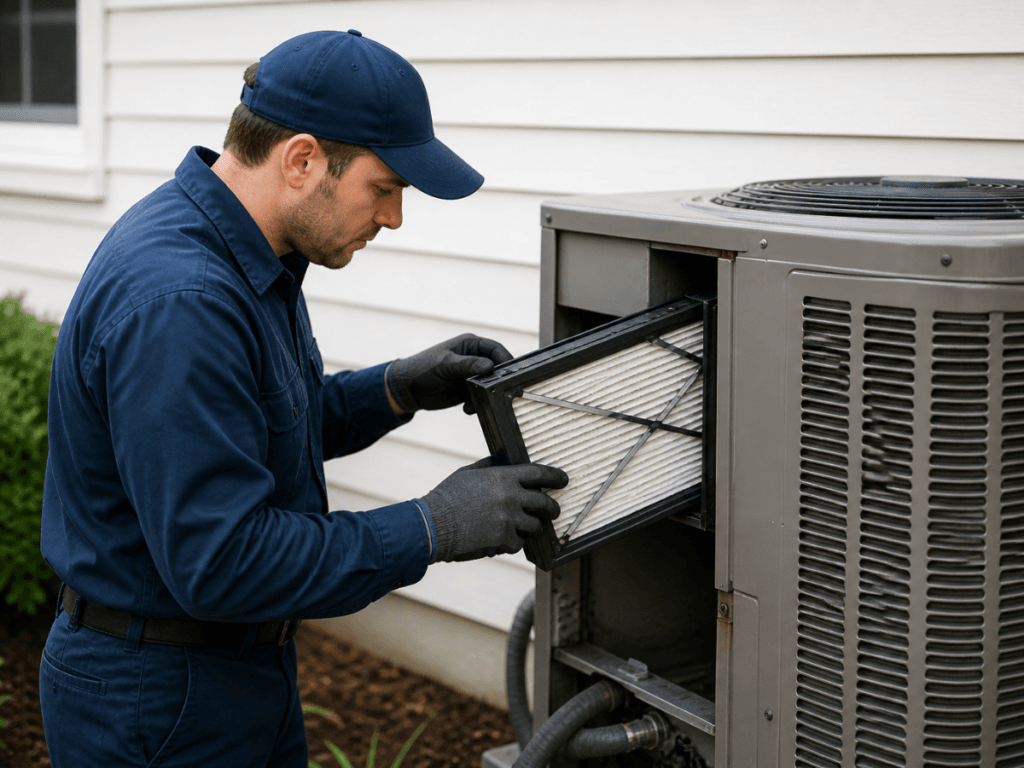
Knowing when to step in and when to call for help can make a big difference in how your system performs during the warmer months.
As part of a complete summer AC prep plan, it helps to understand which issues are minor and which ones signal something more serious. Taking the right approach early can prevent small concerns from turning into larger repairs.
Most air conditioning systems will show subtle signs when something is off. Paying attention to these changes allows you to act before performance drops significantly. At the same time, recognizing your limits ensures that more complex issues are handled safely and correctly.
Recognizing Early Warning Signs Before Problems Escalate
Air conditioners rarely fail without warning. In many cases, there are small changes in performance that appear first. Weak airflow, for example, may indicate a clogged filter or an issue within the duct system. While it may seem minor at first, reduced airflow can place additional strain on the unit over time.
Unusual noises are another sign worth noting. Sounds such as rattling, buzzing, or grinding can point to loose parts or mechanical wear. These issues may not stop the system immediately, but they often worsen if left unaddressed.
Temperature inconsistency is also a common signal. If some rooms feel cooler than others or the system struggles to maintain a set temperature, it may be working harder than it should. Including these checks in your summer AC prep routine helps you catch potential problems before they affect overall comfort.
What You Can Safely Handle On Your Own
Some maintenance tasks are simple enough to manage without professional help. Replacing a dirty filter is one of the most common examples. A clean filter improves airflow and allows your system to run more efficiently with minimal effort.
You can also check around the outdoor unit to make sure it is free from debris. Leaves, dirt, and other obstructions can affect how well the system releases heat.
Keeping this area clear supports better performance and is an easy addition to your summer AC prep process. These basic steps help maintain efficiency and reduce the chances of avoidable issues. However, they are only part of the overall picture.
When It Is Best To Call A Professional
There are situations where professional support is the better option. If your system is making persistent, unusual noises, failing to cool effectively, or causing a noticeable increase in energy usage, it is likely time for a more detailed inspection.
Issues related to refrigerant levels, electrical components, or internal mechanical parts require specialized tools and expertise. Attempting to address these on your own can lead to further damage or safety concerns.
Calling a professional at the right time helps ensure that the problem is diagnosed accurately and resolved properly. This not only restores performance but also helps prevent recurring issues.
How Regular Maintenance Reduces The Need For Repairs
Consistent maintenance plays a key role in minimizing the need for troubleshooting in the first place. When your system is inspected and serviced regularly, many potential problems are addressed before they have a chance to develop.
Including professional maintenance in your summer AC prep routine helps keep your system in better condition overall. It allows technicians to spot early signs of wear, make necessary adjustments, and ensure that everything is operating as intended.
Over time, this approach leads to fewer unexpected issues and more reliable performance throughout the season.
Finding The Right Balance Between DIY And Professional Care
The most effective strategy combines simple at-home care with timely professional support. Handling basic tasks on your own keeps your system running efficiently day to day, while professional service ensures that more complex components are properly maintained.
By understanding the difference between minor issues and more serious concerns, you can respond with confidence. This balanced approach to summer AC prep helps protect your system, improve performance, and maintain a comfortable indoor environment when temperatures rise.
Conclusion
Preparing your air conditioner for summer with a thorough maintenance checklist is the key to reliable, efficient cooling when temperatures soar.
Simple steps like cleaning or replacing filters, clearing debris from the outdoor unit, and checking thermostat settings can make a noticeable difference in performance and energy bills.
For a complete professional tune-up that catches small issues before they become expensive breakdowns, trust the certified technicians at Ace Tech Heating & Cooling. Ready to beat the heat with confidence this summer?
Call (404) 369-9100 or get a free quote through our site form today to schedule your AC maintenance. Let our team ensure your home stays cool, comfortable, and worry-free all season long.