Pet hair and dander can build up faster than many homeowners realize, especially in homes with multiple animals or limited airflow.
Over time, these particles circulate through the HVAC system, affecting indoor air quality and potentially triggering allergies or respiratory irritation. Managing them effectively starts with the system that moves air throughout your home.
HVAC tips that support pet dander and allergen management focus on improving filtration, airflow, and overall system cleanliness. The right air filters, routine maintenance, and proper humidity control can help reduce airborne particles and create a healthier indoor environment for both people and pets.
With a few targeted adjustments, your HVAC system can play a major role in keeping indoor air cleaner, fresher, and more comfortable year-round.
Health Pet Dander and HVAC Filters: What to Know
What Types of HVAC Filters Are Best for Pet Allergen Removal?
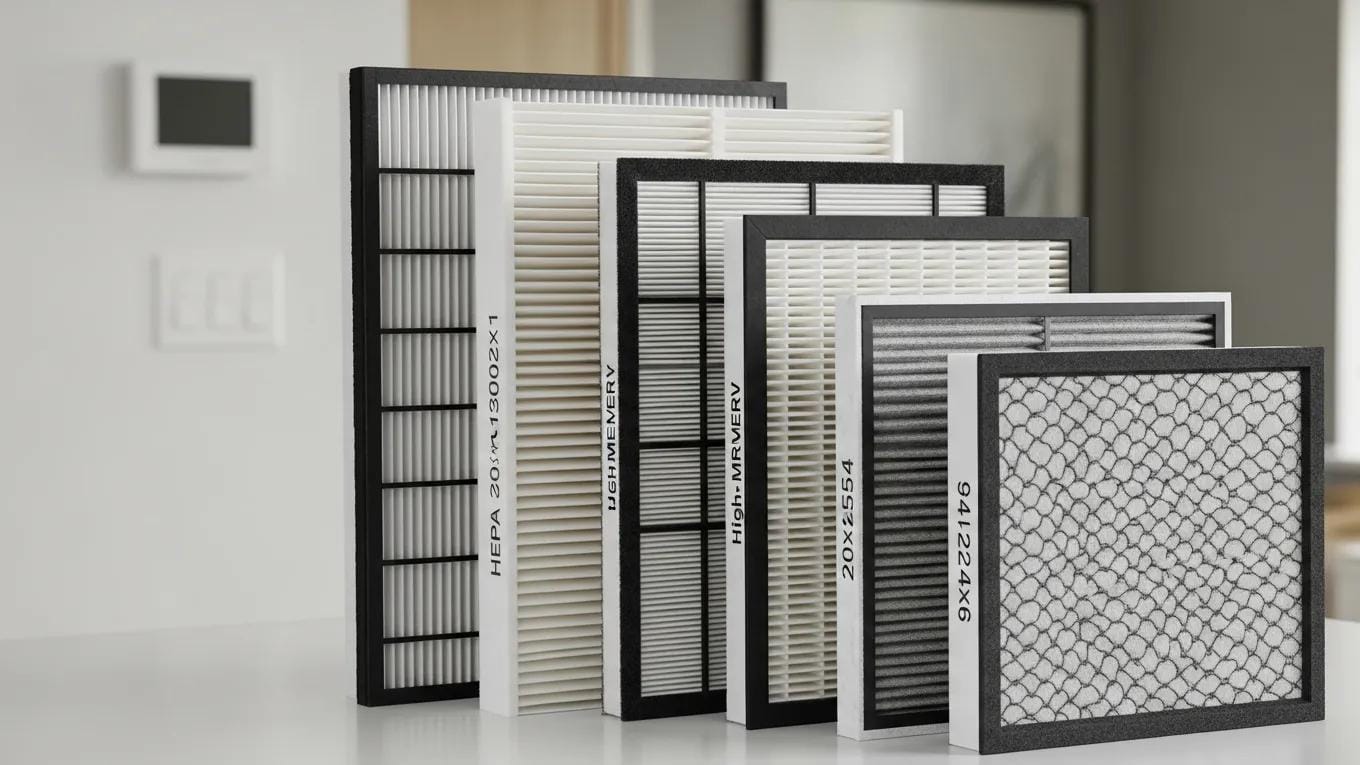
Managing indoor air quality becomes especially important in homes with pets. Pet hair, dander, and other airborne particles can quickly circulate through an HVAC system, affecting both comfort and respiratory health.
For households dealing with allergies or sensitivities, choosing the right air filter can make a noticeable difference.
When it comes to health pet dander concerns, HVAC filters are one of the first lines of defense. A quality filter helps capture microscopic particles before they spread through vents and settle on furniture, flooring, and bedding.
Understanding how different filter types work can help homeowners choose an option that fits both their air quality goals and HVAC system requirements.
Why HVAC Filters Matter For Pet Dander Control
Pet dander consists of tiny skin particles that animals naturally shed. Because these particles are lightweight, they can remain suspended in the air for long periods and travel easily through a home’s ventilation system.
Without proper filtration, pet allergens continue circulating throughout the house, which may worsen allergy symptoms such as sneezing, congestion, itchy eyes, or coughing. This is why health pet dander management often starts with improving indoor air filtration.
A well-maintained HVAC filter helps trap these airborne particles before they spread further. It also reduces the amount of dust and debris that collects inside the HVAC system itself, helping maintain airflow and system efficiency over time.
HEPA Filters And Their Benefits
HEPA filters are widely recognized for their ability to capture extremely small airborne particles. These filters can trap up to 99.97 percent of particles measuring 0.3 microns, including many forms of pet dander, dust, and pollen.
For households with severe allergies or asthma concerns, HEPA filtration is often considered one of the most effective solutions available. These filters are especially useful in homes with multiple pets or breeds that shed heavily.
However, not every HVAC system is designed to handle true HEPA filters because they can restrict airflow if the system is not compatible. In some cases, homeowners may choose standalone HEPA air purifiers alongside standard HVAC filtration for additional support.
Understanding High-MERV Filters
Another popular option for health pet dander control is a high-MERV filter. MERV stands for Minimum Efficiency Reporting Value, which measures how effectively a filter captures airborne particles.
Filters with a MERV rating between 11 and 13 are commonly recommended for homes with pets because they can trap smaller particles without placing excessive strain on most residential HVAC systems.
Higher-rated filters typically capture more allergens, but airflow compatibility should still be considered. A filter that is too restrictive for the system may reduce efficiency or increase wear on HVAC components.
For many homeowners, high-MERV filters offer a practical balance between filtration performance and system compatibility.
How Electrostatic Filters Work
Electrostatic filters use static electricity to attract and capture airborne particles as air passes through the filter material. These filters are available in disposable and washable versions, making them appealing for homeowners looking for reusable options.
Because pet dander particles are so lightweight, electrostatic filtration can help improve indoor air quality by pulling allergens out of circulation before they settle throughout the home.
Washable electrostatic filters may save money over time, but they require regular cleaning to maintain effectiveness. If maintenance is neglected, filtration performance can drop significantly.
The Importance Of Filter Maintenance
Even the best HVAC filter becomes less effective if it is not replaced or cleaned regularly. Homes with pets typically require more frequent filter changes because dander and fur build up faster than in pet-free environments.
A clogged filter restricts airflow, forcing the HVAC system to work harder while reducing its ability to remove allergens effectively. In many homes with pets, filters may need replacement every one to three months, depending on the number of animals and shedding levels.
Regular maintenance is an essential part of any health pet dander strategy. Along with proper grooming, vacuuming, and routine HVAC care, quality air filtration can help create a cleaner and more comfortable indoor environment for both pets and people.
How Do HVAC Air Filters Reduce Pet Dander And Improve Air Quality?
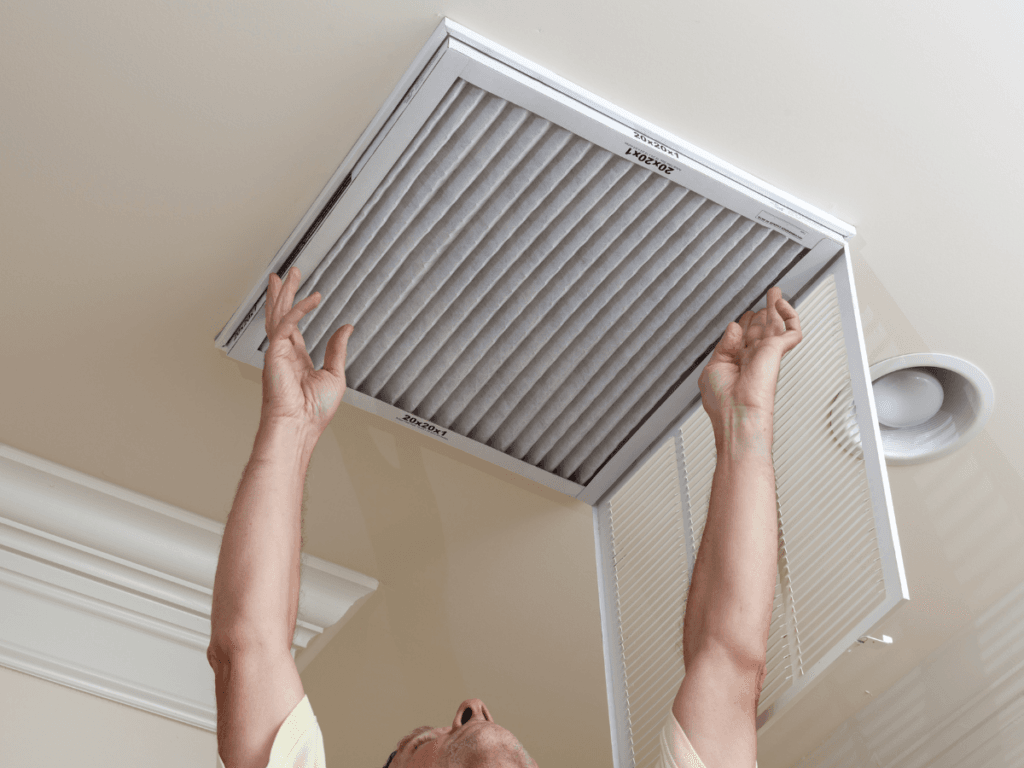
For households with pets, maintaining clean indoor air can be an ongoing challenge. Pet dander, fur, dust, and other allergens easily circulate through a home’s ventilation system, especially in spaces where pets spend most of their time.
One of the most effective ways to improve indoor air quality is by using the right HVAC air filters and keeping them properly maintained.
When addressing health pet dander concerns, air filtration plays a major role in reducing airborne particles before they spread throughout the home. A quality HVAC filter helps create a cleaner environment, supports respiratory comfort, and reduces the buildup of allergens on surfaces and furniture.
How HVAC Filters Capture Pet Dander
As air moves through an HVAC system, it passes through an air filter designed to trap airborne particles. This includes dust, pollen, pet hair, and microscopic dander that would otherwise continue circulating through vents and living areas.
Pet dander is especially difficult to manage because the particles are extremely small and lightweight. Unlike visible pet hair, dander can remain suspended in the air for long periods and settle into carpets, upholstery, and bedding.
HVAC air filters work by capturing these particles within layers of filtration material. As the system continues cycling air throughout the home, fewer allergens are recirculated back into indoor spaces. This continuous filtering process can noticeably improve air quality over time.
Why Indoor Air Quality Matters In Pet-Friendly Homes
Even households without allergy concerns can benefit from improved air filtration. Excess pet dander often contributes to stale indoor air, increased dust buildup, and lingering odors throughout the home.
For individuals with asthma, allergies, or respiratory sensitivities, airborne pet allergens may trigger symptoms such as sneezing, coughing, congestion, itchy eyes, or difficulty breathing. This is why health pet dander management is important not only for comfort but also for overall indoor wellness.
Cleaner air can also make shared living spaces more comfortable for guests or family members who may be sensitive to pet-related allergens.
The Role Of Filter Efficiency
Not all HVAC filters perform at the same level. Basic filters primarily protect the HVAC equipment itself by trapping larger debris, while higher-efficiency filters capture smaller airborne particles like pet dander.
Filters with higher MERV ratings are generally more effective at improving indoor air quality because they trap finer particles before they recirculate through the system. HEPA filtration systems provide even more advanced filtration for homes dealing with significant allergy concerns.
However, choosing the highest-rated filter is not always the best solution for every HVAC system. Some systems are not designed for extremely dense filters, which can restrict airflow and reduce efficiency.
Selecting a filter compatible with the system while still addressing health pet dander concerns is important for maintaining balanced performance.
Why Regular Filter Maintenance Is Essential
Even the most effective air filter loses efficiency once it becomes clogged with debris. In homes with pets, filters typically collect particles much faster than in pet-free environments.
A dirty filter reduces airflow and limits the system’s ability to remove allergens from the air. Over time, this can also place additional strain on HVAC equipment, potentially increasing energy use and wear on the system.
For most homes with pets, checking filters monthly is a good habit. Depending on shedding levels, the number of pets, and overall indoor air quality needs, filters may need replacement every one to three months.
Regular maintenance helps ensure the HVAC system continues operating efficiently while supporting healthier indoor air.
Additional Ways To Reduce Pet Allergens
While HVAC filters are highly effective, they work best when combined with other cleaning and maintenance habits. Regular vacuuming, grooming pets, washing bedding, and cleaning vents can all help reduce allergen buildup throughout the home.
Some homeowners also use standalone air purifiers in high-traffic pet areas for added filtration support. Together, these efforts create a more complete approach to managing health pet dander and maintaining a cleaner indoor environment.
By understanding how HVAC air filters function and staying consistent with maintenance, homeowners can significantly improve indoor air quality while continuing to enjoy life with their pets.
How Can IT-Enabled Solutions Enhance HVAC Allergen Monitoring?
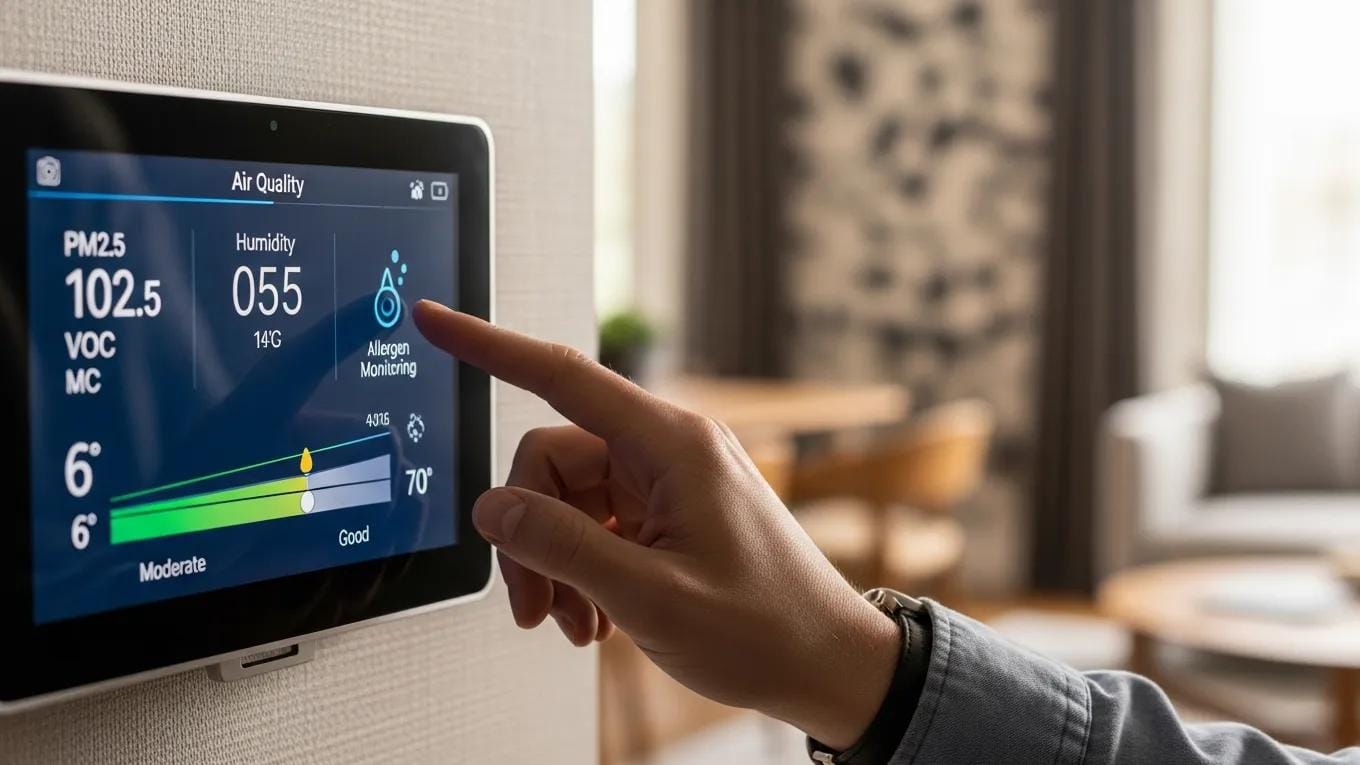
Technology has changed the way homeowners manage indoor air quality, especially in homes where allergies and pet-related sensitivities are a concern.
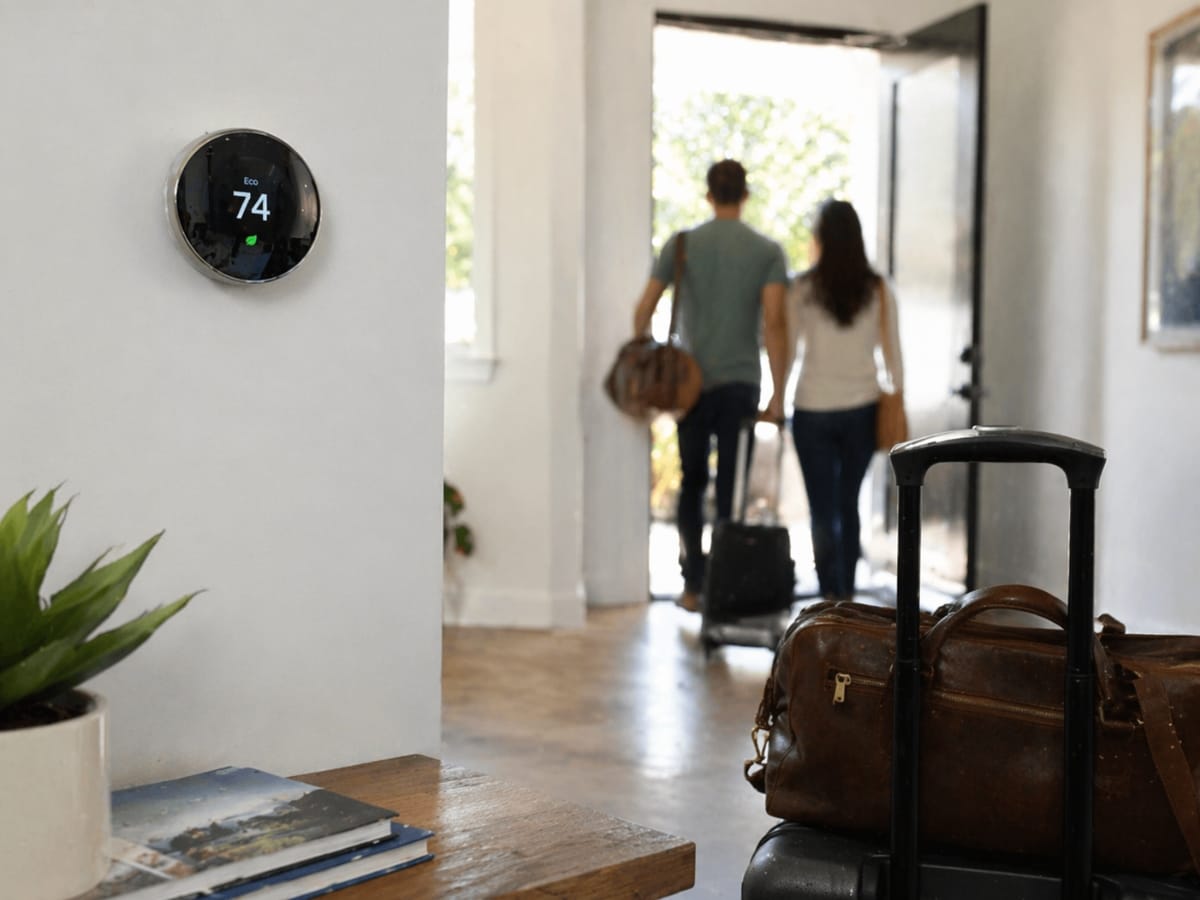
Modern HVAC systems now offer smart monitoring tools that provide real-time information about air conditions inside the home. For households dealing with health pet dander concerns, these systems can make allergen management more proactive and efficient.
Traditional HVAC systems rely heavily on manual maintenance and fixed settings, but IT-enabled solutions introduce automation, monitoring, and smarter adjustments based on changing air quality conditions. This added visibility helps homeowners respond more quickly when allergen levels begin to rise.
How Smart HVAC Monitoring Works
Smart HVAC systems use sensors and connected technology to monitor indoor air conditions continuously. These systems can measure factors such as airborne particles, humidity levels, airflow performance, and temperature changes throughout the home.
For homes with pets, this information becomes especially valuable because pet dander can spread quickly through ventilation systems. Instead of waiting for allergy symptoms or visible dust buildup, homeowners can identify changes in air quality before they become more noticeable.
Many smart systems connect to mobile apps or home automation platforms, allowing users to monitor indoor conditions remotely. Some systems even send notifications when air filters need replacement or when allergen levels increase beyond recommended ranges.
Why Real-Time Air Quality Data Matters
One of the biggest advantages of IT-enabled HVAC monitoring is immediate access to real-time data. Indoor air quality can fluctuate throughout the day depending on factors like pet activity, humidity, outdoor pollen levels, and ventilation patterns.
For households managing health pet dander issues, this information helps identify trends that may otherwise go unnoticed. For example, homeowners may discover that allergen levels increase during certain seasons, after pets spend time indoors, or when filters become clogged.
This type of monitoring allows homeowners to make informed adjustments instead of relying on guesswork. Whether that means increasing filtration, improving airflow, or running air purification systems more frequently, real-time feedback creates a more responsive approach to indoor air quality management.
Automatic HVAC Adjustments For Better Air Quality
Some advanced HVAC systems can automatically respond to changing indoor conditions without requiring manual input. When sensors detect increased airborne particles or humidity, the system may adjust fan speeds, activate air purifiers, or increase ventilation to improve overall air quality.
Humidity control is particularly important when discussing health pet dander because excessive moisture can contribute to additional indoor allergens such as mold and dust mites. Smart systems can help maintain balanced humidity levels that support both comfort and cleaner indoor air.
Automated filtration adjustments also help ensure the HVAC system operates efficiently while continuing to capture airborne pet dander and other pollutants.
Improving Filter Maintenance Through Smart Alerts
Filter maintenance is one of the most overlooked aspects of indoor allergen management. In homes with pets, filters often become clogged faster due to increased hair, dust, and dander accumulation.
Smart HVAC systems can track airflow resistance and notify homeowners when filters need cleaning or replacement. This removes much of the guesswork involved in maintenance schedules and helps prevent filters from becoming ineffective.
Regular filter changes are essential for reducing health pet dander circulation because dirty filters can no longer trap allergens efficiently. Timely alerts help homeowners stay consistent with maintenance before indoor air quality begins to decline.
Long-Term Benefits Of IT-Enabled HVAC Systems
Beyond convenience, smart HVAC monitoring supports long-term indoor comfort and system performance. Cleaner air can help reduce allergy symptoms, minimize airborne irritants, and create a healthier living environment for both people and pets.
These systems may also improve HVAC efficiency by ensuring equipment runs under optimal conditions. When airflow, humidity, and filtration are properly managed, heating and cooling systems often experience less strain over time.
As more homeowners prioritize indoor wellness, IT-enabled HVAC technology offers a practical way to manage health pet dander concerns while maintaining greater control over the overall indoor environment.
What Are The Best Practices For HVAC Maintenance To Control Allergens?
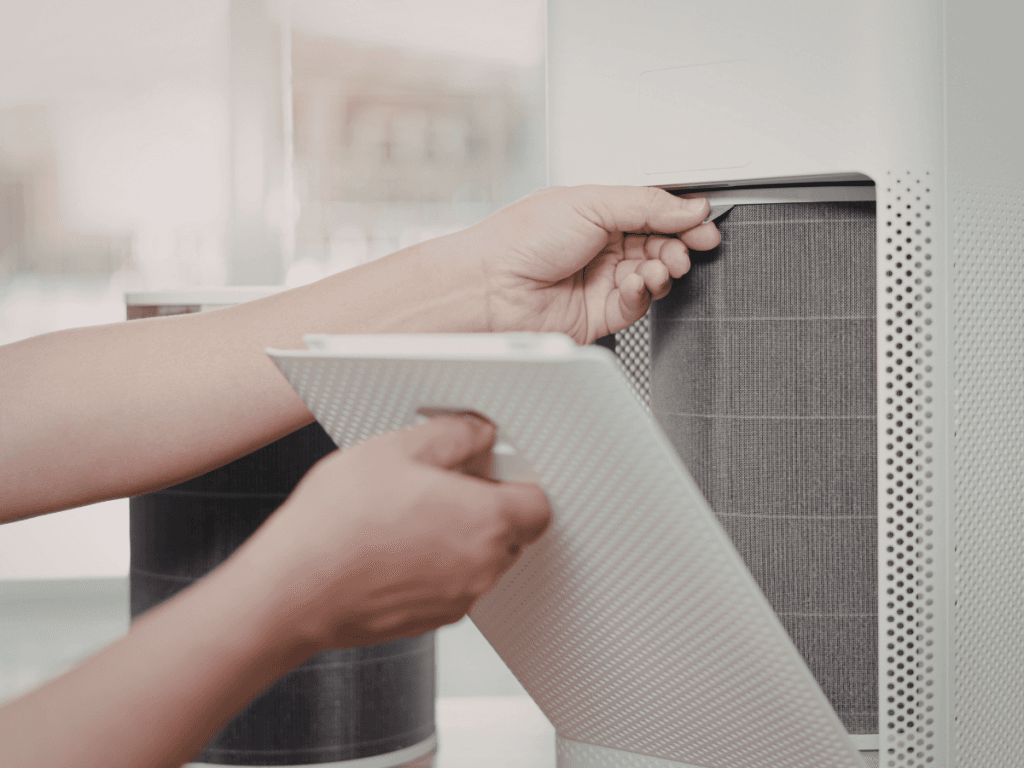
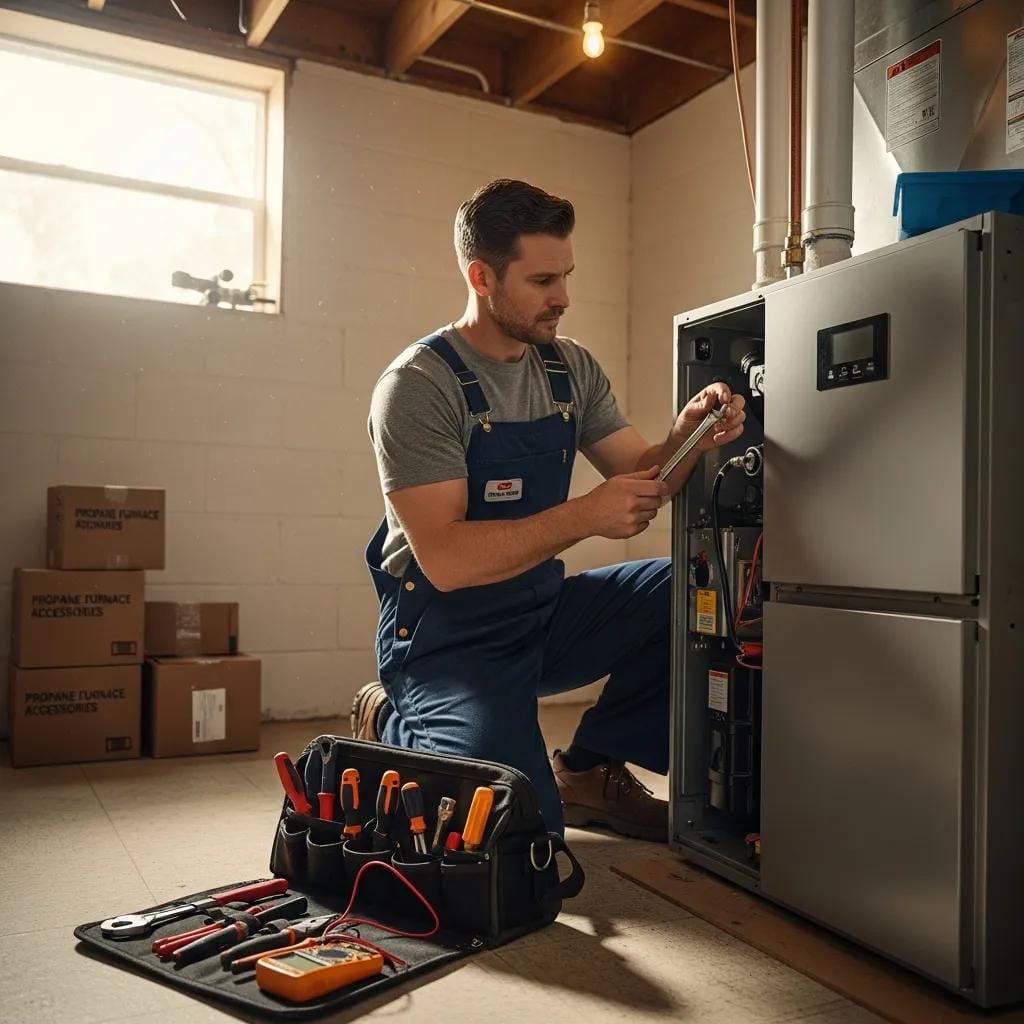
Keeping an HVAC system clean and properly maintained is one of the most effective ways to improve indoor air quality, especially in homes with pets. Dust, pollen, pet hair, and other airborne particles naturally collect inside ventilation systems over time.
Without regular maintenance, these allergens continue circulating throughout the home and may contribute to respiratory irritation or allergy symptoms.
For households managing health pet dander concerns, HVAC maintenance should be viewed as part of a long-term indoor air quality strategy rather than an occasional task. Consistent upkeep helps the system operate more efficiently while reducing the amount of allergens moving through the air.
Why HVAC Maintenance Matters For Indoor Air Quality
An HVAC system constantly pulls air through filters, ducts, and vents before redistributing it throughout the home. If these components are dirty or clogged, allergens can accumulate and recirculate instead of being properly filtered out.
Pet dander is especially persistent because the particles are extremely small and lightweight. They settle into vents, attach to dust particles, and spread easily through airflow. Over time, neglected systems can contribute to stale indoor air and increased allergen exposure.
Regular HVAC maintenance helps reduce this buildup while supporting healthier airflow and cleaner living conditions. It also helps protect the HVAC system itself from unnecessary wear caused by blocked airflow and debris accumulation.
The Importance Of Regular Filter Replacement
One of the simplest but most important maintenance tasks is replacing or cleaning HVAC filters consistently. Filters trap airborne particles before they move through the system, but once they become overloaded, their effectiveness drops significantly.
For homes with pets, filter replacement schedules are often shorter because dander and fur build up more quickly. In many cases, filters should be checked monthly and replaced every one to three months depending on shedding levels, indoor air quality concerns, and the type of filter being used.
Higher-efficiency filters may capture more allergens, but they still require regular replacement to function properly. Ignoring dirty filters can restrict airflow, reduce system efficiency, and allow more allergens to circulate throughout the home.
Maintaining clean filters is one of the most effective ways to address health pet dander issues without making major changes to the HVAC system.
Why Duct Cleaning Can Improve Airflow
Air ducts gradually collect dust, debris, and pet-related allergens over time. While filters capture many airborne particles, some contaminants still settle inside the ductwork and continue circulating whenever the HVAC system runs.
Professional duct cleaning every few years can help remove accumulated debris and improve overall airflow. Homes with multiple pets, heavy shedding, or residents with allergies may benefit from more frequent inspections.
Clean ducts also help reduce odors and improve the efficiency of heating and cooling systems. While duct cleaning alone will not eliminate allergens completely, it can support broader indoor air quality improvements when combined with proper filtration and routine cleaning.
Keeping Vents And Outdoor Units Clear
Indoor vents and outdoor HVAC units also require regular attention. Blocked vents can restrict airflow and reduce the system’s ability to circulate clean air efficiently.
Dust buildup around indoor vents should be cleaned regularly, especially in pet-friendly households where fur and dander collect quickly. Furniture, rugs, and other household items should not block airflow from supply or return vents.
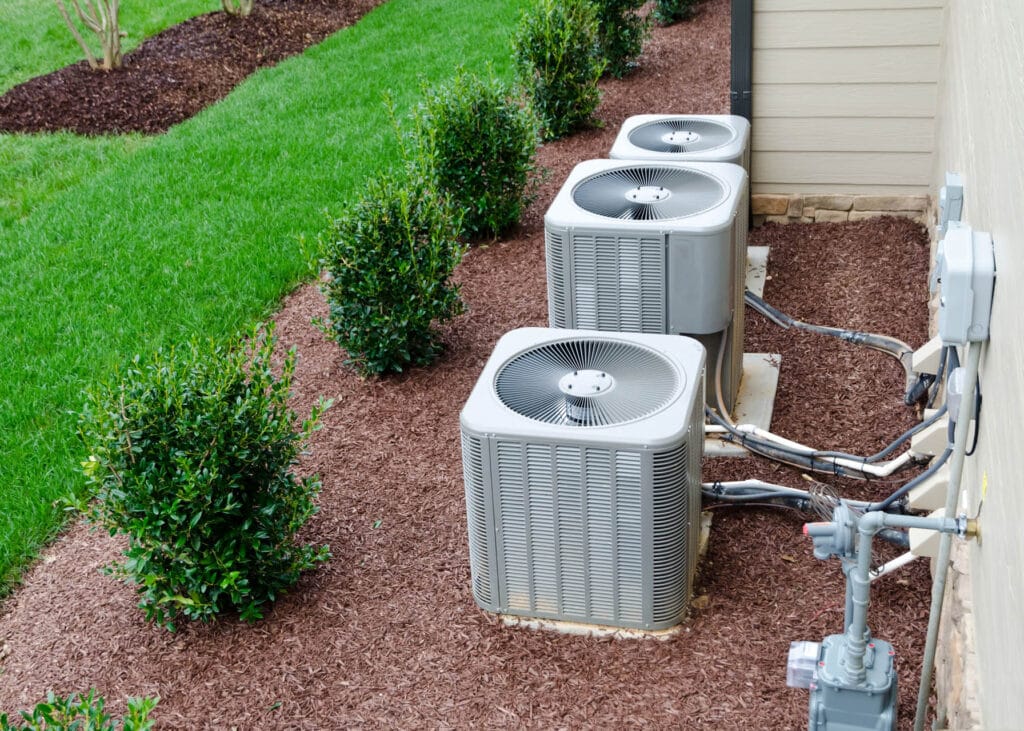
Outdoor units should also remain free of leaves, dirt, and debris. Restricted outdoor airflow can reduce HVAC efficiency and place additional strain on the system during operation.
Building A Long-Term Maintenance Routine
The best results come from consistency. Homeowners who stay proactive with maintenance often notice better airflow, reduced dust buildup, and fewer allergy-related issues indoors.
Along with HVAC care, other practices such as vacuuming regularly, grooming pets, and maintaining balanced humidity levels can further improve indoor comfort. Together, these habits create a more effective approach to managing health pet dander and maintaining cleaner indoor air throughout the year.
How Do Allergen Control Systems Work Alongside HVAC Filters?
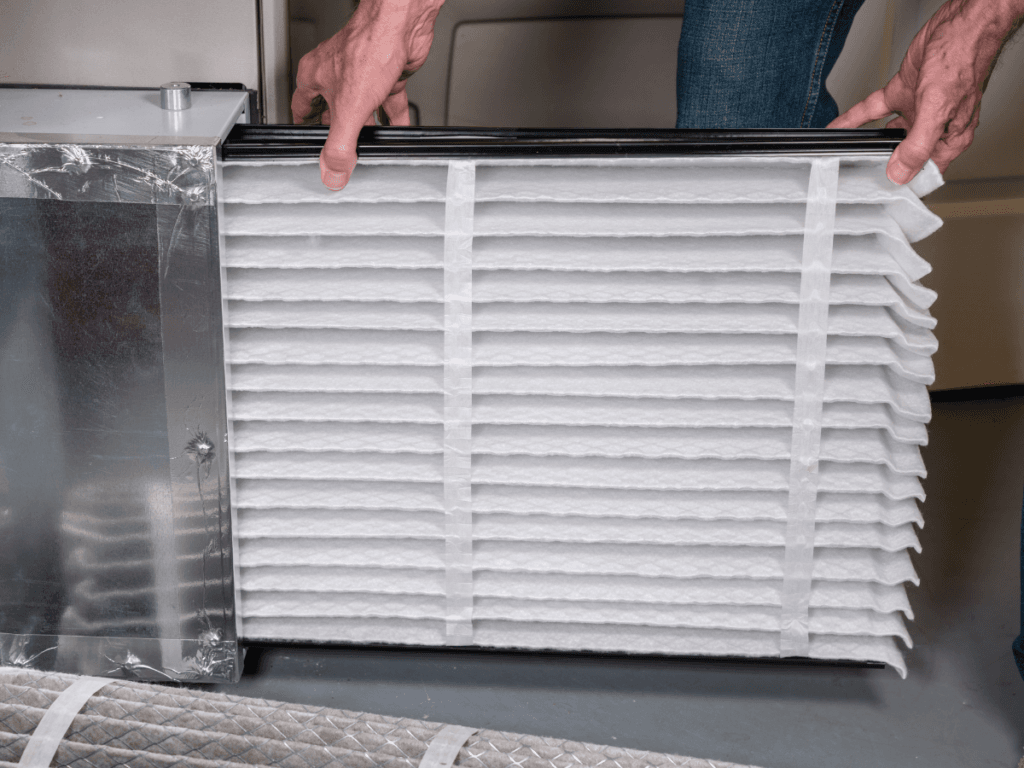
Managing indoor allergens often requires more than a standard HVAC filter alone. While air filters are essential for trapping dust, pet dander, and airborne particles, many homeowners benefit from combining filtration with additional allergen control systems.
Together, these technologies create a more complete approach to improving indoor air quality and reducing airborne irritants throughout the home.
For households dealing with health pet dander concerns, combining HVAC filtration with air purification and humidity management can significantly improve comfort. These systems work together to reduce allergens at multiple stages instead of relying on a single solution.
The Role Of HVAC Filters In Allergen Control
HVAC filters serve as the foundation of indoor air filtration. As air circulates through the system, filters capture particles such as pet dander, pollen, dust, and debris before they move through vents and into living spaces.
High-efficiency filters are especially important for homes with pets because pet dander particles are extremely small and can remain airborne for long periods. Quality filtration helps prevent these allergens from continuously recirculating throughout the house.
However, even strong filters have limitations. Some microscopic particles may still remain suspended in the air, especially in homes with multiple pets, high foot traffic, or ongoing allergen exposure. This is where additional allergen control systems become valuable.
How Air Purifiers Support HVAC Filtration
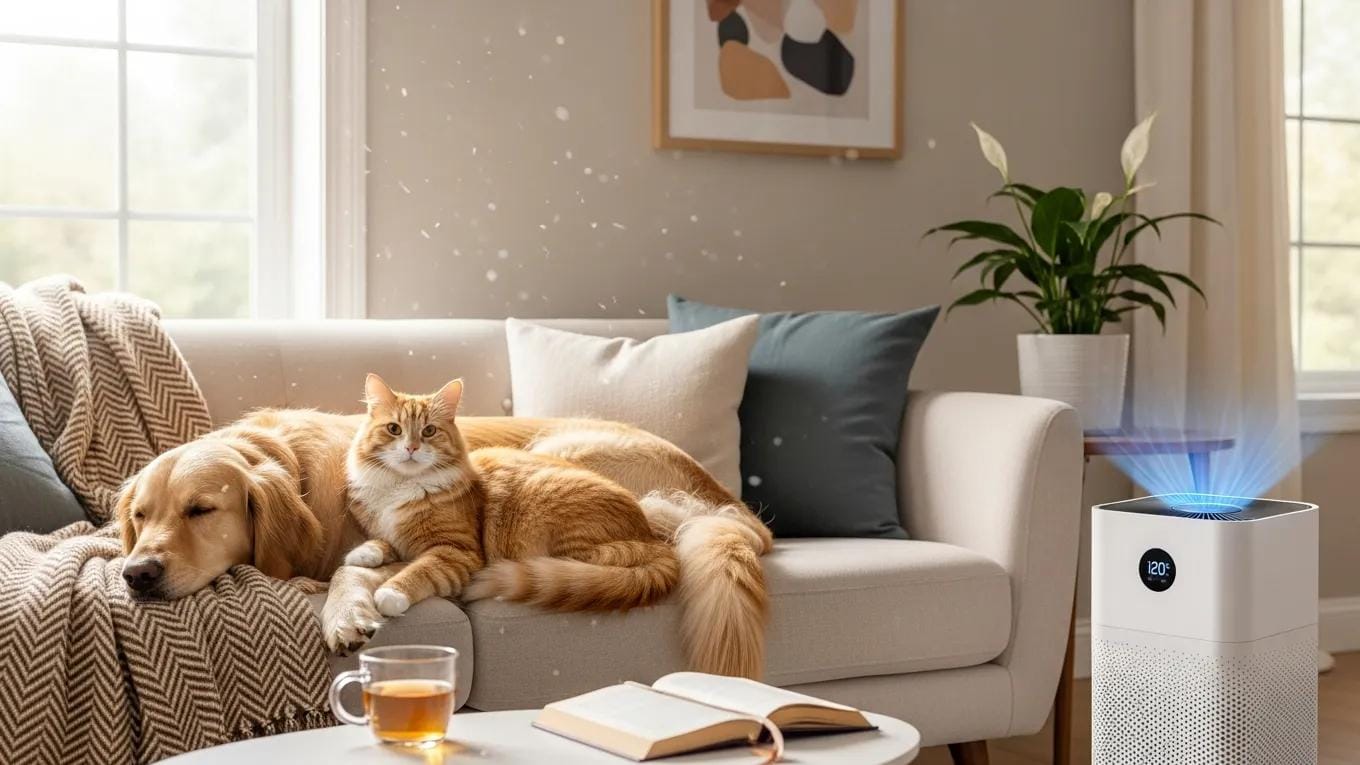
Air purifiers add another layer of protection by targeting airborne particles directly within living spaces. While HVAC filters clean air as it moves through the system, air purifiers continuously capture pollutants in specific rooms or throughout the entire home.
Many air purifiers use HEPA filtration, which is highly effective at trapping fine particles associated with health pet dander concerns. These systems can help reduce allergens in bedrooms, living rooms, and other areas where pets spend the most time.
Whole-home air purifiers integrated into the HVAC system provide even broader coverage by treating air before it circulates through the ductwork. This added filtration can help reduce lingering allergens, odors, and airborne irritants more effectively than filtration alone.
Why Humidity Control Matters
Humidity plays an important role in overall indoor air quality. Excess moisture can encourage mold growth and dust mite activity, while overly dry air may irritate the respiratory system and make airborne particles circulate more easily.
Humidity control devices work alongside HVAC systems to maintain balanced indoor moisture levels. In homes with pets, proper humidity management can help minimize conditions that worsen allergy symptoms or contribute to poor air quality.
Smart humidity control systems automatically adjust indoor moisture based on current conditions, helping create a more stable and comfortable environment year-round.
Combining Technologies For Better Indoor Air Quality
The most effective allergen management strategies typically involve multiple systems working together. HVAC filters handle large-scale filtration throughout the home, while air purifiers target smaller airborne particles and humidity controls help maintain healthier indoor conditions.
For families managing health pet dander concerns, this layered approach often produces more noticeable improvements than relying on one system alone. Cleaner air may help reduce sneezing, congestion, coughing, and other common allergy-related symptoms while improving overall comfort indoors.
This combination also helps reduce dust buildup on surfaces and limits the amount of pet-related allergens circulating through the home each day.
Long-Term Benefits Of Integrated Allergen Control
Integrated allergen control systems do more than improve comfort temporarily. They also support long-term HVAC efficiency and healthier indoor living conditions.
Cleaner systems tend to operate more efficiently because filters, ducts, and airflow components experience less buildup over time. This can help reduce strain on HVAC equipment while supporting more consistent airflow throughout the house.
For pet owners, managing indoor allergens is an ongoing process rather than a one-time fix. Combining HVAC filters with air purifiers, humidity control, and routine maintenance creates a more complete strategy for addressing health pet dander while maintaining cleaner, fresher indoor air year-round.
How Homeowners Can Further Reduce Pet Allergens Indoors
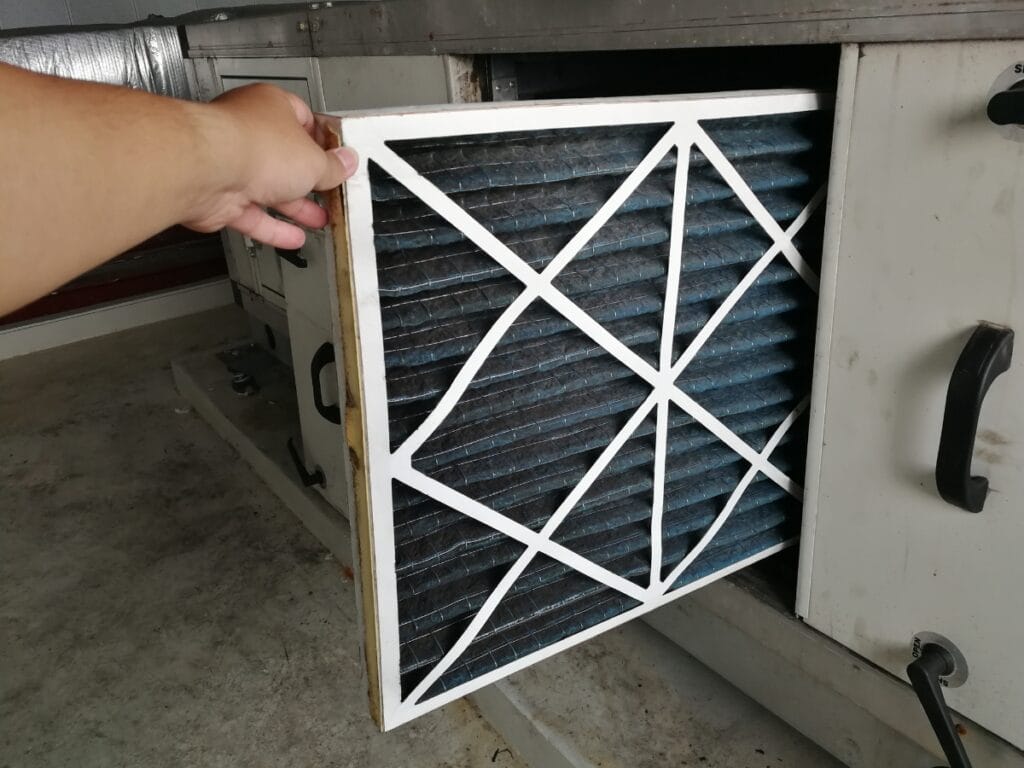
Managing indoor allergens takes more than simply changing your HVAC filter every few months. While filtration systems play a major role in improving air quality, homeowners can take several additional steps to reduce airborne particles and create a cleaner, more comfortable environment.
For families dealing with health pet dander concerns, combining good cleaning habits with proper air management often makes a noticeable difference.
Pet dander is lightweight and easily spreads throughout the home, settling into carpets, furniture, bedding, and air ducts. Because of this, reducing allergens usually requires a consistent, whole-home approach rather than relying on one solution alone.
Why Regular Vacuuming Matters
Vacuuming is one of the most effective ways to control pet hair and dander before it becomes airborne. Standard vacuums may remove visible debris, but models equipped with HEPA filters are far better at trapping microscopic particles associated with allergies.
Homes with pets often benefit from vacuuming several times a week, especially in high-traffic areas where dander tends to collect. Carpets, rugs, upholstered furniture, and curtains can all hold allergens long after shedding occurs.
For homeowners managing health pet dander issues, consistent vacuuming helps reduce the buildup of particles that HVAC systems would otherwise need to filter repeatedly. This not only supports cleaner indoor air but may also reduce allergy-related irritation over time.
The Importance Of Regular Pet Grooming
Routine grooming is another simple but effective way to limit allergen buildup indoors. Brushing pets regularly helps remove loose fur and dander before it spreads throughout the house.
Bathing schedules can also help, although the frequency depends on the type of pet and recommendations from a veterinarian or groomer. Keeping pets clean reduces the amount of allergens released into the air and onto furniture, flooring, and bedding.
Many homeowners notice that indoor air feels fresher when grooming becomes part of a regular maintenance routine. Grooming outdoors whenever possible can further reduce the amount of dander circulating inside the home.
How Air Purifiers Improve Indoor Air Quality
Standalone air purifiers provide another layer of allergen control, especially in rooms where pets spend the most time. Bedrooms, living rooms, and family spaces often benefit the most from portable air purification systems.
Air purifiers equipped with HEPA filtration are particularly effective for health pet dander management because they capture fine airborne particles that standard filters may miss. These systems continuously clean the air within a room, helping reduce allergens between HVAC cycles.
Research has also shown that portable air filtration devices can help lower allergen exposure during common household activities such as vacuuming, dusting, and cleaning. This can be especially helpful for allergy-sensitive individuals who experience symptoms during daily chores.
Choosing The Right HVAC Filters
Not all HVAC filters offer the same level of protection. Higher-efficiency filters generally capture more airborne particles, but they also require regular replacement to maintain performance.
Here is a general comparison of common filter types and maintenance schedules:
| Filter Type | Efficiency | Typical Maintenance |
|---|---|---|
| HEPA Filters | Up to 99.97% particle capture | Every 1–3 months |
| High-MERV Filters | MERV 11 or higher | Every 1–3 months |
| Electrostatic Filters | Varies by model | Monthly cleaning |
Keeping filters clean is just as important as selecting the right type. A clogged filter restricts airflow and reduces the system’s ability to trap allergens effectively.
Creating A Long-Term Allergen Management Plan
Reducing indoor allergens works best when multiple strategies are combined. Vacuuming regularly, grooming pets consistently, using quality HVAC filters, and adding air purifiers all contribute to healthier indoor air.
For homeowners dealing with health pet dander concerns, consistency is often the key factor. Small maintenance habits performed regularly tend to be more effective than occasional deep cleaning efforts.
By taking a proactive approach to indoor air quality, homeowners can create a cleaner living environment that feels more comfortable for both family members and pets alike.
Conclusion
Managing pet dander and indoor allergens starts with maintaining a healthy and efficient HVAC system. Proper filtration, routine maintenance, duct cleaning, and humidity control can all help improve indoor air quality and create a more comfortable environment for both pets and people.
Taking proactive steps to reduce airborne allergens can make a noticeable difference in overall comfort, especially for households with allergies or respiratory sensitivities.
For reliable HVAC services and indoor air quality solutions, choose Ace Tech Heating & Cooling. Ready to improve your home’s air quality and HVAC performance? Call (404) 369-9100 or get your free quote today.