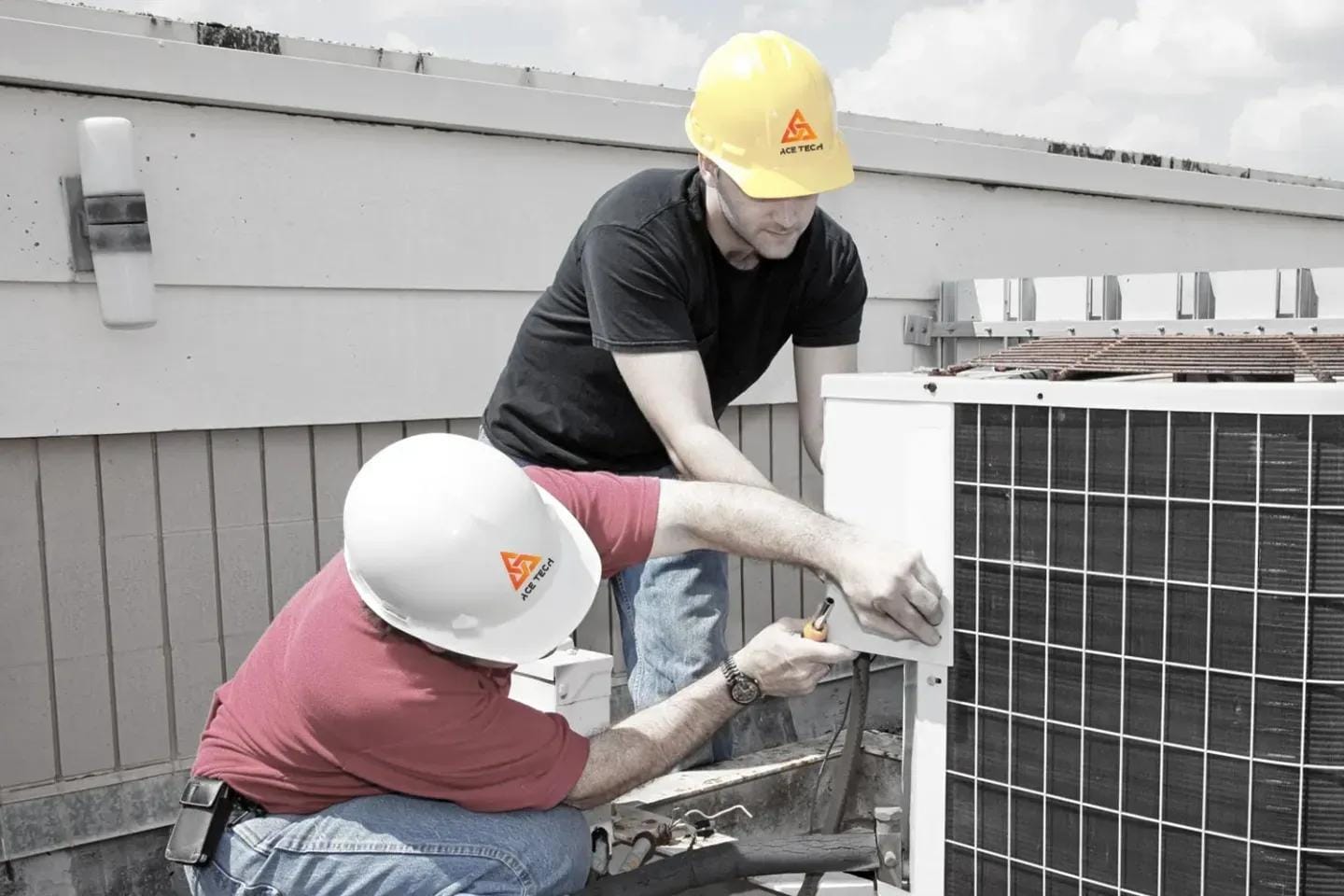
Georgia summers put air conditioning systems to the test. Long stretches of heat, high humidity, and constant use can reduce efficiency, increase energy costs, and place extra strain on HVAC equipment. Without regular maintenance, small issues can quickly turn into expensive repairs during the hottest part of the season.
Seasonal summer HVAC maintenance helps Georgia homeowners keep cooling systems running efficiently when they’re needed most. Simple tasks like replacing filters, checking airflow, cleaning outdoor units, and scheduling professional inspections can improve performance and help prevent unexpected breakdowns.
A proactive maintenance routine not only supports consistent indoor comfort but can also extend the life of your HVAC system and reduce energy consumption throughout the summer months.
Seasonal Summer HVAC Tips for Georgia Homeowners
Essential Maintenance Practices
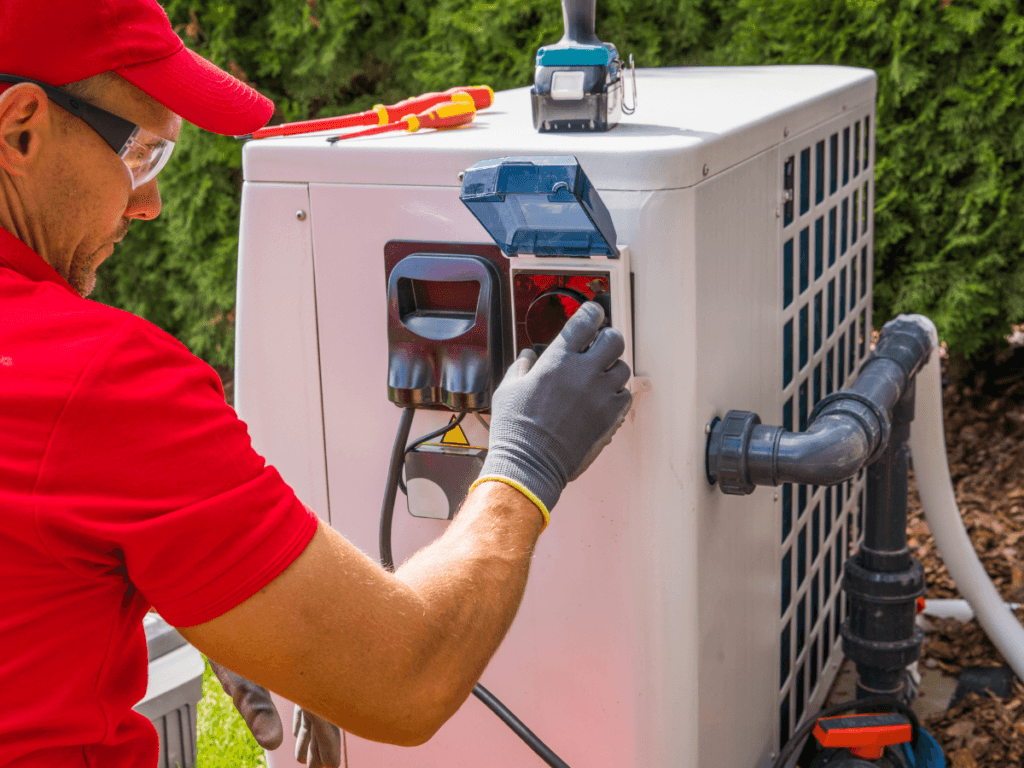
Keeping your HVAC system in good condition is one of the most important parts of preparing for the seasonal summer heat. As temperatures rise, your air conditioning system works harder and runs more frequently.
Without regular maintenance, efficiency can decline, energy costs can increase, and unexpected breakdowns become more likely.
Fortunately, a few simple maintenance practices can help your system operate more reliably throughout the hottest months of the year. By addressing small issues before they become major problems, homeowners can improve comfort, reduce energy consumption, and extend the lifespan of their HVAC equipment.
Check And Replace Air Filters Regularly
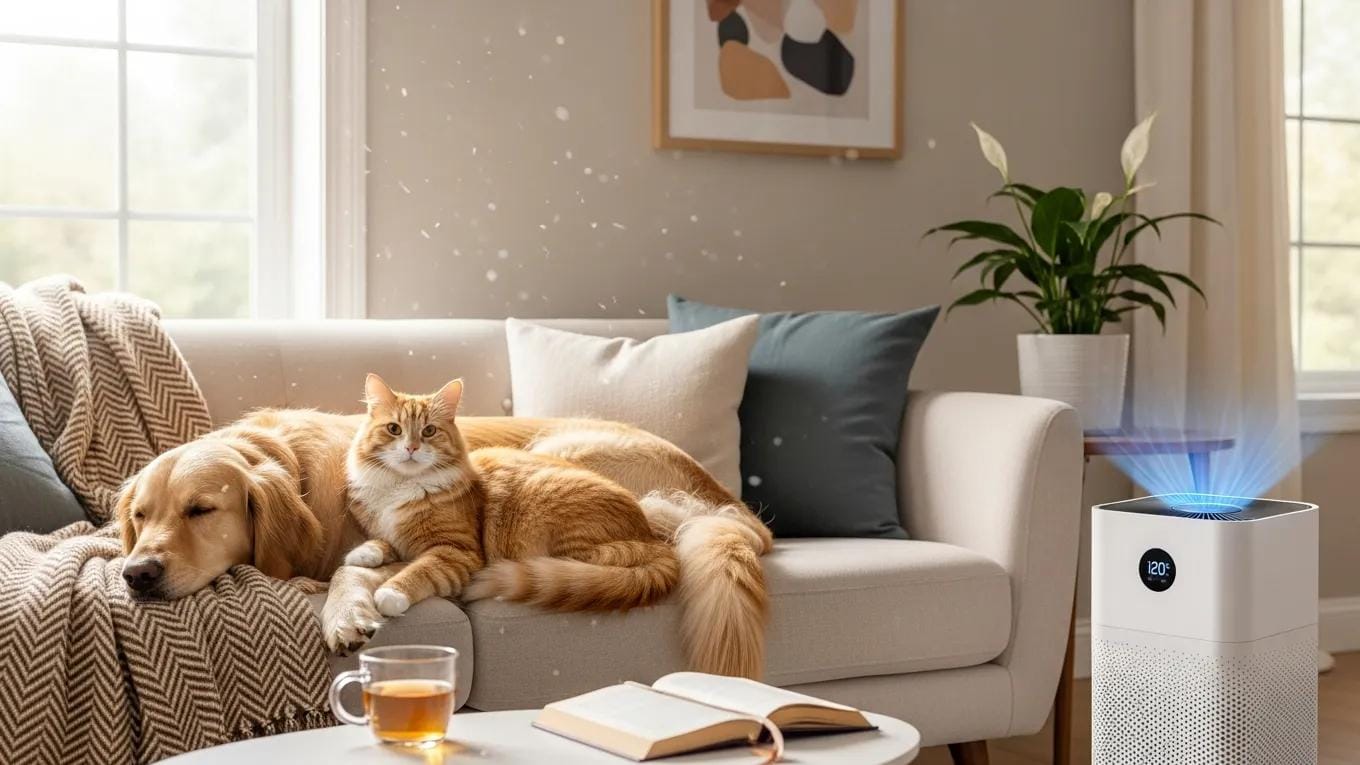
One of the simplest yet most effective HVAC maintenance tasks is replacing air filters on a regular schedule. Over time, filters collect dust, pollen, pet dander, and other airborne particles. As these materials accumulate, airflow becomes restricted, forcing the system to work harder to cool the home.
During the seasonal summer months, when air conditioners often run for extended periods, clogged filters can have a noticeable impact on performance and efficiency. Reduced airflow can lead to uneven cooling, higher utility bills, and additional strain on system components.
Homeowners should inspect filters monthly and replace them as needed. Depending on household conditions, such as pets, allergies, or heavy system use, filters may need replacement every one to three months.
Maintaining clean filters not only supports HVAC performance but also contributes to healthier indoor air quality.
Clean And Inspect Vents And Ducts
Even if the HVAC system itself is functioning properly, blocked vents or dirty ductwork can reduce overall efficiency. Dust, debris, and household contaminants can accumulate in supply and return vents, limiting airflow throughout the home.
As part of seasonal summer maintenance, homeowners should inspect visible vents and registers to ensure they remain clean and unobstructed by furniture, rugs, or household items. Proper airflow allows conditioned air to circulate more effectively, helping rooms reach desired temperatures more quickly.
In some cases, professional duct inspections may also be beneficial, particularly if there are signs of excessive dust buildup, uneven cooling, or declining indoor air quality. Clean airflow pathways allow the HVAC system to operate more efficiently while helping maintain a comfortable indoor environment.
Schedule Professional HVAC Maintenance
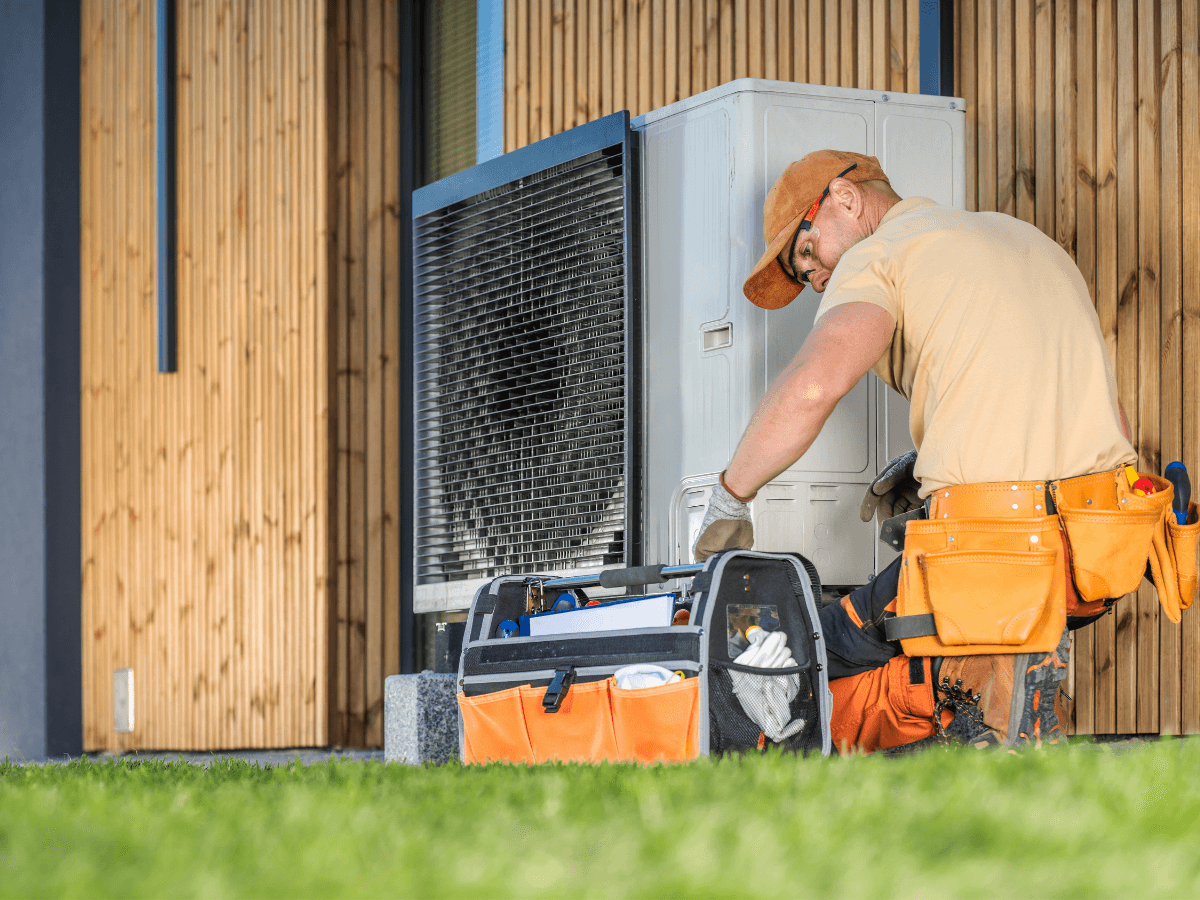
While many maintenance tasks can be handled by homeowners, professional inspections remain an important part of long-term system care. A trained technician can identify developing problems that may not be obvious during routine visual inspections.
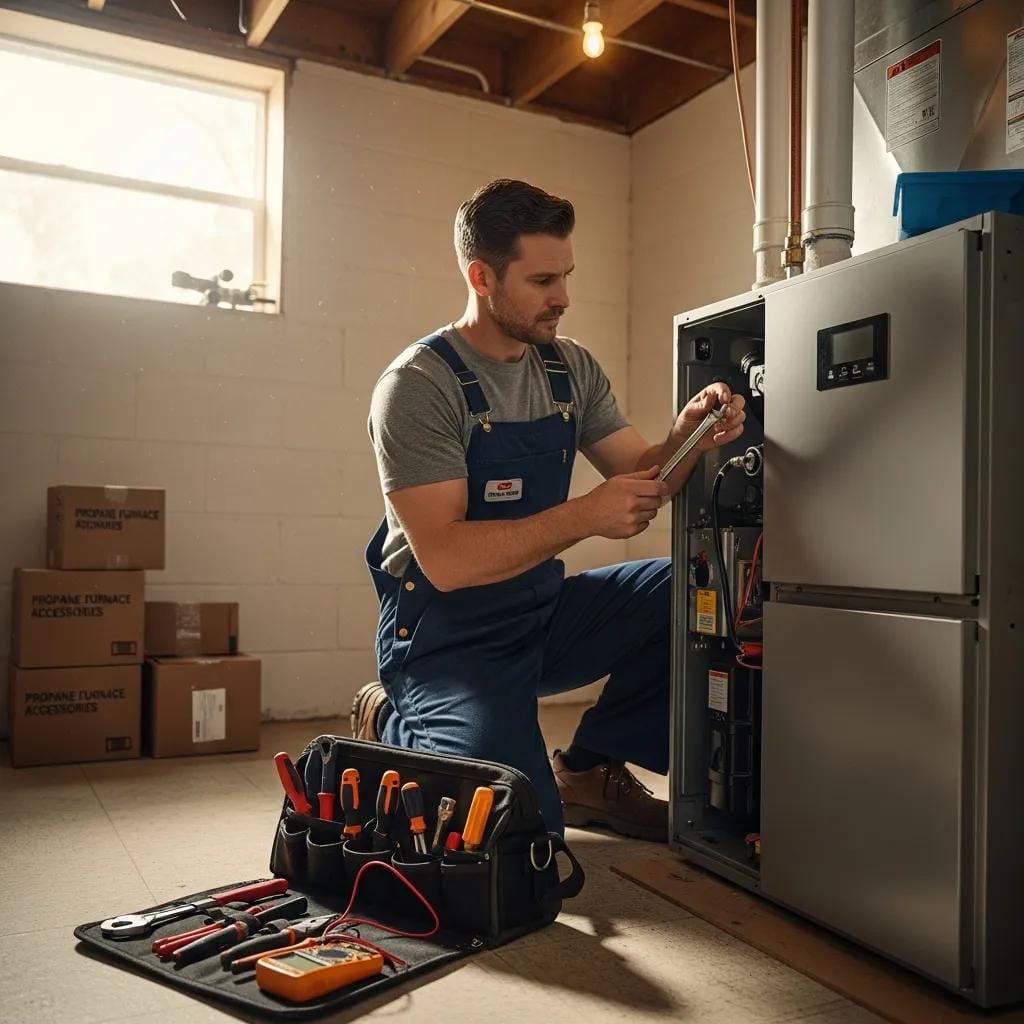
During a professional tune-up, technicians typically evaluate system components, inspect electrical connections, check refrigerant levels, clean critical parts, and verify that the equipment is operating safely and efficiently. Addressing small issues early often helps prevent more expensive repairs later.
Scheduling maintenance before the peak seasonal summer demand begins can be especially valuable. HVAC companies tend to experience higher service volumes during heat waves, so proactive inspections often provide greater flexibility and help reduce the likelihood of mid-season breakdowns.
Monitor System Performance Throughout The Season
Routine observation can help homeowners catch problems before they become major concerns. Changes in cooling performance, unusual noises, inconsistent temperatures, or unexplained increases in energy bills may indicate that the system requires attention.
Paying attention to these warning signs allows issues to be addressed promptly. In many cases, early intervention can prevent additional wear and reduce repair costs. Monitoring performance is a simple but effective way to support ongoing system efficiency throughout the seasonal summer period.
Build A Consistent Maintenance Routine
Effective HVAC care is not a one-time task. It is an ongoing process that combines regular inspections, filter changes, cleaning, and professional servicing. Together, these practices help ensure that the system remains reliable when cooling demands are highest.
By making maintenance a routine part of seasonal summer home care, homeowners can enjoy improved comfort, better energy efficiency, and greater confidence that their HVAC system is prepared to handle the challenges of hot weather.
A little preventative attention today can go a long way toward avoiding costly problems later in the season. maintenance, setting the stage for more advanced strategies to enhance cooling efficiency.
Strategies for Ensuring Efficient Cooling
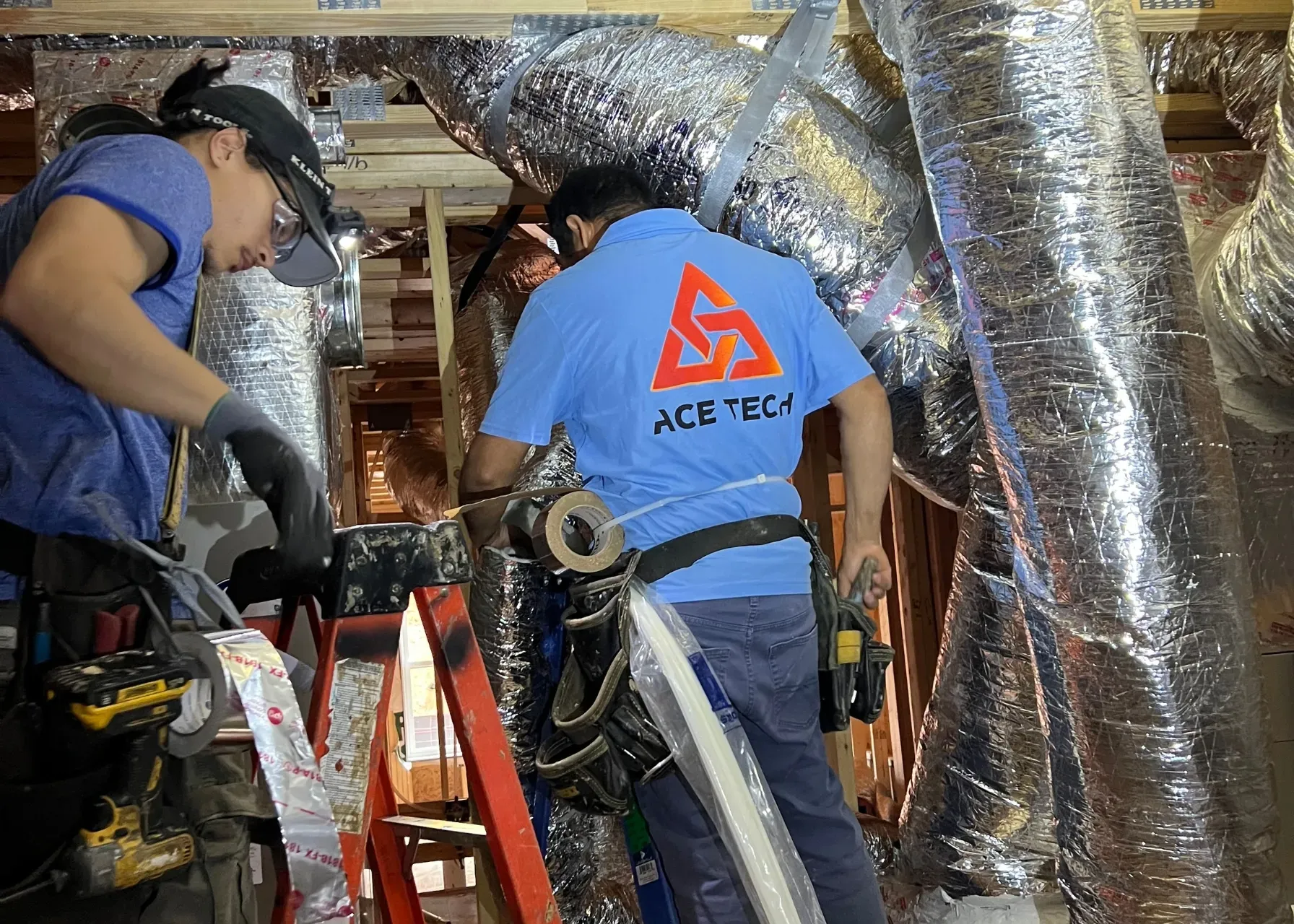
When temperatures rise, homeowners often focus on keeping their homes comfortable while trying to avoid soaring energy bills. The good news is that improving cooling efficiency does not always require major upgrades.
A combination of smart technology, regular maintenance, and energy monitoring can help HVAC systems perform more effectively throughout the seasonal summer months.
By taking a proactive approach, homeowners can reduce strain on their equipment, maintain consistent indoor temperatures, and improve overall energy efficiency.
Upgrade To Programmable Or Smart Thermostats
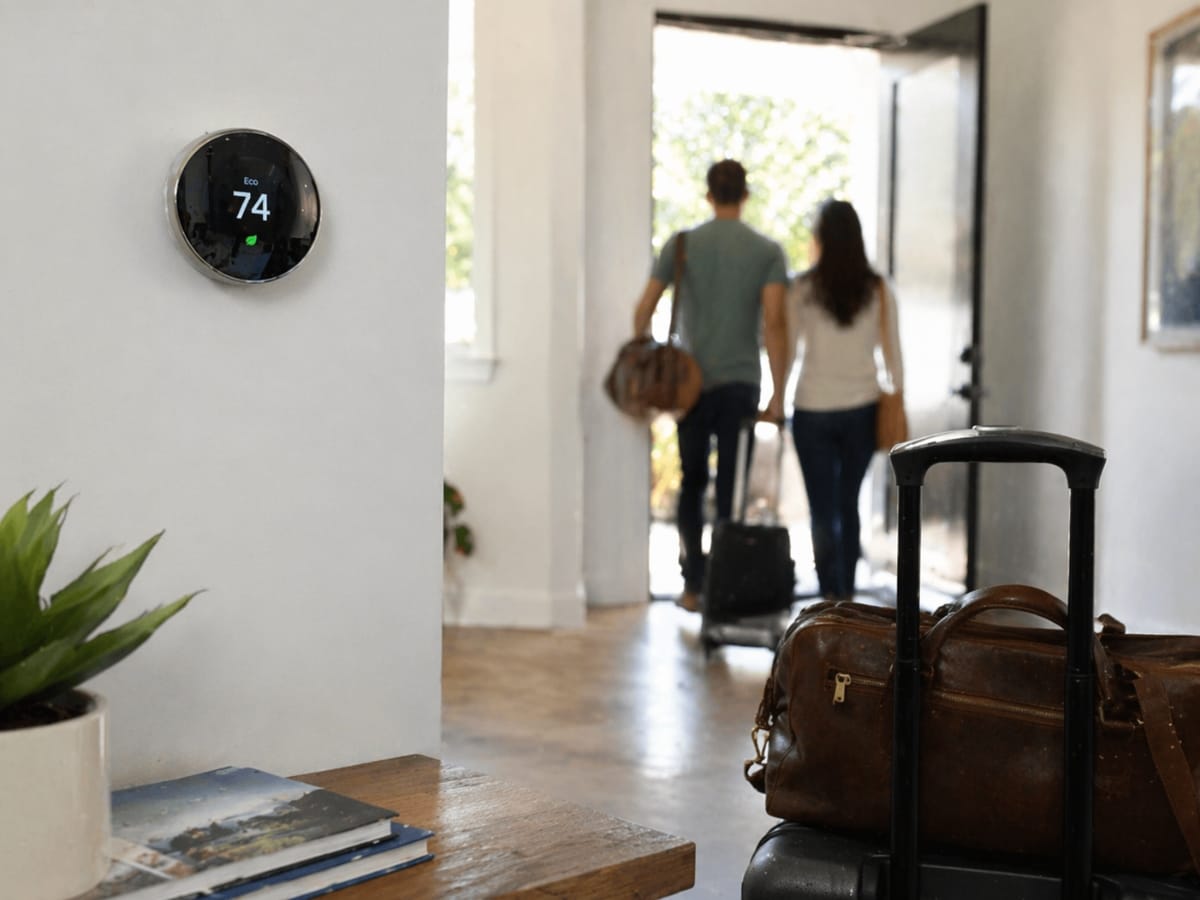
One of the most effective ways to improve cooling performance is by installing a programmable or smart thermostat. These devices allow homeowners to automatically adjust temperatures based on daily schedules rather than running the air conditioner at the same setting around the clock.
For example, temperatures can be set slightly higher during work hours when no one is home and then lowered before family members return. This approach reduces unnecessary energy consumption without sacrificing comfort.
Smart thermostats offer additional advantages by learning household habits, providing energy usage reports, and allowing remote adjustments through mobile devices. During the seasonal summer period, these features can help homeowners maintain comfortable indoor conditions while using less energy overall.
Prioritize Routine HVAC Maintenance
Even the most advanced cooling equipment cannot perform efficiently if maintenance is neglected. Routine service helps ensure that all system components work together as intended and allows small issues to be addressed before they develop into costly repairs.
Professional inspections typically include cleaning critical components, checking refrigerant levels, inspecting electrical connections, and evaluating overall system performance. These services help improve efficiency while reducing the likelihood of unexpected breakdowns during periods of heavy use.
Homeowners should also continue performing basic maintenance tasks between professional visits. Replacing air filters, keeping outdoor units free of debris, and ensuring vents remain unobstructed all contribute to better airflow and more efficient cooling.
Regular maintenance is especially important during the seasonal summer months because HVAC systems often operate for extended periods when temperatures are at their highest.
Monitor Energy Consumption For Early Warning Signs
Many homeowners do not realize that energy bills can serve as an early indicator of HVAC problems. A sudden increase in cooling costs may signal that the system is working harder than necessary due to restricted airflow, worn components, refrigerant issues, or other underlying concerns.
Tracking energy usage throughout the seasonal summer season can help identify unusual patterns before they become larger problems. If energy consumption increases significantly without a corresponding change in weather conditions or household habits, it may be worth scheduling an inspection.
Many modern thermostats and utility providers offer tools that allow homeowners to review energy usage trends over time. These insights can help pinpoint opportunities for improved efficiency and support more informed decisions about system maintenance or upgrades.
Integrate Smart Technology For Greater Control
Beyond thermostats, smart home technology continues to provide new opportunities for improving HVAC performance. Integrated systems can allow homeowners to monitor indoor temperatures, humidity levels, and energy consumption from a single platform.
Smart HVAC management solutions can also provide alerts when maintenance is needed or when system performance falls outside normal operating ranges. This added visibility helps homeowners address issues quickly and maintain more consistent comfort throughout the home.
For those interested in advanced technology solutions, companies such as Ace Tech GA offer expertise in smart system integration. These technologies can help homeowners gain greater control over energy usage while supporting efficient HVAC operation.
Create A Long-Term Efficiency Plan
Efficient cooling is not achieved through a single upgrade or maintenance visit. Instead, it results from a combination of good habits, routine care, and strategic improvements over time.
By incorporating programmable thermostats, scheduling regular maintenance, monitoring energy usage, and exploring smart technology solutions, homeowners can improve cooling performance while managing operating costs.
These strategies become particularly valuable during the seasonal summer months when HVAC systems face their greatest demands.
A well-maintained and efficiently managed cooling system not only enhances comfort but can also contribute to lower utility bills, fewer repairs, and a longer equipment lifespan. Taking these steps now helps ensure reliable performance throughout the hottest days of the year.
Recommendations for Optimizing HVAC Performance
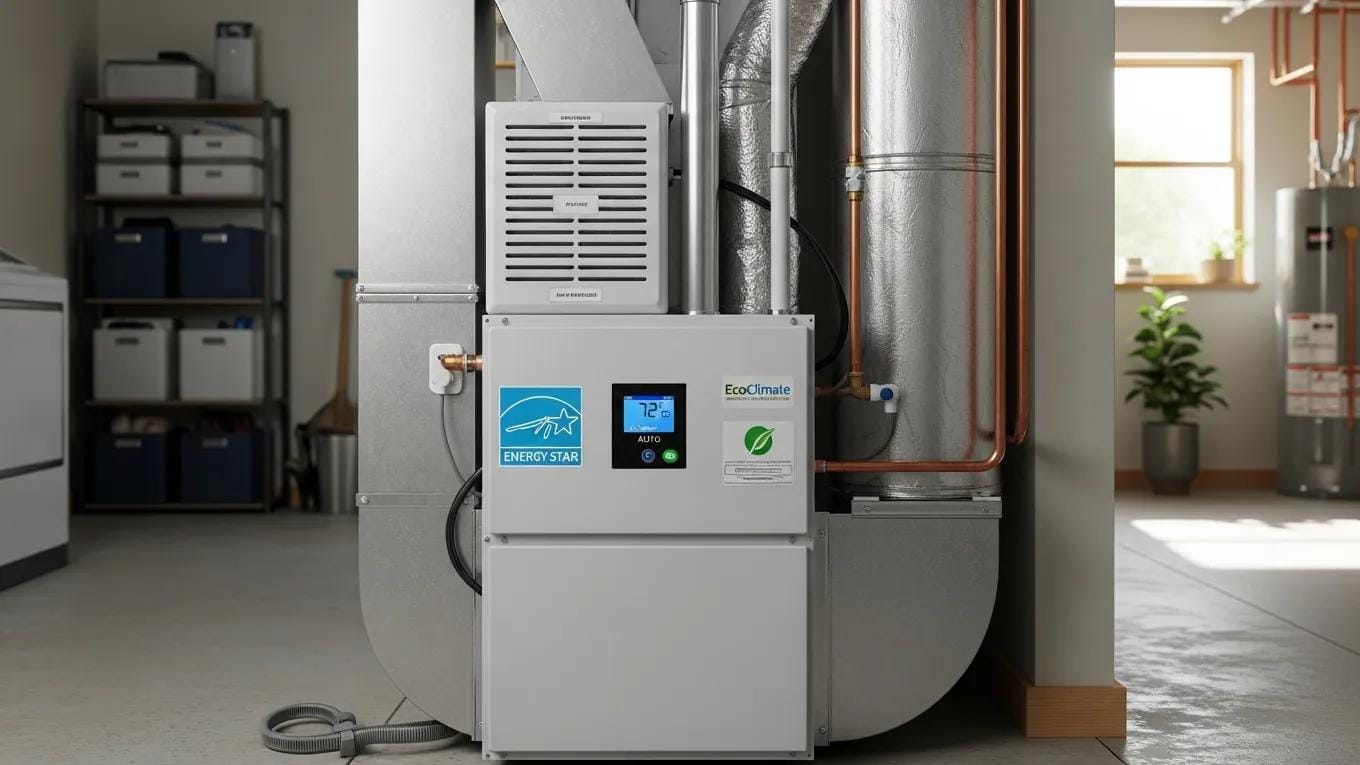
Keeping an HVAC system running efficiently during the hottest months of the year requires more than simply adjusting the thermostat. A combination of preventative maintenance, timely repairs, and strategic upgrades can help homeowners get the most from their cooling systems while controlling energy costs.
These steps become especially important during the seasonal summer months when air conditioners are working harder and for longer periods each day.
One of the most effective ways to protect HVAC performance is by scheduling annual professional tune-ups. During a maintenance visit, technicians inspect critical components, clean the system, test its operation, and identify minor issues before they become costly repairs.
Regular service helps improve efficiency, reduces wear and tear, and supports reliable performance throughout the cooling season.
Homeowners may also benefit from upgrading older equipment to Energy Star-certified systems. Modern HVAC units are designed to use less energy while delivering consistent comfort, making them a worthwhile investment for households dealing with rising utility costs.
While a new system represents a larger upfront expense, the long-term savings and improved performance often make the upgrade worthwhile.
Another important recommendation is to address problems as soon as they appear. Unusual noises, weak airflow, inconsistent temperatures, or rising energy bills can all indicate underlying issues.
Prompt repairs help prevent additional damage and ensure the system continues operating efficiently during peak demand periods.
By combining preventative maintenance, energy-efficient equipment, and timely repairs, homeowners can maximize comfort and reduce strain on their HVAC systems throughout the seasonal summer season.
How Can Regular HVAC Maintenance Improve Cooling Efficiency In Georgia Summers?
Georgia summers are known for their high temperatures and humidity, creating significant demands on residential cooling systems. Regular HVAC maintenance helps systems meet these demands by ensuring that every component operates as efficiently as possible.
When dirt, dust, and debris accumulate inside an HVAC system, airflow becomes restricted and cooling performance suffers.
The system must then work harder to maintain indoor temperatures, leading to increased energy consumption and unnecessary wear on equipment. Routine maintenance addresses these issues before they impact performance.
Regular service appointments also allow technicians to identify worn parts, refrigerant issues, electrical concerns, or drainage problems that could lead to unexpected breakdowns. Catching these problems early can save homeowners from expensive emergency repairs during the busiest part of the cooling season.
Beyond improving efficiency, ongoing maintenance contributes to better indoor comfort. Homes cool more evenly, humidity levels remain more manageable, and airflow is generally stronger throughout the property.
These benefits are particularly valuable during the seasonal summer months when comfort and energy efficiency are both top priorities.
What Are The Key HVAC Maintenance Tasks For Georgia’s Climate?
Georgia’s combination of heat, humidity, pollen, and long cooling seasons creates unique challenges for HVAC systems. As a result, certain maintenance tasks deserve special attention.
One of the most important responsibilities is checking and replacing air filters regularly. Filters collect dust, pollen, pet dander, and other airborne particles.
When they become clogged, airflow is reduced, forcing the system to work harder to cool the home. Most homeowners benefit from inspecting filters monthly and replacing them as needed.
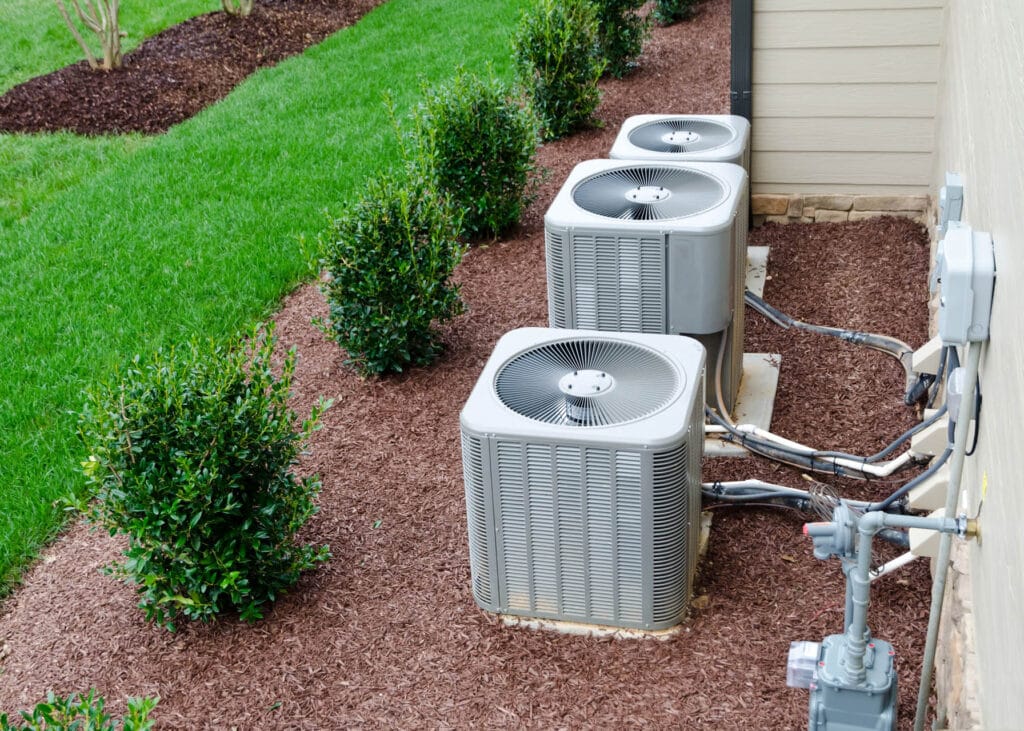
Outdoor condenser coils also require routine attention. Over time, dirt, leaves, grass clippings, and other debris can accumulate around the unit, reducing its ability to release heat efficiently. Keeping the area clean and ensuring adequate clearance around the condenser helps improve cooling performance.
Proper insulation is another often-overlooked factor in HVAC efficiency. Even a well-maintained system can struggle if cool air escapes through poorly insulated ductwork or attic spaces. Inspecting and improving insulation can reduce energy waste and help maintain consistent indoor temperatures.
Finally, homeowners should pay attention to condensate drain lines, which play an important role in removing moisture from the system. In Georgia’s humid climate, clogged drain lines can lead to water damage, mold growth, and reduced efficiency if left unaddressed.
When combined, these maintenance tasks help HVAC systems perform more effectively throughout the seasonal summer season. By focusing on preventative care and addressing issues early, homeowners can enjoy improved comfort, lower utility costs, and a longer lifespan for their cooling equipment.
How Often Should Homeowners Schedule HVAC Service During Summer?
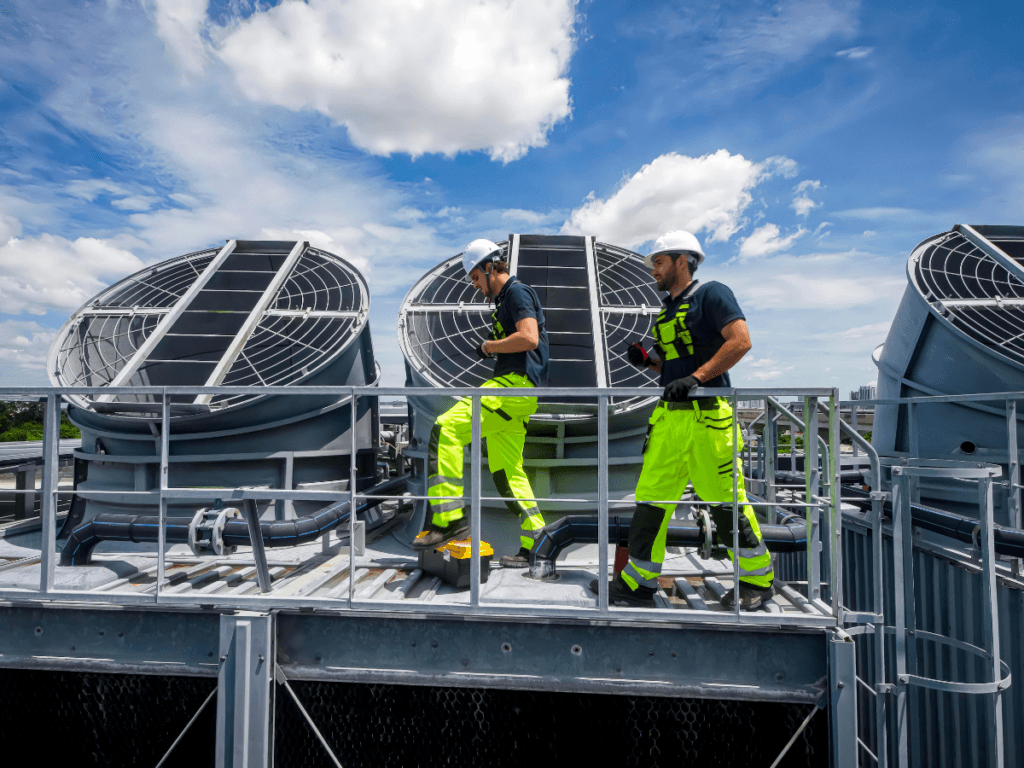
One of the most common questions homeowners ask during the seasonal summer months is how often their HVAC system should be professionally serviced.
While many people wait until a problem appears, preventative maintenance is usually the best approach for keeping a cooling system running efficiently and avoiding costly repairs.
For most homes, scheduling professional HVAC service once a year is sufficient, with the appointment ideally taking place in late spring or early summer before temperatures begin to rise.
This allows technicians to inspect the system, clean critical components, check refrigerant levels, and identify any issues that could affect performance during periods of heavy use.
However, not every system has the same maintenance needs. Older HVAC units, systems that run almost continuously, or equipment installed in homes with pets, high dust levels, or large families may benefit from more frequent inspections.
In these cases, scheduling service twice a year can help catch wear and tear early and reduce the risk of unexpected breakdowns during the hottest part of the seasonal summer season.
Regular service visits also help maintain energy efficiency. As components become dirty or worn, the system must work harder to cool the home, which can lead to higher utility bills and increased strain on the equipment.
Routine maintenance keeps airflow unrestricted and ensures that all parts are operating as intended.
Beyond improving efficiency, scheduled HVAC service provides peace of mind. Few things are more frustrating than losing air conditioning during a summer heat wave. By investing in preventative care, homeowners can reduce the likelihood of emergency repairs and extend the lifespan of their equipment.
Ultimately, the ideal service schedule depends on the age, condition, and usage of the system. For most households, an annual inspection is the minimum recommendation, while older or heavily used systems often benefit from biannual maintenance.
Taking a proactive approach helps ensure reliable cooling, lower operating costs, and greater comfort throughout the seasonal summer months.
What Energy Efficient Cooling Strategies Help Reduce Costs In Georgia Homes?
Keeping cooling costs under control can be challenging during Georgia’s long, hot summers, but several practical strategies can help homeowners improve comfort while reducing energy consumption.
The key is to focus on efficiency rather than simply running the air conditioner less. Small adjustments throughout the home can add up to meaningful savings during the seasonal summer months.
One of the most effective upgrades is installing a smart thermostat. These devices automatically adjust temperatures based on your schedule, helping avoid unnecessary cooling when no one is home.
Many smart thermostats also provide energy reports and usage insights, allowing homeowners to identify opportunities for additional savings.
Research has shown that even modest adjustments to cooling setpoints can significantly reduce energy consumption, making temperature management one of the easiest ways to improve efficiency.
Using Smart Thermostats To Improve Efficiency
Smart thermostats take much of the guesswork out of managing indoor temperatures. Instead of maintaining the same temperature throughout the day, homeowners can program cooling schedules that align with their daily routines.
For example, the system can automatically raise the temperature while the house is empty and begin cooling shortly before residents return home.
This approach reduces unnecessary energy use without sacrificing comfort. During the seasonal summer season, even a small increase in thermostat settings can lead to noticeable reductions in monthly utility bills.
When paired with regular HVAC maintenance, smart thermostats help maximize system performance and efficiency.
Everyday Habits That Lower Cooling Costs
Not every energy-saving strategy requires new equipment. In many cases, simple household habits can make a significant difference.
Closing blinds, curtains, or shades during the hottest part of the day helps reduce solar heat gain and keeps indoor spaces cooler. Ceiling fans can also improve comfort by circulating air more effectively, allowing homeowners to set thermostats slightly higher while maintaining the same level of comfort.
Proper weatherstripping around doors and windows is another often-overlooked factor. Small air leaks can force an HVAC system to work harder than necessary, especially during periods of extreme heat. Sealing these gaps helps retain cooled air and reduces overall energy demand throughout the seasonal summer months.
Investing In Energy-Efficient Equipment
For homeowners with older cooling systems, upgrading to energy-efficient equipment can provide substantial long-term savings. Modern air conditioners and heat pumps are designed to deliver more cooling power while using less electricity than older models.
Energy-efficient appliances often include advanced features such as variable-speed motors, improved airflow management, and enhanced temperature controls. These technologies help maintain more consistent indoor temperatures while reducing energy consumption.
While the initial investment may be higher, many homeowners find that lower monthly utility costs and fewer repair expenses help offset the upgrade over time. Energy-efficient systems can also improve indoor comfort by maintaining more stable humidity and temperature levels during Georgia’s hottest months.
Creating A Whole-Home Efficiency Strategy
The most effective approach combines multiple energy-saving measures rather than relying on a single solution. A well-maintained HVAC system, paired with smart thermostat settings, proper insulation, and energy-conscious habits, can dramatically improve cooling efficiency.
Homeowners should also periodically review their energy bills and monitor usage patterns. Unexpected increases in energy consumption may indicate issues such as clogged filters, duct leaks, or declining equipment performance that should be addressed before they become larger problems.
By combining smart technology, efficient equipment, and practical daily habits, homeowners can enjoy a more comfortable living environment while keeping cooling costs under control throughout the seasonal summer season.
These strategies not only reduce monthly expenses but also help HVAC systems operate more efficiently and reliably over the long term.
How Can Homeowners Troubleshoot Common Air Conditioner Issues In Georgia?
When temperatures rise during the seasonal summer months, even a minor air conditioning issue can quickly become a major inconvenience. Fortunately, some common problems can be identified and resolved with a few basic troubleshooting steps before calling a professional.
Start by checking the thermostat. It may seem obvious, but incorrect settings, dead batteries, or programming errors are often the cause of cooling complaints. Make sure the thermostat is set to “cool” mode and that the temperature is lower than the current room temperature.
Next, inspect the air filter. A dirty or clogged filter restricts airflow, forcing the system to work harder while reducing its ability to cool the home effectively. Replacing a neglected filter is one of the simplest and most effective ways to restore performance during the seasonal summer season.
The outdoor condenser unit also deserves attention. Leaves, grass clippings, dirt, and other debris can accumulate around the unit and restrict airflow. Keeping the area clear allows the system to release heat more efficiently and operate at peak performance.
While these simple checks can solve many minor issues, homeowners should also understand when a problem may require professional diagnosis and repair.
What Are The Signs Of Air Conditioner Malfunctions During Summer?
Air conditioning systems rarely stop working without warning. In many cases, they provide clear signs that something is wrong long before a complete breakdown occurs. Recognizing these warning signs early can help homeowners avoid larger repair costs and maintain comfort throughout the seasonal summer months.
One of the most common indicators is insufficient cooling. If certain rooms remain warm, temperatures fluctuate throughout the house, or the system runs continuously without reaching the desired setting, there may be an issue with airflow, refrigerant levels, or system components.
Unusual noises should never be ignored. Banging, rattling, grinding, squealing, or buzzing sounds can indicate loose parts, motor problems, worn belts, or electrical issues. Similarly, strange odors coming from vents may signal mold growth, electrical concerns, or other conditions that require immediate attention.
Another warning sign is an unexpected increase in energy bills. While higher cooling costs are common during hot weather, a sudden spike in electricity usage may indicate that the system is operating inefficiently.
Dirty coils, restricted airflow, aging equipment, or mechanical issues can all force the unit to consume more energy than necessary.
Homeowners should also watch for excessive humidity indoors. Air conditioners help remove moisture from the air, so increased humidity levels may indicate that the system is struggling to perform properly.
When Should Homeowners Call A Professional?
While basic troubleshooting can resolve minor concerns, some problems require professional expertise. If the system repeatedly trips circuit breakers, leaks water, produces burning smells, or fails to cool after simple maintenance steps have been completed, professional service is recommended.
Ignoring these warning signs can lead to more extensive damage and higher repair costs. In Georgia’s hot climate, waiting too long to address HVAC issues can place additional strain on the system, potentially shortening its lifespan.
Professional technicians have the tools and training needed to diagnose complex problems, test electrical components, inspect refrigerant levels, and identify issues that may not be visible to homeowners. Early intervention often prevents small concerns from developing into major repairs.
Preventing Future Air Conditioning Problems
The best way to minimize cooling issues is through preventative maintenance. Routine inspections, regular filter changes, and seasonal tune-ups help keep HVAC systems operating efficiently and reliably.
During the seasonal summer season, air conditioners often run for extended periods each day. This increased workload makes preventative care especially important. A well-maintained system not only provides more consistent comfort but also uses less energy and experiences fewer breakdowns.
By learning how to recognize common warning signs and performing simple maintenance tasks, homeowners can keep their cooling systems running smoothly throughout the summer.
When combined with regular professional service, these proactive steps help ensure dependable performance, lower operating costs, and a more comfortable home environment.
When Should You Contact IT Support For Smart HVAC System Problems?
Smart HVAC systems offer homeowners greater control over comfort, energy usage, and system performance, but they also introduce a layer of technology that can occasionally create new challenges.
While some issues can be resolved through basic troubleshooting, there are times when professional IT support may be necessary to restore proper functionality.
One of the most common reasons to seek assistance is when a smart thermostat or HVAC management system stops communicating with connected devices.
If settings fail to update, remote controls become unresponsive, or automation schedules stop working, the issue may be related to network connectivity, software updates, or device integration rather than the HVAC equipment itself.
Homeowners should also pay attention to changes in system performance. If the home experiences uneven temperatures, inconsistent cooling, or delays between thermostat adjustments and system response, there may be a problem with sensors, connectivity, or smart controls.
During the seasonal summer months, these issues can significantly impact comfort and energy efficiency.
Signs A Smart HVAC System May Need Professional Support
Some warning signs go beyond routine HVAC maintenance and point toward technology-related problems. For example, repeated app failures, lost Wi-Fi connections, inaccurate temperature readings, or smart thermostats that frequently restart can indicate software or network issues that require technical expertise.
Unexpected increases in energy bills may also signal a problem. Smart HVAC systems are designed to improve efficiency, so rising energy costs without a clear explanation could mean the system is not operating as intended.
In some cases, incorrect automation settings, communication failures, or malfunctioning sensors can cause equipment to run longer than necessary.
Unusual system behavior, such as cooling schedules changing without user input or devices failing to sync properly, may also warrant professional investigation. These issues can often be traced back to software conflicts, outdated firmware, or connectivity problems within the home’s network.
The Connection Between HVAC Performance And Technology
Modern HVAC systems rely heavily on technology to deliver optimal performance. Smart thermostats, zoning controls, mobile applications, and energy-monitoring tools all work together to create a more efficient and convenient experience.
When one part of this ecosystem fails, the impact can extend beyond comfort. A disconnected thermostat, for example, may prevent the system from adjusting temperatures efficiently throughout the day. Over time, this can increase energy consumption and place unnecessary strain on the HVAC equipment.
This is particularly important during the seasonal summer season when cooling systems often operate for extended periods. Even minor technical issues can reduce efficiency and lead to higher operating costs if left unresolved.
Benefits Of Seeking Professional Assistance
Contacting IT support when technology-related HVAC issues arise can help homeowners quickly identify the root cause of the problem.
Professionals can diagnose network connectivity concerns, software conflicts, device compatibility issues, and system integration problems that may not be obvious through standard troubleshooting.
In many cases, resolving these issues improves both comfort and energy efficiency. Properly functioning smart systems allow homeowners to monitor usage, automate temperature settings, and optimize cooling schedules more effectively.
As smart home technology continues to evolve, the relationship between HVAC systems and digital connectivity becomes increasingly important. Seeking professional support when necessary helps ensure that both the technology and the HVAC equipment work together as intended.
For homeowners relying on smart climate control solutions, addressing technical concerns early can prevent larger problems, improve system performance, and help maintain a comfortable indoor environment throughout the seasonal summer months.
Conclusion
Staying on top of seasonal HVAC maintenance is one of the best ways to keep your cooling system running efficiently throughout Georgia’s hot summer months.
Simple tasks like changing air filters, cleaning outdoor units, checking refrigerant levels, and scheduling professional tune-ups can help improve energy efficiency, prevent unexpected breakdowns, and extend the life of your system.
When it comes to keeping your home comfortable all season long, working with experienced HVAC professionals can make all the difference.
For dependable service and expert cooling solutions, choose Ace Tech Heating & Cooling. If your system is due for maintenance or you’re considering an upgrade, call (404) 369-9100 to speak with the team at Ace Tech Heating & Cooling or get a free quote through the site form today.